DeepMind's Revolutionary AI Model Enhances Hurricane Prediction Accuracy
DeepMind's WeatherNext model is transforming hurricane forecasting, providing earlier and more accurate warnings. This breakthrough has significant implications for disaster preparedness and response.
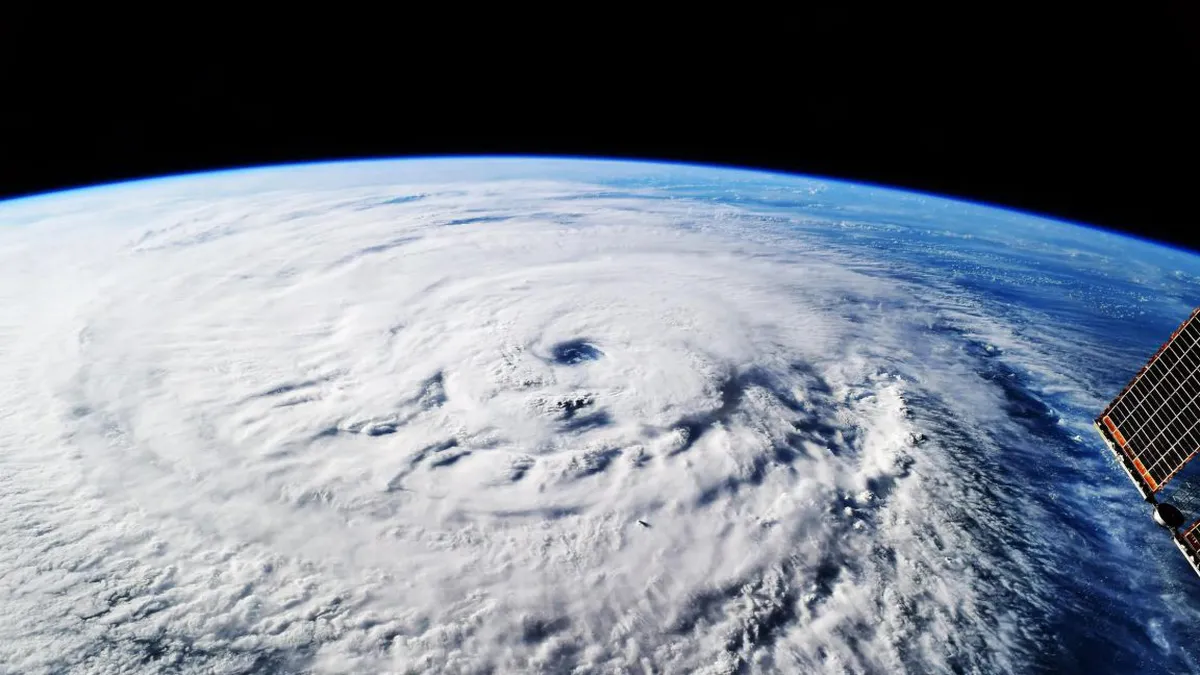
In an age where climate change is intensifying the frequency and severity of extreme weather events, the need for accurate and timely hurricane forecasting has never been more critical. A recent breakthrough by Google’s DeepMind, the WeatherNext model, is setting a new standard in meteorology, enabling forecasters to predict hurricane activity with unprecedented accuracy. This advancement not only enhances the reliability of predictions but also offers communities a crucial lead time that could save lives and mitigate disaster impacts.
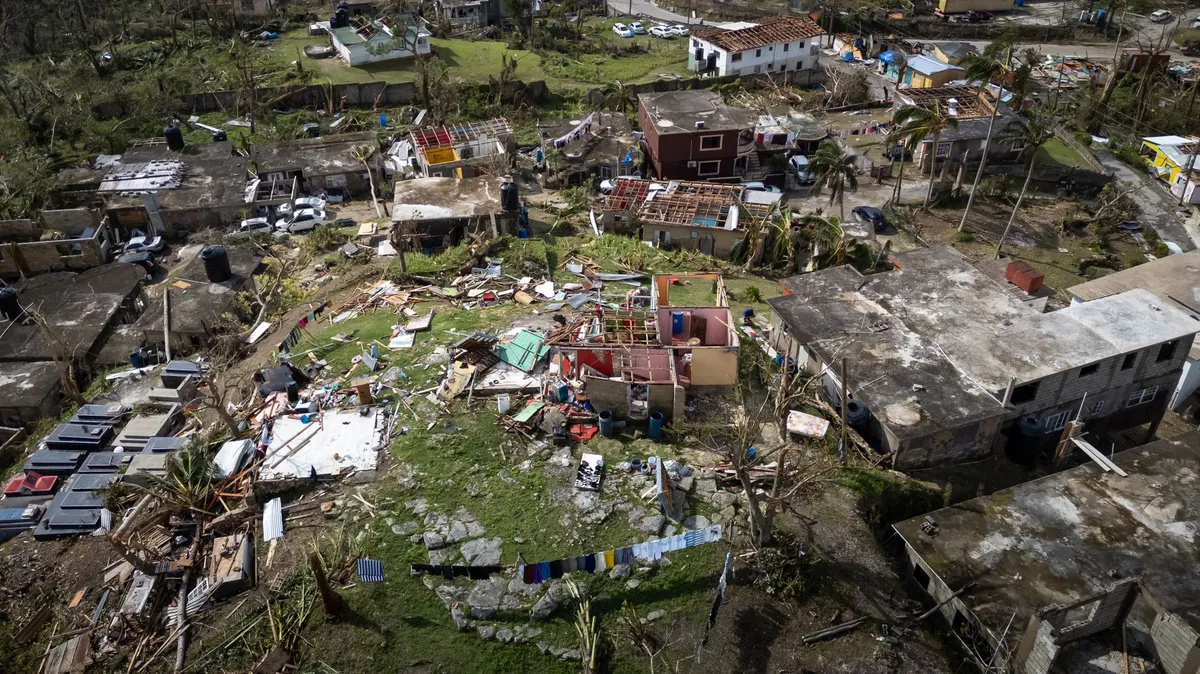
In October 2025, Hurricane Melissa emerged over the Caribbean Sea, a formidable storm that posed significant threats to the region. While traditional weather models struggled to agree on its trajectory—whether it would remain weak and impact Haiti or escalate into a catastrophic storm targeting Jamaica—WeatherNext confidently predicted that the system would intensify into a Category 5 hurricane, with an impressive 80% confidence level five days prior to landfall. This foresight allowed local authorities to prepare for the storm's impact, ultimately saving lives and minimizing damage.
Understanding WeatherNext: A Technological Marvel
The WeatherNext model represents a significant leap in predictive technology, combining artificial intelligence (AI) with meteorological science. According to a paper published in the journal Nature, this model can forecast cyclones with a precision that provides forecasters an additional day of lead time compared to existing methodologies. In practical terms, this means that predictions made three days in advance are as reliable as those made two days out by traditional models.
The Importance of Lead Time
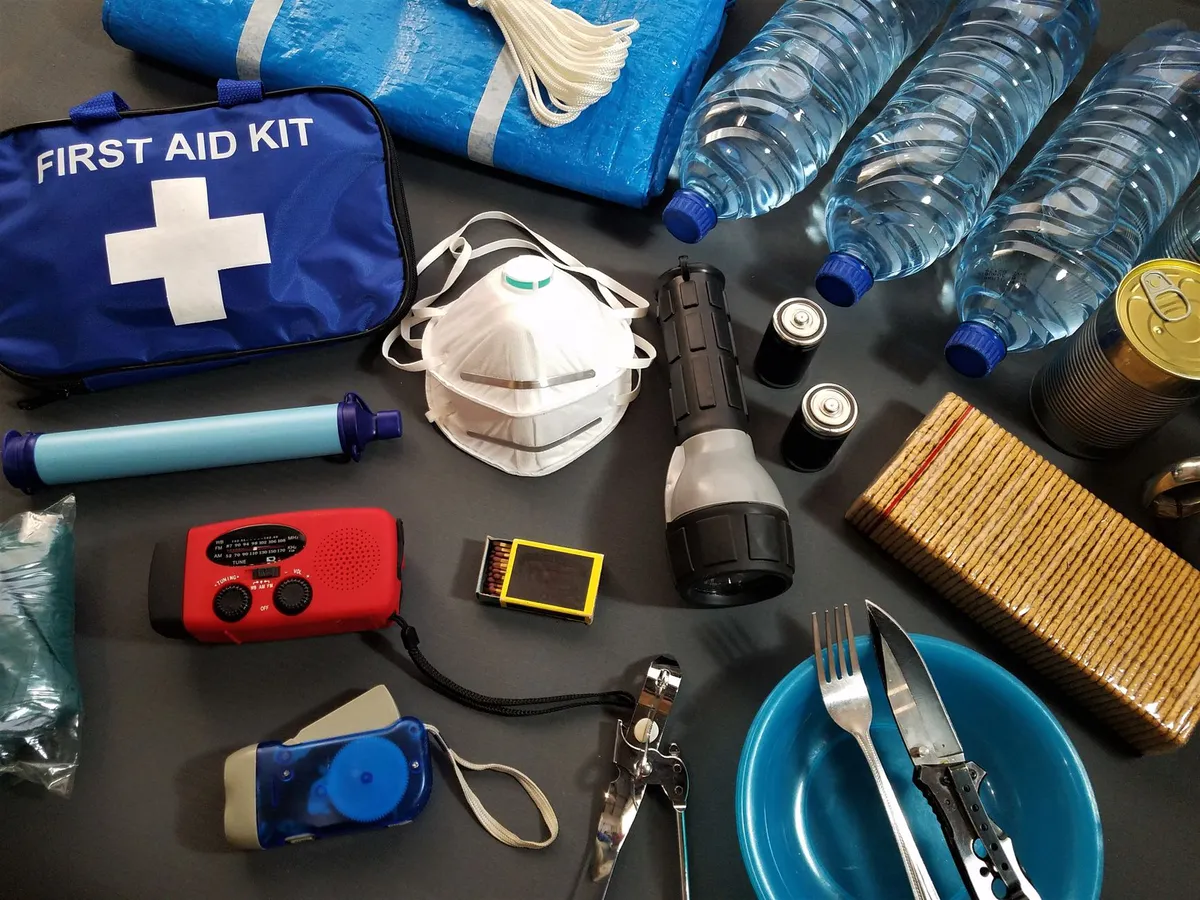
Mike Brennan, director of the US National Hurricane Center, emphasizes the critical nature of lead time in emergency planning. “Even a few hours can make a difference,” he notes. Early warnings allow communities to organize evacuations, stage supplies, and mobilize emergency resources, all of which are essential for effective disaster response. In hurricane forecasting, every minute counts. Traditional forecasting methods, which have taken decades to refine, are now being outpaced by the capabilities of the WeatherNext model.
Overcoming the Challenges of Predicting Hurricanes
Predicting hurricanes is notoriously challenging due to the complex nature of these storms, which operate on multiple spatial scales. For instance, while predicting a storm's trajectory requires global weather data—including the location of cold fronts and prevailing winds—a storm's intensity is influenced by local atmospheric and ocean conditions. Historically, AI models struggled to accurately forecast storm intensity, primarily due to the scarcity of cyclone-specific data.
Ferran Alet, a research scientist at Google DeepMind and lead author of the study, explains that the WeatherNext model was trained using a wealth of general weather data rather than solely cyclone data. This innovative approach has allowed the model to excel in both predicting the path and intensity of storms, which is crucial for understanding the potential impacts of a hurricane.
How WeatherNext Works: A Deep Dive
The WeatherNext model operates by generating a range of possible scenarios for storm development, which helps forecasters understand potential variations in storm behavior. This capability is particularly valuable in capturing the “butterfly effect,” where small changes in a storm's environment can lead to vastly different outcomes.
Scenario Generation and Predictive Power
In its initial iterations, the AI model produced 50 scenarios per storm, but it has since scaled up to generate 1,000 different potential outcomes. This extensive range of predictions allows meteorologists to assess the likelihood of various storm developments and informs their overall forecasting strategies. Kate Musgrave, lead of the tropical cyclone group at the Cooperative Institute for Research in the Atmosphere, notes that such detailed outputs exceed the capabilities of traditional numerical models.
The Human Element in Forecasting
Despite the remarkable advancements offered by the WeatherNext model, experts like Brennan stress that human expertise remains indispensable in interpreting forecasts and translating them into actionable insights. “A hurricane is not just a track or an intensity forecast,” he states. “It requires experts to translate that into what the impacts are going to be—and it’s the impacts that kill people.” The collaboration between AI technology and experienced meteorologists enhances the overall effectiveness of hurricane preparedness and response efforts.
Open Source Initiative: A Collaborative Future
In a move that signifies a commitment to collective improvement in meteorological science, DeepMind has announced the open-sourcing of its WeatherNext models. This initiative allows researchers and scientists worldwide to access, utilize, and refine the forecasting tools, fostering an environment of collaboration and innovation.
Alet expresses optimism about the potential for new scientific discoveries that could emerge from this open-source approach. “I think AI is giving us new tools to poke into the laws of the universe,” he says, suggesting that the insights gained from the WeatherNext model could lead to further advancements in understanding cyclones and extreme weather phenomena.
Key Takeaways
- WeatherNext model: Developed by DeepMind, this AI model enhances hurricane forecasting accuracy.
- Increased lead time: Provides an additional day of advance warning compared to existing models.
- Scenario generation: Produces 1,000 potential storm scenarios, helping forecasters assess risks more effectively.
- Open source: The model is available for researchers, promoting collaboration and innovation in meteorology.
- Human expertise: Remains crucial in interpreting AI-generated forecasts and translating them into actionable responses.
Frequently Asked Questions
What makes the WeatherNext model different from traditional models?
The WeatherNext model integrates AI to analyze both global weather patterns and local atmospheric conditions, allowing it to predict a hurricane’s path and intensity more accurately than traditional models. By using lower-resolution data, it can still capture critical signals about storm behavior, which historically has been a challenge in hurricane forecasting.
How does AI improve hurricane forecasting?
AI improves hurricane forecasting by processing vast amounts of weather data quickly and generating multiple potential scenarios for storm development. This capability allows meteorologists to evaluate a wider range of possibilities and make more informed decisions regarding emergency preparedness and response strategies.
What are the implications of earlier hurricane warnings?
Earlier warnings can significantly enhance disaster preparedness efforts, enabling communities to evacuate, position resources, and mitigate risks associated with hurricanes. This extra lead time can ultimately save lives and reduce property damage during severe weather events.
How can researchers contribute to the WeatherNext model?
By open-sourcing the WeatherNext models, DeepMind invites researchers from around the world to use and improve upon the technology. This collaborative approach encourages innovation and may lead to new insights into hurricane behavior and predictive modeling techniques.
Comments
Situational Awareness Hedge Fund Bets Big on Chip Startup with $400M Investment
Despite recent challenges, Situational Awareness hedge fund makes a bold move by investing $400 million in Source Foundry, a chip startup focused on innovation in manufacturing. This article explores the implications of this investment and the future of AI in semiconductor technology.

Related articles


Popular in Cloud Computing
- SK Hynix's Historic $26.5 Billion IPO: A New Era for Memory Chips
- Kubernetes and the Future of Desktop Infrastructure: A Paradigm Shift
- Amazon Expands Partnership with Nvidia, Tripling GPU Orders Amid AI Demand Surge
- Elon Musk's Evolving Relationship with Anthropic: A New Era for AI Hosting
- Emerging Rocket Launches: A New Era for Space Exploration