SpaceX's Terafab: A Natural Gas Future Amid Solar Ambitions
SpaceX's decision to power its upcoming Terafab semiconductor factory with natural gas raises questions about sustainability and energy strategy. As the tech giant invests billions in new facilities, the implications for the energy sector and the environment are significant.
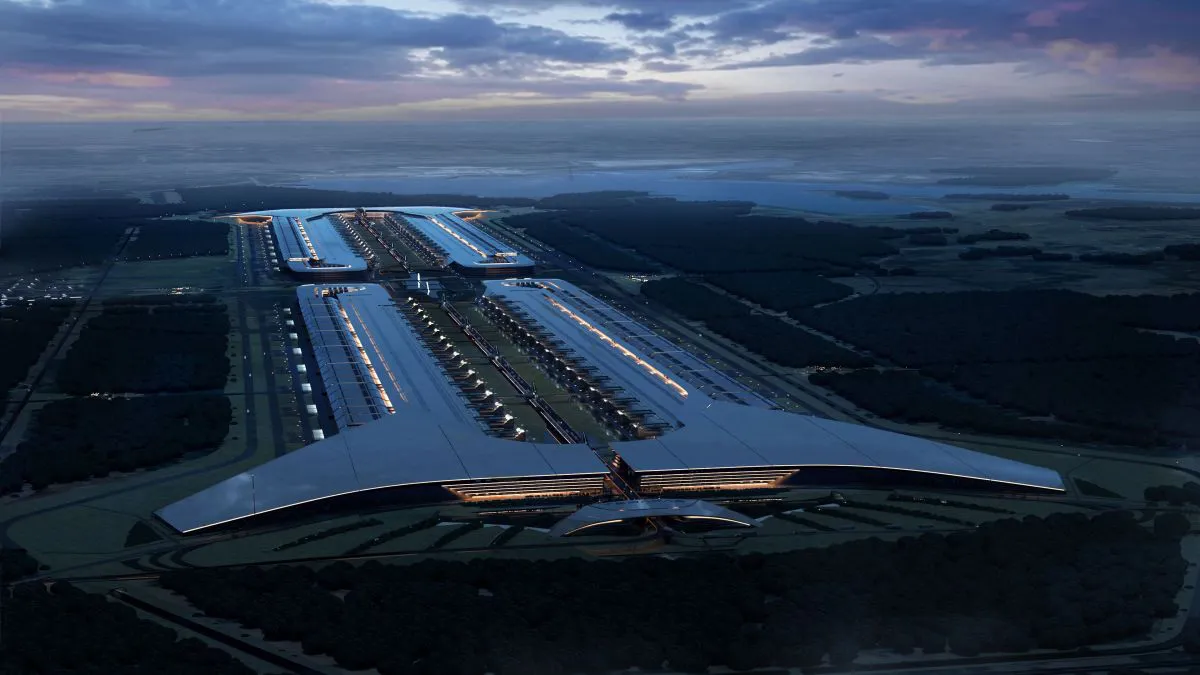
In a surprising move that underscores the complexities of energy planning in the tech industry, SpaceX recently announced it will rely on natural gas power plants for its upcoming Terafab semiconductor factory in Texas. This decision comes even as the company has a well-documented partnership with Tesla, a leader in solar energy solutions. The implications of this choice extend beyond simple energy provisions; they touch on broader themes of sustainability, corporate responsibility, and the future of energy consumption in a rapidly evolving tech landscape.
The announcement was made by Riley Trettel, who leads energy and data center development at SpaceX. During a public meeting, Trettel emphasized the need for SpaceX to “bring our own power” to the Terafab site, which is set to be constructed in Grimes County, about 45 miles northwest of Houston. The facility aims to produce semiconductors for both SpaceX’s operations and its AI subsidiary, xAI, at a projected initial cost of $16.8 billion. This figure, however, is significantly lower than the previously estimated $55 billion, reflecting a strategic pivot to control costs amid rising energy demands.
The Shift to Natural Gas: What’s Behind the Decision?
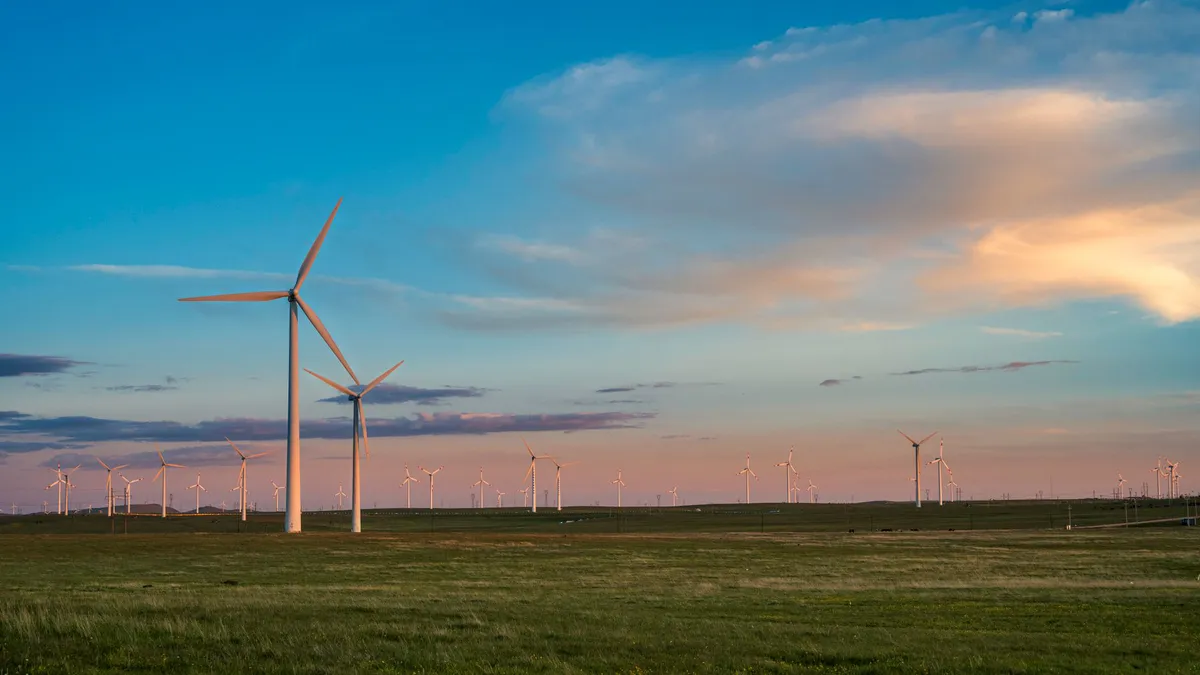
SpaceX's choice to utilize natural gas as the primary energy source for Terafab raises eyebrows, especially considering Elon Musk's investments in renewable energy through Tesla. The lack of mention of solar power in the context of Terafab is particularly striking. While Musk has championed solar technology, recent trends indicate a shift in focus towards fossil fuels. This is not an isolated instance; several tech giants, including Google, Meta, and Microsoft, are also investing heavily in natural gas power plants to support their growing data center needs.
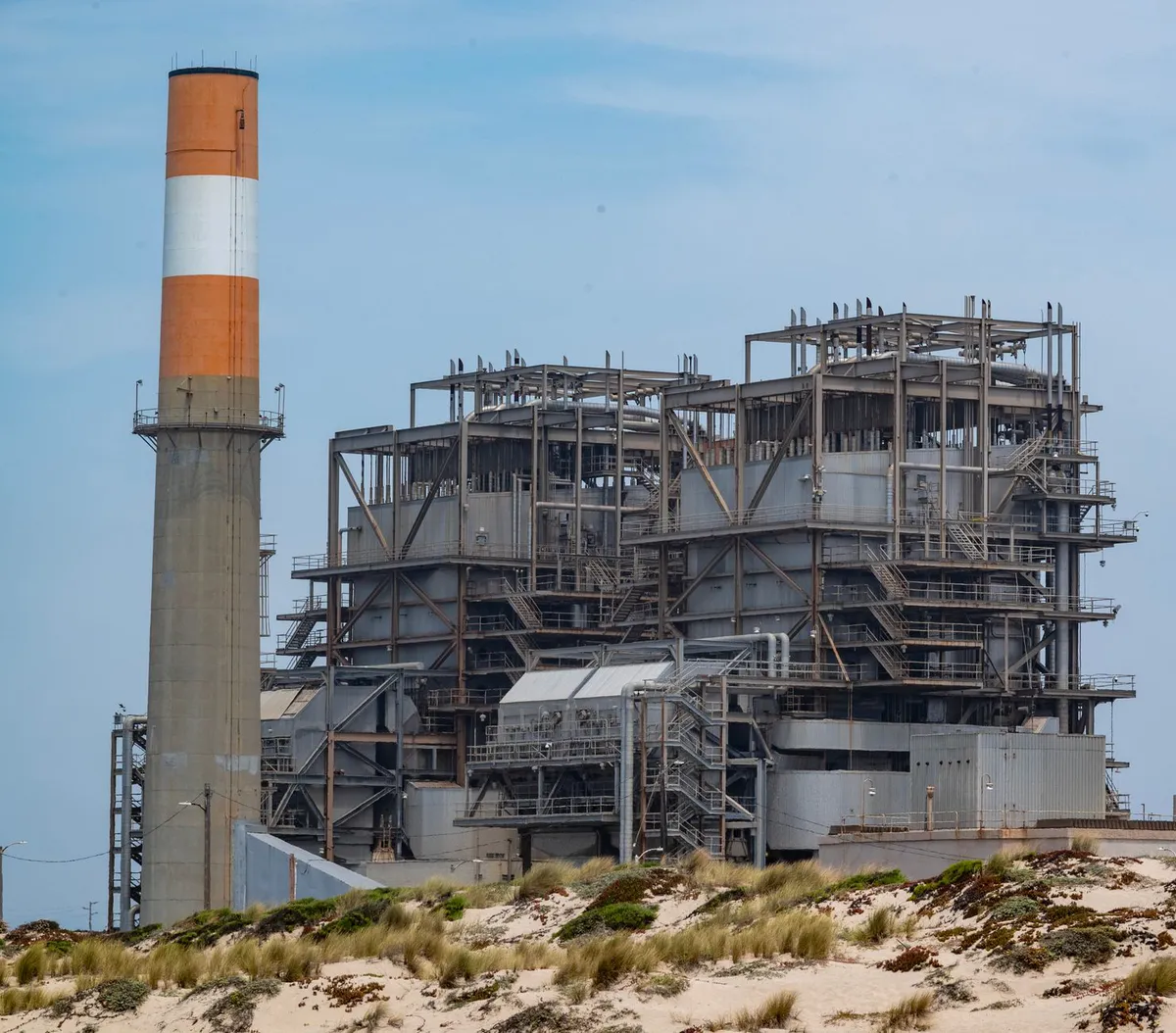
The drive towards natural gas is largely motivated by the rapid expansion of AI and data center operations, which have seen an unprecedented surge in demand. According to industry estimates, the AI data center boom has led to a staggering 66% increase in the costs of constructing natural gas power plants as companies scramble to secure energy resources. In Texas alone, plans for over 70 gigawatts of new natural gas capacity have been proposed, reflecting a broader trend of “bring your own power” strategies that allow companies to take control of their energy sources and mitigate rising electricity costs.
Financial Incentives and Economic Impact
SpaceX's decision to build the Terafab facility is backed by substantial financial incentives from the Texas government, including a $30 million grant in addition to a 100% tax abatement from Grimes County. This agreement mandates SpaceX to invest at least $5 billion by 2030 and create a minimum of 1,800 full-time jobs by 2035. Such incentives are designed to attract large-scale investments that can stimulate local economies and create job opportunities in areas that historically may not have had such robust development.
However, these financial commitments come with significant responsibilities. The operational practices surrounding the energy sources used by the facility will be scrutinized, especially considering the environmental ramifications of natural gas extraction and usage. While natural gas is often touted as a cleaner alternative to coal and oil, it still poses substantial risks, including methane emissions, which are potent greenhouse gases.
The Environmental Considerations
The environmental impact of relying on natural gas for energy is a critical concern in today's climate-conscious world. Despite its reputation as a “bridge fuel” towards a cleaner energy future, natural gas extraction and combustion can lead to significant pollution. In fact, SpaceX's xAI subsidiary has faced legal challenges over its use of unpermitted natural gas turbines in an area known for poor air quality.
As more companies adopt similar energy strategies, the cumulative effect on air quality and greenhouse gas emissions could be profound. The shift towards natural gas could undermine progress made in renewable energy adoption, especially if more companies prioritize immediate cost savings over long-term sustainability. This poses a challenging dichotomy for stakeholders, including environmental advocates, local governments, and the tech companies themselves.
A Broader Industry Trend
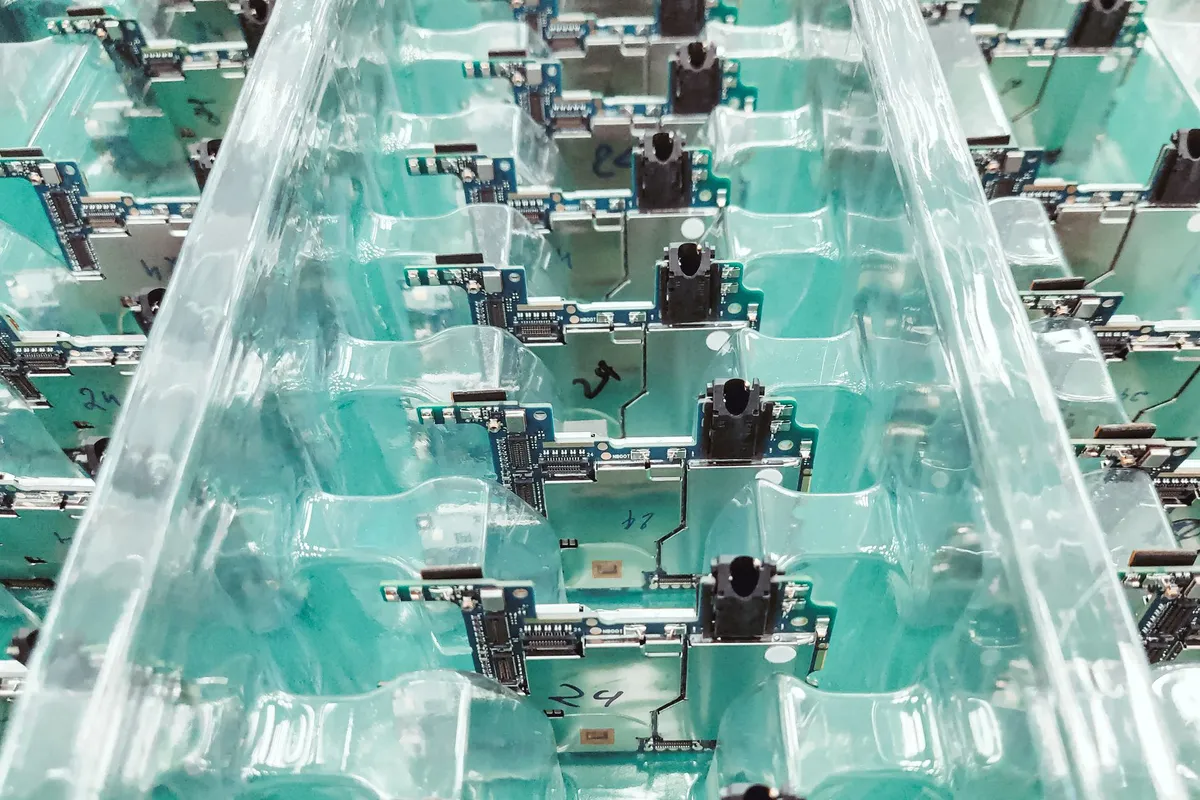
SpaceX is not alone in its pivot towards natural gas. The tech industry has been increasingly focused on securing reliable energy sources to support the burgeoning demand for digital services. The AI revolution is driving a surge in data center construction, with companies racing to build the infrastructure necessary to support advanced machine learning and data analytics capabilities.
However, this trend raises critical questions about energy sourcing and environmental stewardship. As companies like SpaceX and others build new facilities, they must weigh the immediate benefits of natural gas against the long-term impacts on climate change and sustainability. The decision to rely on fossil fuels can be seen as a short-term solution, but it may have lasting consequences for the industry and the planet.
Key Takeaways
- SpaceX's Terafab will use natural gas power plants instead of solar energy, despite Elon Musk's solar investments.
- The facility aims to produce semiconductors for SpaceX and its AI subsidiary, xAI, with an initial cost of $16.8 billion.
- Texas offers substantial financial incentives, including a $30 million grant and a 100% tax abatement.
- The trend towards natural gas is common among tech giants, with rising costs for new power plants.
- Environmental concerns arise from the reliance on fossil fuels, impacting sustainability efforts.
Frequently Asked Questions
Why is SpaceX using natural gas instead of solar energy?
SpaceX's decision to use natural gas for its Terafab facility may stem from immediate operational needs and the high costs associated with energy production. While solar energy aligns with Elon Musk's vision for renewable energy, the rapid growth in demand for power to support data centers has led many tech companies to prioritize reliability and cost-effectiveness, even if that means opting for fossil fuels in the short term.
What are the environmental implications of using natural gas?
Natural gas, while cleaner than coal and oil, still poses significant environmental concerns, particularly related to methane emissions during extraction and combustion. As companies increasingly turn to natural gas to power their operations, the potential for increased pollution and greenhouse gas emissions rises, complicating efforts to combat climate change and achieve sustainability goals.
How does this impact local economies?
The financial incentives provided to SpaceX for building the Terafab facility in Texas are designed to stimulate local economies and create jobs. While the project promises to bring significant investment and employment opportunities, the long-term economic impact will depend on how the facility operates, including its energy sourcing and environmental practices.
Comments
Enhanced Wildfire Tracking with Europe's Copernicus Satellite Service
Europe's Copernicus program has upgraded its satellite service to improve wildfire tracking amidst increasing global wildfire threats. This feature offers detailed visualizations crucial for monitoring and responding to wildfires effectively.

Related articles
Popular in Cloud Computing
- SK Hynix's Historic $26.5 Billion IPO: A New Era for Memory Chips
- Kubernetes and the Future of Desktop Infrastructure: A Paradigm Shift
- Amazon Expands Partnership with Nvidia, Tripling GPU Orders Amid AI Demand Surge
- Elon Musk's Evolving Relationship with Anthropic: A New Era for AI Hosting
- Emerging Rocket Launches: A New Era for Space Exploration