Trump Administration's $4 Billion Offshore Wind Farm Cancellation Explained
The Trump administration has spent nearly $4 billion to cancel offshore wind leases, raising questions about energy policy and environmental implications.
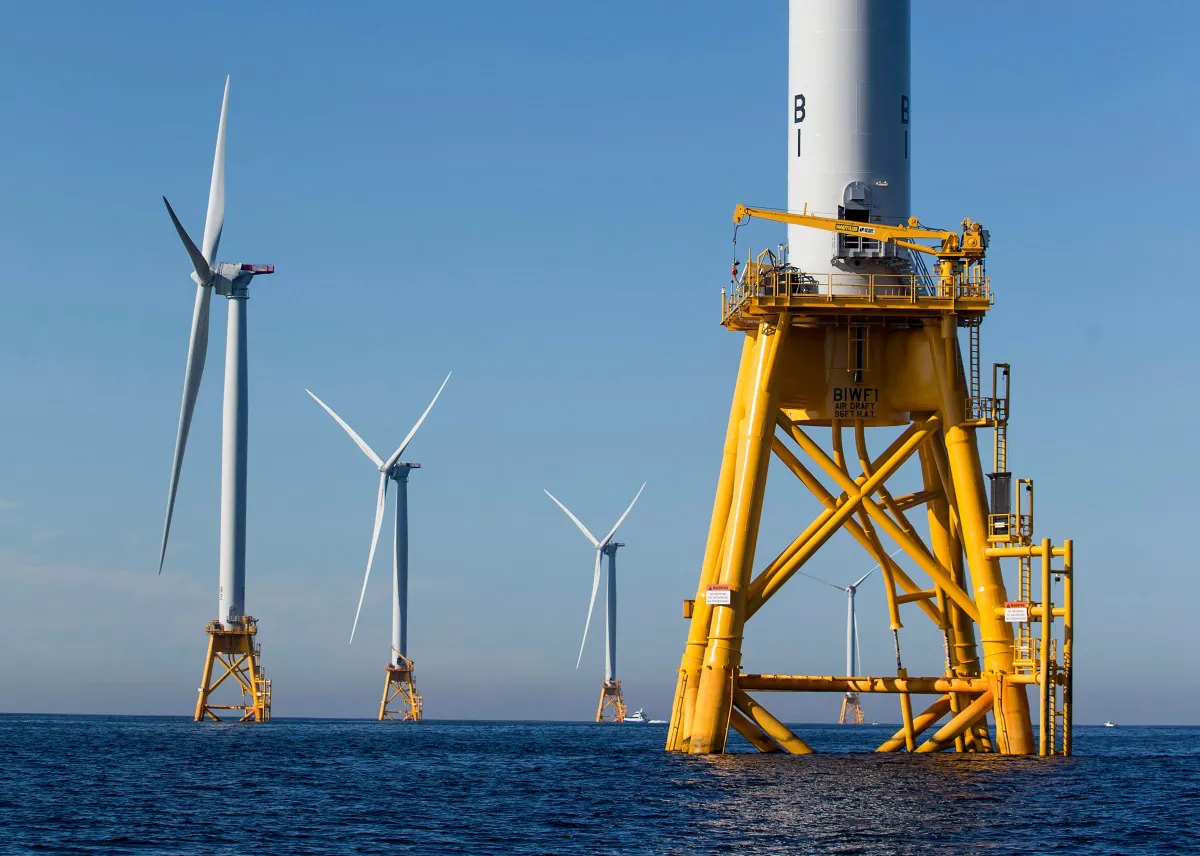
The Trump administration's energy policy has come under scrutiny as it has spent nearly $4 billion to terminate offshore wind leases, a move that raises significant questions about the future of renewable energy in the United States. Recently, the administration allocated an additional $1.2 billion to cancel a lease with German utility, RWE, which was poised to develop wind farms off the coasts of California, Louisiana, and New York. This decision highlights the ongoing struggle between traditional energy sources and the push for renewable energy development in an era increasingly defined by climate change.
Examining the $1.2 Billion Cancellation
The cancellation of RWE's offshore wind project represents a noteworthy chapter in the administration's energy narrative. The $1.2 billion payout includes a substantial $900 million investment by RWE to acquire a stake in a liquid natural gas (LNG) export terminal in Louisiana. This shift from renewable energy to fossil fuels is indicative of a broader trend seen during the administration, prompting concerns among environmentalists and renewable energy advocates.
Impact on Renewable Energy Goals
The New York wind farm, which was projected to generate over 3 gigawatts of clean energy, would have significantly contributed to the state’s goal of increasing renewable energy sources. The cancellation of this project not only undermines state-level renewable energy initiatives but also sends a troubling signal to investors and developers in the clean energy sector. The administration’s actions have effectively discouraged further investment in offshore wind projects, which are crucial for meeting national climate objectives.
Historical Context: The $4 Billion Investment
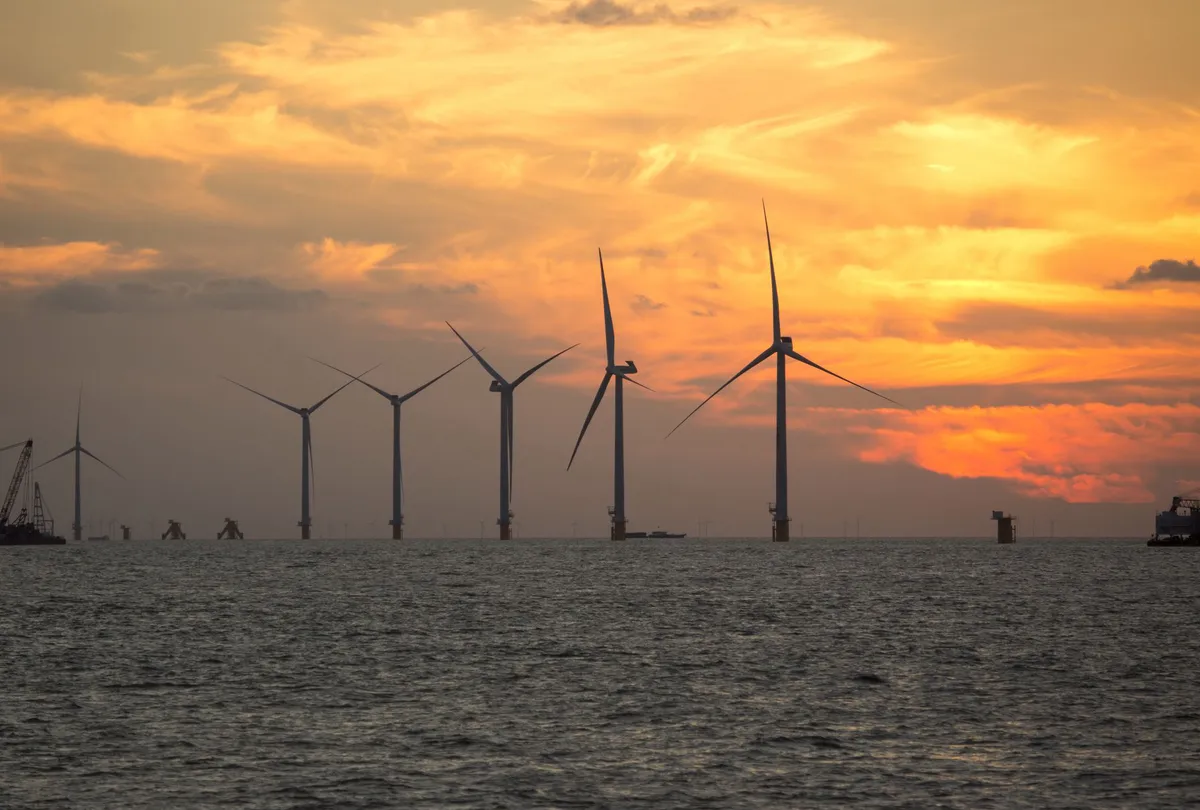
Since taking office, the Trump administration has spent approximately $3.93 billion to entice developers to abandon 12 offshore leases. This series of cancellations raises critical questions about the long-term implications for energy policy in the U.S. The funds expended could have alternatively been directed toward the development of renewable energy projects that align with global trends toward sustainability.
Challenges Facing Renewable Energy Investments
Despite the administration's apparent disinterest in offshore wind, companies like RWE continue to pursue renewable energy opportunities elsewhere. In a recent auction in the U.K., RWE secured 6.9 gigawatts of wind capacity, illustrating that the interest in offshore wind is not waning globally, despite setbacks in the U.S. market. This dichotomy between domestic policy and international investment highlights the competitive nature of the energy sector and the risks of falling behind in the clean energy race.
The Shift to Natural Gas: A Double-Edged Sword
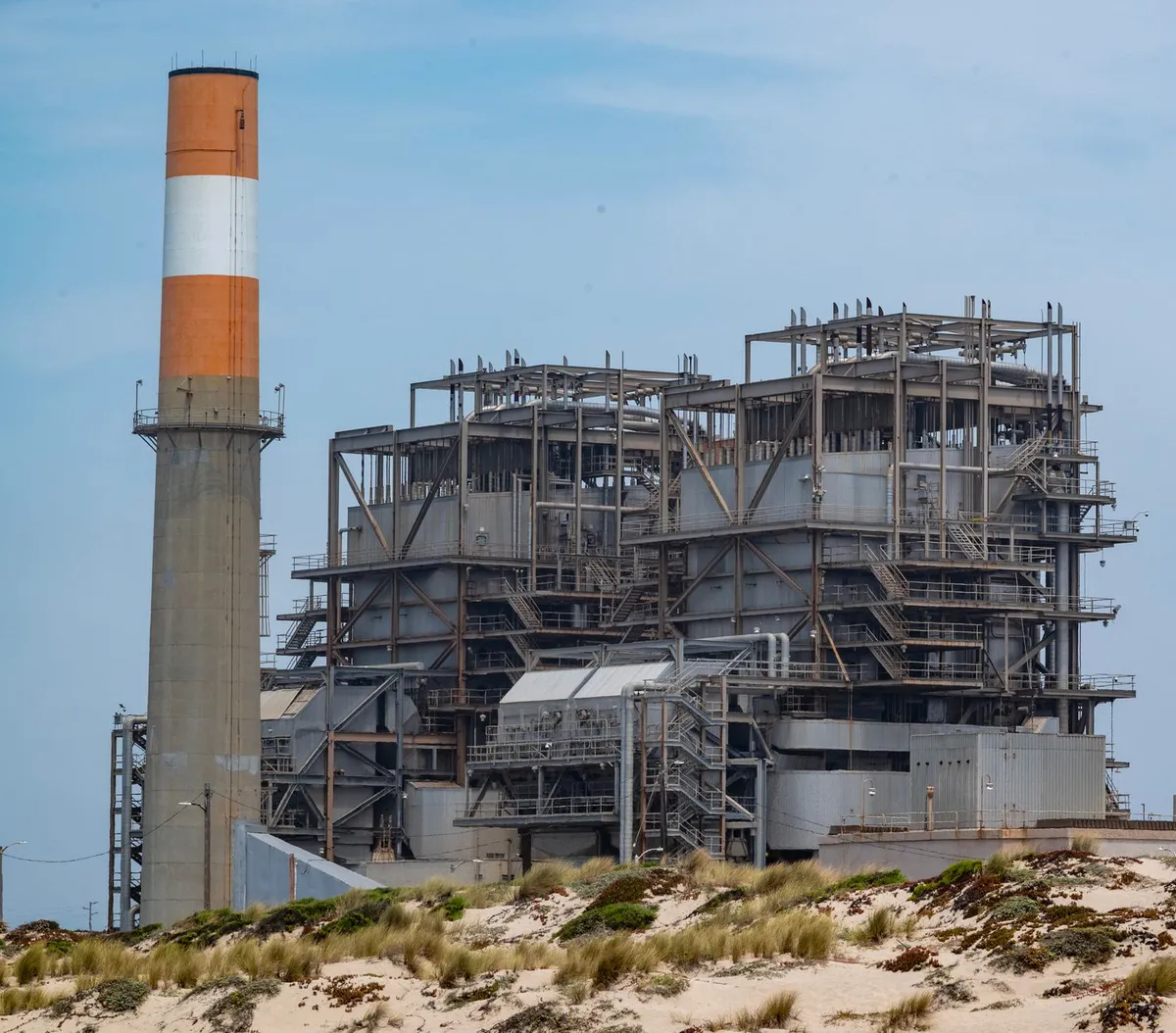
In addition to the cancellation of offshore wind projects, the Trump administration's emphasis on natural gas raises concerns regarding environmental sustainability. The remaining $300 million from the RWE agreement will be allocated toward purchasing natural gas turbines for 15 peaking power plants across the country. Peaking power plants are known for being among the most expensive and polluting natural gas facilities to operate, which contradicts the goals of reducing carbon emissions and transitioning to cleaner energy sources.
Future Implications of Natural Gas Investments
The decision to invest in natural gas infrastructure comes at a time when the backlog for new turbine installations stretches into the early 2030s. This prolonged timeline raises questions about the feasibility and sustainability of relying on natural gas as a bridge fuel. The environmental impact of increased natural gas usage, particularly in the form of methane emissions, poses a significant challenge to the administration's broader energy strategy.

Market Reactions and Investor Sentiment
The reaction from the energy market following these cancellations has been mixed. While traditional energy companies may welcome the shift back toward fossil fuels, investors in the renewable sector are expressing concern. The uncertainty created by the administration's policies can lead to volatility in investment strategies, particularly in a sector that requires long-term planning and stability.
Investor Confidence in Renewable Energy
As we move toward a more environmentally conscious society, investor confidence in renewable energy technologies is crucial. The Trump administration's actions may deter future investments in offshore wind and other renewable projects, potentially stifling innovation and the growth of the clean energy sector. To counteract this trend, policymakers will need to create a more favorable environment for renewable energy investment.
Key Takeaways
- The Trump administration has spent nearly $4 billion to cancel offshore wind projects.
- Recent cancellations include a $1.2 billion termination of a lease with RWE, shifting focus to natural gas.
- The environmental impact of relying on natural gas raises questions about sustainability.
- Investor confidence in the renewable energy sector may decline due to policy uncertainty.
- Global investment in renewable energy continues to grow, even as U.S. policies lag behind.
Frequently Asked Questions
What are the implications of canceling offshore wind projects?
The cancellation of offshore wind projects limits the potential for renewable energy generation in the U.S., undermines state-level goals for clean energy, and sends a negative signal to investors looking to support green initiatives. This could have long-term consequences for the U.S. position in the global energy market.
How does the investment in natural gas affect the environment?
Investing in natural gas, especially through peaking power plants, can lead to increased carbon emissions and environmental degradation. Natural gas facilities are known to be significant sources of methane emissions, which are more potent greenhouse gases compared to carbon dioxide, posing challenges to climate change mitigation efforts.
What is the significance of RWE's investment in the U.K.?
RWE's investment in offshore wind capacity in the U.K. signifies the company's commitment to renewable energy, contrasting sharply with the U.S. market's retreat from such projects. This highlights the disparity in energy policies across different countries and the competitive dynamics of the global clean energy market.
How can policymakers encourage renewable energy investment?
Policymakers can encourage renewable energy investment by creating incentives for clean energy projects, providing clarity and stability in regulations, and fostering public-private partnerships. By aligning policies with global sustainability goals, the U.S. can enhance its attractiveness as a destination for renewable energy investments.
Comments
Enhanced Wildfire Tracking with Europe's Copernicus Satellite Service
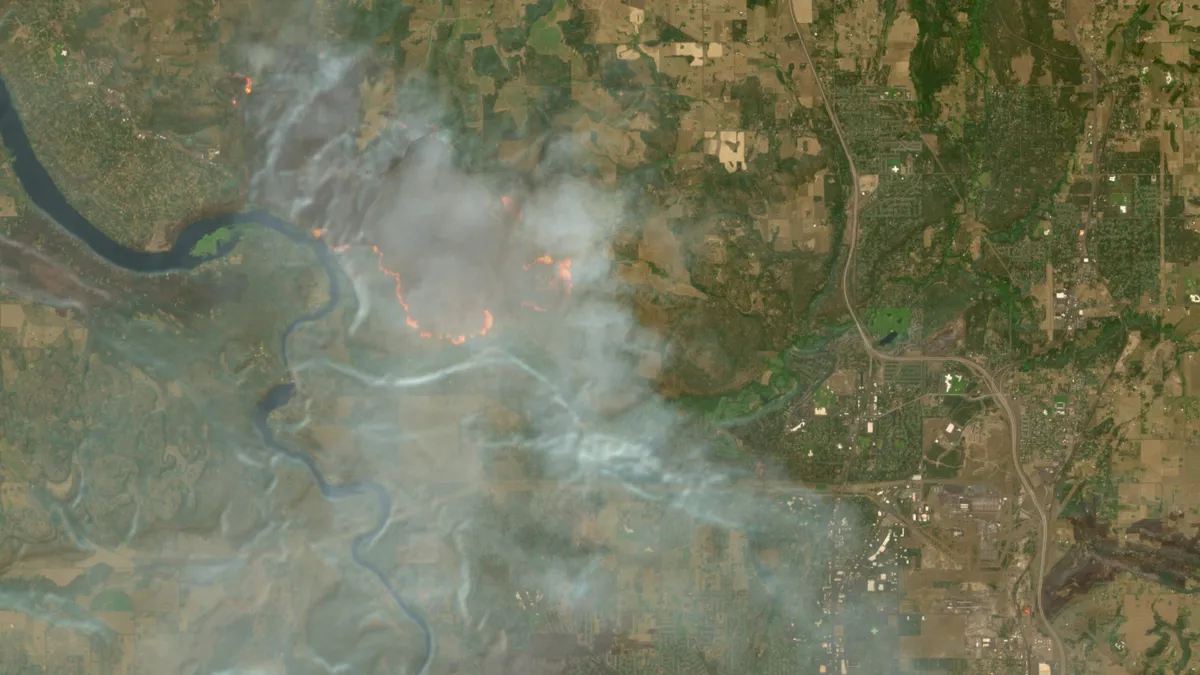
Europe's Copernicus program has upgraded its satellite service to improve wildfire tracking amidst increasing global wildfire threats. This feature offers detailed visualizations crucial for monitoring and responding to wildfires effectively.
Related articles
Popular in Cloud Computing
- SK Hynix's Historic $26.5 Billion IPO: A New Era for Memory Chips
- Kubernetes and the Future of Desktop Infrastructure: A Paradigm Shift
- Amazon Expands Partnership with Nvidia, Tripling GPU Orders Amid AI Demand Surge
- Elon Musk's Evolving Relationship with Anthropic: A New Era for AI Hosting
- Emerging Rocket Launches: A New Era for Space Exploration