Blue Origin's New Glenn Rocket: Investigating the Path to Recovery
Blue Origin is making strides in understanding the root cause of the recent New Glenn rocket failure. As the company pushes for a swift recovery, the implications for the space industry are significant.

On May 28, 2026, the aerospace community held its breath as Blue Origin's New Glenn rocket experienced a catastrophic failure during a hot-fire test at Cape Canaveral Space Force Station in Florida. The incident resulted in a massive fireball that destroyed not only the rocket but also significant infrastructure at the launch site. As the dust settles, Blue Origin has begun to provide crucial insights into the causes of the accident, revealing that the anomaly originated from the main oxygen valve of one of the BE-4 engines powering the first stage of the rocket. This development has significant implications for Blue Origin's future and the broader landscape of commercial spaceflight.
In a recent update, Blue Origin's Chief Executive Officer, Dave Limp, confirmed ongoing investigations into the incident and emphasized the company’s commitment to transparency. The announcement provides a glimpse into the seriousness with which Blue Origin is approaching the situation, especially under the watchful eyes of stakeholders eager for a swift resolution. As the company races against time to return New Glenn to the launch pad, it faces a complex interplay of technical challenges and ambitious deadlines.
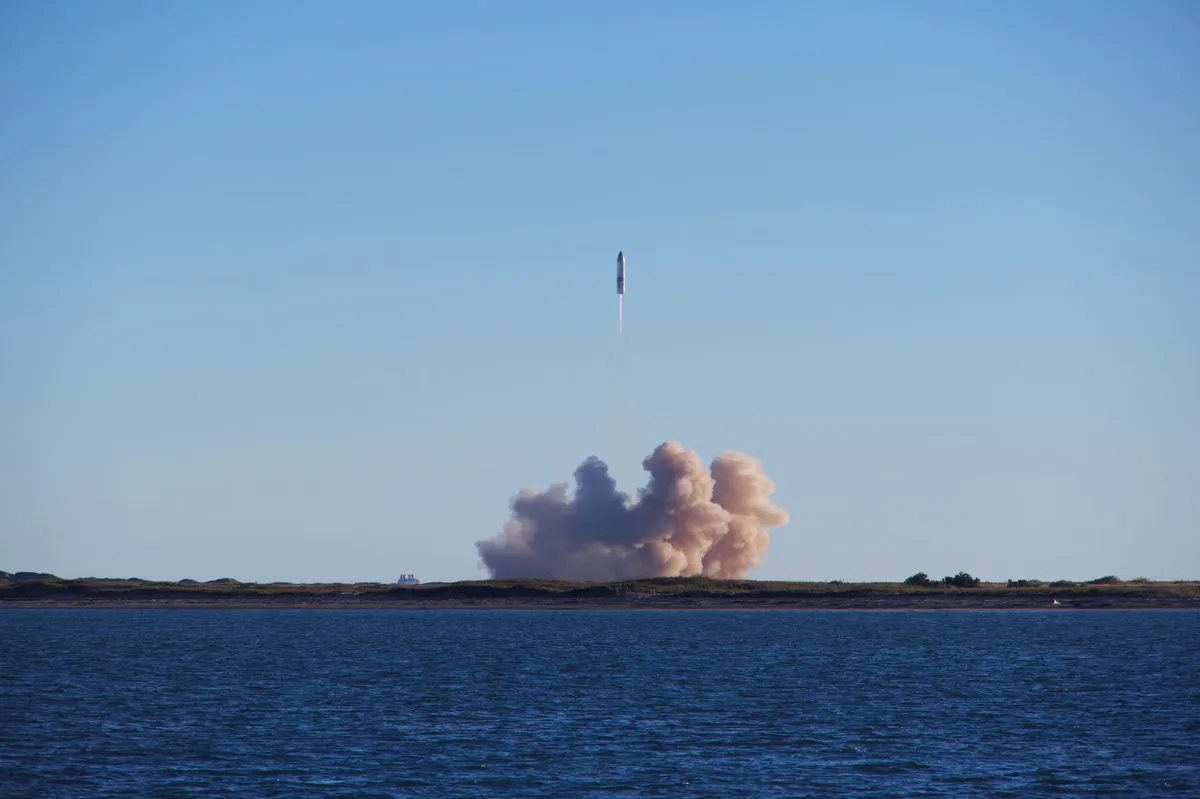
Understanding the Incident: What Happened?
The catastrophic failure of the New Glenn rocket can be traced back to a critical failure in one of its BE-4 engines. Blue Origin's preliminary investigation pointed to the main oxygen valve as the source of the anomaly. “Extensive component-level and engine hotfire tests have been conducted to understand the failure mode better and inform mitigations,” Limp noted, highlighting the rigorous testing protocols being employed to ascertain the root cause of the malfunction.
During a hot-fire test, the rocket's engines are ignited while still on the ground, allowing engineers to assess performance and functionality. Such tests are crucial for identifying potential issues before a rocket is launched into space. The fact that the failure occurred during this phase underscores the importance of thorough pre-launch assessments.
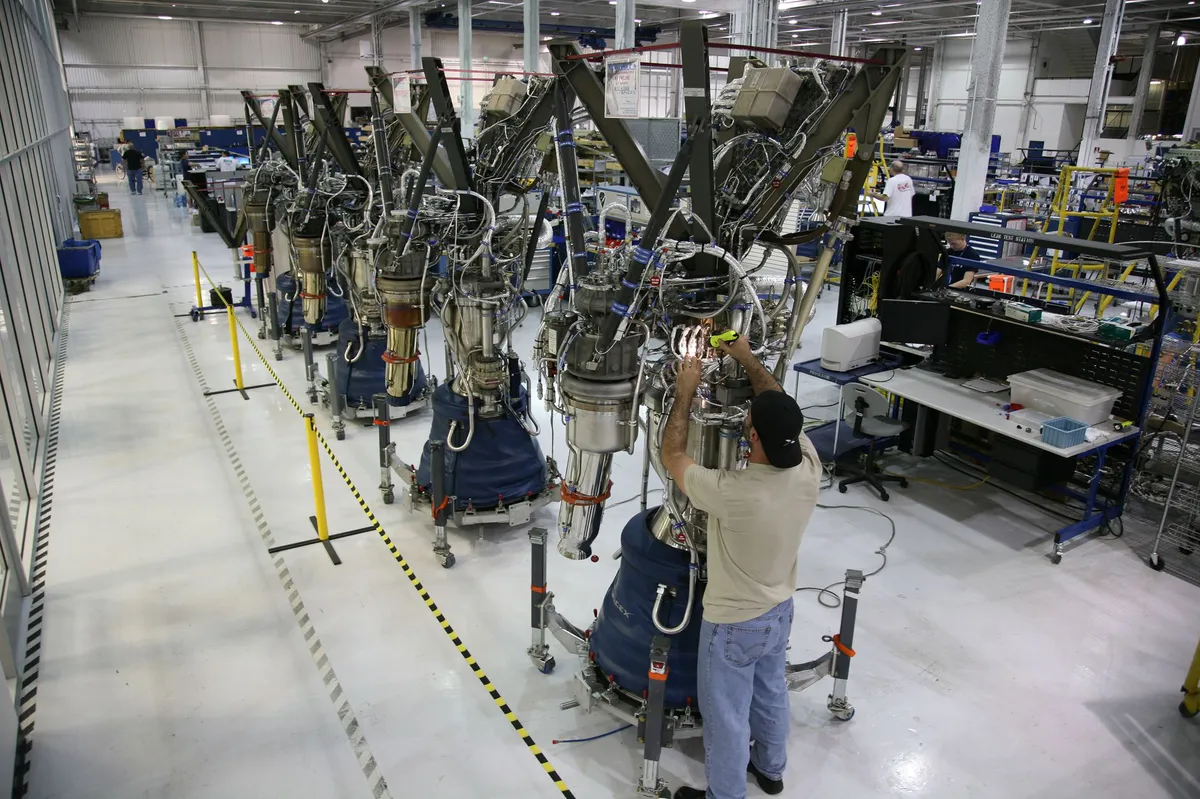
Current Investigative Efforts
As of now, the exact root cause of the anomaly remains unidentified. Blue Origin has made it clear that while they have identified the source of the failure, further investigation is needed to prevent future occurrences. The company is currently involved in a fault tree analysis, a systematic method for identifying potential failures within a system. This approach will aid engineers in understanding how the failure might have occurred and how such incidents can be prevented in the future.
In parallel, Blue Origin is implementing modifications to the problematic valves, which are designed to be quickly retrofitted onto existing BE-4 engines. This proactive measure aims to expedite the recovery process and minimize downtime. The company has committed to having the updated hardware ready within weeks, demonstrating a sense of urgency that is crucial for meeting their ambitious timeline.
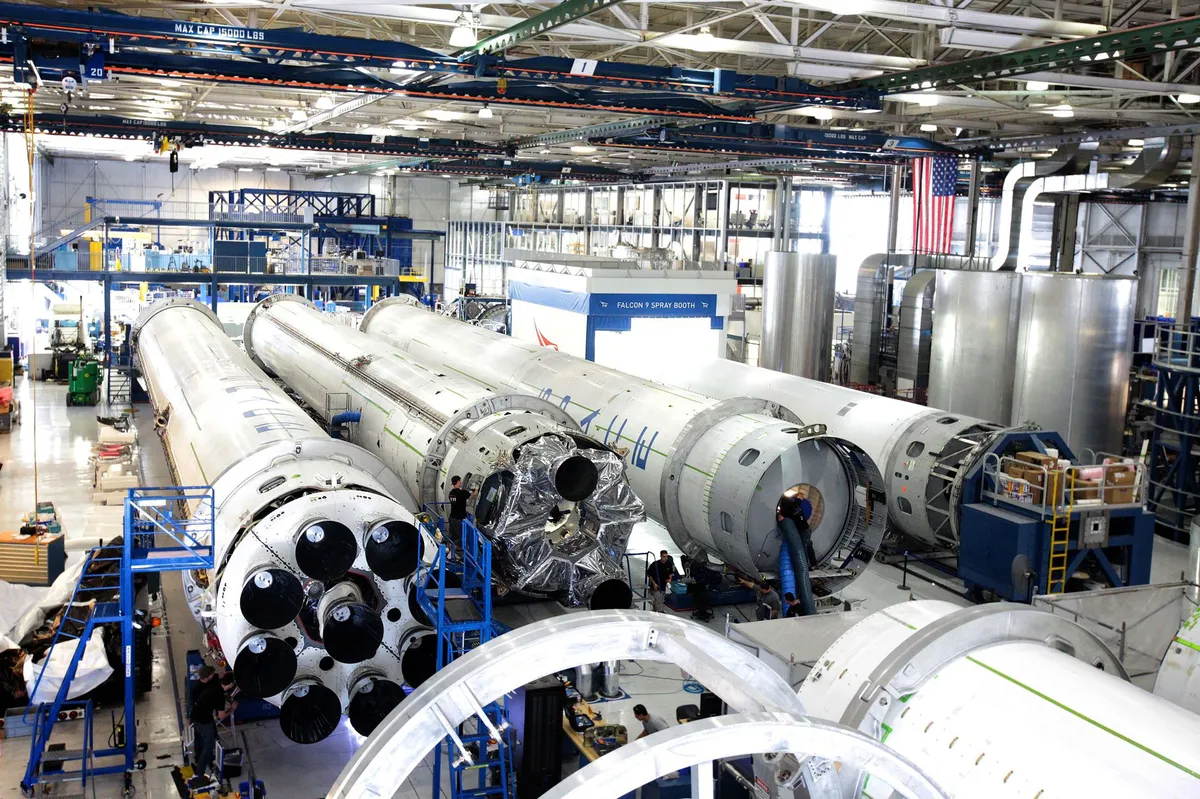
The Road Ahead: Ambitious Timelines and Future Missions
Despite the recent setback, Blue Origin is determined to have the New Glenn rocket flying again before the end of the year. This goal is particularly significant not only for the company but also for the entire commercial space sector, which is increasingly reliant on robust alternatives to SpaceX's Falcon 9 rocket. The Falcon 9 has become a dominant player in the launch market, and the lack of competition has placed pressure on companies like Blue Origin to expedite their operations.
Jeff Bezos, the founder of Blue Origin, has made it clear that he wants to see the New Glenn rocket operational as soon as possible. This urgency is echoed by Tory Bruno, President of National Security for Blue Origin, who mentioned that the next flight of New Glenn could carry the company’s “Blue Ring” spacecraft, which is currently in its final build phase.
However, the timeline for returning to flight status appears optimistic. Historically, the aerospace industry has faced delays due to technical complexities and regulatory hurdles. Given this context, it remains to be seen whether Blue Origin can meet its ambitious end-of-year target.
Implications for NASA and the Commercial Space Industry
The New Glenn rocket is not merely a project for Blue Origin; it is pivotal to NASA's lunar ambitions under the Artemis program. The Artemis program aims to establish a sustainable human presence on the Moon by the end of the decade, and reliable launch vehicles like New Glenn are integral to achieving this goal. Any delays in the New Glenn project could have ripple effects throughout the space exploration timeline.
Moreover, the increasing difficulty in procuring Falcon 9 launches has underscored the pressing need for a diverse range of launch options in the commercial space sector. Blue Origin’s ability to deliver reliable launches will be critical for other companies seeking to deploy satellites, conduct research missions, or support governmental space initiatives.
Key Takeaways
- Incident Overview: A catastrophic failure of Blue Origin's New Glenn rocket occurred during a hot-fire test, linked to a main oxygen valve issue.
- Ongoing Investigations: Blue Origin is conducting extensive testing and fault tree analysis to identify the root cause of the anomaly.
- Urgency and Optimism: The company aims to have the New Glenn rocket flying again before the end of the year, with rapid modifications underway.
- Significance: New Glenn is essential for NASA's lunar program and the broader commercial space sector's need for reliable launch alternatives.
Frequently Asked Questions
What caused the New Glenn rocket failure?
The failure of the New Glenn rocket was initially linked to a malfunction in the main oxygen valve of one of its BE-4 engines during a hot-fire test. Blue Origin is currently conducting further investigations to determine the precise root cause of the anomaly and ensure it does not recur.
What steps is Blue Origin taking to address the issue?
Blue Origin is implementing modifications to the oxygen valves on the BE-4 engines, which can be retrofitted quickly to existing hardware. The company is also conducting extensive tests and fault tree analyses to gain a comprehensive understanding of the failure and mitigate future risks.
How does the New Glenn rocket fit into NASA's plans?
The New Glenn rocket is a key component of NASA's Artemis program, which aims to establish a sustainable human presence on the Moon. Its successful deployment will support a variety of missions essential for lunar exploration and development.
What is the timeline for the New Glenn rocket's return to flight?
Blue Origin is aiming to return the New Glenn rocket to flight by the end of 2026. However, given the complexities involved in addressing the technical issues and the historical context of aerospace delays, this timeline may be subject to adjustments.
Comments
Anthropic's Bold Move: Designing Custom Hardware for AI Models
Anthropic is taking a significant step in AI development by designing its own hardware to power its Claude models, reducing reliance on Nvidia and increasing performance. This article explores the implications of this decision and its impact on the competitive landscape of AI.

Related articles

Popular in Cloud Computing
- SK Hynix's Historic $26.5 Billion IPO: A New Era for Memory Chips
- Kubernetes and the Future of Desktop Infrastructure: A Paradigm Shift
- Amazon Expands Partnership with Nvidia, Tripling GPU Orders Amid AI Demand Surge
- Elon Musk's Evolving Relationship with Anthropic: A New Era for AI Hosting
- Emerging Rocket Launches: A New Era for Space Exploration