Anthropic's Bold Move: Designing Custom Hardware for AI Models
Anthropic is taking a significant step in AI development by designing its own hardware to power its Claude models, reducing reliance on Nvidia and increasing performance. This article explores the implications of this decision and its impact on the competitive landscape of AI.

In a significant shift within the artificial intelligence landscape, Anthropic, the AI research company co-founded by former OpenAI executive Dario Amodei, is embarking on an ambitious project to design its own chips for powering its AI models, specifically the Claude series. This decision not only reflects a growing trend among AI companies to reduce dependence on Nvidia's hardware but also highlights the competitive pressures and operational challenges that are reshaping the AI ecosystem. By investing in custom silicon development, Anthropic aims to enhance the performance and scalability of its models, positioning itself more favorably against rivals like OpenAI and Google.
The announcement of Anthropic's plans comes on the heels of a job listing for a senior engineer specializing in semiconductor design, indicating the company's commitment to building an in-house custom silicon team. A spokesperson for Anthropic confirmed the initiative, stating that while the company will pursue a multi-chip strategy—utilizing both proprietary and third-party hardware—this marks a critical pivot towards self-sufficiency in AI infrastructure.
The Landscape of AI Hardware Development
As AI technology matures, the reliance on established hardware providers like Nvidia has raised concerns about strategic vulnerabilities. With Nvidia's dominance in the GPU market, many AI companies have found themselves at the mercy of pricing and availability dictated by a single player. This dependence has become increasingly untenable as demand for AI capabilities continues to surge, creating a pressing need for alternatives. In response, companies like Anthropic are exploring custom hardware solutions that promise greater control over performance and cost.
Competitive Dynamics
The race to develop proprietary hardware is not unique to Anthropic. OpenAI has also joined the fray with its custom chip, Jalapeño, designed specifically for large language model inference in data centers, developed in partnership with Broadcom. Similarly, Google has been running its AI models on custom-designed hardware for several years now, while Meta has launched its own chips. Other companies, such as Mistral, are reportedly considering similar strategies. This trend underscores a broader industry movement towards vertical integration, where companies aim to control more aspects of their technology stack.
- Reducing Dependence: Custom hardware reduces reliance on Nvidia, addressing potential supply chain vulnerabilities.
- Performance Optimization: Tailored chips can lead to improved performance for specific AI models.
- Competitive Advantage: Companies that control their hardware may gain a significant edge in the crowded AI market.
The Benefits of Custom Silicon
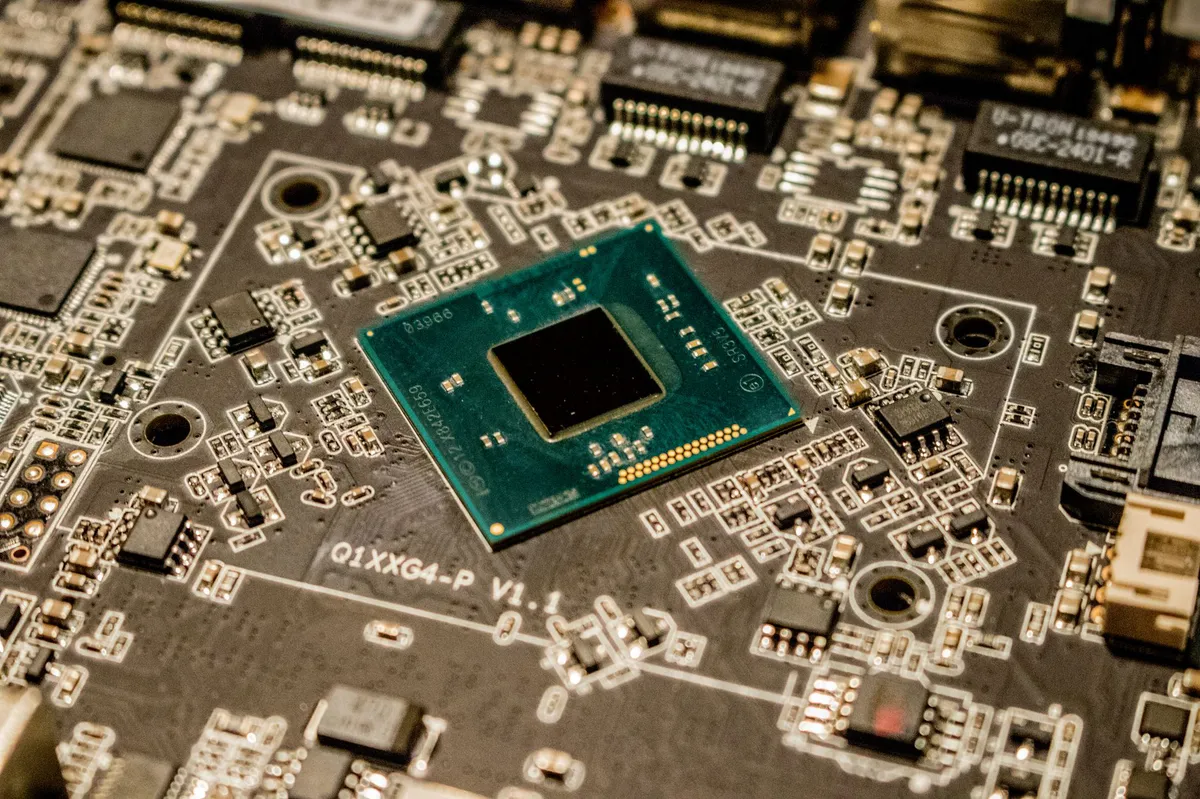
Designing custom silicon offers several advantages that can enhance the performance of AI models. When hardware is specifically tailored to the unique requirements of AI algorithms, it can lead to optimizations that improve processing speed, efficiency, and energy consumption. By co-designing hardware with its AI models, Anthropic aims to create a symbiotic relationship that maximizes performance gains.
Enhanced Efficiency
One of the primary benefits of custom silicon is enhanced efficiency. Traditional hardware solutions often require compromises that can limit the performance of AI models. For instance, general-purpose GPUs may not be optimized for the specific computational tasks that AI models demand, leading to inefficiencies. Custom chips, on the other hand, can be designed with dedicated components for tasks such as matrix multiplications, which are fundamental to deep learning operations.
Cost Considerations
While the upfront costs of developing custom hardware can be significant, the long-term savings may outweigh these initial investments. By reducing dependency on third-party suppliers and potentially lowering operational costs over time, companies like Anthropic could realize substantial financial benefits. A typical high-performance Nvidia GPU can cost between $1,500 and $3,000, and as demand increases, these prices could rise further. Custom chips could mitigate such expenses, particularly as AI workloads continue to scale.
Challenges Ahead for Anthropic
Despite the potential benefits of custom hardware, there are considerable challenges that Anthropic must navigate. The semiconductor industry is notoriously complex and competitive, requiring significant expertise and resources. Building a capable in-house team will be crucial, as will establishing partnerships with experienced manufacturing firms.
Talent Acquisition
Anthropic's current efforts to hire a custom silicon team reflect the urgency of assembling the right talent for this initiative. The company is looking for professionals with experience in semiconductor design and engineering, which is critical for ensuring that its hardware meets the necessary performance standards. As the demand for AI capabilities surges, competition for skilled talent in this area is intensifying, making recruitment a challenging endeavor.
Time to Market
Furthermore, developing and deploying custom silicon is a time-consuming process. It can take years from the initial design phase to the production of functional chips. Given the rapid pace of innovation in AI, any delays could put Anthropic at a disadvantage compared to competitors who are already advancing their own hardware solutions.

Market Implications of Custom Hardware Development
Anthropic's decision to design its own hardware is poised to have significant implications for the broader AI market. As more companies pursue similar strategies, the landscape is likely to shift towards greater commoditization of AI capabilities, with proprietary hardware becoming a key differentiator. This could lead to a fragmentation of the market, as companies develop specialized solutions tailored to their specific needs and customer demands.
Shifts in Competitive Landscape
With the potential for enhanced performance and efficiency, AI companies that invest in custom hardware may find themselves in a stronger position to attract clients and partners. For instance, as smaller businesses and developers seek to implement AI solutions, the ability to offer optimized hardware could be a compelling selling point. This, in turn, could foster an ecosystem where companies leverage unique hardware capabilities to create innovative applications.
Future of AI Development
As the AI industry continues to evolve, the development of custom hardware is likely to play a pivotal role in shaping the future of technology. Companies that are proactive in designing chips that cater to their specific needs will not only enhance their operational efficiency but also gain a competitive edge in an increasingly crowded market.
Key Takeaways
- Anthropic is designing its own hardware to reduce reliance on Nvidia and enhance AI model performance.
- The trend of custom silicon development is gaining momentum among major AI companies, including OpenAI and Google.
- Custom hardware can lead to increased efficiency and long-term cost savings.
- Challenges include recruiting skilled talent and navigating the complex semiconductor industry.
- The shift towards proprietary hardware may reshape the competitive landscape of AI.
Frequently Asked Questions
What does custom silicon mean for AI companies?
Custom silicon refers to hardware specifically designed to optimize performance for particular applications, such as AI models. By developing their own chips, AI companies can achieve better performance, efficiency, and potentially lower costs compared to relying on off-the-shelf hardware from suppliers like Nvidia. This allows them to tailor their infrastructure to meet their unique operational needs.
How will this impact the AI marketplace?
The move towards custom silicon is likely to lead to increased competition among AI companies, as those with proprietary hardware may gain a significant advantage in performance and cost-effectiveness. This could result in a more fragmented marketplace where companies differentiate themselves based on their hardware capabilities, potentially leading to innovations in AI applications and services.
What are the risks associated with developing custom hardware?
One of the primary risks includes the high upfront costs and the complexity involved in semiconductor design and manufacturing. Additionally, there is a time-to-market challenge, as developing custom chips can take several years. If a company fails to execute effectively, it could fall behind competitors who are already leveraging advanced hardware solutions.
Why are AI companies moving away from Nvidia?
The shift away from Nvidia stems from the growing concern over dependency on a single supplier for critical hardware. As demand for AI capabilities surges, relying on Nvidia's products can create supply chain vulnerabilities and pricing pressures. By pursuing custom silicon, companies aim to gain more control over their hardware infrastructure and mitigate these risks.
Comments
Blue Origin's New Glenn Rocket: Investigating the Path to Recovery
Blue Origin is making strides in understanding the root cause of the recent New Glenn rocket failure. As the company pushes for a swift recovery, the implications for the space industry are significant.

Related articles

Popular in Cloud Computing
- SK Hynix's Historic $26.5 Billion IPO: A New Era for Memory Chips
- Kubernetes and the Future of Desktop Infrastructure: A Paradigm Shift
- Amazon Expands Partnership with Nvidia, Tripling GPU Orders Amid AI Demand Surge
- Elon Musk's Evolving Relationship with Anthropic: A New Era for AI Hosting
- Emerging Rocket Launches: A New Era for Space Exploration