Can Ford's Fathom EV Pickup Revive Its Legacy?
Ford's new Fathom EV pickup aims to tap into the growing compact truck market, but can it match the success of its iconic predecessors? This article explores the challenges and opportunities ahead.

Ford Motor Company, a name synonymous with American automotive innovation, is at a pivotal moment in its storied history. The company has long depended on breakout hits like the Model T and the Taurus to drive its sales and shape its brand identity. However, the automotive landscape has dramatically shifted, and Ford is now grappling with the challenge of reinvigorating its lineup amid fierce competition, particularly from the burgeoning electric vehicle (EV) market. The recent announcement of the Fathom EV pickup, priced at an appealing $29,945, has generated buzz, but many wonder: is this vehicle enough to reclaim Ford's former glory?
Ford's sales have seen a modest increase of 6% year-over-year, reaching 2.08 million vehicles sold in 2025. Yet, this figure is a stark reminder of how far the brand has fallen since its peak of 4.48 million units sold in 2000. The question remains: can the Fathom, touted by CEO Jim Farley as a potential “Model T moment,” transform Ford's fortunes and establish a new legacy in a market increasingly dominated by electric vehicles?
The Shift Towards Electric Vehicles
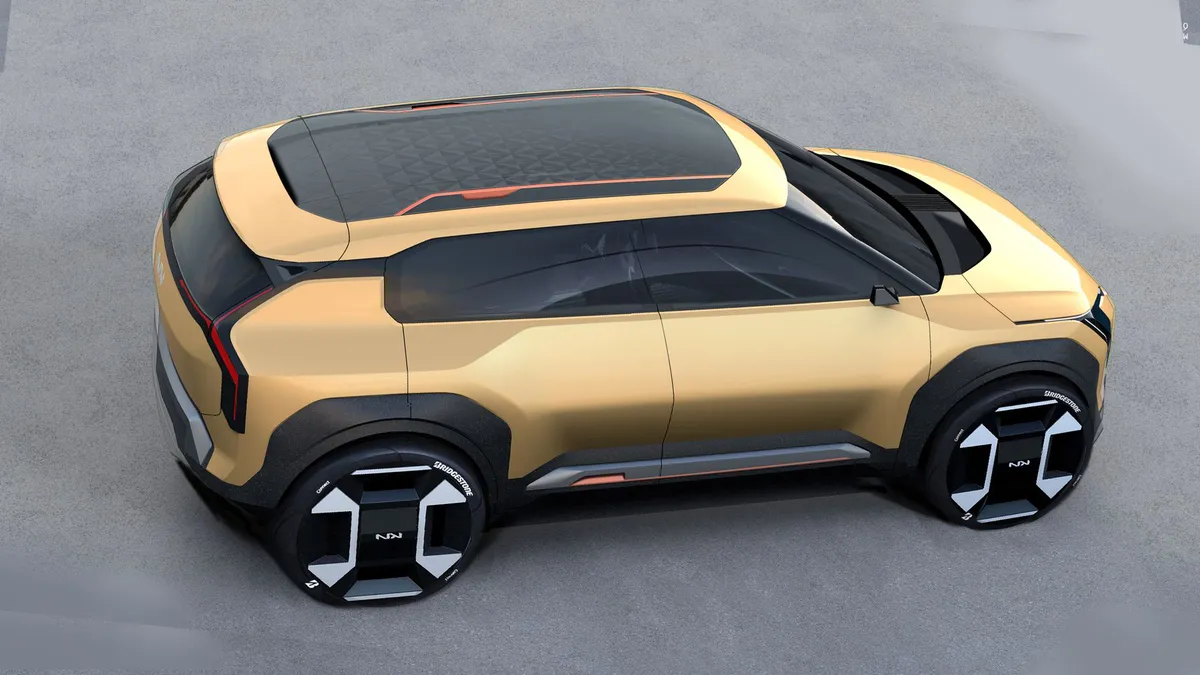
With the global automotive industry undergoing a seismic transition toward electrification, Ford's foray into the EV space with the Fathom is both timely and necessary. The compact pickup segment has remained largely underexplored, with the Ford Maverick, launched in 2021, serving as a test case for consumer interest in smaller trucks. While the Maverick has experienced solid sales of approximately 155,000 units last year, it pales in comparison to the historical sales figures of iconic models like the Taurus, which sold over 400,000 units at its peak in the early 1990s.
Ford's new Fathom EV pickup aims to capitalize on the compact truck market's growth potential while also addressing the increasing demand for electric alternatives. The vehicle's pricing strategy is particularly noteworthy, with a starting price significantly lower than the $50,000 average for new vehicles and the $56,000 average for EVs. This pricing could potentially attract budget-conscious consumers looking for an electric vehicle without the premium price tag.
Understanding the Market Landscape
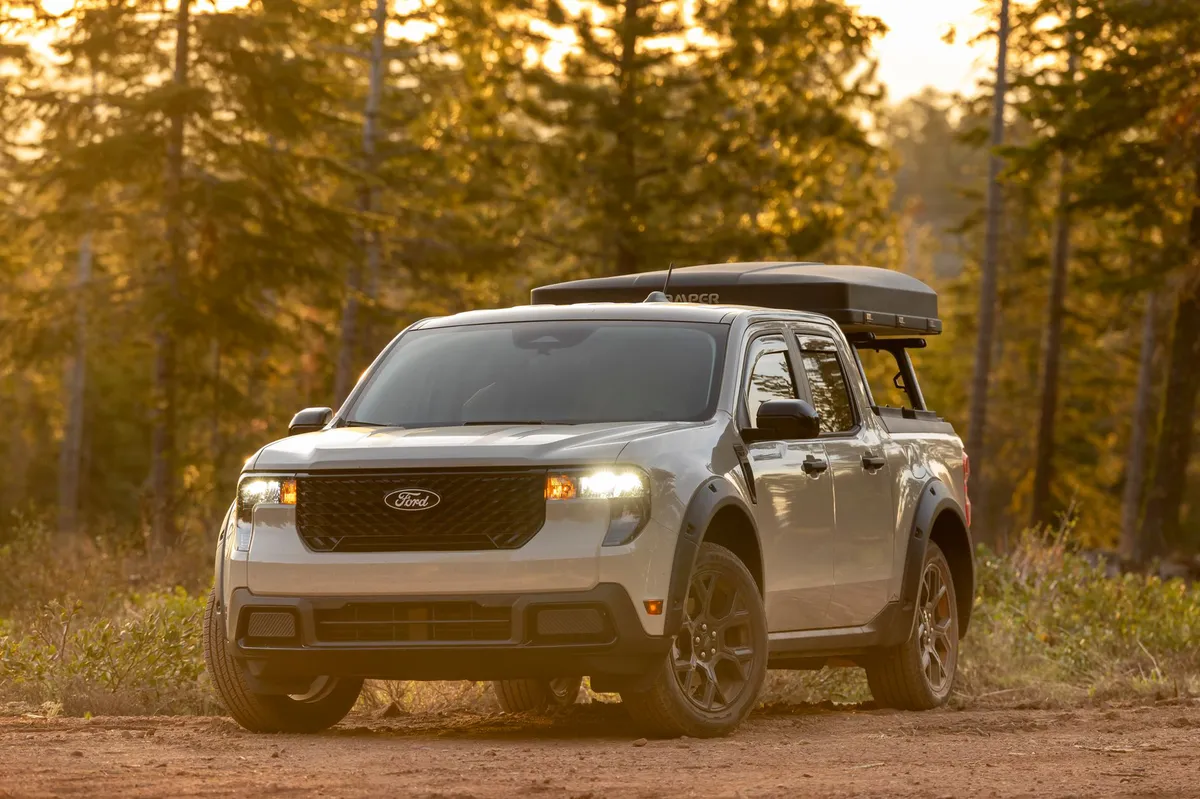
However, Ford's challenges extend beyond pricing. The compact pickup market is still a niche, and despite its growth, it does not approach the popularity of SUVs, which currently dominate over 70% of the market. According to Cox Automotive, only 33% of prospective buyers are interested in pickups, a statistic that highlights the uphill battle the Fathom will face.
Moreover, consumer preferences are shifting more towards SUVs and crossover vehicles, which offer a blend of comfort, space, and utility. The Fathom, while positioned as a compact pickup, may struggle to resonate with consumers whose primary interest lies in rugged, adventure-ready vehicles. The aesthetic appeal of trucks plays a significant role in the buying decision; many consumers are drawn to vehicles that exude a sense of toughness and capability, even if they never venture far from urban environments.
Key Considerations for the Fathom's Success
- Market Positioning: The Fathom needs to make a compelling case to consumers who might not typically consider a pickup.
- Consumer Education: Ford must effectively educate potential buyers about the benefits of an electric pickup, especially those accustomed to traditional gas-powered vehicles.
- Dealer Support: Training and support for dealers are crucial to effectively convey the advantages of the Fathom and overcome consumer hesitancy towards EVs.
- Style and Features: A rugged design and practical features, like the inclusion of a frunk (front trunk), could sway buyers who prioritize aesthetics and utility.
Marketing and Consumer Engagement Strategies
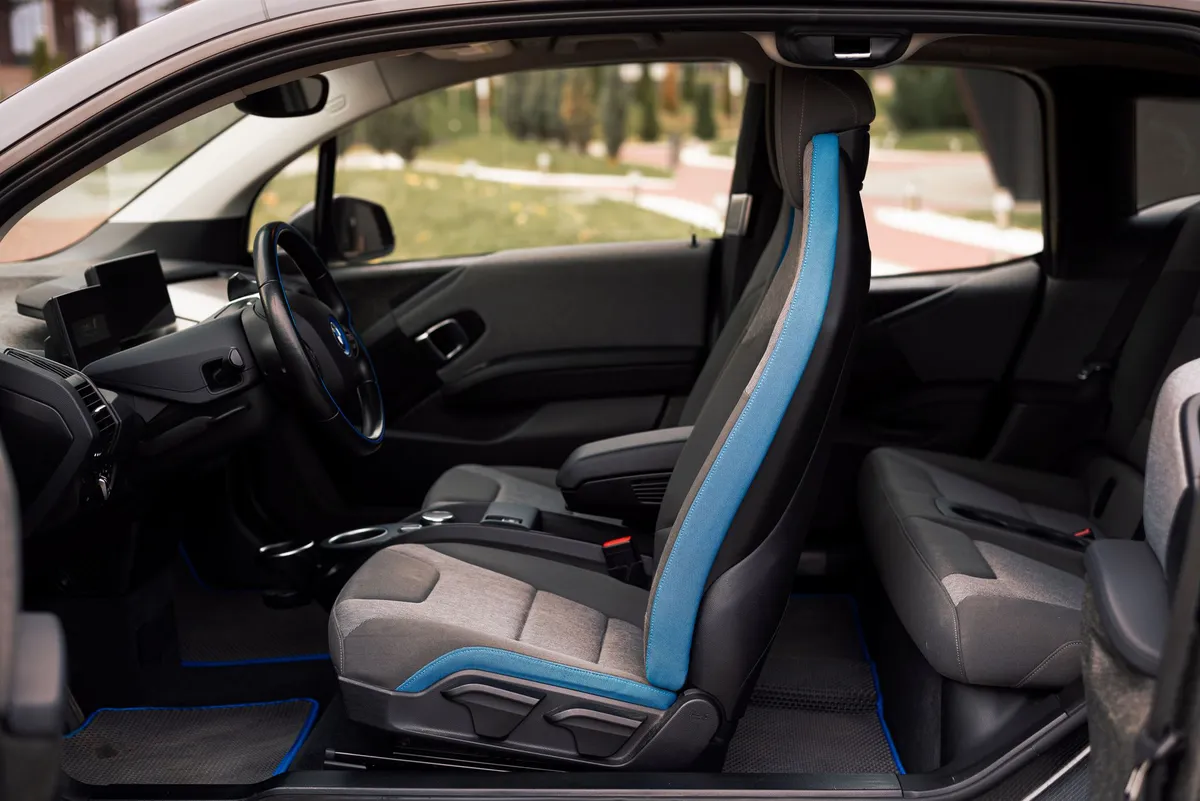
To navigate the complexities of the evolving automotive landscape, Ford must adopt robust marketing strategies to promote the Fathom. The company has the opportunity to leverage its existing customer base while also reaching out to new demographics interested in sustainability and electric mobility. Effective marketing campaigns should focus on educating consumers about the Fathom's features, benefits, and how it addresses common concerns about electric vehicles.
Additionally, Ford must consider the demographic and psychographic profiles of potential buyers. For many consumers, buying a vehicle is not just a financial transaction; it is an emotional decision influenced by lifestyle aspirations and brand loyalty. By highlighting the Fathom's environmental benefits and innovative technology, Ford can position the truck as a responsible choice for environmentally-conscious consumers.
Long-Term Goals and Future Prospects
While the Fathom may not become an instant blockbuster, it serves a strategic purpose in Ford's broader EV strategy. It can function as a testing ground for Ford's new Universal EV platform, allowing the company to refine its production processes and technology. By using the Fathom to gauge consumer reactions and preferences, Ford can gather valuable insights that will inform future vehicle development across various segments, including SUVs and larger trucks.
In a market where consumers are increasingly seeking sustainable options, the Fathom represents Ford's commitment to adapting to changing trends. It may not be the home run the automaker desperately needs, but it is a crucial step in the right direction, allowing Ford to lay the groundwork for future successes.

Key Takeaways
- Ford's Fathom EV pickup is priced competitively at $29,945, appealing to budget-conscious consumers.
- The compact pickup market is growing, but it still lags behind the popularity of SUVs.
- Effective marketing and consumer education will be crucial for the Fathom's success.
- The Fathom serves as a testing platform for Ford's new Universal EV technology.
- Ford's long-term strategy focuses on adapting to changing consumer preferences and building a sustainable future.
Frequently Asked Questions
What distinguishes the Fathom from other electric vehicles?
The Ford Fathom stands out primarily due to its compact pickup design, appealing to consumers looking for a vehicle that combines the benefits of an electric drivetrain with the utility of a pickup truck. Unlike larger EVs, the Fathom offers a more affordable entry point into the electric vehicle market, making it accessible to a broader audience. Additionally, its features, like the frunk, are designed to enhance convenience and versatility.
How is Ford addressing the growing competition from Chinese EV manufacturers?
Ford is positioning the Fathom to be a competitive alternative to increasingly popular Chinese EV brands by offering a value-oriented product that delivers essential features at a lower price point. The company is also investing in marketing efforts that emphasize the Fathom's unique selling points, such as its American manufacturing heritage and commitment to sustainability, which may resonate with consumers wary of foreign brands.
What role will marketing play in the success of the Fathom?
Marketing will be critical in fostering consumer awareness and driving sales of the Fathom. Ford plans to implement targeted campaigns that not only highlight the vehicle's features and pricing but also educate potential buyers about the benefits of transitioning to an electric pickup. Engaging storytelling, testimonials from early adopters, and interactive experiences can help demystify electric vehicles for consumers who may be hesitant about making the switch.
Is the Fathom expected to see future iterations or models?
Given the Fathom's role as a testing platform for Ford's Universal EV technology, it is likely that future iterations or models will be developed based on consumer feedback and market trends. As Ford learns more about consumer preferences and refines its production processes, the company may introduce more rugged or specialized versions of the Fathom to cater to diverse consumer needs and preferences.
Comments
Blue Origin's New Glenn Rocket: Investigating the Path to Recovery
Blue Origin is making strides in understanding the root cause of the recent New Glenn rocket failure. As the company pushes for a swift recovery, the implications for the space industry are significant.

Related articles

Popular in Cloud Computing
- SK Hynix's Historic $26.5 Billion IPO: A New Era for Memory Chips
- Kubernetes and the Future of Desktop Infrastructure: A Paradigm Shift
- Amazon Expands Partnership with Nvidia, Tripling GPU Orders Amid AI Demand Surge
- Elon Musk's Evolving Relationship with Anthropic: A New Era for AI Hosting
- Emerging Rocket Launches: A New Era for Space Exploration