SpaceX's Earnings Report: Investor Concerns Amidst High Ambitions
SpaceX's debut earnings report reveals soaring revenues but substantial capital expenditures that have left investors on edge. As the company pivots towards becoming a major player in data centers and AI, questions loom about its financial sustainability and future direction.
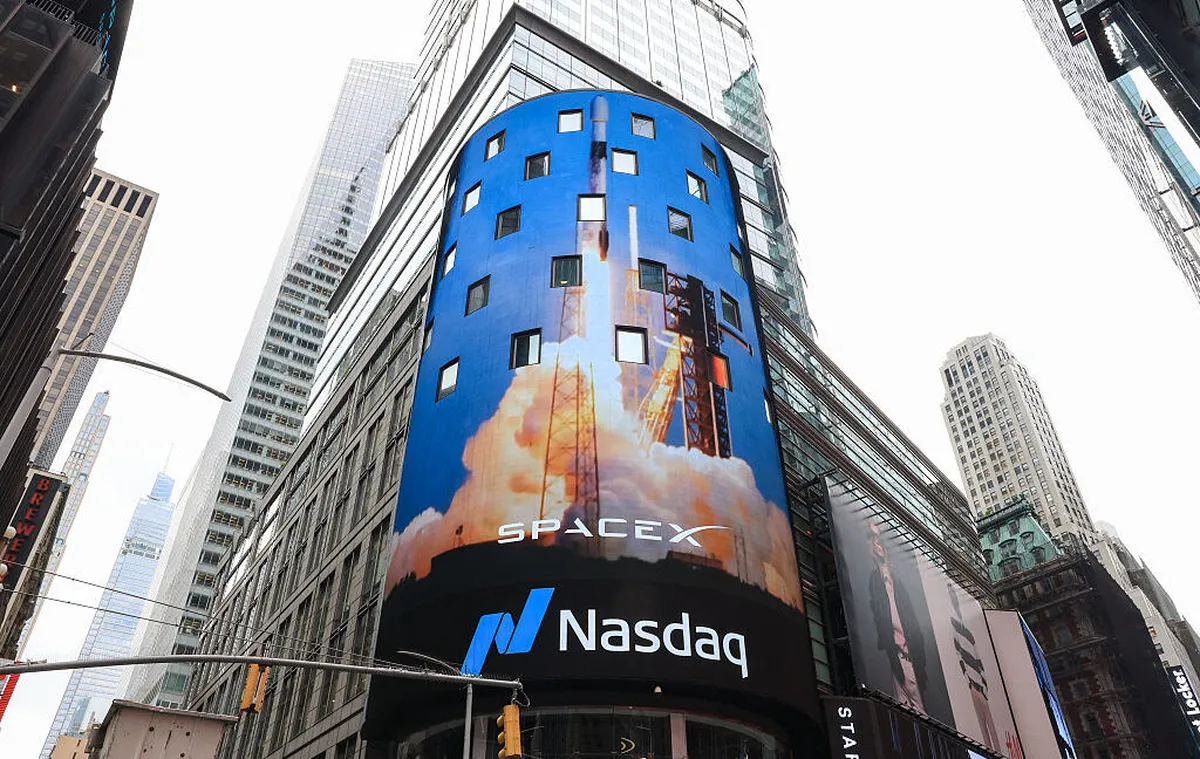
SpaceX, the pioneering aerospace company led by Elon Musk, has recently made waves with its inaugural earnings report, showcasing a remarkable revenue surge yet simultaneously unsettling investors with plans for significant capital investments. Despite reporting quarterly revenues of $7.8 billion—nearly doubling from the previous year and surpassing analyst expectations—its financial performance was overshadowed by an alarming capital expenditure of almost $16 billion, primarily directed towards AI and data center development. This juxtaposition of soaring revenues and heavy spending has resulted in a steep 10% drop in shares during pre-market trading, raising questions about the company's future strategy.
As SpaceX transitions from a traditional aerospace firm to a more diversified technology company, its ambitious plans to become a leader in cloud computing and AI have sparked both excitement and skepticism among investors. The company's share price has been volatile since its historic IPO, where it raised $86 billion. Initially, shares soared to $225 but have since plummeted to approximately $112. This fluctuation indicates a broader concern regarding the sustainability of its business model as it invests heavily in areas that may not yield immediate returns.
SpaceX’s Financial Performance: An Overview
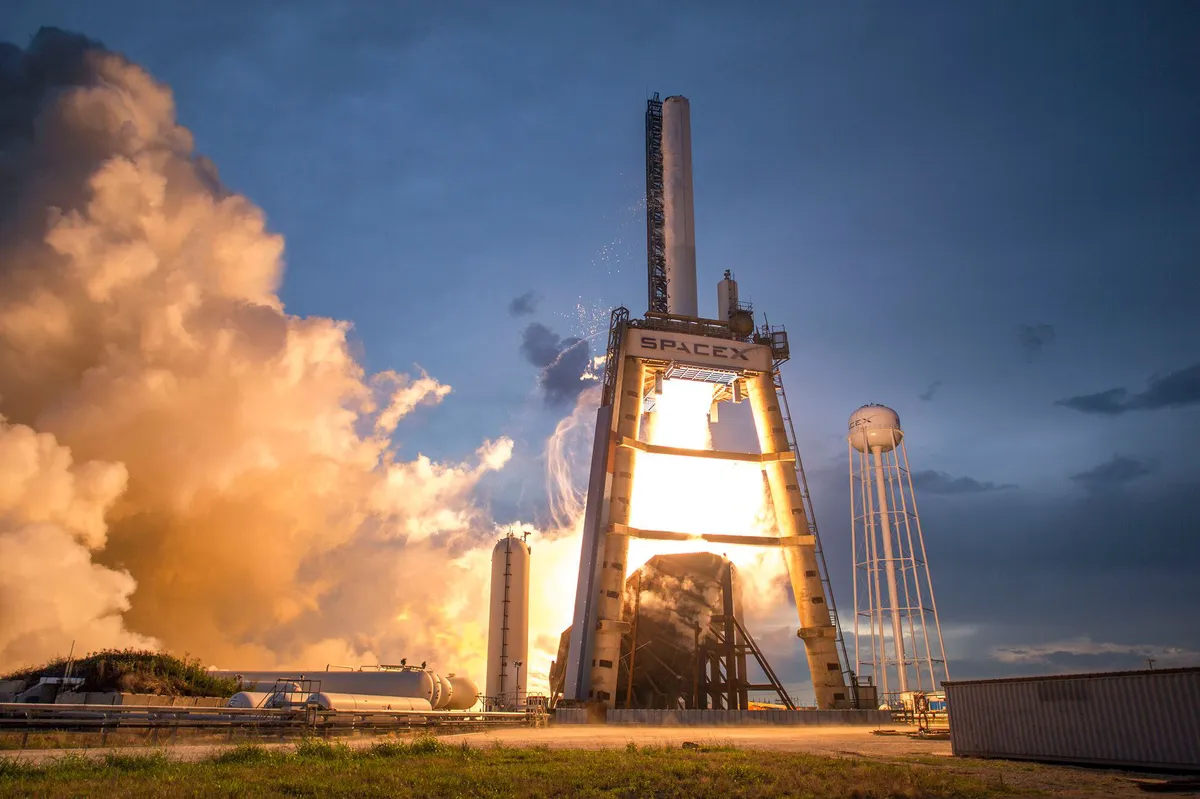
In its earnings report, SpaceX revealed a **net loss of $541 million**, significantly better than the anticipated loss of $2.12 billion. This impressive revenue growth of **92% year-over-year** can largely be attributed to the rapid expansion of its AI segment, which reported earnings of **$2.56 billion**—a threefold increase from the previous quarter. However, the overwhelming capital expenditures raised eyebrows. The company’s CFO, Bret Johnsen, indicated that spending at this level would continue for at least two more quarters, signaling a commitment to aggressive growth in the AI and data center sectors.
Understanding the Capital Expenditure
Investors are naturally concerned about SpaceX's capital expenditure, which doubled compared to the previous quarter. The bulk of this investment is earmarked for expanding its computing capabilities, with plans to increase its capacity from **2 gigawatts (GW)** to nearly **10 GW** by the end of 2027. Developing this infrastructure comes with a staggering price tag, as each gigawatt can cost tens of billions of dollars, primarily due to the expensive chips required for effective AI operations. Musk's decision to exclusively use Nvidia hardware for future infrastructure underlines the company's commitment to high-performance computing.
The Shift Towards AI and Cloud Services
SpaceX's pivot towards AI and cloud services reflects broader market trends where demand for computing power is skyrocketing. The company has begun leasing data center capacity to major AI players such as Anthropic and Google, generating short-term revenue boosts. However, this leasing model raises concerns about long-term sustainability and growth potential. Analysts suggest that focusing primarily on being a cloud provider may cap SpaceX's margins and limit its ability to develop competitive AI models.
The Road Ahead for AI Revenue
Despite the concerns, the outlook for SpaceX's AI revenue remains optimistic. Goldman Sachs projects a **100-fold increase in AI revenue by 2030**, which aligns with Musk's ambition of achieving **$1 trillion in revenue by the end of the decade**. This trajectory depends heavily on the success of projects like the **Starmind AI-1** orbital data centers, which Musk claims are not a distant goal but an imminent reality expected to launch next year. These developments could position SpaceX as a formidable player in the AI and cloud computing landscape.

Market Reactions and Investor Sentiment
The aftermath of the earnings report and the strategic direction of SpaceX has led to increased volatility in its stock price. After the announcement, the company’s stock fell nearly **10%**, reflecting investor apprehension regarding high capital expenditures and the uncertain financial implications of its ambitious plans. Furthermore, short interest in SpaceX shares has risen, with nearly **34% of freely trading shares** being shorted, signaling a lack of confidence among some investors.
The Impact of Stock Lock-Up Periods
Adding to the stock’s volatility is the impending end of the lock-up period for employees, which allows early investors and company insiders to sell their shares. This event is often associated with increased selling pressure, and analysts have pointed to it as a contributing factor to the recent stock price decline. Additionally, lower-than-expected buying by passive funds that track indices since SpaceX's inclusion in the Nasdaq 100 index has also affected the stock's performance.
Future Considerations for SpaceX
The future of SpaceX doesn’t just hinge on its current performance but also on Musk’s broader plans for integration between SpaceX and Tesla. As Musk indicated during recent earnings calls, collaborations are increasing, including initiatives like **Terafab**, a semiconductor manufacturing project aimed at supporting both companies' needs. The potential for a merger between Tesla and SpaceX has been a topic of speculation, particularly as both companies aim for synergies in technology and infrastructure.
Challenges Ahead
Despite the ambitious visions laid out by Musk, significant challenges lie ahead for SpaceX. The company’s market capitalization of **$1.65 trillion** is contingent on achieving lofty goals such as establishing reusable rockets for Mars colonization and creating orbital data centers. With substantial investments required to reach these milestones, the pressure is on for SpaceX to deliver on its promises and justify its valuation to a skeptical investor base.
Key Takeaways
- SpaceX reported **$7.8 billion** in quarterly revenue, a **92% increase** year-over-year.
- The company recorded a **net loss of $541 million**, outperforming earlier estimates.
- Capital expenditures reached nearly **$16 billion**, primarily for AI and cloud infrastructure development.
- Short interest in SpaceX shares has risen to around **34%**, indicating investor skepticism.
- Future growth is heavily dependent on successful projects like orbital data centers and AI revenue streams.
Frequently Asked Questions
What are the main drivers behind SpaceX's revenue growth?
SpaceX's revenue growth is primarily driven by its expanding AI segment and cloud services. The company has significantly increased its data center leasing activities, particularly with large AI firms, which has propelled short-term revenue. Additionally, SpaceX's ambitious plans to develop orbital data centers and enhance computing capacity are expected to contribute to long-term revenue growth.
How does SpaceX's capital expenditure compare to its earnings?
While SpaceX reported impressive earnings in its debut report, its capital expenditure of nearly $16 billion raises concerns. This figure nearly doubled from the previous quarter, indicating aggressive investment in AI and infrastructure. While the revenue growth is commendable, investors are wary of the sustainability of such high spending levels and whether they will translate into long-term profitability.
What impact did the earnings report have on SpaceX's stock price?
The earnings report initially caused SpaceX's stock to drop nearly **10%** in pre-market trading due to concerns over capital expenditures. The volatility reflects investor apprehension regarding the sustainability of the business model and the potential for short-term financial strain amidst high levels of spending.
What are the future prospects for SpaceX in the AI sector?
SpaceX's future prospects in the AI sector appear promising, with projections from analysts like Goldman Sachs suggesting a **100-fold increase** in AI revenue by 2030. Musk's plans to launch orbital data centers and enhance the company's computing capabilities are pivotal to achieving these ambitious revenue goals, positioning SpaceX as a key player in the burgeoning AI market.
Comments
D-Wave’s Quantum Leap: A New Era in Quantum Computing
D-Wave is making significant strides in quantum computing by expanding its offerings to include gate-based hardware, leveraging innovative qubit technologies. This article explores their recent advancements and what it means for the future of quantum computing.

Related articles


Popular in Cloud Computing
- SK Hynix's Historic $26.5 Billion IPO: A New Era for Memory Chips
- Kubernetes and the Future of Desktop Infrastructure: A Paradigm Shift
- Amazon Expands Partnership with Nvidia, Tripling GPU Orders Amid AI Demand Surge
- Elon Musk's Evolving Relationship with Anthropic: A New Era for AI Hosting
- Emerging Rocket Launches: A New Era for Space Exploration