SpaceX's Starlink Mobile: A Bold Challenge to Major Carriers
SpaceX is set to disrupt the mobile telecommunications landscape with Starlink Mobile, aiming to outperform established giants like AT&T, T-Mobile, and Verizon. This article explores the implications and technical challenges involved in this ambitious venture.
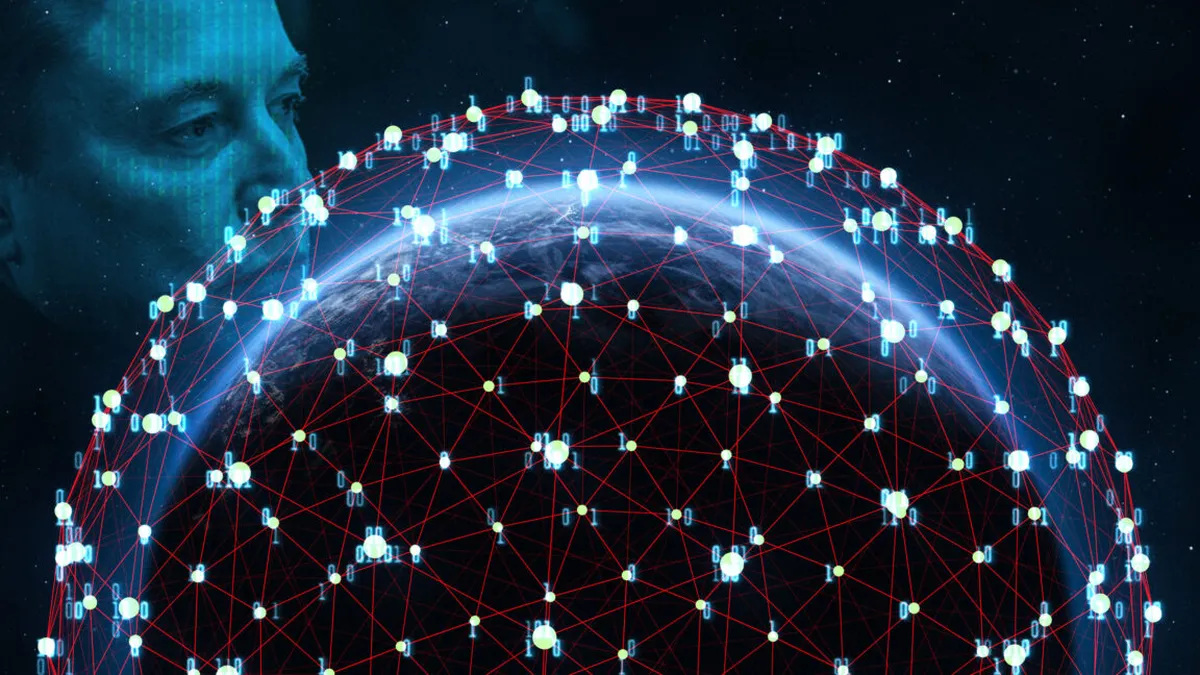
In a bold move that could reshape the mobile telecommunications landscape, SpaceX has announced plans to launch Starlink Mobile, a satellite-based mobile service that aims to outperform industry giants like AT&T, T-Mobile, and Verizon. With the ambition to capture a significant market share of the $600 billion combined revenue generated by these carriers, SpaceX's approach capitalizes on its existing satellite technology and innovative terrestrial infrastructure. This article delves into the intricacies of SpaceX's strategy, the market dynamics, and the potential impact on consumers and competitors alike.
Understanding the Starlink Mobile Vision
SpaceX's foray into mobile telecommunications is not merely a side project; it represents a strategic push to diversify its offerings beyond satellite internet. By leveraging its existing Starlink satellite network, the company aims to create a seamless mobile service that can extend connectivity to areas where traditional cell towers are absent or unreliable. As SpaceX President Gwynne Shotwell stated, the vision includes both satellite capabilities and terrestrial infrastructure, efficiently designed to eliminate dead zones and enhance service during natural disasters.
Technical Innovations and Deployment
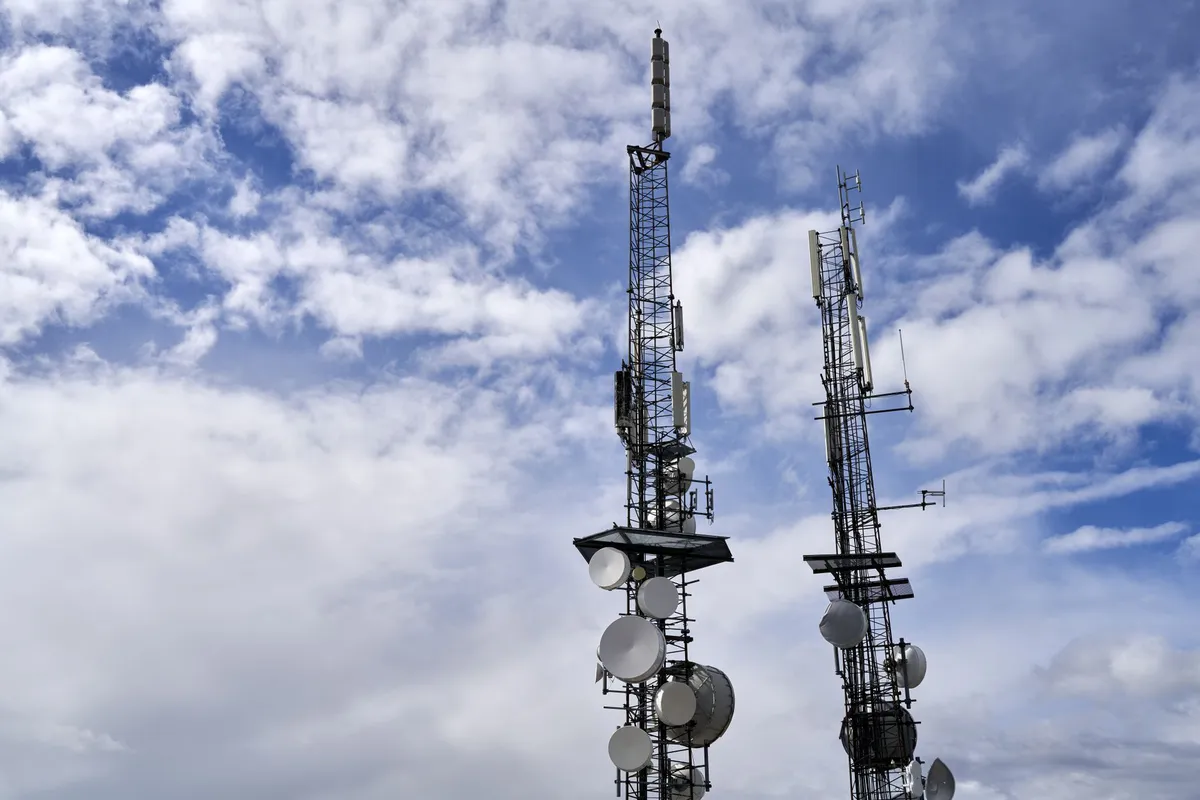
One of the standout features of SpaceX's plan is the deployment of small base stations, referred to as femtocells, instead of conventional large cell towers. This innovative approach not only reduces deployment costs but allows for more flexible coverage in diverse geographical locations. Shotwell emphasized that these femtocells will integrate with Starlink's existing broadband dishes, effectively transforming them into cellular base stations capable of providing mobile connectivity.
Elon Musk elaborated on this strategy, suggesting that Starlink antennas, already positioned on rooftops, could double as mobile cellular stations. This technical ingenuity could offer better bandwidth and connectivity compared to traditional cellular providers, particularly in underserved areas.
The Competitive Landscape: Challenges and Opportunities
While SpaceX's ambitions are formidable, the road ahead is fraught with challenges. Major carriers like AT&T, T-Mobile, and Verizon have invested billions over the past few decades to establish extensive networks, securing vast spectrum allocations that far exceed SpaceX's current holdings. The wireless industry, as noted by telecom analyst Craig Moffett, operates on scale and infrastructure that is difficult to replicate.
- Market Dominance: AT&T, T-Mobile, and Verizon collectively occupy a significant portion of the mobile market with established customer bases.
- Spectrum Limitations: SpaceX's acquisition of 65 MHz of nationwide spectrum from EchoStar is just a fraction compared to the 1.1 GHz allocated to existing mobile operators.
- Regulatory Hurdles: SpaceX's spectrum acquisition is still pending regulatory approval, which could delay its market entry.
Despite these challenges, SpaceX's unique positioning could appeal to consumers, especially in rural areas where traditional carriers struggle to provide reliable service. By offering a product that combines satellite and terrestrial capabilities, SpaceX could carve out a niche that attracts users seeking better connectivity.
Financial Implications and Future Prospects
The financial stakes are high for SpaceX as it embarks on this ambitious venture. The company has already demonstrated significant capital expenditures in other areas, such as artificial intelligence, which recently reached nearly $16 billion, prompting concerns among investors regarding funding for its terrestrial network. Although Shotwell has refrained from disclosing specific costs related to building out the mobile network, she indicated that the innovative deployment of femtocells could lead to a more capital-efficient approach.
Moreover, the company has plans to launch next-generation Starlink satellites, which it claims will significantly enhance service capabilities. The goal is to deploy thousands of these satellites by the end of 2028, potentially allowing Starlink Mobile to provide a level of service that could rival or exceed that of existing carriers.
Market Reactions and Industry Impact
The announcement of Starlink Mobile has already sent ripples through the telecom industry. Following the news, stock prices of AT&T, T-Mobile, and Verizon took a hit, reflecting investor concerns about the competitive threat posed by SpaceX. Even if Starlink does not become a fourth major carrier, its entry into the market could force existing providers to enhance their services, lower prices, or innovate to retain customers.
In an industry where customer loyalty is hard-earned, SpaceX's unique offering could disrupt the status quo. The potential for improved connectivity, especially during emergencies and in underserved areas, may resonate with consumers who have long felt neglected by the major carriers.
Key Takeaways
- SpaceX's Starlink Mobile aims to compete directly with major carriers like AT&T, T-Mobile, and Verizon.
- The company plans to use innovative femtocells rather than large towers to provide coverage.
- SpaceX faces significant challenges, including spectrum limitations and established competition.
- Financial implications are substantial, with ongoing concerns about capital expenditures.
- Market reactions indicate that incumbents may need to adapt to the new competition.
Frequently Asked Questions
What is Starlink Mobile's primary advantage over traditional carriers?
Starlink Mobile's primary advantage lies in its ability to leverage both satellite and terrestrial technology to provide connectivity. This hybrid model allows it to offer service in areas where traditional carriers often fall short, particularly in rural and remote locations. Additionally, the use of femtocells could lead to more efficient and cost-effective deployment compared to traditional cell towers.
How will the acquisition of spectrum impact SpaceX's plans?
The acquisition of 65 MHz of spectrum from EchoStar is crucial for SpaceX's mobile service ambitions. This spectrum will enable the company to build out its terrestrial network and improve service capacity. However, it is essential to note that this amount is much smaller than what established carriers possess, which could limit SpaceX's competitive edge unless further spectrum is acquired.
When can consumers expect to see Starlink Mobile available?
SpaceX has announced plans to start launching next-generation mobile satellites in the coming years, with service projected to begin by the end of 2027. While the exact timeline for consumer availability remains uncertain, the company is actively working towards deploying infrastructure that will support Starlink Mobile's operations.
What challenges does SpaceX face in competing with major carriers?
SpaceX faces several challenges in its quest to compete with major carriers, including securing additional spectrum, overcoming regulatory hurdles, and establishing a reliable and extensive network infrastructure. The entrenched market dominance of existing providers, along with their vast resources and consumer loyalty, pose significant barriers to entry for SpaceX as it seeks to gain traction in the mobile telecommunications market.
Comments
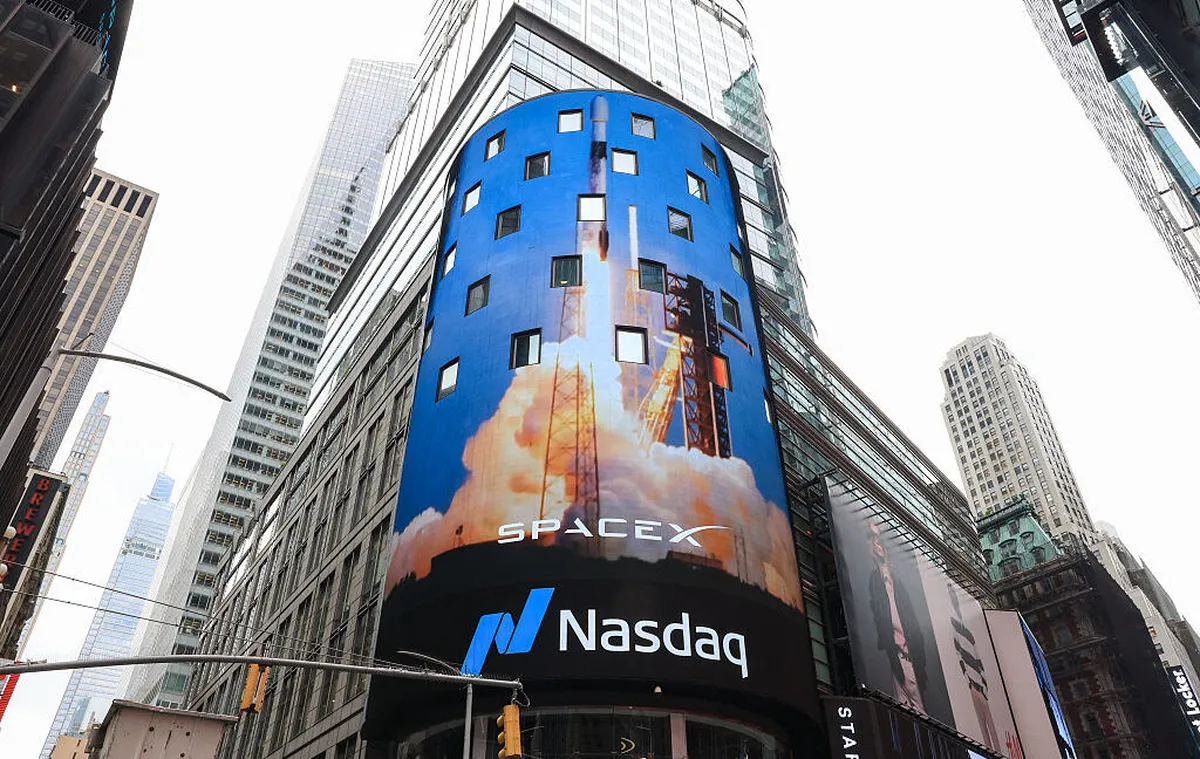
SpaceX's Earnings Report: Investor Concerns Amidst High Ambitions
SpaceX's debut earnings report reveals soaring revenues but substantial capital expenditures that have left investors on edge. As the company pivots towards becoming a major player in data centers and AI, questions loom about its financial sustainability and future direction.
Related articles


Popular in Cloud Computing
- SK Hynix's Historic $26.5 Billion IPO: A New Era for Memory Chips
- Kubernetes and the Future of Desktop Infrastructure: A Paradigm Shift
- Amazon Expands Partnership with Nvidia, Tripling GPU Orders Amid AI Demand Surge
- Elon Musk's Evolving Relationship with Anthropic: A New Era for AI Hosting
- Emerging Rocket Launches: A New Era for Space Exploration