D-Wave’s Quantum Leap: A New Era in Quantum Computing
D-Wave is making significant strides in quantum computing by expanding its offerings to include gate-based hardware, leveraging innovative qubit technologies. This article explores their recent advancements and what it means for the future of quantum computing.
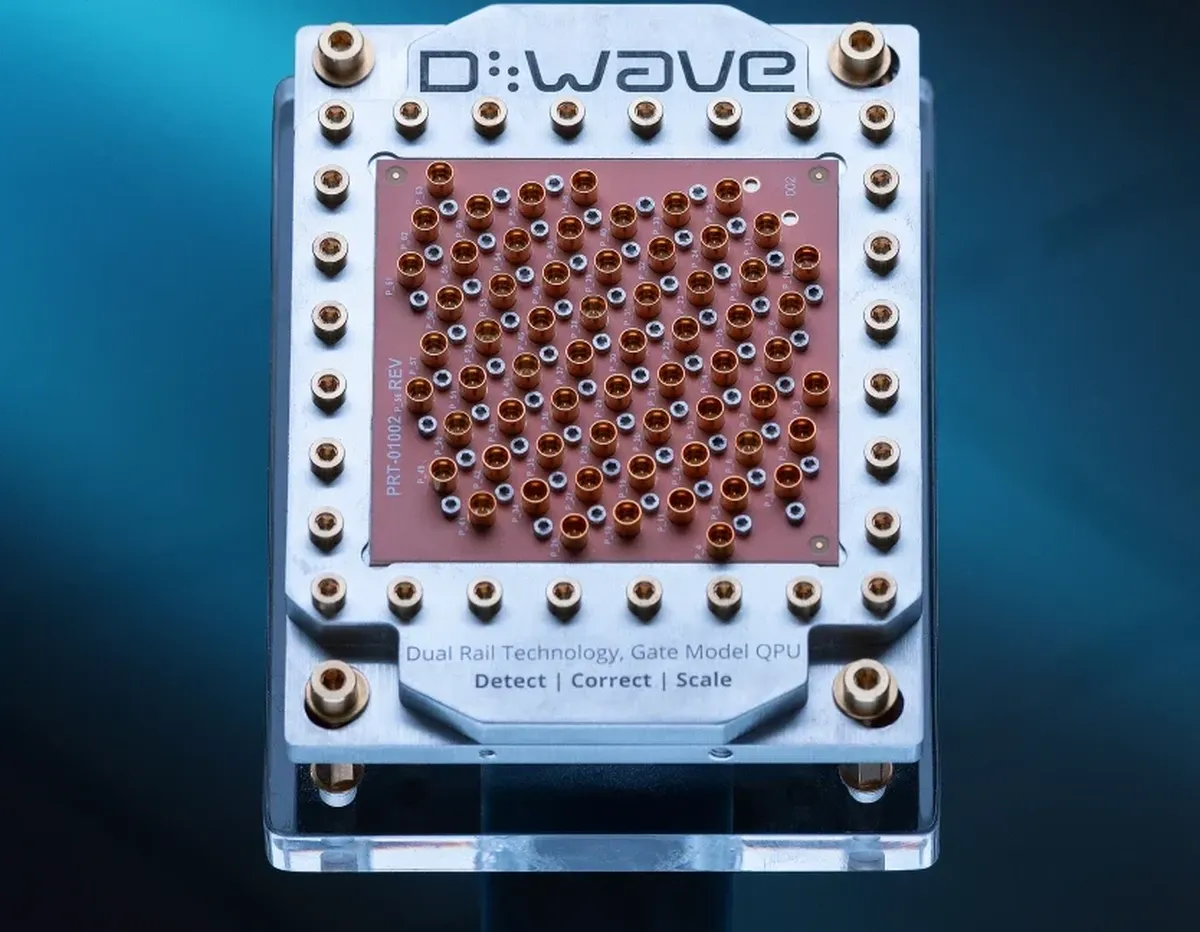
In the rapidly evolving landscape of quantum computing, D-Wave has carved out a unique niche by developing quantum annealers, a type of specialized quantum computer that addresses a specific set of optimization problems. However, as the field matures, the company is now pivoting toward a broader and more versatile approach by venturing into gate-based quantum computing, a shift that places it in direct competition with tech giants like IBM and Google. This transition reflects a significant evolution in D-Wave's business strategy and technological capabilities, aiming to unlock new potentials in quantum computation.
Recently, D-Wave announced key advancements in its gate-based hardware, showcasing innovative qubit technologies that promise to enhance the fidelity and efficiency of quantum operations. These moves are critical as the industry seeks to overcome the challenges of error rates, a persistent issue in quantum computing that can hinder practical applications. Understanding D-Wave's new approach not only sheds light on the company’s future but also highlights the broader implications for industries relying on quantum technologies.

D-Wave's Unique Position in Quantum Computing
D-Wave has been a pioneering force in quantum computing since its inception in 1999, primarily recognized for its development of quantum annealers. Unlike general-purpose quantum computers that utilize qubits for a variety of calculations, D-Wave's systems are tailored for optimization problems, making them suitable for specific applications such as logistics, finance, and complex system simulations.
The company’s early focus on quantum annealing set it apart from competitors who were primarily developing gate-based systems. Quantum annealers leverage a different computational model that allows them to find minimum solutions over a defined set of inputs, making them particularly effective for certain types of problems. However, as the demand for more generalized quantum capabilities grows, D-Wave's decision to invest in gate-based technology marks a significant strategic shift.
Transition to Gate-Based Quantum Computing
In its latest developments, D-Wave is actively exploring gate-based quantum computing, which provides a more versatile framework for quantum operations. This approach allows for a broader range of quantum algorithms, which can lead to advancements in computational capabilities across various sectors.
One of the standout features of D-Wave's new gate-based system is its use of a qubit technology known as fluxonium. This choice reflects a strategic move to differentiate itself from more commonly explored qubit systems, like superconducting qubits. In addition, D-Wave recently acquired Quantum Circuits, a startup founded by researchers from Yale University, which specializes in dual-rail qubits. This dual-rail technology has the potential to simplify error detection and correction, a crucial aspect that often limits the performance of quantum computers.
Understanding Dual-Rail Qubits and Their Advantages
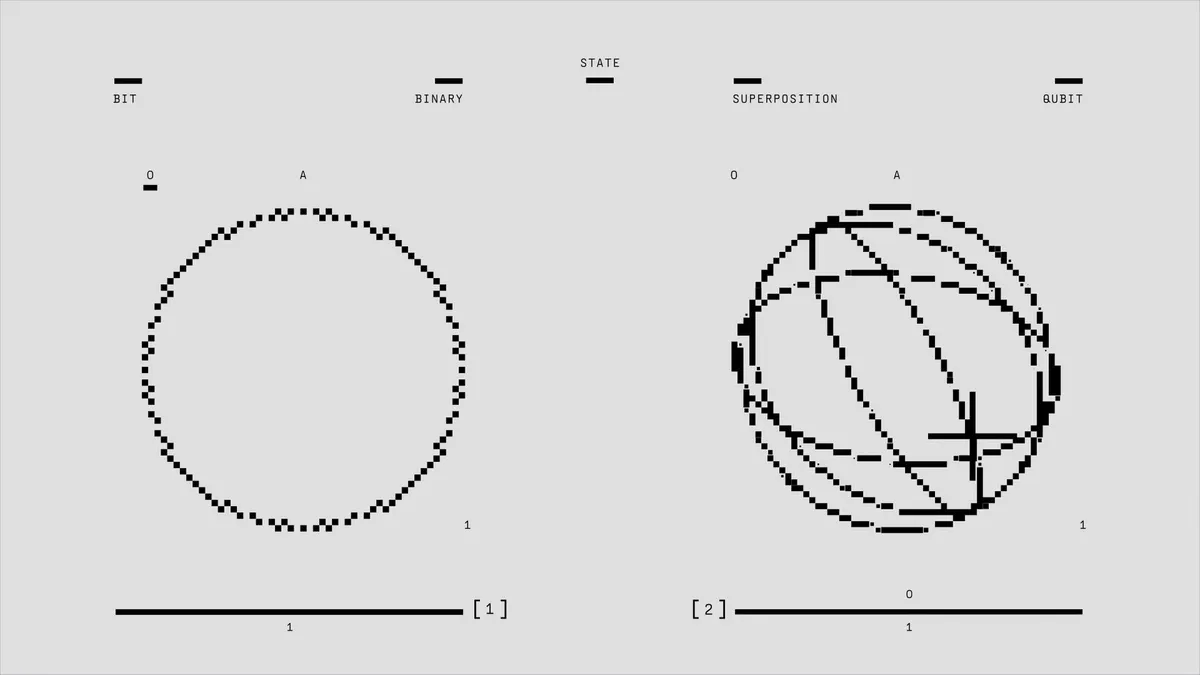
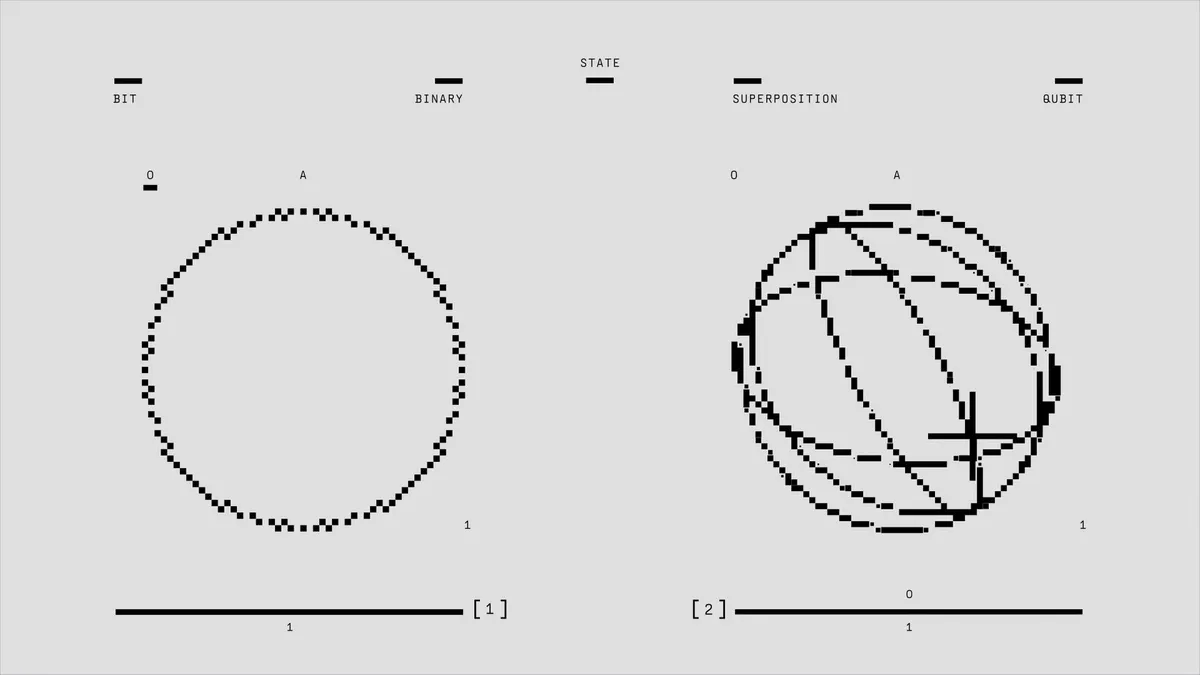
The dual-rail qubit architecture consists of two resonators that can contain a single photon each, allowing for superposition states. This means that, theoretically, the qubit can exist in multiple states at once, a principle that underpins quantum computing. The dual-rail setup significantly enhances error detection capabilities, as the most prevalent error—photon loss—can be easily identified without the need for additional qubits dedicated to error correction.
In practical terms, D-Wave’s research indicates that photon loss rates during entanglement operations are approximately 0.5%, with these losses being five times more likely than other types of errors. This efficiency not only simplifies the error correction process but also enables the development of more compact error codes tailored to the specific frequency of error types encountered.
Recent Research Findings and Implications
On August 5, 2026, D-Wave published a pivotal study in the journal Nature, detailing the successful entanglement of two dual-rail qubits. The company demonstrated that the entangling operation could be completed in just 500 nanoseconds, a remarkable speed that enhances the practicality of these qubits for quantum computing applications. The efficiency of this process is crucial, as it supports the need for fast and reliable quantum operations in real-world scenarios.
Despite these advancements, D-Wave acknowledges that challenges remain. The company observed that as the number of operations increases, so do the error rates, indicating potential calibration issues. Further research is necessary to enhance the reliability of these systems, particularly in maintaining performance during complex computations.
The Road Ahead for D-Wave and Quantum Computing
Looking forward, D-Wave has ambitious plans to scale its technology, aiming to develop 181 dual-rail qubits by 2028. This goal aligns with the company's vision to create a more robust quantum computing platform capable of supporting a hundred or more logical qubits. Meeting this target will require substantial progress in error detection and correction methods, as well as improvements in the hardware needed to support complex quantum operations.
As D-Wave continues to innovate, the implications of its advancements extend far beyond academic research. Industries ranging from pharmaceuticals to finance are poised to benefit from the enhanced computational power that quantum technology offers. The ability to solve complex optimization problems more efficiently could lead to breakthroughs in drug discovery, supply chain optimization, and financial modeling.
Key Takeaways
- D-Wave is expanding from quantum annealers to gate-based quantum computing.
- The company has adopted dual-rail qubit technology for improved error detection.
- Recent entanglement research showcases operations at unprecedented speeds.
- Future goals include scaling to 181 dual-rail qubits by 2028.
- Advancements could revolutionize various industries through enhanced computational capabilities.
Frequently Asked Questions
What is quantum annealing, and how does it differ from gate-based quantum computing?
Quantum annealing is a specialized form of quantum computing that focuses on finding the minimum value of a function across a defined set of inputs, particularly useful for optimization problems. In contrast, gate-based quantum computing allows for a broader range of quantum operations, enabling the execution of various algorithms and tasks beyond optimization, including simulations and cryptography.
How do dual-rail qubits enhance error detection capabilities?
Dual-rail qubits utilize two linked resonators to represent quantum states, allowing for efficient detection of photon loss, the most common type of error. This architecture simplifies error correction by making it easier to identify when a photon has escaped, thereby preserving the integrity of the quantum computation without requiring additional qubits for error handling.
What are the primary challenges D-Wave faces in its transition to gate-based quantum computing?
As D-Wave transitions to gate-based technology, it faces challenges related to error rates that increase with the number of operations performed. Calibration issues and maintaining performance during complex calculations are critical hurdles that need to be addressed to ensure the reliability and efficiency of the quantum systems they are developing.
What potential applications could arise from D-Wave's advancements in quantum computing?
The advancements in D-Wave's quantum computing technology could lead to significant breakthroughs in various sectors, including pharmaceuticals, finance, logistics, and artificial intelligence. Applications may include improved drug discovery processes, enhanced financial modeling, and optimized supply chain management, all of which stand to benefit from the unique capabilities of quantum computation.
Comments
SpaceX's Earnings Report: Investor Concerns Amidst High Ambitions
SpaceX's debut earnings report reveals soaring revenues but substantial capital expenditures that have left investors on edge. As the company pivots towards becoming a major player in data centers and AI, questions loom about its financial sustainability and future direction.

Related articles



Popular in Cloud Computing
- SK Hynix's Historic $26.5 Billion IPO: A New Era for Memory Chips
- Kubernetes and the Future of Desktop Infrastructure: A Paradigm Shift
- Amazon Expands Partnership with Nvidia, Tripling GPU Orders Amid AI Demand Surge
- Elon Musk's Evolving Relationship with Anthropic: A New Era for AI Hosting
- Emerging Rocket Launches: A New Era for Space Exploration