Apple's Proposed 15% Commission: Implications for Developers and the App Store Landscape
Apple has proposed a new 15% commission structure for purchases made outside its App Store, stirring debates on its competitive practices and developer relationships. This change comes amidst ongoing legal battles and could reshape the app ecosystem significantly.
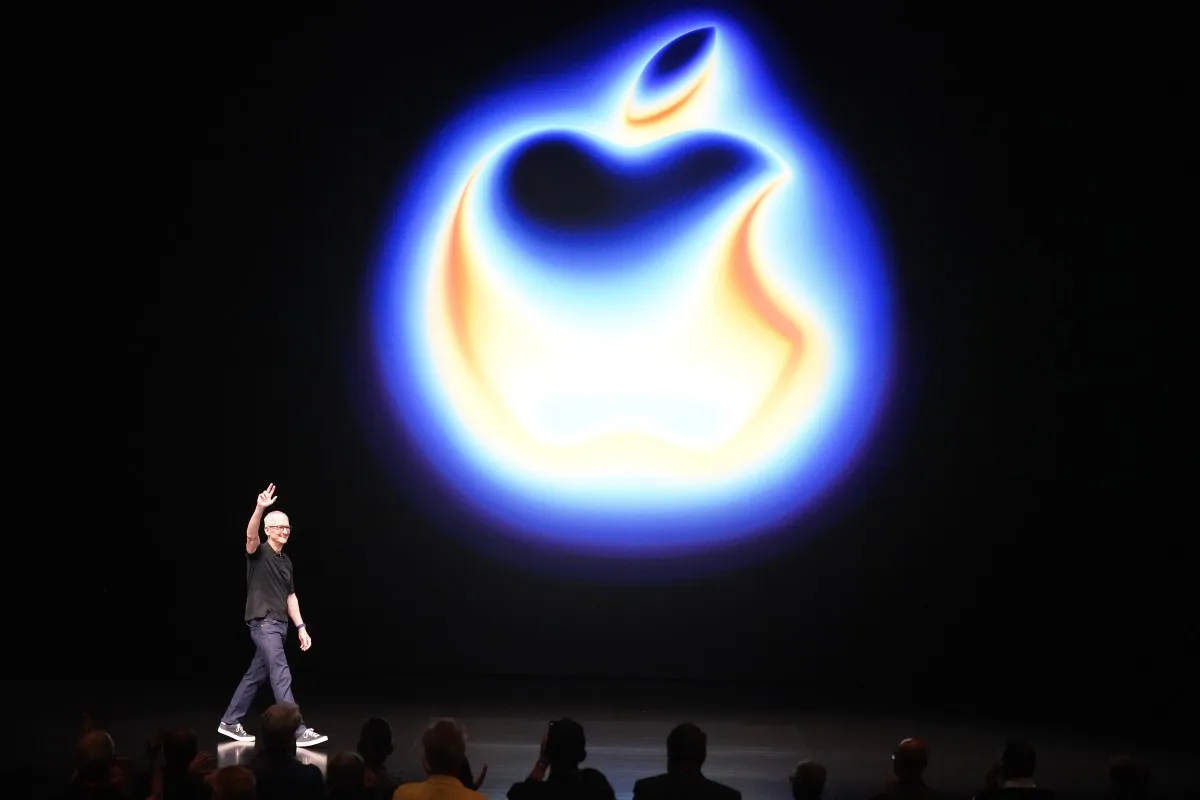
In a significant move that could reshape its relationship with developers and impact the broader app ecosystem, Apple has announced a proposed commission structure that would charge 15% on purchases made through external links within iOS applications. This proposal, submitted to the U.S. District Court of Northern California, comes during an ongoing legal battle with Epic Games over Apple's App Store policies. The outcome of this proposal and the ongoing litigation could have far-reaching implications for app developers and consumers alike.
Apple’s new commission structure, if accepted, would introduce a tiered system designed to accommodate various categories of developers. Under this plan, small business developers would benefit from a reduced commission rate of just 5%, while those participating in specific Apple programs, including the Video Partner, News Partner, and Mini Apps Partner programs, would pay 10%. Additionally, subscription renewals would see a lower commission rate of 10%, providing an incentive for developers to foster customer loyalty through recurring revenue streams.
The Legal Context Behind Apple's Proposal
This latest proposal is a response to ongoing scrutiny of Apple's App Store practices, particularly its commission rates, which have been a sticking point in its legal tussle with Epic Games. The core of the dispute lies in allegations that Apple maintains anti-competitive practices by enforcing high commission rates and restricting developers' ability to communicate with users about alternative purchasing options. Epic Games has long argued that Apple's practices stifle competition and innovation in the app market.
As part of its defense, Apple has attempted to argue that its commission structure is necessary to recoup investments made in developing and maintaining the App Store, as well as the tools and services that facilitate app distribution. By comparing its rates to those of Google Play, which imposes a 20% standard rate, Apple aims to position its commissions as competitive within the industry. However, the rejection of Apple's request to stall proceedings until a related Supreme Court ruling indicates that the courts are prepared to scrutinize its practices more closely.

Impact on Developers
The proposed commission structure could have a mixed impact on developers, particularly small businesses that make up a significant portion of the App Store ecosystem. The reduced rate of 5% for small businesses provides a substantial financial relief compared to the standard 15% rate that larger developers would be subject to. This could encourage more small developers to innovate and launch new applications, knowing that they can retain a larger share of their revenue.
However, the complexity of the tiered structure may also introduce confusion. Developers must navigate the criteria for qualifying for lower rates, which could lead to disputes over eligibility and compliance with Apple's guidelines. Additionally, the proposal may not resolve the underlying concerns regarding Apple's monopoly over app distribution, as developers are still required to operate within the confines of Apple's ecosystem.
The Broader App Ecosystem
The ramifications of Apple's proposed commission structure extend beyond the immediate financial implications for developers. It raises critical questions about the future of app distribution and competition in the digital marketplace. The ongoing legal battles have highlighted a growing demand for more transparent and fair practices within app stores, which are often seen as gatekeepers to consumers.
As more developers push back against perceived monopolistic practices, alternative distribution models may emerge. For instance, platforms that offer lower commission rates or more favorable terms could gain traction, appealing to developers disillusioned with Apple's and Google's practices. This could lead to a more fragmented app ecosystem, where developers seek out platforms that allow for greater freedom and better financial returns.

Consumer Implications
For consumers, Apple's proposed commission changes may not immediately translate to lower prices or better app experiences. While the reduced fees for small developers could encourage innovation and the launch of new applications, the overarching issue of app pricing remains. If larger developers are still subjected to a 15% fee, they may choose to pass those costs onto consumers, potentially keeping app prices high.
Moreover, the legal battles and negotiations surrounding these commission rates highlight an essential aspect of the app economy: transparency. Consumers are becoming increasingly aware of the fees associated with app purchases and may demand more clarity from companies. This could lead to a push for legislation aimed at regulating app store practices and ensuring fair competition.
Key Takeaways
- New Commission Structure: Apple proposes a 15% commission on external purchases, with lower rates for small businesses and specific partner programs.
- Legal Challenges: This proposal arises amidst a legal dispute with Epic Games over alleged anti-competitive practices.
- Developer Impact: Reduced fees for small developers could foster innovation, but the tiered structure may lead to confusion.
- Market Dynamics: The proposal could encourage alternative app distribution platforms as developers seek better terms.
- Consumer Awareness: Ongoing scrutiny of app store practices may lead to increased transparency demands from consumers.
Frequently Asked Questions
What are the implications of Apple's proposed commission for small developers?
The proposed 5% commission for small developers offers significant financial relief, encouraging innovation and enabling more small businesses to thrive in the app ecosystem. This reduced rate could allow small developers to reinvest in their apps, potentially leading to a wider variety of applications available to consumers.
How does Apple's commission structure compare to Google Play?
Apple's proposed commission structure aims to position itself competitively against Google Play, which typically charges a 20% commission for standard apps. By offering a tiered structure with lower rates for certain developers, Apple hopes to bolster its argument that its fees are reasonable compared to industry standards, especially since Epic Games has previously agreed to similar rates on Google Play.
What are the potential consequences of this proposal for consumers?
While the proposed changes may encourage more small developers to enter the market, consumers may not see immediate benefits in terms of lower app prices. Pricing strategies will depend largely on how developers respond to these commission changes and whether they choose to absorb the costs or pass them on to users.
Is this commission proposal final, or could it change?
The proposal is subject to approval from the court and may evolve based on legal outcomes and negotiations with developers. The ongoing legal landscape surrounding app store practices is fluid, and Apple's commission structure may change as the company adapts to regulatory pressures and competitive forces.
Comments
Unforgetful: A New App for Snooze Button Addicts
Marco Arment's Unforgetful app redefines reminders for procrastinators, ensuring no tasks slip through the cracks. Discover how this innovative app addresses common frustrations with existing systems.

Related articles

Popular in SaaS Reviews
- Roost: The 'Slow-cial' App Redefining Digital Communication
- Uber's Expansion Beyond Ride-Hailing: The Future of Travel and Services
- Sweden's Startup Surge: The Forces Behind a Booming Ecosystem
- X's Algorithm Update: Creating a More Community-Focused Experience
- Elon Musk's Vision for X: Real-Time Misinformation Corrections via DMs