Lucid Motors’ $1.4B Turnaround Strategy: The Path to Profitability
As Lucid Motors embarks on an ambitious turnaround plan, CEO Silvio Napoli outlines a strategy focusing on $1.4 billion in cash savings, new product launches, and innovative robotaxi initiatives.
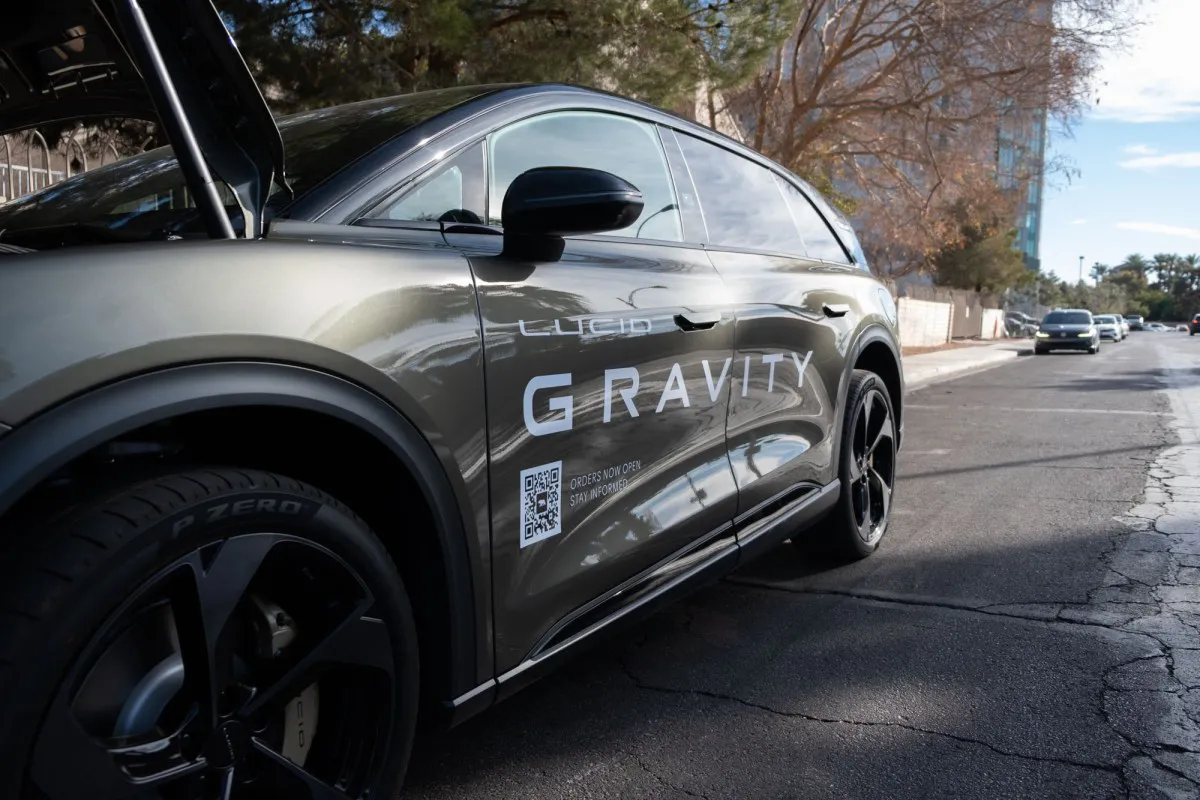
In a bold move aimed at revitalizing its struggling operations, Lucid Motors has unveiled a comprehensive turnaround plan that hinges on achieving $1.4 billion in cash savings. This strategic reset, announced by the company's new CEO Silvio Napoli, is critical for the electric vehicle (EV) manufacturer as it grapples with mounting inventory issues, high operational costs, and a competitive market landscape. With a clear focus on innovation and efficiency, Lucid aims to transition from a phase of disappointment to one of sustainable growth and profitability.
The plan comes at a pivotal time for Lucid, which has faced challenges including delayed product launches and a substantial net loss of $1.26 billion in the most recent quarter. Napoli's strategy encompasses not only significant cost reductions but also ambitious projects like the development of robotaxis and expansion of production capabilities in Saudi Arabia. The success of this plan is crucial for stakeholders, including investors, employees, and consumers, who are watching closely as Lucid seeks to reclaim its position as a leader in the premium EV market.
Understanding Lucid’s Financial Landscape
Lucid Motors' financial situation has prompted urgent action. The company's second-quarter earnings report revealed revenues of $405 million, a notable increase from the previous year's $259.4 million. However, this was overshadowed by a staggering net loss, highlighting the inefficiencies that Napoli aims to address. The $1.4 billion in cash savings will be achieved through various measures:
- Capital Expenditure Reductions: A projected cut of $500 million in capital expenditures to streamline operations.
- Inventory Management: Savings of between $600 million and $800 million by better managing inventory levels.
- Operational Expense Cuts: An anticipated reduction of $200 million in operating expenses.
By implementing these changes, Lucid aims to extend its liquidity runway well into 2027, a necessary step given the volatile nature of the EV market and the capital-intensive nature of automotive manufacturing.

Leadership Changes and Workforce Reductions
Napoli's appointment as CEO marks a significant shift in leadership strategy. He has already initiated a major overhaul of the executive team, recruiting several key positions including a new chief financial officer and chief technology officer. This restructuring is aimed at fostering a culture of accountability and responsiveness, crucial for addressing the operational shortcomings that have plagued Lucid.
Additionally, the company has made the difficult decision to lay off 18% of its workforce, amounting to approximately 1,500 employees. This follows a previous cut of 12%, reflecting the urgency of Lucid's need to reduce labor costs and improve efficiency. The elimination of the second shift at its Casa Grande, Arizona factory is expected to generate $158 million in annualized savings. Such drastic measures are indicative of the challenges faced by many EV manufacturers as they navigate a crowded and competitive landscape.

Product Development: The Mid-Sized EV and Robotaxis
Central to Lucid's turnaround strategy is the delayed launch of its mid-sized electric vehicle, known as Cosmos. Originally scheduled for release in late 2026, Napoli emphasized that the vehicle will only hit the market once it meets all quality and process standards. This cautious approach is a departure from previous strategies that led to rushed product launches and subsequent consumer dissatisfaction.
In addition to the Cosmos, Lucid is also focusing on its robotaxi program, which has the potential to generate significant revenue outside traditional vehicle sales. This initiative, developed in partnership with Uber and Nuro, aims to leverage autonomous driving technology to create a premium ride-hailing service. The robotaxi fleet will utilize Lucid's Gravity SUVs, integrating advanced driver assistance systems to enhance safety and efficiency.
With plans to begin regular production of these vehicles by the fourth quarter of 2026, Lucid is betting on the robotaxi program to provide better margins compared to direct consumer sales, a critical consideration as competition in the EV market intensifies.
Future Outlook and Challenges
Despite the ambitious nature of its turnaround plan, Lucid faces numerous challenges. The EV market is rapidly evolving, with established automakers and new entrants alike vying for market share. Consumers are becoming increasingly discerning, expecting not only innovative technology but also reliability and value for their investment.
Napoli's admission that the company has “not executed consistently” and has been slow to respond to quality issues underscores the urgency of addressing these weaknesses. The success of Lucid's turnaround will depend on its ability to not only implement cost-saving measures but also to enhance product quality, service, and customer satisfaction.
Key Takeaways
- Lucid Motors aims for $1.4 billion in cash savings through operational changes.
- The company is delaying the launch of its mid-sized EV until all quality standards are met.
- Lucid is focusing on a robotaxi initiative in partnership with Uber and Nuro for additional revenue streams.
- Leadership restructuring and workforce reductions are part of a larger effort to streamline operations.
Frequently Asked Questions
What are the main components of Lucid Motors' turnaround plan?
Lucid Motors’ turnaround plan consists of achieving $1.4 billion in cash savings through cuts in capital expenditures, inventory management, and operational expenses. The plan also focuses on significant projects like the launch of a mid-sized electric vehicle and the development of a robotaxi program.
What led to the leadership changes at Lucid Motors?
The leadership changes at Lucid Motors were prompted by the need for a fresh approach to management as the company faced ongoing operational challenges and significant financial losses. New CEO Silvio Napoli has prioritized accountability and efficiency, leading to a restructured executive team and workforce reductions to streamline operations.
How will the robotaxi program impact Lucid's profitability?
Lucid's robotaxi program is expected to enhance profitability by offering better margins than traditional consumer sales. By leveraging partnerships with Uber and Nuro to provide a premium ride-hailing service, the company aims to tap into new revenue sources while utilizing advanced autonomous driving technologies.
Comments
Maximize Your Experience: Hotel Deals for TechCrunch Disrupt 2026
TechCrunch Disrupt 2026 is approaching, and navigating hotel accommodations in San Francisco can be challenging. Discover the best options for your stay, ensuring convenience and comfort during this iconic tech conference.

Related articles


Popular in Guides
- Boomers Lead the Charge in Alcohol Abstinence: Insights from New Research
- Understanding the Physics of Silly Sprinklers and Feynman's Reverse Sprinkler Puzzle
- Mark Zuckerberg Acquires Strancally Castle: A Look at His New Irish Estate
- Last Chance to Score Discounts for TechCrunch Disrupt 2026
- The Coming Air-Conditioning Revolution in Europe: A Necessity or a Luxury?