UNAM's AI-Proctored Exam Disaster: 58,000 Students Must Retake
A disastrous AI-supervised remote exam at Mexico's UNAM led to an unprecedented increase in top scores, prompting 58,000 students to retake the test. This article explores the implications of this incident on academic integrity and the future of remote examinations.
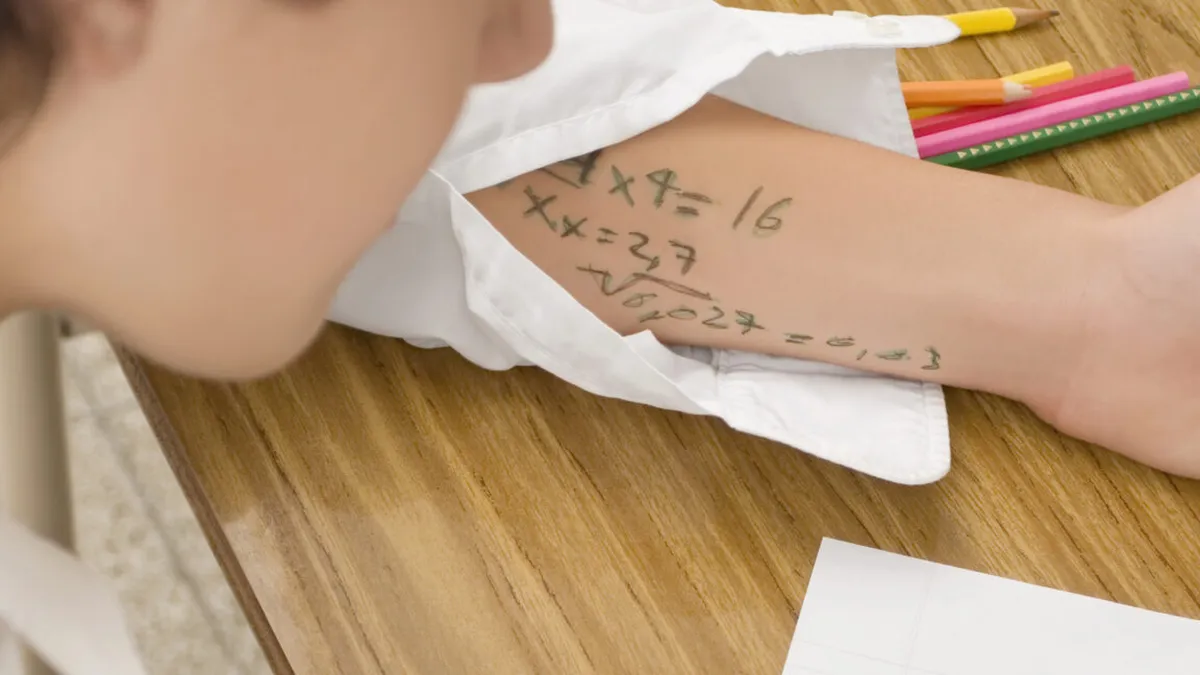
The landscape of education has been transformed by the rise of remote learning, but recent events at Mexico's National Autonomous University (UNAM) have spotlighted significant flaws in AI-supervised examinations. This summer, nearly 160,000 applicants took the university's entrance exam entirely online for the first time, under the watchful eye of AI and webcam proctoring technology. Yet, when the results were released, an alarming trend emerged: a substantial increase in top scores raised questions about the integrity of the testing process. With accusations of widespread cheating and a recommendation for 58,000 students to retake the exam, this incident has ignited a debate about the viability of remote assessments in higher education.
The UNAM entrance exam serves as a critical gateway for students seeking to enter Mexico's largest university, impacting thousands of lives and futures each year. However, this year's results were nothing short of shocking. Where, in previous years, only 3.5% of test-takers scored 100 or above, this year, that figure surged to 16.3%. Even more concerning, the percentage of students scoring 110 or higher jumped from 0.9% to 5.5%. These dramatic increases have led to a widespread belief that many students found ways to cheat and manipulate the system, prompting the university to take unprecedented measures.

The Setup: AI and Remote Proctoring
To understand the ramifications of this incident, it's vital to first explore how the examination was conducted. The UNAM entrance exam utilized a combination of AI monitoring and a lockdown browser designed to preserve academic integrity. The LockDown Browser by Respondus was employed to restrict access to other applications and web pages, thereby preventing students from seeking unauthorized assistance during the test. Additionally, an AI proctoring system from Territorium monitored test-takers through their webcams, tracking movements and ensuring that no one else could take the exam on their behalf.
Proctoring Technology: A Double-Edged Sword
While these technologies are designed to deter cheating, they are not foolproof. The AI algorithms were meant to detect irregularities, such as a test-taker leaving the frame or using a cell phone. However, the system reportedly failed to catch many instances of cheating. UNAM only canceled about 2% of exams due to unspecified conduct issues, indicating that the measures in place fell short of ensuring a fair testing environment. Experts in AI and statistical modeling, such as Raul Rojas, have suggested that nearly half of the students who took the exam may have received outside help.

Cheating Strategies: How Students Manipulated the System
The rise in top scores and the ensuing scandal have led to speculation about how students were able to cheat so successfully. Reports indicate that cheating tips circulated widely on social media before the examination took place. Some students were reportedly advised to position secondary monitors outside the webcam's view to access tools like ChatGPT for answers. Others suggested hiding earphones under their hair or even hiring someone to take the exam off-camera.
The Role of Social Media and Communication Tools
This incident highlights the complex relationship between technology, education, and integrity. In an age where communication tools and online resources are readily accessible, the temptation to cheat can be amplified. The very technologies that are meant to uphold academic standards can inadvertently enable dishonesty when not implemented effectively.
The Fallout: A Control Exam for 58,000 Students
In response to the overwhelming evidence of potential cheating, UNAM has decided to administer a “control exam.” This means that not only will the students who scored based on this year’s test need to retake the exam, but so will anyone who would have been admitted based on minimum scores since 2021. This decision could affect around 58,000 applicants, creating a logistical challenge for the university as classes are set to begin on August 10, 2026.
Implications for Students and the University
The decision to implement a control exam is not without controversy. UNAM's rector has publicly apologized to honest applicants who now face the burden of retaking the exam despite having done nothing wrong. However, the rector emphasized that the control exam is necessary to ensure equity and give certainty in access to the university. This situation raises questions about the integrity of assessment processes and the emotional toll on students who may feel unjustly punished.

Looking Ahead: The Future of Remote Testing
As educational institutions increasingly adopt remote learning and testing methods, the UNAM incident serves as a stark reminder of the potential pitfalls. The reliance on AI technology for proctoring raises concerns about its efficacy and the ethical implications surrounding student assessment. If these technologies cannot ensure fairness, institutions may need to rethink how they conduct examinations in a digital landscape.
Alternatives to Remote Proctoring
Several alternatives to remote proctoring exist that could help maintain academic integrity without placing undue stress on students. For example, open-book exams or take-home assignments can assess students' understanding without the pressure of traditional timed testing. Additionally, hybrid models that combine in-person assessments with online components may strike a balance between accessibility and integrity.
Key Takeaways
- UNAM's entrance exam scandal involved a drastic increase in top scores, raising concerns of cheating.
- A control exam will require 58,000 students to retake the test in person, impacting applicants who have met minimum scores since 2021.
- The implementation of AI and remote proctoring technology has proven insufficient in preventing academic dishonesty.
- The incident highlights the need for institutions to reevaluate remote testing strategies and consider alternative assessment methods.
Frequently Asked Questions
What led to the decision for a control exam at UNAM?
The decision for a control exam arose from the significant discrepancy in test scores compared to previous years, leading to widespread allegations of cheating. The university aimed to restore integrity and equity in the admission process by requiring affected applicants to retake the exam in a controlled, in-person environment.
How effective are AI proctoring systems in maintaining exam integrity?
AI proctoring systems can enhance exam integrity by monitoring test-takers for unusual behavior. However, their effectiveness has been called into question following this incident, as many students were able to bypass the safeguards put in place. Institutions must critically evaluate the reliability of these systems and consider whether they can genuinely uphold academic standards.
What alternatives exist for remote examinations?
To address the challenges posed by remote examinations, educational institutions can explore alternatives such as open-book exams, project-based assessments, or hybrid models that integrate both online and in-person components. These methods can create a more equitable testing environment while still evaluating student knowledge and skills effectively.
Comments
Maximize Your Experience: Hotel Deals for TechCrunch Disrupt 2026
TechCrunch Disrupt 2026 is approaching, and navigating hotel accommodations in San Francisco can be challenging. Discover the best options for your stay, ensuring convenience and comfort during this iconic tech conference.

Related articles


Popular in Guides
- Boomers Lead the Charge in Alcohol Abstinence: Insights from New Research
- Understanding the Physics of Silly Sprinklers and Feynman's Reverse Sprinkler Puzzle
- Mark Zuckerberg Acquires Strancally Castle: A Look at His New Irish Estate
- Last Chance to Score Discounts for TechCrunch Disrupt 2026
- The Coming Air-Conditioning Revolution in Europe: A Necessity or a Luxury?