The Brightening Future of Automotive Headlights: A Double-Edged Sword
As headlights become brighter and more sophisticated, the implications for safety and visibility are profound. This article explores the evolution of automotive lighting technology, its impact on driving safety, and the need for balanced regulations.
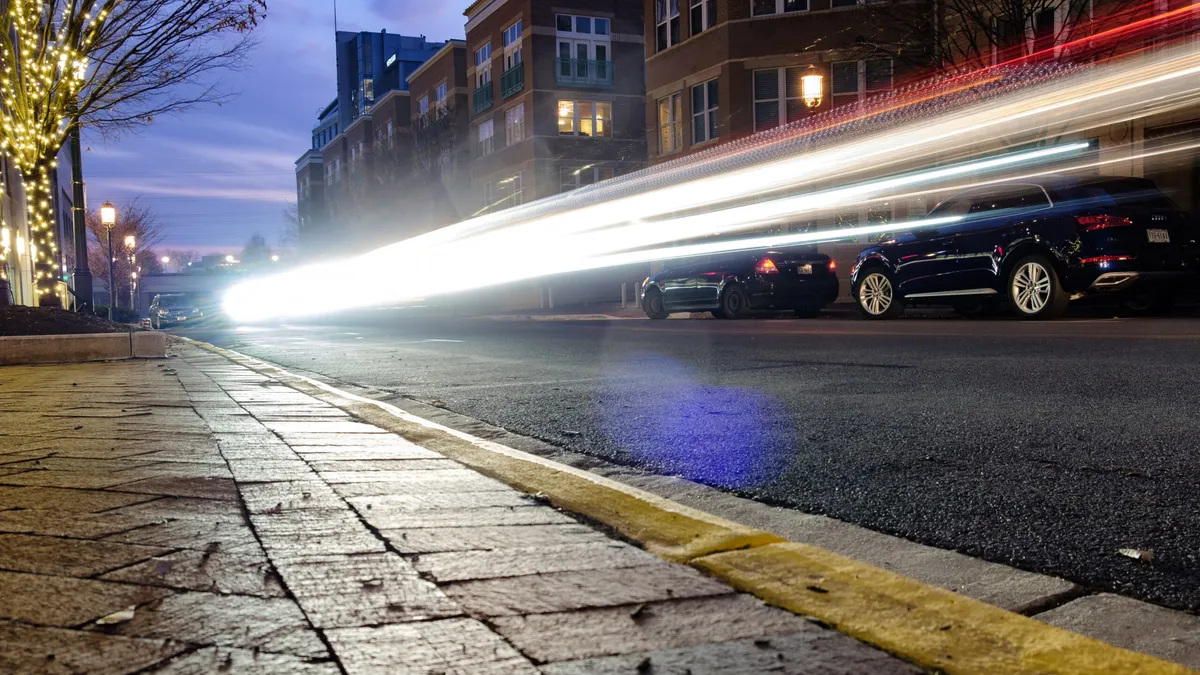
Every night, countless drivers navigate dark highways and winding roads, relying heavily on their headlights to illuminate the path ahead. However, a troubling trend has emerged in recent years: headlights have become increasingly bright, often blinding oncoming drivers and leading to serious safety concerns. This phenomenon, described by many as an arms race of lumens, raises essential questions about the balance between visibility and glare. As advancements in automotive lighting technology continue to evolve, understanding this balance is more critical than ever for both drivers and regulators.
The story of automotive lighting is one of adaptation and innovation. From oil lanterns used on horse-drawn carriages to today's sophisticated LED systems, the quest for improved visibility has been ongoing. Yet, the journey has not been without its challenges. While modern headlights significantly enhance illumination, they also introduce new risks, blurring the lines between safety and discomfort.
The Historical Context of Automotive Lighting
The evolution of automotive lighting began long before the first motor vehicle hit the streets. In the late 19th century, horse-drawn carriages relied on oil lanterns that offered minimal visibility, making nighttime travel hazardous. When the automobile emerged, early models equipped with railway-style oil lamps provided little more than a flicker of light, insufficient for the speeds at which these new vehicles traveled. The limitations of these early lighting systems often resulted in near-miss accidents, as drivers struggled to see the road ahead.
From Acetylene to Halogen
With the introduction of acetylene lamps in the early 1900s, safety concerns escalated due to their flammable nature and the risk of explosions. Despite these dangers, they did improve visibility, albeit marginally. As vehicles became faster, the inadequacies of existing lighting systems became increasingly apparent. By the early 20th century, regulations began to emerge, pushing for better visibility standards as both drivers and pedestrians clamored for safer roads.
This led to the first formal headlight regulations, which mandated basic visibility standards but did little to address glare and illumination patterns. The introduction of halogen bulbs in the late 20th century marked a significant advancement, providing brighter and more efficient lighting. However, these systems still produced soft beams that left much to be desired in terms of reach and clarity.

The Modern Lighting Revolution
In the past two decades, a dramatic shift has occurred in automotive lighting technology, largely driven by the transition from halogen bulbs to more advanced systems such as Light Emitting Diodes (LEDs) and High-Intensity Discharge (HID) projectors. These modern headlights produce significantly more light with improved energy efficiency and longer lifespans. However, this leap in technology has also led to a concerning increase in brightness levels.
Why Brighter is Not Always Better
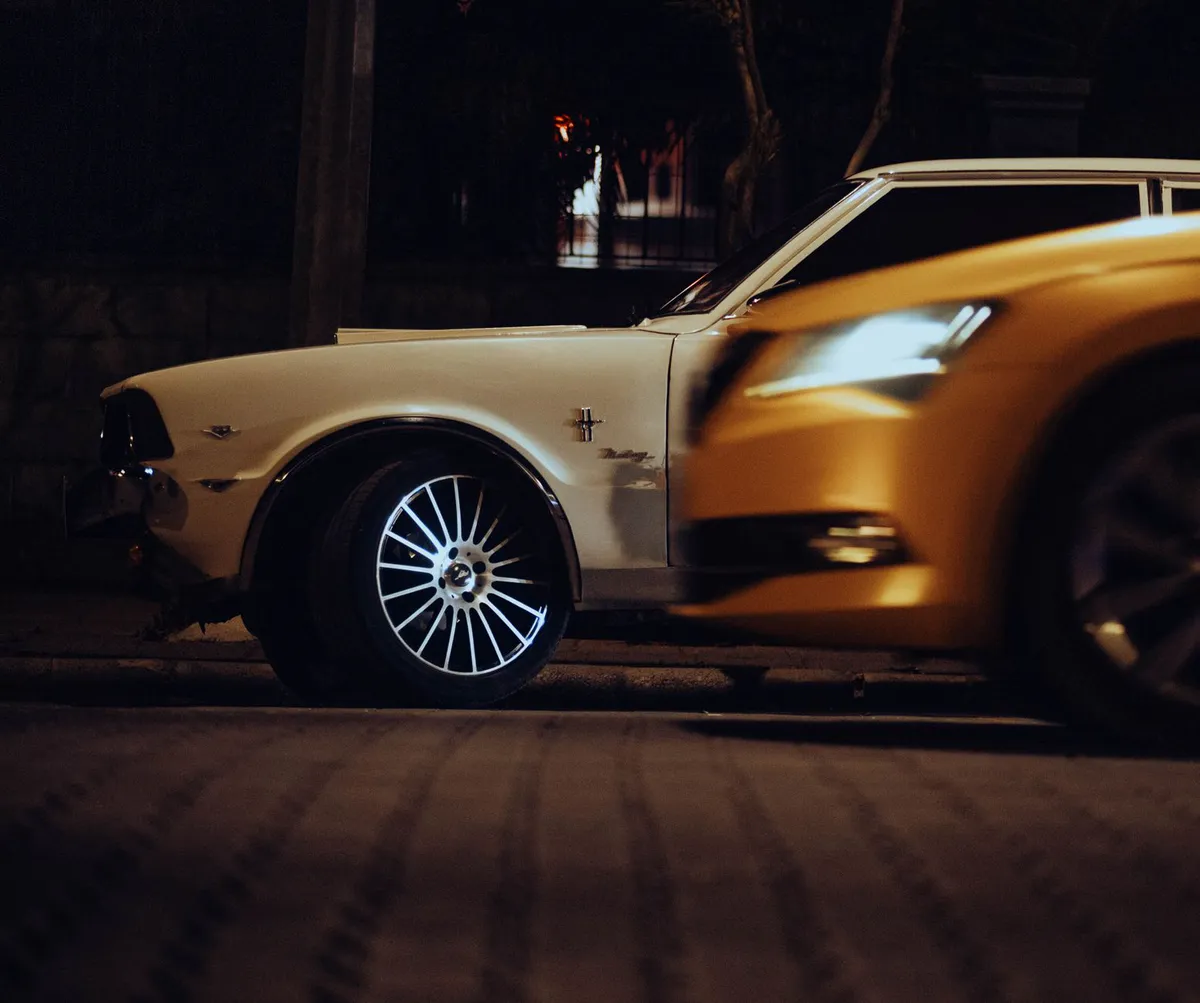
The allure of brighter headlights is undeniable. LEDs, in particular, emit a cooler, whiter light that many drivers find preferable for nighttime visibility. This shift towards higher color temperatures, closer to daylight, enhances detail perception at night. However, this increase in brightness often comes at the expense of glare for oncoming drivers. The concentration of light emitted from compact LED sources creates intense beams that are more likely to blind other motorists, particularly those in smaller vehicles.
Moreover, the trend towards larger vehicles, such as SUVs and trucks, exacerbates the problem. Higher mounting positions for these headlights mean that even properly aimed low beams can shine directly into the eyeline of drivers in standard passenger cars. This dynamic creates a growing tension between the needs of the driver and the safety of all road users.
Adaptive Lighting: A Possible Solution?
To combat the growing issue of glare, some manufacturers have begun to incorporate adaptive matrix headlights, which can selectively dim portions of the beam to minimize the impact on oncoming drivers while maintaining optimal illumination in other areas. These systems represent a promising technological solution, aiming to provide enhanced visibility without compromising the safety of fellow road users.
The Regulatory Landscape
Despite this technological progress, the adoption of adaptive lighting remains inconsistent, with regulations varying significantly across countries. Many vehicles still rely on brute-force brightness rather than precision beam control, leading to an uneven playing field in terms of safety. Furthermore, the lack of standardized regulations makes it difficult for manufacturers to navigate the complex landscape of headlight compliance.
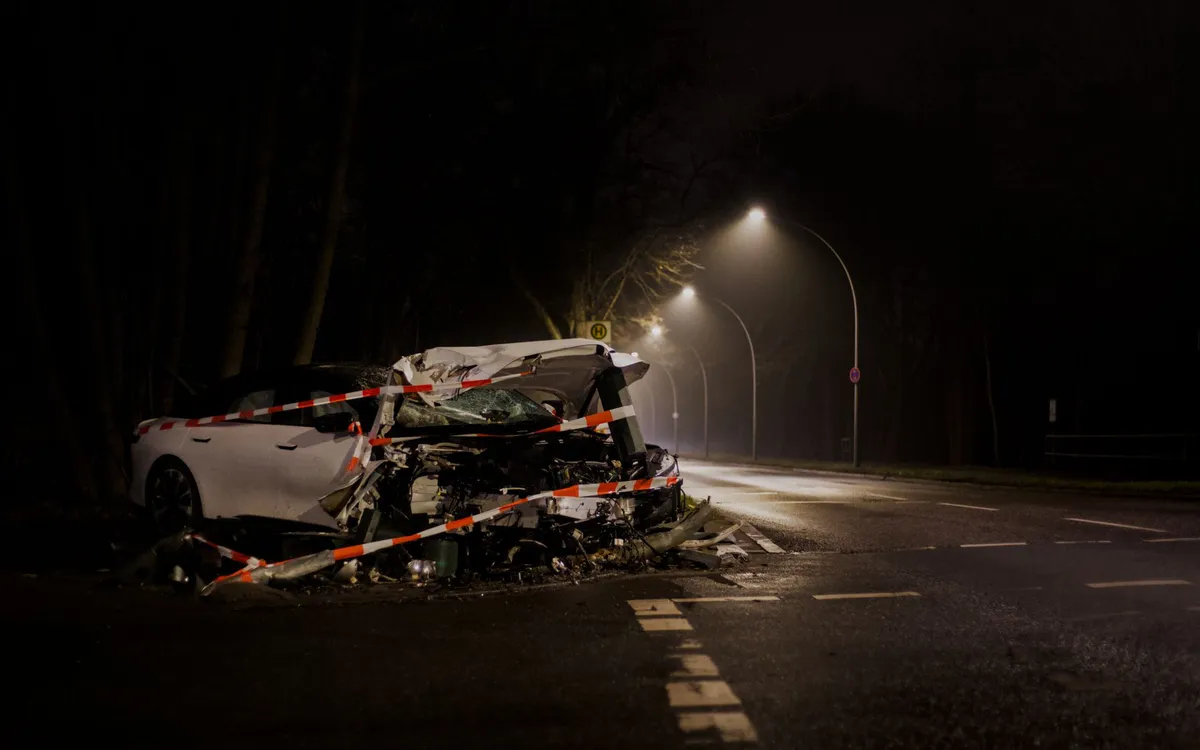
The implications of these developments are stark. According to data from the Fatality Analysis Reporting System (FARS), between 2019 and 2023, over 46,000 fatalities occurred on US roads at night, with 446 attributed directly to glare impairing visibility. States like California, Texas, and Florida topped the list for nighttime fatalities, while unexpected outliers like Alabama and Kentucky raised concerns about the broader implications of headlight safety.
Impacts on Road Safety
The rise in nighttime driving fatalities, particularly among older drivers, indicates that there is a pressing need for a balanced approach to automotive lighting. Vulnerability factors tied to age significantly amplify the risks associated with bright headlights, as older drivers may struggle to cope with harsh glare or rapid changes in visibility.
What Can Be Done?
To address these challenges, a multi-faceted approach is necessary. First, increased awareness around the dangers of glare and the importance of properly aimed headlights is essential for drivers. Education campaigns could empower drivers to understand the implications of their vehicle's lighting system and encourage them to adjust their headlights correctly to reduce glare for others.
Second, regulatory bodies must work towards harmonizing standards for headlight performance, making it easier for manufacturers to navigate compliance while ensuring that drivers benefit from improved visibility without compromising safety. Finally, the automotive industry must continue to innovate, focusing on adaptive lighting technologies that can meet the needs of modern drivers while minimizing risks for all road users.
Key Takeaways
- Headlight technology has evolved dramatically from oil lanterns to modern LEDs and HIDs.
- Increased brightness levels have led to safety concerns due to glare, particularly for smaller vehicles.
- Adaptive lighting systems show promise in balancing illumination and glare reduction.
- Regulatory inconsistencies hinder the adoption of advanced lighting technologies.
- Education and awareness are critical for improving road safety related to automotive lighting.
Frequently Asked Questions
Why are modern headlights so bright compared to older models?
Modern headlights utilize advanced technologies such as LEDs and HIDs, which produce significantly more light than traditional halogen bulbs. These technologies allow for brighter illumination, improving visibility for drivers at night. However, this increased brightness often leads to more glare, making it essential to strike a balance between visibility and comfort for other road users.
What are adaptive headlights, and how do they work?
Adaptive headlights are advanced lighting systems that can adjust their beam patterns based on driving conditions. They can selectively dim certain sections of the light beam to avoid blinding oncoming drivers while still providing maximum illumination where it's needed. This technology aims to enhance road safety by reducing glare without compromising visibility.
How can drivers reduce glare from their headlights?
Drivers can reduce glare by ensuring that their headlights are correctly aimed and adjusted. Regular maintenance and inspections can help ensure that headlights are functioning correctly and not directed too high. Additionally, using low beams in appropriate conditions and being mindful of other road users can significantly mitigate glare.
What role do regulations play in headlight safety?
Regulations are crucial in establishing standards for headlight performance, including brightness, beam patterns, and glare reduction. However, the lack of standardized regulations across different regions can create inconsistencies in headlight safety. Harmonizing these regulations can help ensure that all vehicles meet safety standards, ultimately improving road safety for everyone.
Comments
Exploring the App Store's Hidden Gems in the AI Era
As artificial intelligence reshapes the digital landscape, the App Store remains vibrant with innovative applications. This article dives into some of the most exciting new apps that harness AI without overshadowing their unique functionalities.

Related articles

Popular in Guides
- Boomers Lead the Charge in Alcohol Abstinence: Insights from New Research
- Understanding the Physics of Silly Sprinklers and Feynman's Reverse Sprinkler Puzzle
- Mark Zuckerberg Acquires Strancally Castle: A Look at His New Irish Estate
- Last Chance to Score Discounts for TechCrunch Disrupt 2026
- The Coming Air-Conditioning Revolution in Europe: A Necessity or a Luxury?