Exploring the Controversy and Depth of Nolan's The Odyssey
Christopher Nolan's adaptation of The Odyssey has sparked intense debate among audiences and scholars alike. This article delves into the film's themes, character portrayals, and the ongoing discussions about its cultural significance.
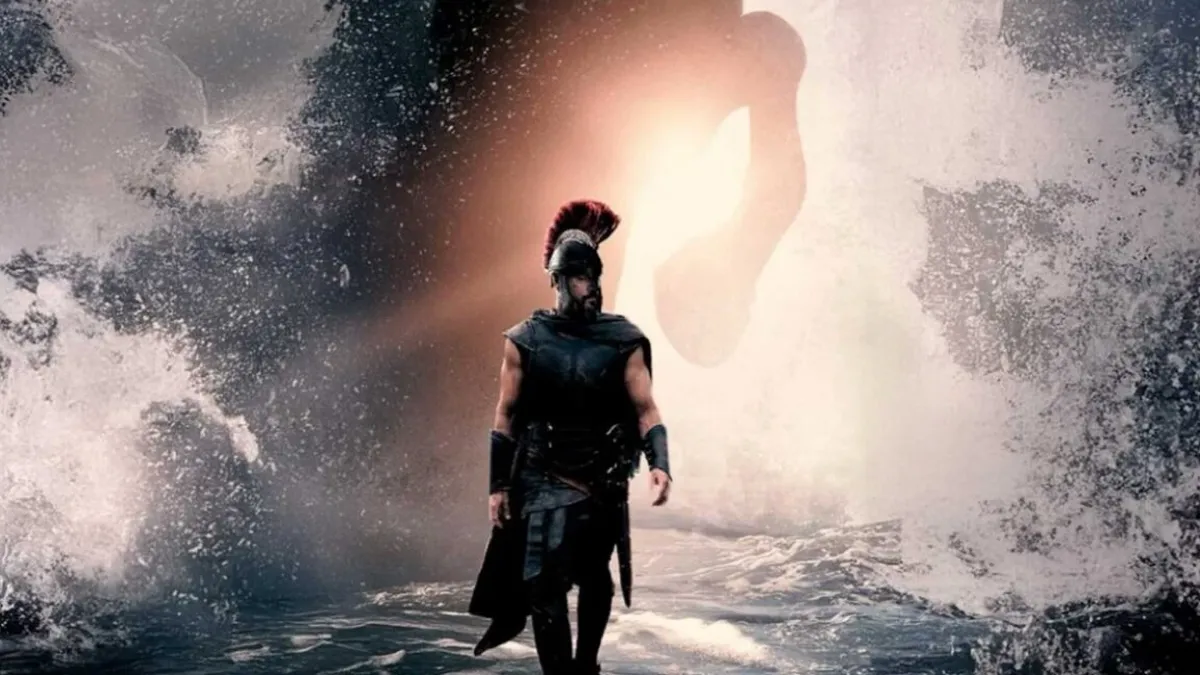
Christopher Nolan’s adaptation of Homer’s epic poem, The Odyssey, has generated a whirlwind of discussion since its release. With its grand IMAX scale, impressive cast, and a narrative structure that weaves personal reckoning into a classic tale, the film offers a fresh lens through which to view the heroic journey of Odysseus. Yet, despite its box office success, which has already surpassed $700 million against a $250 million budget, the film has ignited passionate debates among classicists, audiences, and casual viewers alike. Critics argue over the portrayal of its characters, the depth of its themes, and the implications of its modern reinterpretation.
Nolan has long been known for his innovative storytelling techniques, and The Odyssey is no exception. By intertwining dreams and memories, he creates a narrative that is both intimate and expansive, allowing viewers to experience Odysseus's internal struggles alongside his external adventures. This approach not only captivates audiences but also invites them to reflect on the themes of memory, identity, and the burdens of heroism.

Reimagining a Classic: The Story of Odysseus
At its core, Nolan’s The Odyssey remains faithful to the original plot of Homer’s tale. It follows the journey of Odysseus, portrayed by Matt Damon, as he attempts to return home to Ithaca after a tumultuous ten-year war. His journey is fraught with peril: from the cyclops Polyphemus to the enchanting Sirens, each encounter serves as a test of his cunning and resolve. Meanwhile, back at home, his wife Penelope (Anne Hathaway) fends off numerous suitors, and their son Telemachus (Tom Holland) embarks on a quest to find his father.
However, Nolan’s adaptation diverges from the source material in significant ways. The film opens with a bard (Travis Scott), who sets the stage for a retelling that is both nostalgic and reflective. This framing device captures the essence of oral tradition, albeit in a contemporary context. By employing a nonlinear narrative structure, Nolan mirrors the way Odysseus himself recalls fragmented memories, creating an emotional depth that resonates with viewers.
Odysseus: A Complex Hero
One of the most striking aspects of Nolan’s adaptation is his portrayal of Odysseus as a deeply flawed and broken man. Rather than a polished hero, he is depicted as grappling with the aftermath of his choices and the horrors of war. The film reveals that Odysseus has succumbed to the effects of the lotus fruit while living with Calypso (Charlize Theron), showcasing a man who has sought refuge in forgetfulness rather than confronting his past.
This theme of self-denial is further explored through the character of Athena (Zendaya), who represents the reckoning Odysseus seeks to avoid. Their dream-like encounters serve as a reminder of his responsibilities and the emotional toll of his journey. The film's cinematography enhances these moments, with shifting tones reflecting Odysseus's internal struggles and gradual awakening to his past.

Supporting Characters and Their Significance
Despite the film's focus on Odysseus, the supporting characters play crucial roles in conveying its themes. Penelope, who valiantly defends her home against suitors, embodies loyalty and resilience. Her interactions with Odysseus reflect the complexities of marriage and the sacrifices made for love and duty. Critics have noted that while some characters, such as Calypso and Circe (Samantha Morton), receive limited screen time, their portrayals are rich with meaning.
- Calypso: Rather than a mere seductress, she is presented as a woman affected by trauma, using her powers to navigate her pain.
- Circe: Her transformation of Odysseus's men into swine symbolizes the dehumanization wrought by war and betrayal.
- Sinon (Elliot Page): A character not found in Homer’s work, his inclusion adds layers to the narrative, emphasizing the collateral damage of Odysseus's schemes.
Nevertheless, some critics argue that the film underutilizes its star-studded cast, pointing out that characters like Calypso and Helen (Lupita Nyong’o) take on secondary roles that could have been expanded. Yet, Nolan’s decision to focus primarily on Odysseus’s perspective allows for a more profound exploration of his psyche, even if it comes at the expense of other characters.
Controversy and Critique
As with any modern adaptation of a classic text, Nolan’s The Odyssey has not been without controversy. Some scholars, including classicist Emily Wilson, have taken issue with the film’s interpretation and focus. Wilson's critique centers on the film's casting choices and its perceived reliance on familiar tropes, arguing that the diverse casting reduces characters to mere archetypes.
This backlash highlights the ongoing tension between fidelity to the source material and the need for contemporary relevance. Nolan’s decision to cast a racially diverse ensemble has sparked discussions about representation in Hollywood, particularly in adaptations of classic literature. While some view this as a positive step toward inclusivity, others contend it detracts from the authenticity of the original text.
Despite the criticisms, the film's commercial success speaks volumes about its appeal. With audiences flocking to theaters, it has sparked conversations about the relevance of ancient stories in modern times. Nolan’s Odyssey is, at its heart, a tale of resilience, identity, and the human condition, themes that resonate across generations.

Key Takeaways
- Nolan’s The Odyssey offers a fresh interpretation of Homer’s classic, emphasizing Odysseus’s internal struggles.
- The film’s nonlinear narrative structure mirrors Odysseus’s fragmented memories, creating emotional depth.
- Supporting characters, while underutilized, contribute significantly to the film’s themes of loyalty, trauma, and sacrifice.
- Controversy surrounding casting choices reflects broader discussions about representation in adaptations of classic literature.
- The film’s commercial success underscores the enduring relevance of ancient stories in contemporary culture.
Frequently Asked Questions
What makes Nolan's adaptation of The Odyssey different from the original text?
Nolan's adaptation diverges from the original text by focusing on the psychological complexities of Odysseus rather than just his external adventures. The film employs a nonlinear narrative structure, allowing audiences to experience Odysseus's fragmented memories and internal struggles, which deepens the emotional resonance of the story. Additionally, the portrayal of supporting characters is reimagined to reflect contemporary themes of trauma and resilience.
How has the film been received by audiences and critics alike?
The Odyssey has received a mixed reception, with audiences praising its visual storytelling and emotional depth, while some critics have expressed concerns about character development and fidelity to the original text. Despite the critiques, the film has been a box office success, grossing over $700 million, indicating that it resonates with a broad audience. The discussions surrounding its themes and interpretations have further fueled its cultural impact.
What role does representation play in Nolan's The Odyssey?
Representation is a significant theme in Nolan's adaptation, especially given the diverse cast that includes actors of various backgrounds. This choice has sparked debates about the authenticity of adapting a classical text with a modern lens. While some view the casting as a step towards inclusivity and broadening narratives, others argue that it may detract from the traditional understanding of the characters. Ultimately, the film's approach to representation reflects ongoing conversations about race and identity in contemporary storytelling.
Comments
The Brightening Future of Automotive Headlights: A Double-Edged Sword
As headlights become brighter and more sophisticated, the implications for safety and visibility are profound. This article explores the evolution of automotive lighting technology, its impact on driving safety, and the need for balanced regulations.

Related articles

Popular in Guides
- Boomers Lead the Charge in Alcohol Abstinence: Insights from New Research
- Understanding the Physics of Silly Sprinklers and Feynman's Reverse Sprinkler Puzzle
- Mark Zuckerberg Acquires Strancally Castle: A Look at His New Irish Estate
- Last Chance to Score Discounts for TechCrunch Disrupt 2026
- The Coming Air-Conditioning Revolution in Europe: A Necessity or a Luxury?