The New Era of Smartphone Ownership: Buy or Subscribe?
As premium smartphones become increasingly expensive, a shift toward subscription and leasing models is emerging. This article explores the implications of these changes for consumers and manufacturers alike.
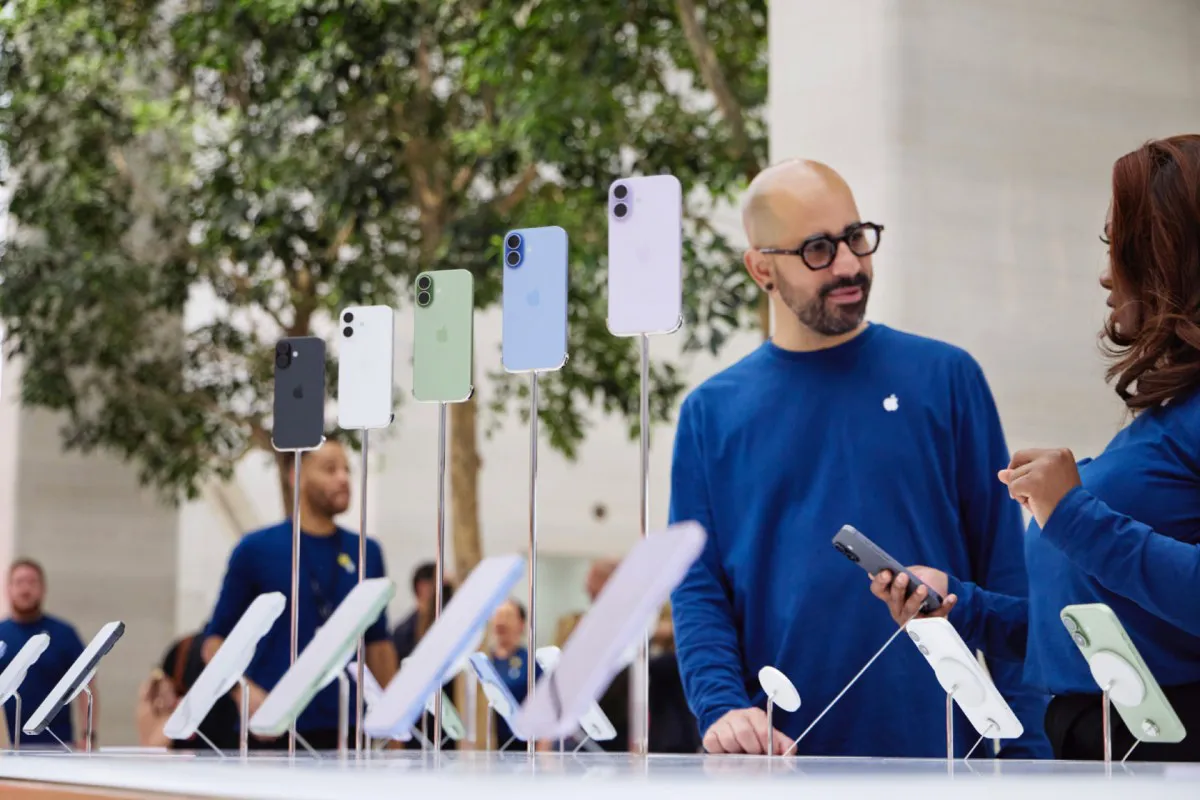
In the ever-evolving landscape of technology, the way we acquire smartphones is undergoing a significant transformation. As the prices of premium devices soar, consumers are faced with a critical decision: should they continue to buy their next smartphone outright, or consider subscribing to one instead? Major players like Apple and Samsung are betting on subscription models and leasing programs to entice users to upgrade more frequently. This article delves into the implications of this shift, the strategies employed by leading manufacturers, and what it all means for consumers.
The Rise of Subscription Models
In a world where the average cost of a flagship smartphone can exceed $1,000, the traditional model of outright purchasing may soon be supplemented, if not replaced, by alternatives like leasing and subscription services. Recently, Apple launched its Apple Upgrade program in collaboration with Klarna, allowing users to lease devices such as the iPhone, Mac, iPad, and Apple Watch for a monthly fee. This model provides flexibility, giving consumers the option to upgrade, return, or eventually purchase their devices.
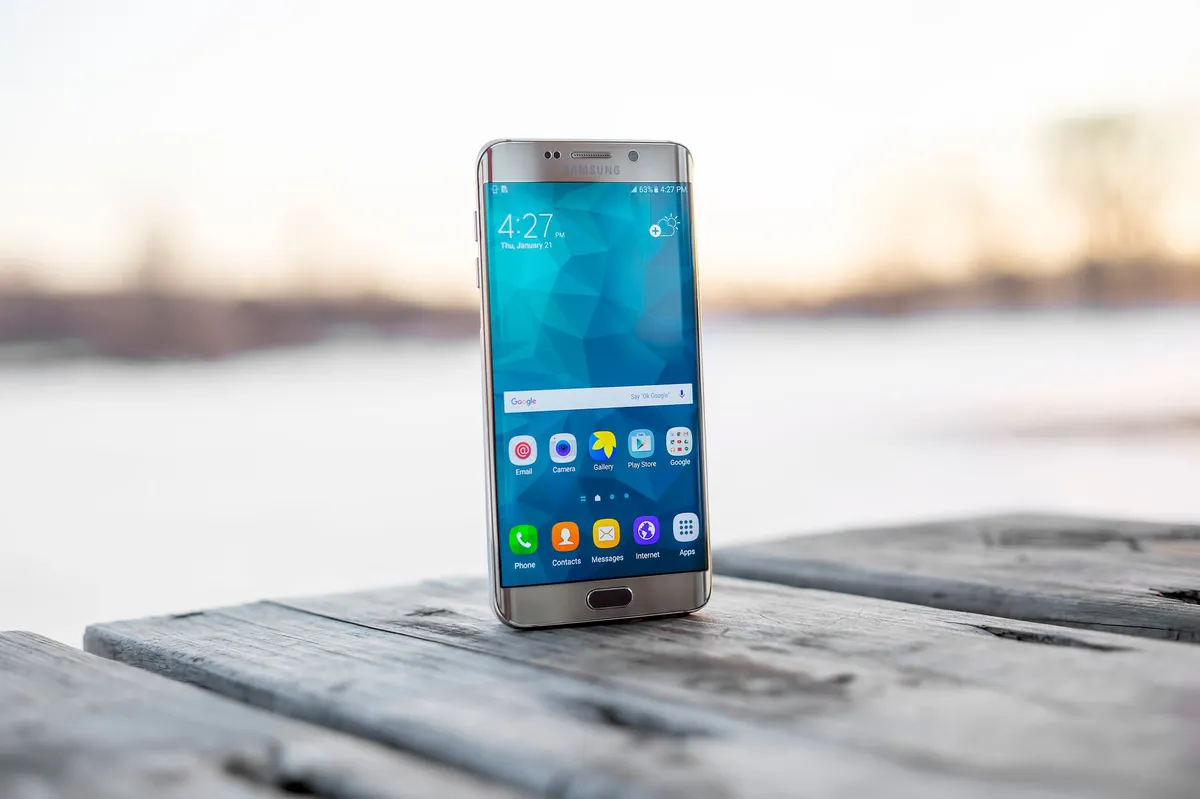
Similarly, Samsung's Galaxy Forever program in India offers a blend of financing and guaranteed buyback, enabling users to upgrade their smartphones more predictably. Such programs aim to cater to a growing demographic of users who prefer to update their devices regularly without the hefty upfront costs.
Consumer Behavior and Market Dynamics
The shift towards subscription models can be traced back to changing consumer behavior. As smartphones have become more expensive, users are holding onto their devices for longer periods. According to analyst firm Counterpoint Research, the average global replacement cycle is projected to stretch to four years by 2026, up from 3.5 years in 2025. This trend is particularly evident in the United States, where premium smartphone owners now keep their devices for an average of 42 months.
The Impact of Pricing on Replacement Cycles
The increasing prices of smartphones, coupled with incremental hardware improvements over the years, have led to longer replacement cycles. As a result, manufacturers are facing a dual challenge: convincing users to upgrade more frequently while also demonstrating that these new ownership models offer financial advantages over outright purchases.
- High smartphone prices are leading to extended ownership periods.
- Consumers who upgrade every year or two may find leasing more economical.
- Leasing programs require a solid secondary market for refurbished devices.
The Financial Implications of Leasing vs. Buying
Matt Schulz, chief consumer finance analyst at LendingTree, points out that leasing isn't necessarily the best option for everyone. Users who keep their smartphones for three to five years often find it more cost-effective to buy outright rather than subscribe. However, for those who upgrade frequently, the financial landscape looks different. Max Weinbach, an analyst at Creative Strategies, argues that for consumers who regularly replace their devices, the costs associated with leasing can sometimes be on par with, or even less than, purchasing outright and later trading in.
This paradigm shift is also about more than just affordability. Smartphone manufacturers are keen on retaining customers within their ecosystems as competition intensifies. IDC's Navkendar Singh notes that the primary motivation behind these subscription models is not just to shorten upgrade cycles but to protect profit margins and customer loyalty.
The Ecosystem Advantage
As smartphone manufacturers move towards owning the relationship with consumers, they aim to create a more predictable revenue stream through subscription services. Historically, financing options have been predominantly offered by wireless carriers. However, companies like Apple and Samsung are taking the reins, enabling them to maintain a direct connection with their customers.
Nabila Popal, senior research director at IDC, highlights that the U.S. market boasts the highest average selling prices for smartphones, partly due to interest-free financing options and aggressive trade-in offers. With more than 80% market share combined, Apple and Samsung are poised to leverage these new business models to enhance customer retention and maximize lifetime value.
Emerging Competitors and Global Trends
This trend isn't confined to the U.S.; it has gained traction globally. In India, startups like BytePe are offering subscription-like plans for smartphones, catering to young professionals who prefer not to pay full price upfront. BytePe's founder, Jayant Jha, reports that over 80% of their customers opt for subscriptions rather than traditional purchase methods.
In addition to BytePe, companies in the UK, like Raylo, and Germany's Grover, are also capitalizing on the demand for leasing and subscription services, indicating a broader shift in consumer preferences worldwide. Such trends suggest that subscription models may become increasingly common, especially in the premium smartphone segment.

Looking Ahead: Coexistence of Business Models
As we look to the future, it appears that outright purchases, leasing, and subscriptions will coexist rather than one model completely replacing another. Mandeep Manocha, co-founder of Cashify, suggests that the transition toward leasing may take time, particularly in regions like the U.S. where carrier financing has long been the norm. While programs like Apple's Upgrade may have a significant impact on Mac sales, the overall effect on the smartphone market remains to be seen.
Key Takeaways
- Smartphone manufacturers are increasingly adopting subscription and leasing models to cater to consumers looking for flexibility.
- Longer replacement cycles are prompting brands to innovate financing strategies to maintain customer loyalty.
- Leasing may be financially advantageous for frequent upgraders but not for those who prefer to hold onto devices longer.
- The global trend toward subscriptions opens new opportunities for startups and established brands alike.
- Outright purchases, leasing, and subscription services are likely to coexist in the smartphone market.
Frequently Asked Questions
What are the benefits of subscribing to a smartphone?
Subscribing to a smartphone can offer several benefits, including lower upfront costs, flexibility in upgrading devices, and access to the latest technology without committing to long ownership periods. For consumers who frequently upgrade, subscription models can make premium devices more accessible and financially manageable.
Are subscription models suitable for everyone?
No, subscription models are not suitable for everyone. Consumers who plan to keep their devices for several years may find it more economical to purchase outright rather than subscribe. It's essential for individuals to evaluate their usage patterns and financial situations before deciding on a subscription versus outright purchase.
How do smartphone manufacturers benefit from subscription services?
Smartphone manufacturers benefit from subscription services by creating predictable revenue streams and increasing customer retention. By offering leasing and subscription options, they can keep customers within their ecosystems and encourage repeat business, ultimately enhancing their profit margins.
Will outright ownership disappear in the future?
While subscription and leasing models are gaining popularity, outright ownership is unlikely to disappear entirely. Different consumer preferences and financial situations will ensure that all three models—outright purchases, leasing, and subscriptions—will coexist in the market for the foreseeable future.
Comments
Fruit Flies and the Science of Smell: Navigating the Invisible Ribbons
Fruit flies exhibit remarkable navigation skills in tracking scents, revealing advanced cognitive abilities that challenge previous models of olfactory navigation. This article delves into their unique methods and the implications for understanding sensory processing in animals.

Related articles


Popular in Guides
- Boomers Lead the Charge in Alcohol Abstinence: Insights from New Research
- Understanding the Physics of Silly Sprinklers and Feynman's Reverse Sprinkler Puzzle
- Mark Zuckerberg Acquires Strancally Castle: A Look at His New Irish Estate
- Last Chance to Score Discounts for TechCrunch Disrupt 2026
- The Coming Air-Conditioning Revolution in Europe: A Necessity or a Luxury?