Unpacking the Tech of Jurassic Park: A Nostalgic Journey Through '90s Computing
Jurassic Park not only captivated audiences with its groundbreaking special effects but also showcased a range of '90s computing technology. This article explores the details behind the iconic computers seen in the film, their specs, and their significance in the tech landscape of the time.
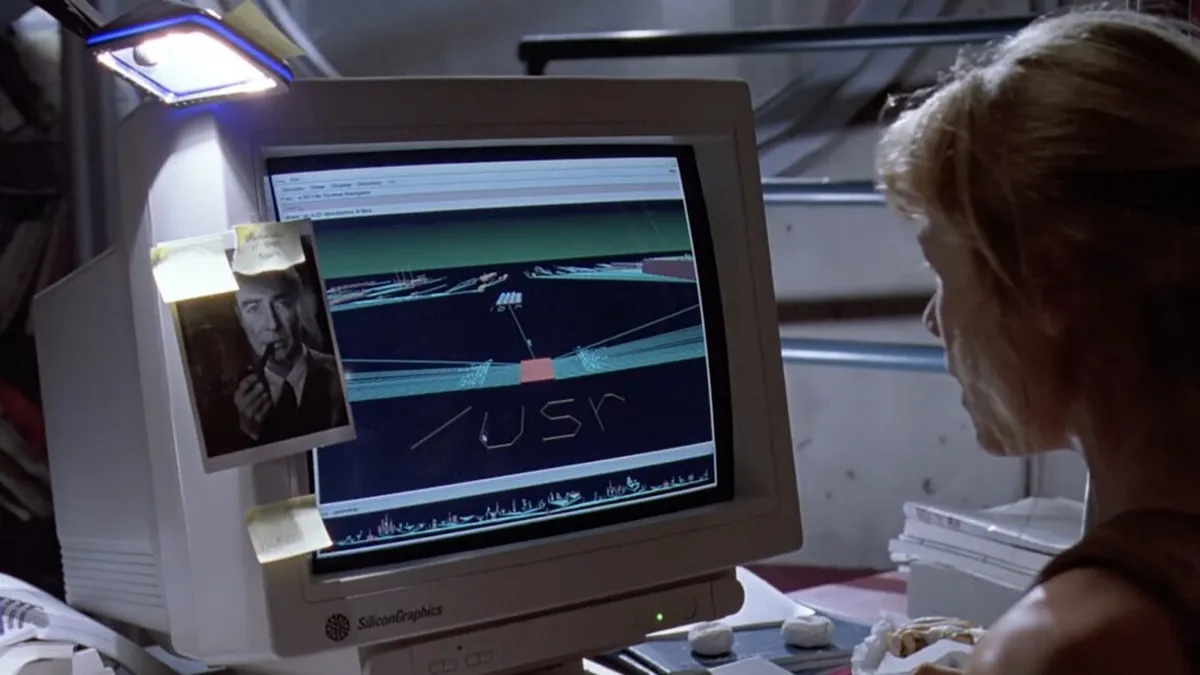
When Jurassic Park hit theaters in 1993, it wasn't just the groundbreaking CGI that captured the audience's imagination but also the technology that underpinned the film's narrative. Set against the backdrop of a dinosaur theme park, the movie featured various computers that were not only crucial to the storyline but also a nostalgic nod to the tech of the early '90s. Thanks to the meticulous attention to detail from the film's production team and insights from enthusiasts like Google software engineer Fabien Sanglard, we can explore the fascinating world of computing represented in Jurassic Park.
As technology has evolved, the computers portrayed in the film have become artifacts of a bygone era, sparking interest among both tech aficionados and film historians. The recent resurgence of interest in these devices, catalyzed by Sanglard’s comprehensive analysis, provides a unique opportunity to reflect on how far we've come in just a few decades and what those machines represented in their time.
The Iconic Unix System and Its Significance
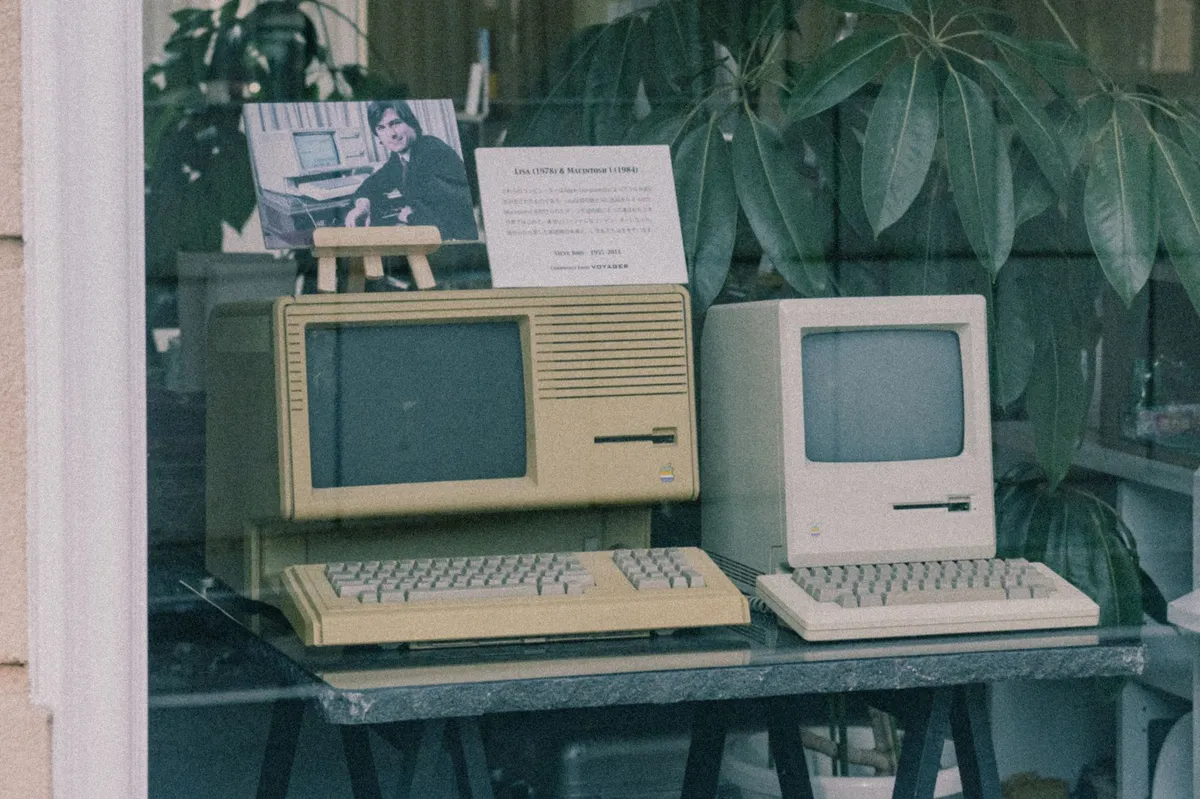
One of the most memorable moments in Jurassic Park is when the character Dennis Nedry, played by Wayne Knight, declares, “This is a Unix system, I know this!” while frantically trying to access the park's network to disable security protocols. This line has been immortalized in memes and tech culture, but it also serves as an introduction to the Unix operating system, a powerful multitasking platform that has had a significant influence on modern computing.
Understanding Unix in the '90s
In the early 1990s, Unix was a leading operating system in academic and enterprise environments due to its robustness and versatility. The film's use of a Unix system reflects not only the technological realities of the time but also the expertise of Michael Crichton, the author of the novel upon which the film is based. Crichton had a background in medicine and computing, which is evident in the film's portrayal of scientific accuracy and technical jargon.
Hardware Highlights: A Look at the Tech
Through Sanglard's analysis, several key pieces of hardware were identified that contributed to the film's authentic feel. Among them were:
- Thinking Machines CM-5 Systems: Five of these supercomputers were depicted in the film, showcasing the cutting-edge technology of the time, particularly in the realm of parallel computing.
- SGI Workstations: Silicon Graphics, Inc. (SGI) provided several workstations, including the IRIS Crimson and R4000 Indigo, which were recognized for their high-performance graphics capabilities—essential for creating the film's stunning visual effects.
- Motorola Envoy PDA: This personal digital assistant was a glimpse into the future of mobile computing, representing the shift towards personal tech that would soon dominate the market.
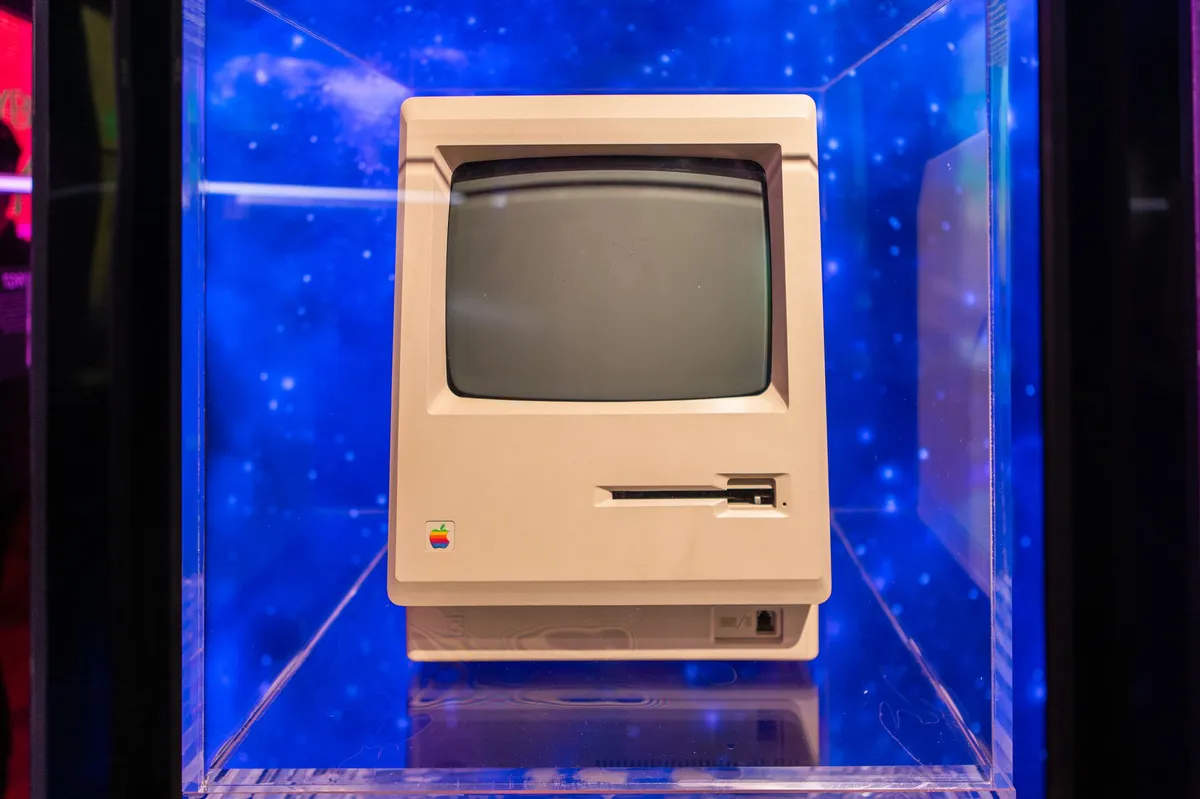
- Macintosh Quadra 700: Used by Nedry, these computers were notable for their graphical interface and helped establish Apple's reputation in creative fields.
The Impact of Computer Graphics and Software
In addition to the hardware, the filmmakers paid significant attention to the software used in the film. For instance, the characters utilize QuickTime video players, emphasizing the emerging multimedia capabilities of computers during that era. The film even features FSN, an experimental 3D file system browser that was a nod to the innovative spirit of the time.
Realism in a Fictional World
The commitment to authenticity extended beyond the visual elements. As noted by special effects coordinator Cory Faucher in the book The Making of Jurassic Park, “Everything in the set was real. We couldn’t fake any of it, because audiences are so sophisticated now in their knowledge of computers.” This focus on realism not only enriched the narrative but also resonated deeply with tech-savvy viewers who appreciated the accuracy.
Reflections on Nostalgia and Technological Evolution
As we reflect on the technology of Jurassic Park, it's essential to consider how the landscape of computing has transformed since its release. The machines that once represented the cutting edge of technology have become nostalgic relics. The rise of cloud computing, mobile devices, and user-friendly interfaces has rendered many of the machines in Jurassic Park obsolete. However, they remain significant in our cultural memory and serve as a reminder of the rapid pace of technological advancement.
Modern Comparisons
Today, we have access to powerful computing devices in our pockets, capable of performing tasks that once required entire rooms filled with hardware. The evolution from bulky desktop systems to sleek smartphones and tablets reflects not only advancements in technology but also changes in consumer behavior and software development.

Key Takeaways
- Jurassic Park's technology reflects the computing landscape of the early '90s.
- Unix and SGI workstations were crucial for showcasing the film's visual effects.
- The film's commitment to realism resonated with audiences and highlighted the sophistication of '90s computing.
- Technological advancements have rendered many of the film's computers obsolete, yet they remain iconic in tech history.
Frequently Asked Questions
What role did Michael Crichton's background play in the film's technology portrayal?
Michael Crichton's expertise in both medicine and computing allowed him to create a narrative that was not only thrilling but also grounded in scientific plausibility. His understanding of technology informed the detailed depiction of computer systems in Jurassic Park, making them integral to the plot and believable to audiences.
How did the film's production team source the tech used?
The production team collaborated with technology companies, notably Silicon Graphics and Apple, to secure authentic hardware for the film. This partnership ensured that the devices portrayed were representative of the latest advancements in computing, adding to the film's credibility.
Are any of the computers used in Jurassic Park still in use today?
While the specific machines used in Jurassic Park are largely obsolete, the principles of their technology continue to influence modern computing. For instance, Unix-like operating systems are still widely used in servers and high-performance computing environments, illustrating the lasting impact of the film's tech choices.
What can modern viewers learn from the technology in Jurassic Park?
Modern viewers can appreciate the historical context of computing depicted in Jurassic Park, recognizing how far technology has come. The film serves as a reminder of the rapid advancements in computing and the importance of understanding the foundations that have led to today's innovations.
Comments
Celebrating Sam Neill: A Tribute to an Iconic Actor
Sam Neill, renowned for his role in 'Jurassic Park,' passed away at the age of 78. This article pays tribute to his remarkable career and diverse filmography.

Related articles

Popular in Guides
- Boomers Lead the Charge in Alcohol Abstinence: Insights from New Research
- Understanding the Physics of Silly Sprinklers and Feynman's Reverse Sprinkler Puzzle
- Mark Zuckerberg Acquires Strancally Castle: A Look at His New Irish Estate
- Last Chance to Score Discounts for TechCrunch Disrupt 2026
- The Coming Air-Conditioning Revolution in Europe: A Necessity or a Luxury?