Decoding the Polynesian Voyages: Climate, Culture, and Change
Exploring the remarkable shift in Polynesian voyaging patterns after a 1,700-year pause, new climate evidence sheds light on this extraordinary chapter of maritime history.

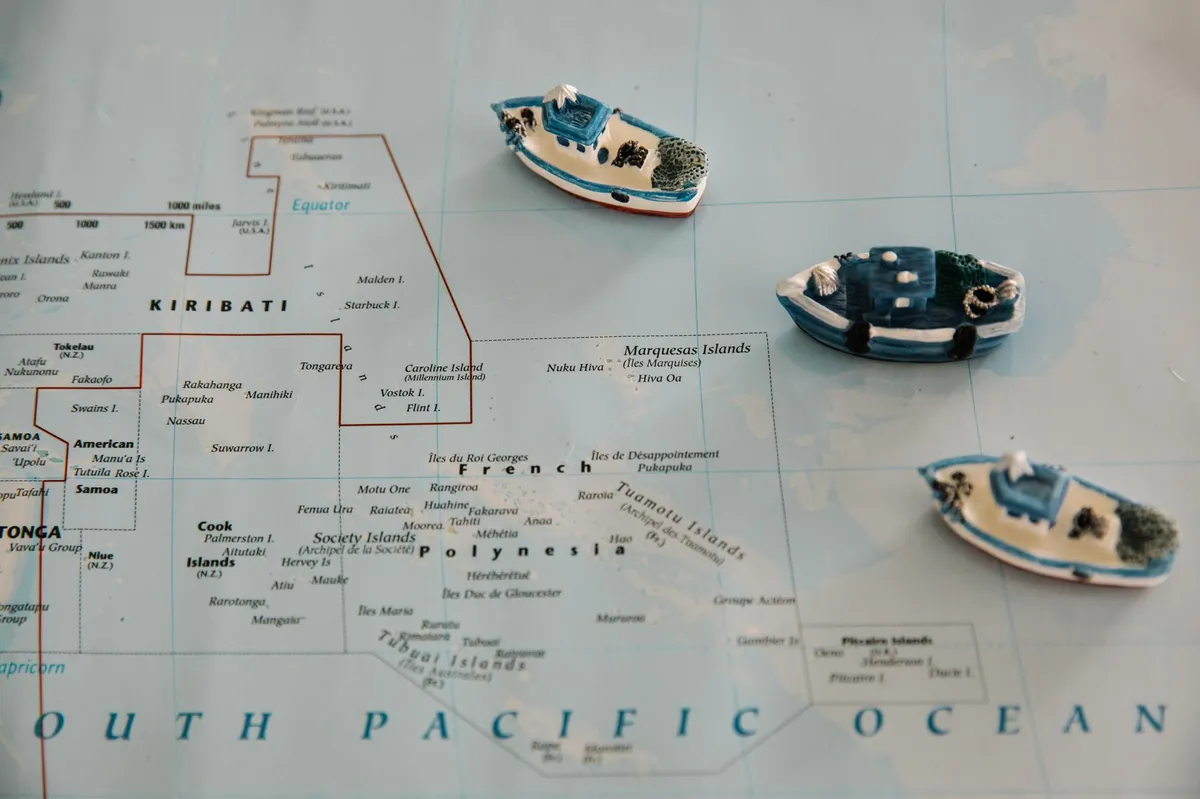
The Polynesian expansion across the vast Pacific Ocean is one of humanity's most astonishing maritime achievements. For over a millennium, Polynesian ancestors, known as the Lapita people, made their way across the ocean, navigating vast distances with incredible skill. However, after an initial phase of exploration that began around 3,000 years ago, they entered a strikingly long pause of 1,700 years, during which time they mostly settled in the island chains of Samoa and Tonga. What prompted this dramatic shift back to exploration, culminating in voyages that reached as far as Hawaii, New Zealand, and Easter Island? Recent research into climate conditions during this period provides compelling insights into this age-old mystery.
As the backdrop for the animated hit movie Moana and its recent live-action adaptation, this narrative transcends mere entertainment, delving into the real-life complexities faced by Polynesian navigators. Their journey was not just a testament to maritime prowess; it was also a response to environmental factors that shaped their lives and decisions. Understanding why these remarkable seafarers suddenly resumed their voyages after a long period of stability is crucial, as it reveals how climate change can influence human migration and cultural development.
The Long Pause: A Historical Overview
The initial phase of Polynesian expansion saw the Lapita people sail eastward into the Pacific, reaching the archipelagos of Samoa and Tonga around 1000 BC. They brought with them unique cultural elements, including distinctive pottery styles and agricultural practices. However, after this early period of exploration, Polynesian activity came to a near halt for 1,700 years. Archaeological evidence indicates that while populations in Samoa and Tonga thrived, they established unique post-Lapita cultures devoid of significant outward migration.
From Stability to Migration
The sudden shift in the late first millennium AD is a subject of intense scholarly debate. Possible explanations range from advancements in sailing technology that enabled them to navigate the easterly trade winds, to social pressures stemming from population growth. However, the most compelling explanations have emerged from recent climate research revealing environmental factors that may have catalyzed this migration.
Unlocking Climate Evidence
Understanding the climatic conditions that prevailed during this pivotal time involved reconstructing historical climate data from the southwest tropical Pacific, particularly around the islands of Tonga and Samoa. Researchers employed sophisticated techniques analyzing hydrogen isotopes preserved in ancient sediment layers found in swamps and lakes. This method allowed scientists to reconstruct a timeline of rainfall over the past two millennia, revealing significant fluctuations in climate.
Evidence of Severe Drought
The findings indicate a sustained dry period between 850 and 1200 AD, a time characterized as the driest in the last 2,000 years in the region. This environmental stress coincided with a population boom in Samoa, suggesting that the islands' resources were increasingly strained. The interplay between population growth and diminishing resources likely fueled the desire for exploration and settlement of new territories.
- Dry Conditions: The years between 850 and 1200 AD marked a critical drought period in the southwest Pacific.
- Population Pressure: Increased population density in Samoa indicated a growing need for resources.
- Technological Advances: Improved canoe-building techniques may have facilitated longer voyages.
- Environmental Factors: Shifting weather patterns influenced by the South Pacific Convergence Zone (SPCZ) played a significant role.

Factors Driving the Migration
Several factors converged to push Polynesian voyagers eastward. The prolonged drought likely forced communities to seek new lands with more reliable resources. This scenario was exacerbated by the movement of the SPCZ, a major cloud and rain-bearing zone that shifts in response to broader climate patterns, creating significant variability in rainfall distribution across the Pacific islands. Such long-term climatic changes can lead to decades of drought or unprecedented rainfall in different regions.
Technological and Cultural Resilience
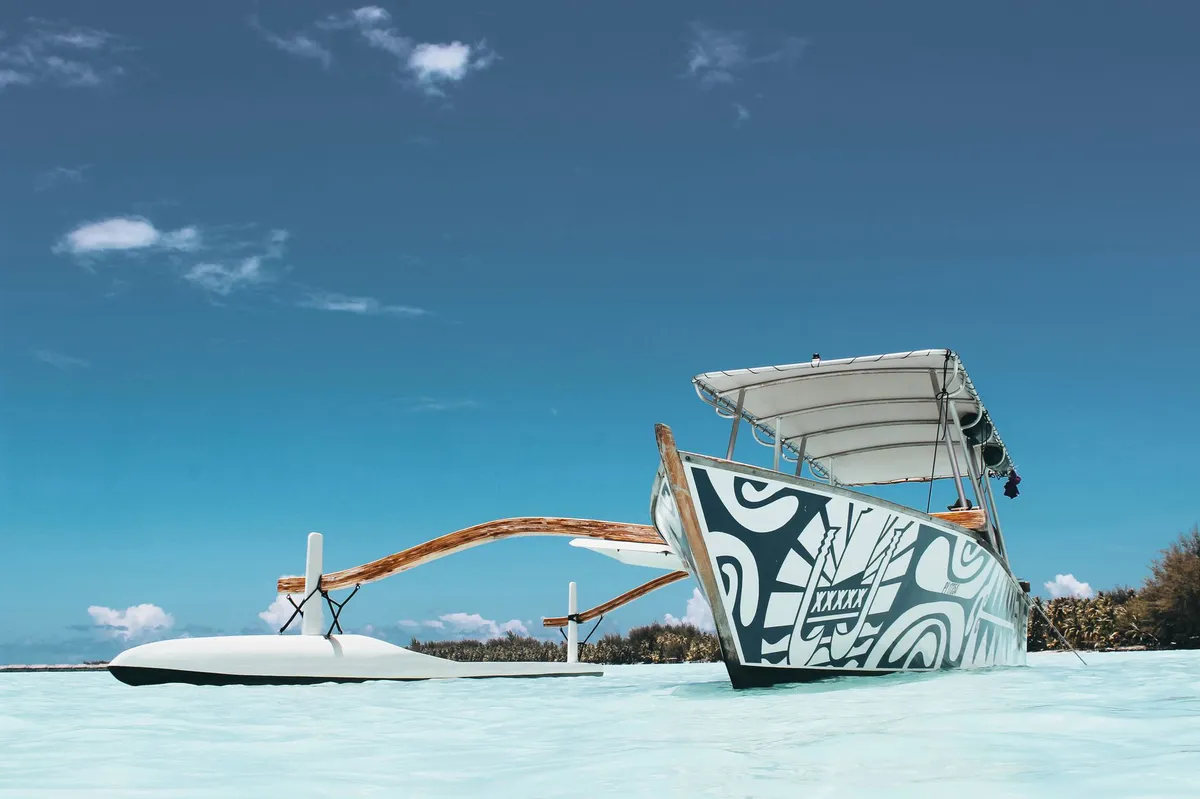
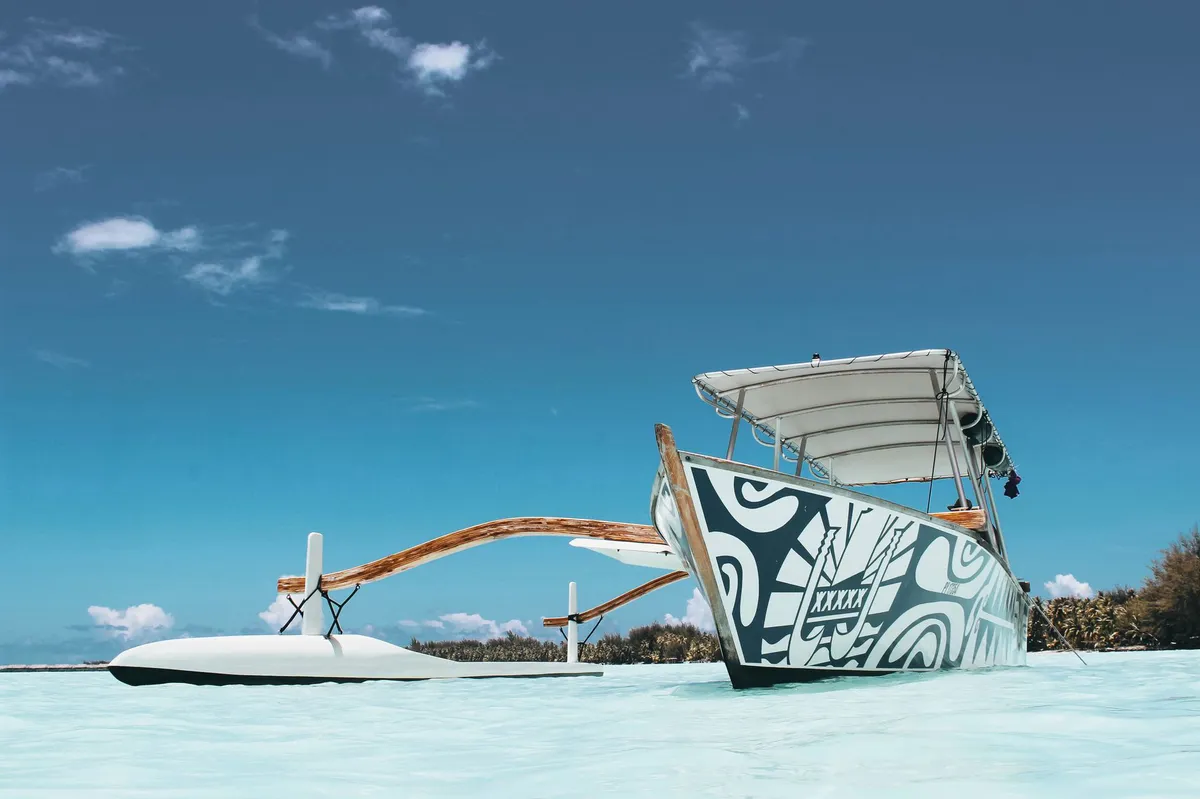
Alongside environmental pressures, advancements in maritime technology played a crucial role. The design of double-hulled canoes allowed for safer and more efficient navigation over long distances, enabling wider exploration. The cultural resilience of Polynesians, characterized by their adaptability and ingenuity, facilitated their response to these climatic challenges. Whether through agricultural innovation or enhanced navigation skills, these voyagers exemplified a remarkable ability to thrive in an ever-changing environment.
The Legacy of Polynesian Exploration
The Polynesian voyages are not merely historical footnotes; they represent a profound chapter in human exploration. Their ability to navigate thousands of miles across the Pacific, guided by stars and ocean currents, showcases the incredible knowledge and cultural sophistication of these ancient seafarers. The arrival of Polynesian populations in East Pacific territories around 1000 AD marked a significant moment in the interconnected history of human migration.
Connecting Cultures
When European explorers arrived centuries later, they found thriving communities on even the smallest atolls, all sharing deep cultural and linguistic ties. The spread of agricultural products, such as sweet potatoes, indicates that interactions may have even reached as far as the Americas. This interconnectedness underscores the importance of understanding how environmental factors can drive human migration and influence cultural exchange.
Key Takeaways
- The Polynesian expansion across the Pacific reveals critical insights into human adaptability.
- Severe drought and population growth were significant factors influencing migration.
- Advancements in navigation technology facilitated long-distance voyages.
- Cultural resilience was key in responding to environmental challenges.
Frequently Asked Questions
What were the main factors that prompted the Polynesian migrations?
The Polynesian migrations were driven primarily by environmental factors, including severe drought conditions that strained local resources, coupled with a population boom in existing settlements. Additionally, advancements in canoe technology and the cultural resilience of the Polynesian people enabled them to undertake these ambitious voyages.
How did climate research contribute to our understanding of Polynesian expansion?
Recent climate research utilized hydrogen isotopes found in ancient sediment to reconstruct historical rainfall patterns, revealing a significant dry period that coincided with Polynesian migrations. This evidence provided a clearer context for understanding how climatic changes influenced human decisions and migrations.
What legacy did the Polynesian voyages leave behind?
The legacy of the Polynesian voyages is profound, showcasing human ingenuity and adaptability. Their successful navigation across vast oceanic distances established cultural and linguistic connections among Pacific island communities and laid the foundations for future exploration and settlement.
How does the story of Polynesian expansion relate to contemporary issues?
The story of Polynesian expansion serves as a powerful reminder of how environmental challenges can shape human behavior and migration patterns. In an era of climate change, understanding historical responses to environmental stressors can provide valuable insights into contemporary issues of displacement and resilience.
Comments
Beat the Heat: The Ninja Slushi Twist Revolutionizes Frozen Drinks
During New York City's recent heat wave, the Ninja Slushi Twist emerged as a game-changer for frozen drink enthusiasts. With its dual-vessel technology, this slushie machine caters to diverse tastes and makes entertaining a breeze.

Related articles
Popular in Guides
- Boomers Lead the Charge in Alcohol Abstinence: Insights from New Research
- Understanding the Physics of Silly Sprinklers and Feynman's Reverse Sprinkler Puzzle
- Mark Zuckerberg Acquires Strancally Castle: A Look at His New Irish Estate
- Last Chance to Score Discounts for TechCrunch Disrupt 2026
- The Coming Air-Conditioning Revolution in Europe: A Necessity or a Luxury?