Revising Public Lands Grazing Regulations: A Controversial Shift
The Bureau of Land Management's proposed overhaul of public lands grazing regulations aims to increase livestock grazing while limiting public involvement, sparking controversy among environmentalists and tribal groups.
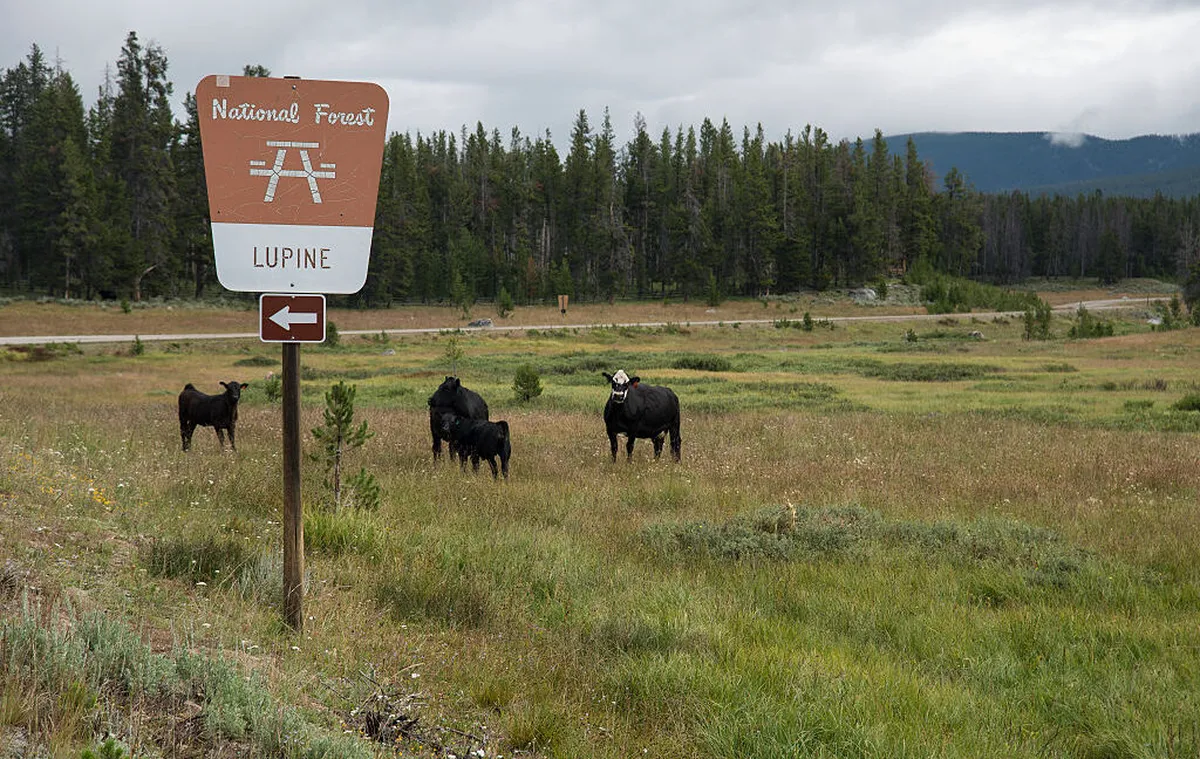
In a significant move reminiscent of a bygone era, the Bureau of Land Management (BLM) is poised to overhaul its grazing regulations for public lands, a process that has not seen substantial change since 1995. This proposed revision seeks to increase livestock grazing across 155 million acres of public lands in the Western United States—an area that dwarfs the size of New Mexico. However, this initiative is not without controversy, as it aims to curtail public participation in decision-making processes related to grazing permits, raising concerns among environmental advocates and tribal representatives.
The BLM's sweeping regulatory changes come amid criticisms of a longstanding system that allegedly benefits affluent ranchers while neglecting the ecological damage caused by overgrazing. A 2024 report from ProPublica and High Country News highlighted how the existing framework has led to significant degradation of public lands, despite the agency's acknowledgment of the environmental harms associated with livestock grazing.
Understanding the Proposed Changes
The proposed regulations, released publicly in May 2026, aim to reduce the regulatory burden on ranchers and promote what the BLM describes as 'productive working lands.' The agency's new approach is framed within the context of the Trump administration's policies, which prioritize economic development over environmental protections.
Key Aspects of the Proposal
- Increased Grazing Capacity: The BLM intends to allow more cattle, sheep, and other livestock to graze on public lands, potentially exacerbating existing environmental issues.
- Reduced Public Participation: The proposed rules include provisions that would limit public commentary on grazing permits, effectively sidelining environmentalists, tribal representatives, and other stakeholders.
- Streamlined Violations Management: The BLM plans to address minor violations of grazing regulations informally, which could foster a more cooperative relationship with ranchers.
- Flexibility for Ranchers: The regulations propose giving ranchers more leeway in managing grazing practices, allowing quicker responses to local ecological conditions.
The Impact on Stakeholders
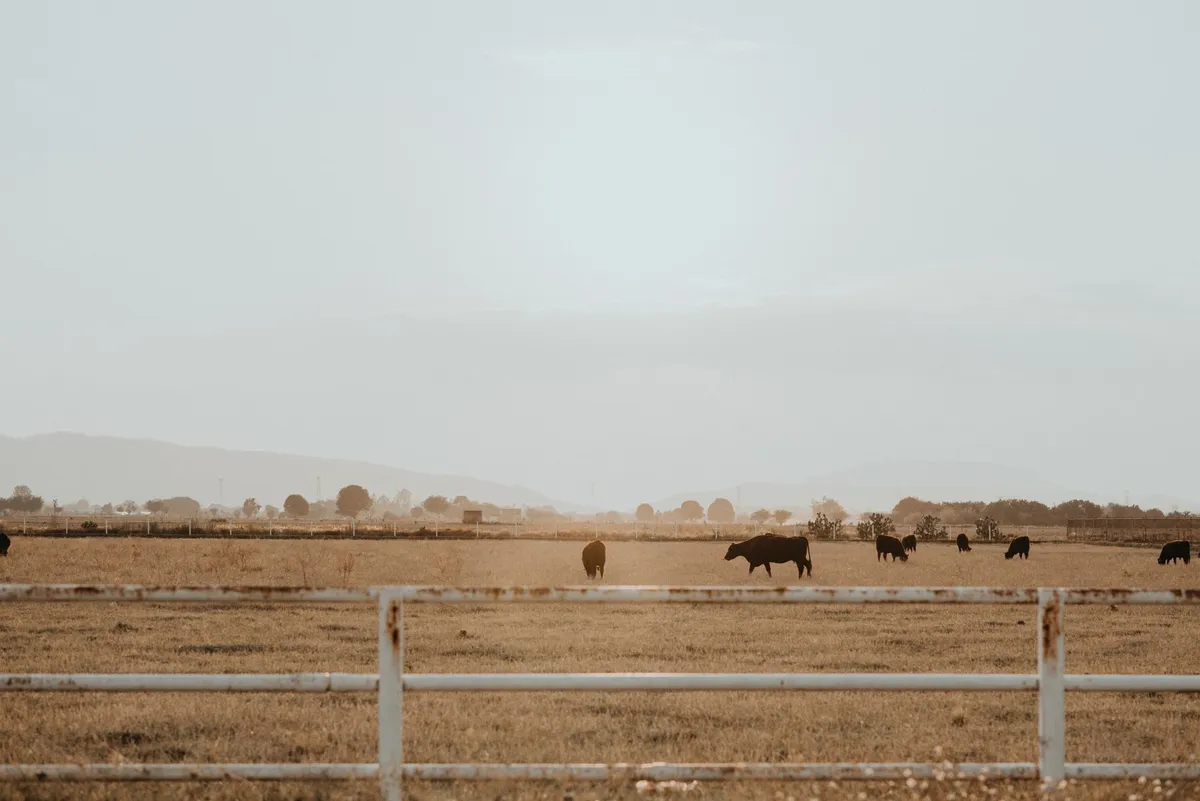
The proposed overhaul raises significant concerns for various groups, particularly Native American tribes and environmental organizations. While ranching advocates argue that the changes are necessary for economic survival and to capitalize on advancements in agricultural science, critics warn that the regulations favor ranchers at the expense of ecological integrity and public involvement.
Rancher Perspectives
Proponents of the new regulations, including Tim Canterbury, president of the Public Lands Council, laud the proposed updates as a long-overdue response to outdated rules that have historically hindered ranching operations. Canterbury emphasizes that the current regulations, which emerged from the early 1990s cattle-free movement, have constrained ranchers’ ability to adapt to modern management practices.
Environmental and Tribal Concerns
In contrast, conservationists and representatives from Native American tribes express deep unease about the proposed changes. Critics argue that increasing livestock numbers will lead to further degradation of public lands, threatening wildlife habitats and biodiversity. For tribes managing bison herds, the implications are especially concerning. The proposed regulations could jeopardize their ability to graze bison, which play a crucial role in cultural preservation and ecological restoration.
Regulatory Influence and Political Backdrop
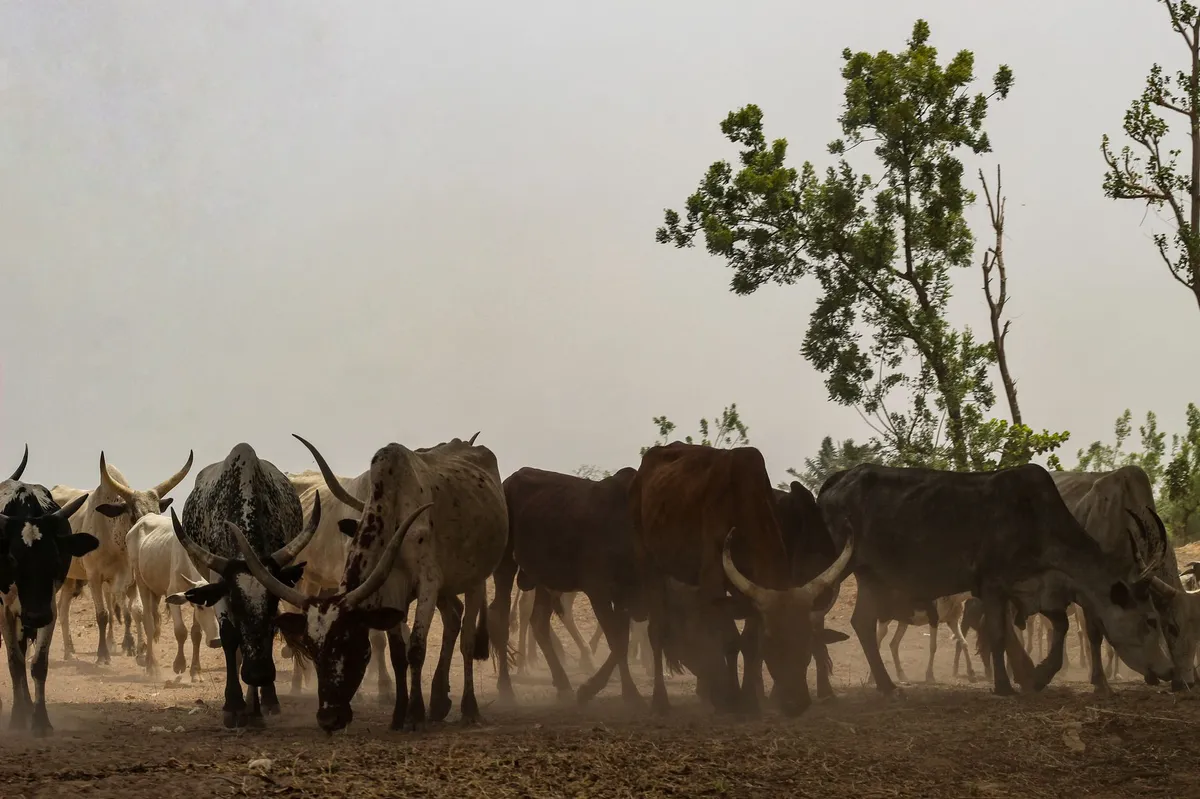
The influence of the livestock industry on the BLM’s regulatory process cannot be understated. Trade organizations like the National Cattlemen’s Beef Association have played a pivotal role in shaping the direction of these proposed changes, celebrating their close collaboration with government officials. This partnership raises questions about the transparency and fairness of the regulatory process.
Ethical Concerns
One particularly contentious figure in the regulatory rewrite is Karen Budd-Falen, a high-ranking official in the Interior Department with longstanding ties to the ranching community. Her involvement has sparked accusations of conflicts of interest, given her history of advocating for ranchers' interests and her prior ethical restrictions that have since been waived. Critics argue that her influence could skew the regulations in favor of ranchers, sidelining the input of conservationists and tribal representatives.
The Future of Public Lands Grazing
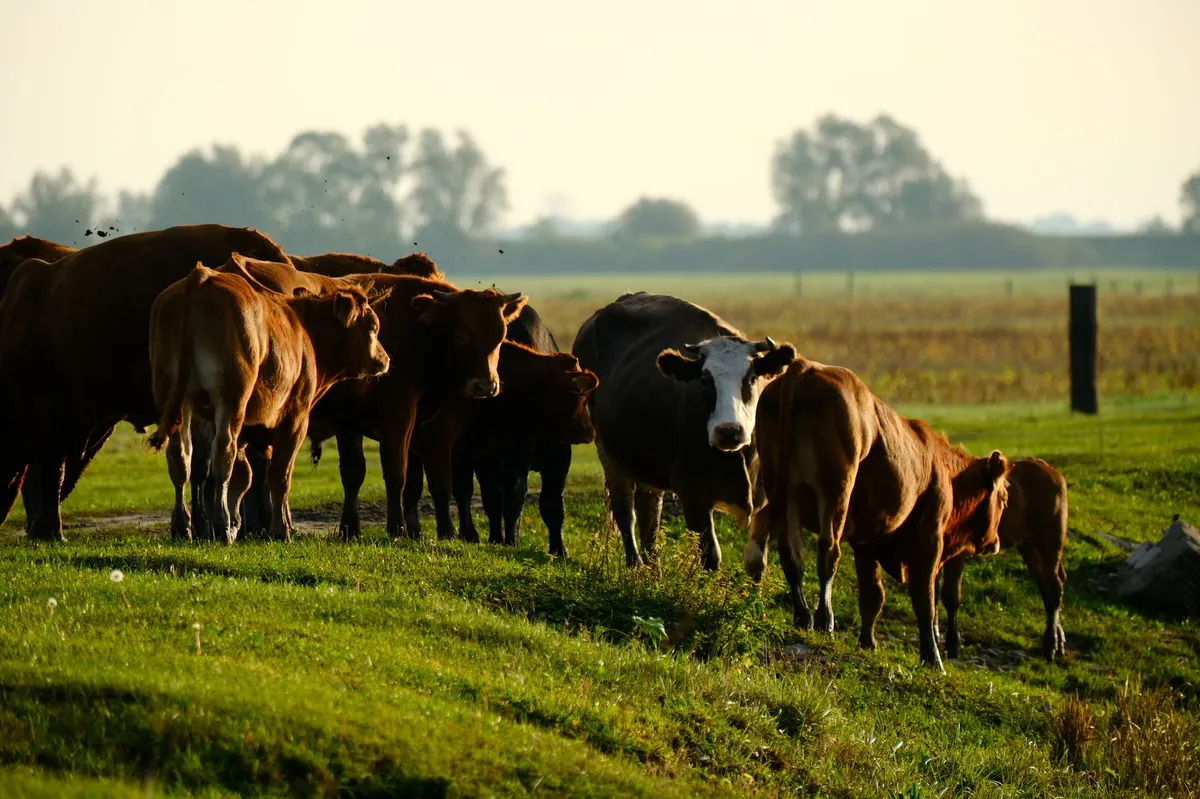
As the BLM prepares to revise its grazing regulations, the potential consequences loom large. The proposed changes could fundamentally alter the landscape of public lands grazing, prioritizing livestock production at a time when many are calling for greater ecological stewardship.
Legal and Environmental Implications
Legal experts anticipate that the changes could lead to increased litigation, particularly as environmental groups seek to challenge decisions that limit their ability to engage in the regulatory process. The proposed redefinition of the “interested public” could restrict who is considered eligible to comment on grazing decisions, potentially sidelining significant voices in the conversation about land management.
Key Takeaways
- The BLM is proposing significant changes to grazing regulations for public lands, aiming to increase livestock numbers while reducing public input.
- Ranchers support the revisions as necessary for economic viability, whereas conservationists and Native American tribes express concerns about environmental degradation and cultural impacts.
- The influence of industry groups raises ethical questions regarding the transparency of the regulatory process.
- Legal challenges are likely as environmentalists seek to maintain their ability to influence grazing decisions.
- The future of public lands grazing hangs in the balance as stakeholders navigate the implications of these proposed regulations.
Frequently Asked Questions
What are the primary goals of the BLM's proposed grazing regulation changes?
The BLM aims to increase the number of livestock grazing on public lands and reduce regulatory burdens on ranchers. The proposed changes seek to streamline the management of grazing permits and limit public participation in the decision-making process, reflecting a shift towards prioritizing livestock production.
How might these changes impact Native American tribes?
The proposed regulations could adversely affect Native American tribes that manage bison herds, as they may lose grazing permits crucial for cultural and ecological restoration efforts. Tribes have expressed concerns that the regulations favor ranchers and threaten their ability to maintain traditional practices.
What are the environmental implications of increased grazing on public lands?
Increasing livestock grazing is expected to exacerbate existing environmental issues, including habitat degradation, soil erosion, and loss of biodiversity. Critics warn that the proposed changes could lead to more significant ecological damage as ranchers are given greater flexibility to operate without adequate oversight.
How can the public influence the regulatory process?
While the proposed regulations aim to limit public input, concerned citizens can engage by submitting comments during the public review period and participating in advocacy efforts through environmental organizations. Staying informed and active in local land management discussions can help ensure that diverse voices are heard in future decisions.
Comments
Decoding the Polynesian Voyages: Climate, Culture, and Change
Exploring the remarkable shift in Polynesian voyaging patterns after a 1,700-year pause, new climate evidence sheds light on this extraordinary chapter of maritime history.

Related articles

Popular in Guides
- Boomers Lead the Charge in Alcohol Abstinence: Insights from New Research
- Understanding the Physics of Silly Sprinklers and Feynman's Reverse Sprinkler Puzzle
- Mark Zuckerberg Acquires Strancally Castle: A Look at His New Irish Estate
- Last Chance to Score Discounts for TechCrunch Disrupt 2026
- The Coming Air-Conditioning Revolution in Europe: A Necessity or a Luxury?