Volcanic Eruptions: How They Shaped Climate and Society
Throughout history, volcanic eruptions have not only altered landscapes but have also profoundly impacted climate and human societies. This article delves into several significant eruptions, their effects on the environment, and how they influenced historical events.
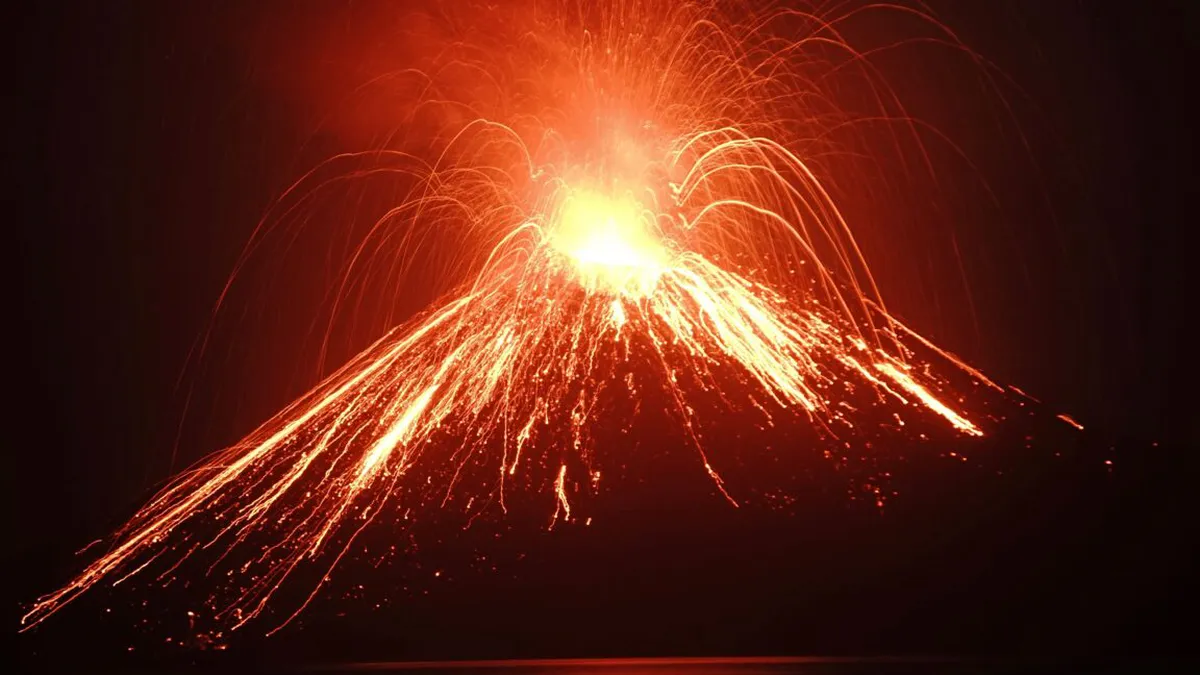
Volcanic eruptions have captivated human interest for centuries, not just for their destructive power but also for their profound influence on climate and society. From the catastrophic eruption of Krakatau in 1883, which claimed over 36,000 lives and reshaped our understanding of volcanology, to the lesser-known but equally impactful eruptions of the past, the narrative of volcanoes intertwines with the very fabric of human history. Each eruption serves as a reminder of nature's capacity to alter not just landscapes, but also the course of civilizations.
The eruption of Krakatau in 1883 stands as a pivotal moment in volcanic history. Located in the Sunda Strait between the islands of Java and Sumatra, the eruption produced one of the loudest sounds ever recorded in history, heard as far away as Australia. It obliterated entire islands and unleashed tsunamis that devastated coastal towns. The rapid transmission of news through Victorian-era telegraphs allowed the world to witness the immediate aftermath and understand the long-term consequences of such natural disasters.
The Immediate Aftermath of Krakatau
On August 27, 1883, a series of explosions from Krakatau culminated in a cataclysm that reshaped the geography of the region. The initial reports were shocking: “Terrific detonations from Krakatau,” and “Where once Mount Krakatau stood, the sea now plays.” The death toll, primarily due to the resulting tsunamis, exceeded 36,000, marking it as one of the deadliest volcanic events in history.
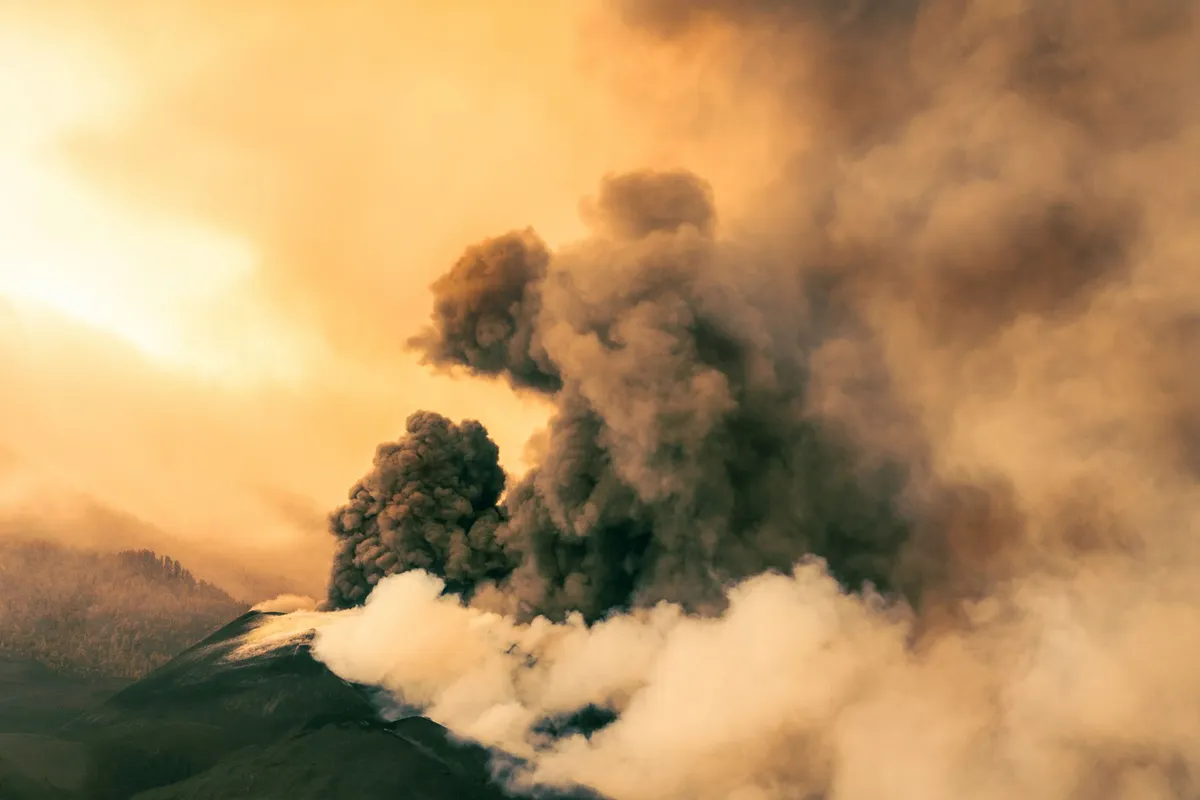
The eruption had far-reaching consequences beyond immediate destruction. Volcanic ash and sulfur dioxide were ejected high into the atmosphere, creating a veil that reflected sunlight and caused global temperatures to drop. In the following years, this led to vividly colored sunsets and a series of climatic anomalies, including a drop in summer temperatures by approximately 0.6° Celsius (1.1° Fahrenheit) in non-tropical regions. This phenomenon highlights the ability of volcanoes to impact climate on a global scale.
Long-Term Climate Consequences
The eruption of Krakatau was not an isolated incident in the annals of history. Volcanic eruptions have long been known to influence climate, agricultural productivity, and even societal structures. The sulfur emissions from eruptions create aerosols that linger in the atmosphere, cooling the Earth and affecting weather patterns for years following an eruption. As researchers delve deeper into the connections between volcanic activity and human history, they uncover intriguing links that suggest that these eruptions may have played a role in societal changes throughout the centuries.
Historical Context: The Year 536
One of the most significant cases of volcanic impact on climate was recorded in the year 536, often referred to as the beginning of a climatic catastrophe. Historical texts from Europe, the Middle East, and Asia described an inexplicable haze that obscured the sun for 18 months, resulting in a dramatic drop in temperatures and failed harvests. This period is believed to have been triggered by a major volcanic eruption, yet the exact source remains a mystery.
Ice core samples from Greenland and Antarctica show significant levels of sulfur dating back to 536, implying that a monumental eruption occurred. However, without written records from the region where the eruption took place, pinpointing its source is challenging. This mystery underscores the complexities of connecting geological events to societal outcomes.
Volcanoes and the Decline of Empires
The connection between volcanic eruptions and the decline of empires is exemplified by the eruption of Samalas in 1257, which has been linked to the downfall of the Mongol Empire. Recent research revealed that the Samalas eruption released a massive amount of sulfur into the atmosphere, leading to global cooling. The resulting agricultural failures contributed to the decline of the Mongol Empire, as bad harvests and subsequent famines weakened their hold on power.
In a similar vein, during the late 1340s, Europe faced the devastating Black Death, which may have been exacerbated by climatic changes following volcanic eruptions. Historical records indicate that the years leading up to the plague saw unusually dark skies, likely due to volcanic haze. The resulting crop failures forced Europe to import grain from distant regions, inadvertently introducing rats that carried the plague, leading to one of the deadliest pandemics in human history.
Modern Understanding and Implications
As the field of volcanology has evolved, scientists have gained a better understanding of the relationship between volcanic eruptions and their societal impacts. The ability to analyze ice core data and tree rings has enhanced our comprehension of how these natural events shape climatic conditions and, by extension, human societies. For instance, the eruption of Laki in Iceland in 1783 caused a significant climate anomaly in Europe, leading to widespread famine and public health crises.
The 1815 eruption of Mount Tambora in Indonesia was another landmark event that resulted in what came to be known as the “Year Without a Summer.” The atmospheric disruptions caused by Tambora led to unprecedented crop failures across Europe and North America, triggering food shortages and economic instability. The cultural implications were profound, inspiring literary works like Mary Shelley’s Frankenstein, which was born out of the gloomy summer that followed the eruption.
Key Takeaways
- Volcanic eruptions can cause significant climate changes, impacting agriculture and human societies.
- The 1883 eruption of Krakatau exemplified the destructive potential of volcanoes, leading to a death toll of over 36,000.
- Historical eruptions like Samalas and Tambora have been linked to the decline of empires and societal changes.
- Modern science utilizes ice cores and tree-ring analyses to understand the climatic impacts of volcanic eruptions.
- Volcanoes not only reshape landscapes but can also alter the course of human history.
Frequently Asked Questions
How do volcanic eruptions affect climate?
Volcanic eruptions release large quantities of sulfur dioxide and ash into the atmosphere. These particles can reflect sunlight, leading to a cooling effect on the Earth’s surface. The cooling can last for months or even years, disrupting weather patterns and affecting agricultural productivity.
What role did Krakatau play in the history of volcanology?
The eruption of Krakatau in 1883 was significant because it was one of the first volcanic events to be documented in near real-time due to advancements in telecommunication. This allowed for a better understanding of volcanic activity's immediate and long-term impacts, laying the groundwork for modern volcanology.
Can volcanic eruptions cause societal changes?
Yes, historical evidence suggests that volcanic eruptions can lead to societal changes by causing climate anomalies that disrupt agriculture and lead to famine or public health crises. These disruptions can contribute to the decline of empires or the rise of social unrest.
What modern techniques are used to study past volcanic eruptions?
Scientists utilize ice cores and tree-ring studies to analyze past volcanic eruptions. Ice cores capture atmospheric changes over time, while tree rings provide insights into annual climate conditions, allowing researchers to correlate volcanic activity with historical events.
Comments
The Threat to America's Wild Spaces: Understanding the Roadless Rule Rollback
The proposed dismantling of the Roadless Rule by the Trump administration poses significant risks to wildlife habitats and water quality across the U.S. This article explores the implications of this rollback and the importance of preserving roadless areas for future generations.
Related articles

Popular in Guides
- Boomers Lead the Charge in Alcohol Abstinence: Insights from New Research
- Understanding the Physics of Silly Sprinklers and Feynman's Reverse Sprinkler Puzzle
- Mark Zuckerberg Acquires Strancally Castle: A Look at His New Irish Estate
- Last Chance to Score Discounts for TechCrunch Disrupt 2026
- The Coming Air-Conditioning Revolution in Europe: A Necessity or a Luxury?