The Threat to America's Wild Spaces: Understanding the Roadless Rule Rollback
The proposed dismantling of the Roadless Rule by the Trump administration poses significant risks to wildlife habitats and water quality across the U.S. This article explores the implications of this rollback and the importance of preserving roadless areas for future generations.
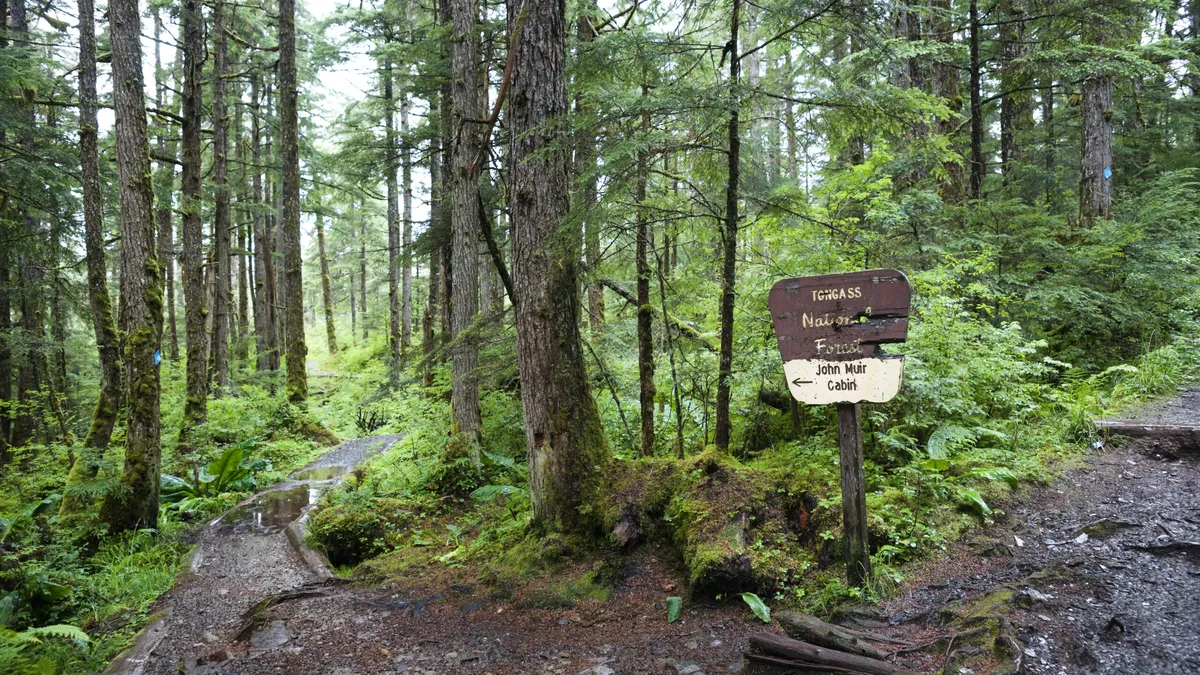
The United States is home to some of the most beautiful and ecologically diverse landscapes in the world. Yet, as the Trump administration proposes a rollback of the 2001 Roadless Rule, these pristine areas are under threat. This rule, which protects over 58 million acres of national forest land from road construction and logging, has long been supported by the American public and is vital for maintaining the health of our ecosystems. Its potential dismantling raises urgent questions about the future of wildlife habitats, water purity, and the recreational opportunities that millions cherish.
At the heart of the issue is the conflict between economic development and environmental conservation. The administration argues that rescinding the Roadless Rule will facilitate economic growth by allowing logging and road access in previously protected areas. However, the ecological costs of such actions could far outweigh any short-term economic benefits, leading to irreversible damage to the very landscapes that support diverse wildlife and provide clean water for millions.
The Roadless Rule: A Brief Overview
Issued in January 2001 during President Bill Clinton's administration, the National Forest Roadless Area Conservation Policy, commonly known as the Roadless Rule, was designed to safeguard the remaining roadless areas within the National Forest System. It prohibits road construction, maintenance, and commercial logging in these designated areas. This rule has garnered unprecedented public support, receiving more comments than any other regulation in history, and applies to over 58 million acres across the nation.
While the majority of these areas are located in the western United States and Alaska, roadless areas exist in 38 states and Puerto Rico. The Roadless Rule aims to preserve forest health, protect watersheds, and maintain recreational opportunities like hiking and camping, ensuring that future generations can enjoy these natural wonders.
The Ecological Importance of Roadless Areas
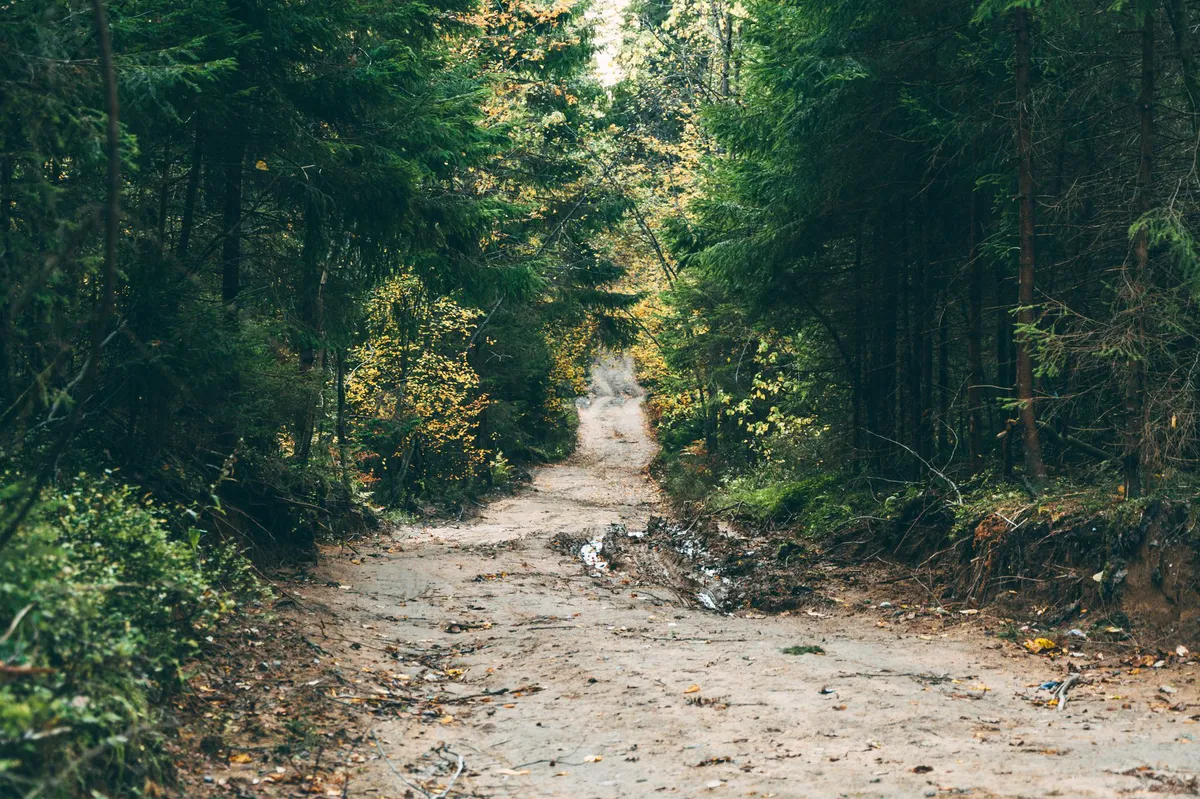
Roadless areas are not just empty spaces; they are vital ecosystems that provide habitat for countless species. For instance, the Tongass National Forest in Alaska is home to diverse wildlife such as eagles, bears, and salmon, all of which depend on the old-growth forests that thrive in these regions. These habitats are crucial for maintaining biodiversity, as they often serve as core habitats for imperiled species.
Benefits of Preserving Roadless Areas
- Wildlife Habitat: Roadless regions provide essential habitats for species facing extinction, including the relictual slender salamander and the lodgepole chipmunk.
- Water Quality: These areas protect watersheds that supply drinking water to 47 million Americans, preventing sedimentation and maintaining hydrological health.
- Recreational Opportunities: Roadless areas offer a variety of outdoor activities, preserving the cultural and recreational heritage of hiking, fishing, and camping.
Research has shown that every formal roadless area supports at least two species of conservation concern, with some areas in Arizona hosting up to 62 imperiled species. The ecological integrity of these places is paramount, as removing protections could lead to habitat fragmentation that is impossible to reverse.
The Dangers of Road Construction
While roads provide access to remote areas, they come with significant ecological drawbacks. Roads can facilitate the spread of invasive species, disrupt animal movements, and increase sediment runoff into streams, which can be detrimental to fish populations. Additionally, the noise generated from roads can stress wildlife, affecting their behavior and reproductive success.
Furthermore, roads often intersect with streams and rivers, necessitating the construction of culverts to allow water to flow beneath. However, these structures are frequently inadequately designed, leading to barriers for fish passage and contributing to local extinctions of vulnerable species.
The Rollback Proposal: What’s at Stake?
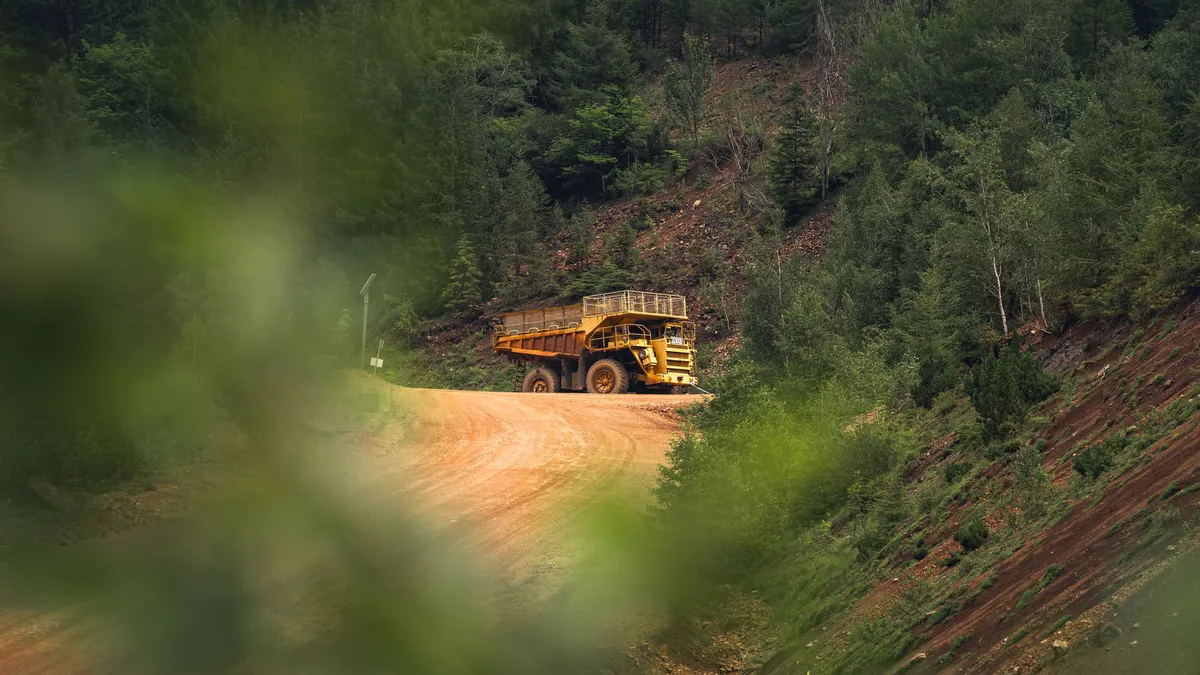
The proposed rollback of the Roadless Rule threatens to open these vital ecosystems to commercial logging and road building, activities that could irreparably harm wildlife habitats and water quality. The administration’s rationale for this action—promoting economic growth—overlooks the long-term benefits of preserving these areas for the environment and the public.
Public sentiment remains overwhelmingly in favor of the Roadless Rule, as evidenced by the reaction to the administration’s proposal. In 2001, Americans voiced their commitment to protecting these lands, and today, a review by the Center for Western Priorities found that public comments overwhelmingly oppose the rollback.
Key Takeaways
- The Roadless Rule protects over 58 million acres of national forests from logging and road construction.
- Roadless areas are vital for wildlife conservation, clean water, and recreational opportunities.
- Removing protections could lead to habitat fragmentation and increased risks for imperiled species.
- Public opposition to the rollback remains strong, reflecting a commitment to preserving these natural spaces.
Frequently Asked Questions
What is the Roadless Rule and why was it established?
The Roadless Rule is a federal regulation that protects designated roadless areas within the National Forest System from road construction and logging. Established in 2001, it aims to maintain forest health, protect water quality, and preserve wildlife habitats. The rule arose from public demand for conservation and has been widely supported due to its ecological benefits.
How does road construction affect wildlife and ecosystems?
Road construction can fragment habitats, making it difficult for wildlife to move freely and find mates, food, and shelter. Roads can also introduce invasive species, increase sediment runoff into waterways, and create noise pollution that stresses animals. These factors can lead to declines in wildlife populations and overall ecosystem health.
What are the potential consequences of dismantling the Roadless Rule?
Removing the Roadless Rule could open protected areas to logging and road development, leading to habitat destruction and negative impacts on water quality. The loss of these protections could exacerbate threats to endangered species, reduce biodiversity, and compromise the recreational opportunities that many Americans value.
How can the public voice their concerns about the Roadless Rule rollback?
The public can submit comments during the designated comment period when the proposal is published in the Federal Register. Engaging in advocacy, reaching out to local representatives, and participating in campaigns aimed at protecting roadless areas can also amplify concerns and support for the Roadless Rule.
Comments
Volcanic Eruptions: How They Shaped Climate and Society
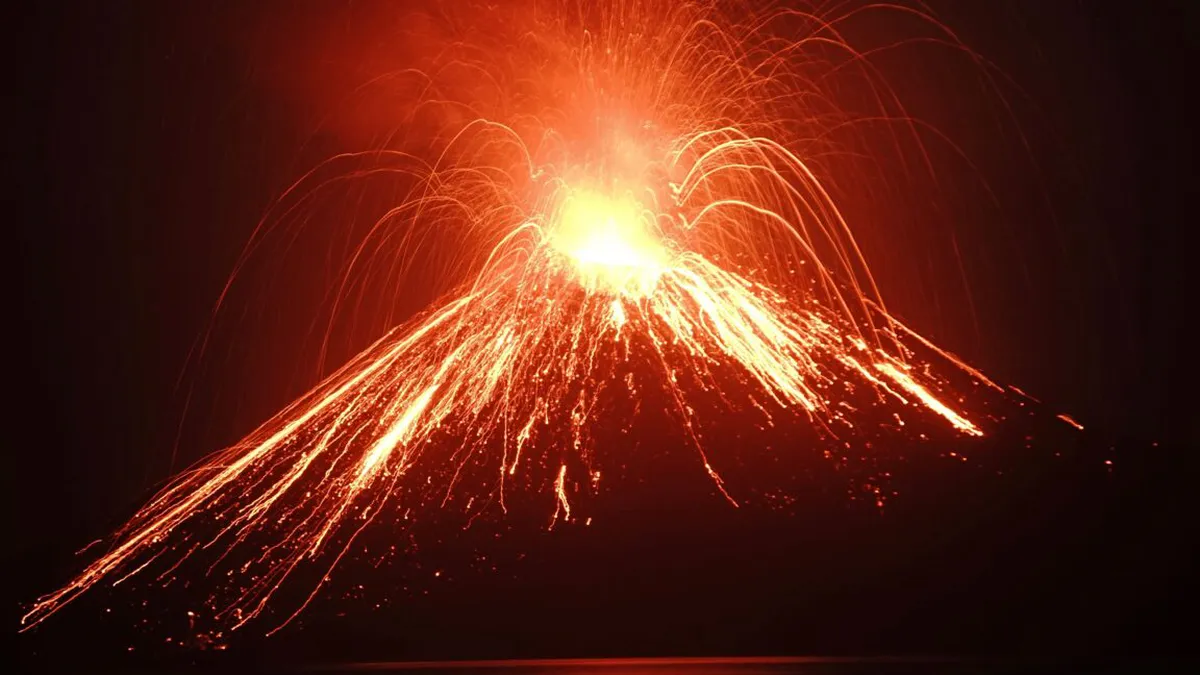
Throughout history, volcanic eruptions have not only altered landscapes but have also profoundly impacted climate and human societies. This article delves into several significant eruptions, their effects on the environment, and how they influenced historical events.
Related articles

Popular in Guides
- Boomers Lead the Charge in Alcohol Abstinence: Insights from New Research
- Understanding the Physics of Silly Sprinklers and Feynman's Reverse Sprinkler Puzzle
- Mark Zuckerberg Acquires Strancally Castle: A Look at His New Irish Estate
- Last Chance to Score Discounts for TechCrunch Disrupt 2026
- The Coming Air-Conditioning Revolution in Europe: A Necessity or a Luxury?