Exploring the Surreal World of 'Teenage Sex and Death at Camp Miasma'
Jane Schoenbrun's latest film dives deep into slasher lore with emotional depth and unique visuals, offering a fresh take on a beloved genre.
In a cinematic landscape often dominated by CGI spectacles, Teenage Sex and Death at Camp Miasma emerges as a refreshing tribute to the slasher genre, marrying nostalgia with innovative techniques and emotional storytelling. Directed by Jane Schoenbrun, the film has quickly become a topic of discussion among horror aficionados and casual viewers alike, striking a chord with those who grew up watching slasher films when they perhaps shouldn't have. With its unique blend of humor and horror, alongside a commitment to practical effects, this film promises a rollercoaster of emotions for its audience.
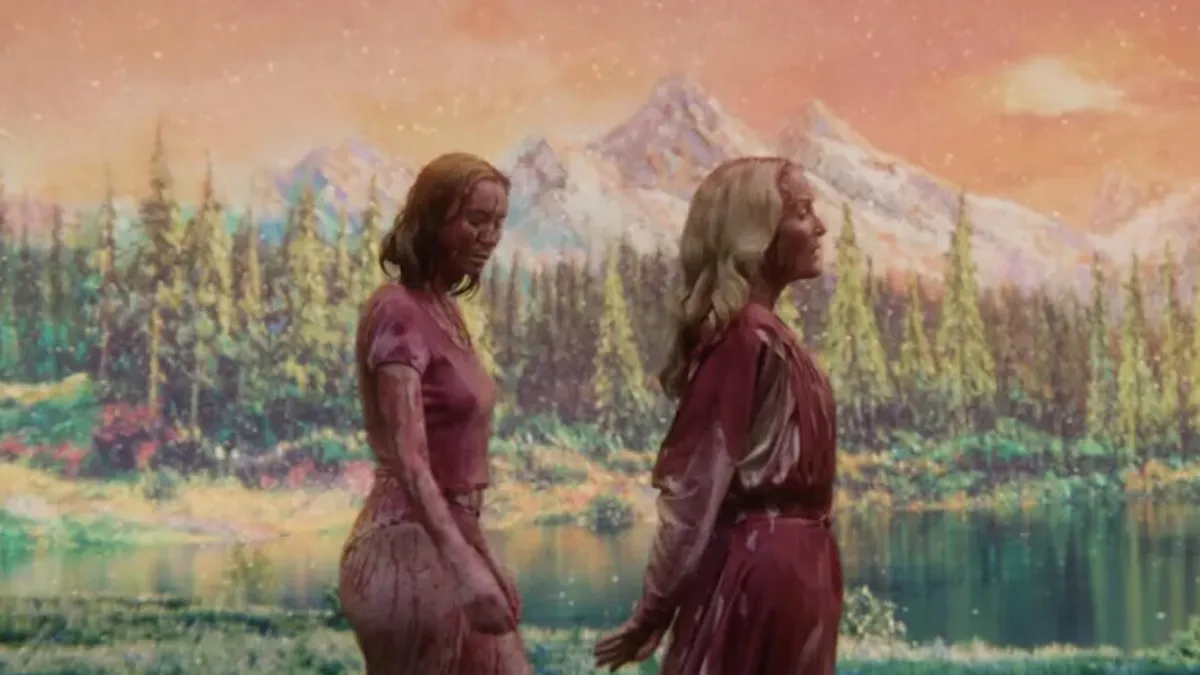
Schoenbrun’s film is not merely a collection of jump scares and bloodshed; it’s a poignant exploration of identity, obsession, and the complexities of growing up. As viewers delve into the psyche of its protagonist, Kris, portrayed by Hannah Einbinder, they are invited to reflect on their own relationships with the horror genre and its tropes. The film's vibrant and surreal visuals, achieved through the revival of traditional matte painting techniques, further enhance its narrative depth, making it a slasher fan's dream.
A Personal Journey Through Slasher Tropes
At its core, Teenage Sex and Death at Camp Miasma follows Kris, a queer film director grappling with the task of rebooting a politically incorrect slasher franchise reminiscent of classics like Friday the 13th. The journey takes her to the abandoned set of the original film, where she encounters Billy Preston, the iconic final girl embodied by a delightfully quirky Gillian Anderson. This encounter serves as a catalyst for Kris’s self-discovery, as she navigates her own obsession with the franchise, particularly its infamous antagonist, Little Death.
The film draws heavily from Schoenbrun’s own experiences growing up with slasher films. In interviews, Schoenbrun expressed how these movies shaped their understanding of horror and its emotional undertones. Just as Kris is forced to confront the absurdity and darkness of her childhood obsessions, viewers are prompted to reflect on their own past encounters with horror media, igniting a dialogue about the societal implications of such films.

Reviving Traditional Techniques for a Modern Audience
One of the standout features of Teenage Sex and Death at Camp Miasma is its commitment to traditional filmmaking techniques, particularly the use of matte paintings. Schoenbrun, along with production designers Brandon Tonner-Connolly and Matt Hyland, sought to create an immersive world that harkens back to the practical effects of classic cinema. In a time when CGI dominates the industry, the revival of matte painting serves as a nostalgic nod to the artistry of filmmaking.
The process involves painting ethereal landscapes on glass, allowing for a blend of reality and fantasy that enhances the emotional weight of the narrative. The production team faced numerous challenges, often working without clear guidelines on how to achieve the desired results. Their dedication paid off, resulting in striking visuals that complement the film's themes. The painted backdrops, which include surreal landscapes and contrasting color palettes, serve as a visual metaphor for Kris’s internal struggles and emotional evolution.
- Five matte paintings were created specifically for the film, emphasizing its emotional themes.
- Scenes feature contrasting colors, such as purple mountains against cantaloupe skies.
- The use of matte paintings enhances the film's surreal atmosphere.
- Each painted scene reflects the emotional journey of the characters.

The Dichotomy of Horror and Humor
As the film unfolds, it becomes increasingly clear that Schoenbrun is not content to simply deliver a traditional slasher narrative. Instead, they use humor as a tool to subvert expectations and engage audiences on a deeper level. The dialogue is peppered with witty remarks and playful nods to horror conventions, ensuring that even as the tension builds, there’s a lightheartedness that keeps viewers engaged. This balance between horror and humor is crucial, as it allows for moments of reflection amidst the chaos.
For example, when Kris enters Billy’s private cinema, the scene is both foreboding and comedic, setting the tone for their dynamic. Billy’s playful admission of wanting to scare Kris encapsulates the essence of the film: horror is not just something to fear but also something that can be embraced and explored. This perspective prompts audiences to reconsider their own relationships with fear and the ways in which they engage with horror media.

Exploring Identity and Vulnerability
Central to Teenage Sex and Death at Camp Miasma is the exploration of identity and vulnerability. As Kris becomes more entwined with the world of Camp Miasma and its characters, she is compelled to confront her own fears and desires. Billy, serving as both a mentor and a mirror, encourages Kris to release her inhibitions and embrace her true self.
The film delves into themes of sexuality, shame, and the complexities of self-acceptance. Through her interactions with Billy and the surreal experiences at the camp, Kris learns to navigate her own identity while grappling with the implications of her obsession with horror. The film’s emotional weight is palpable, as audiences witness Kris’s transformation from a tentative filmmaker to someone who understands the power of vulnerability and authenticity.
Key Takeaways
- Teenage Sex and Death at Camp Miasma blends humor and horror, redefining slasher tropes.
- Schoenbrun’s use of traditional matte painting enhances the film's surreal visual experience.
- The film explores themes of identity, vulnerability, and the impact of childhood obsessions.
- Gillian Anderson's performance as Billy offers a unique take on the final girl trope.
Frequently Asked Questions
What is the main theme of Teenage Sex and Death at Camp Miasma?
The film explores the complexities of identity and obsession within the framework of a slasher narrative. It invites viewers to reflect on their relationships with horror media while also addressing themes of vulnerability and self-acceptance.
How does the film use traditional filmmaking techniques?
Schoenbrun's film revitalizes the art of matte painting, creating ethereal backdrops that enhance the emotional depth of the story. This technique harkens back to classic cinema and adds a unique visual flair that differentiates the film from contemporary CGI-heavy productions.
What makes this film different from traditional slasher movies?
Unlike typical slasher films that focus primarily on scares and gore, Teenage Sex and Death at Camp Miasma balances humor and emotional depth, providing a fresh perspective on the genre. It engages with the audience on a deeper level, encouraging them to explore their own fears and desires.
Will there be more films in the Camp Miasma franchise?
While the film embraces its slasher roots, Schoenbrun has indicated that they do not plan to develop further entries in the Camp Miasma franchise. However, they have expressed interest in rebooting other iconic horror films, such as Nightmare on Elm Street, if given creative control.
Comments
Unraveling the Mysteries of the Narwhal's Spiral Tusk
Recent research reveals that narwhal tusks feature a unique double-spiral structure, offering insights into their evolution, function, and environmental history.

Related articles

Popular in Guides
- Boomers Lead the Charge in Alcohol Abstinence: Insights from New Research
- Understanding the Physics of Silly Sprinklers and Feynman's Reverse Sprinkler Puzzle
- Mark Zuckerberg Acquires Strancally Castle: A Look at His New Irish Estate
- Last Chance to Score Discounts for TechCrunch Disrupt 2026
- The Coming Air-Conditioning Revolution in Europe: A Necessity or a Luxury?