Healthcare Research in Crisis: The Fallout from RFK Jr.'s Leadership
Under Robert F. Kennedy Jr.'s leadership, the Agency for Healthcare Research and Quality faces unprecedented cuts and research cancellations. Experts and lawmakers voice alarm over the implications for America's healthcare landscape.
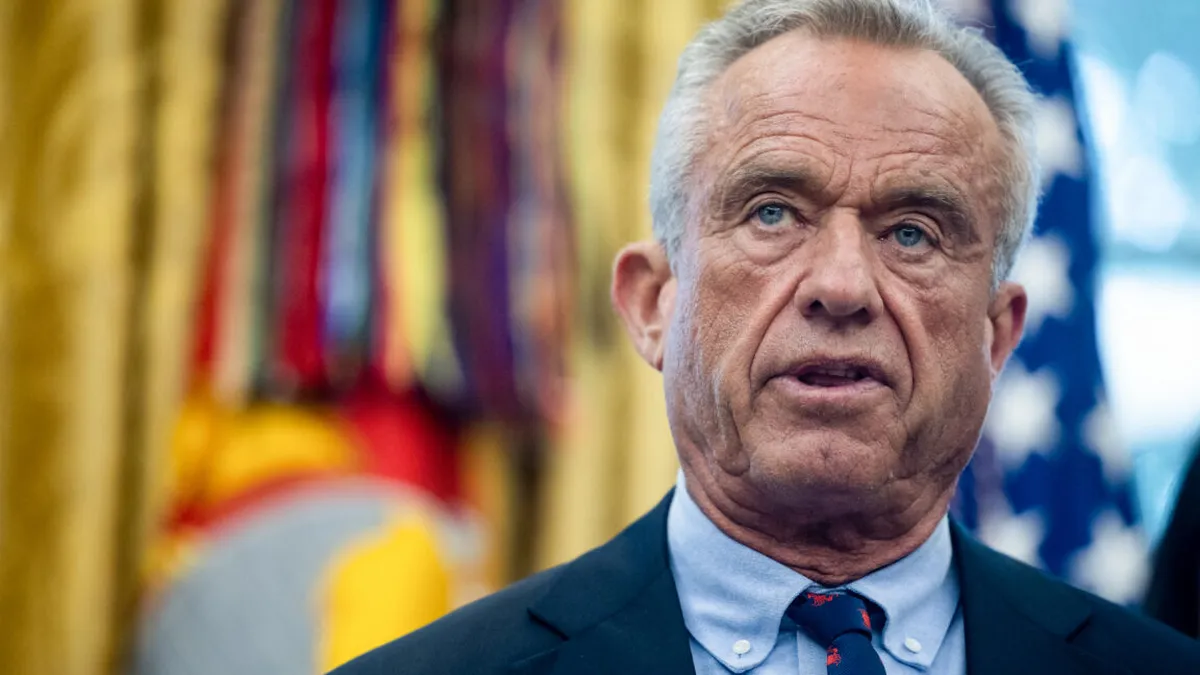
The American healthcare system is in a state of crisis, and the Agency for Healthcare Research and Quality (AHRQ), a vital agency established to enhance patient safety and healthcare quality, is on the brink of collapse. Under the leadership of Robert F. Kennedy Jr., the current Secretary of Health and Human Services (HHS), the AHRQ has endured drastic cuts, leading experts and lawmakers to express profound concern over the future of healthcare research in the United States. With unprecedented layoffs, grant cancellations, and a significant reduction in operational funding, the agency's ability to pursue essential studies and improve healthcare quality across the nation is in jeopardy.
The ramifications of these developments extend beyond the walls of research institutions; they threaten the health and well-being of millions of Americans who rely on advancements in medical research to address chronic conditions, improve care delivery, and reduce health disparities.

The Role of AHRQ in the U.S. Healthcare Landscape
Founded in the late 1990s, the AHRQ has been instrumental in addressing some of the most pressing issues in healthcare. Its mission is to enhance the quality, safety, efficiency, and effectiveness of healthcare for all Americans. The agency tackles critical areas such as patient safety, healthcare quality, and the evaluation of new medical technologies and practices.
Historically, AHRQ has been a beacon of hope in a fragmented healthcare landscape characterized by disparities in access and outcomes. By supporting research that informs policy and practice, AHRQ has contributed to vital studies that have improved healthcare delivery models, enhanced patient safety protocols, and informed public health initiatives.

Unprecedented Cuts and Cancellations
In recent months, however, the AHRQ has experienced devastating cuts that threaten its very existence. According to health policy experts Aaron Carroll and David Atkins, an estimated 75 percent of the agency's workforce has been laid off or retired under the current administration. This mass exodus of talent is compounded by the abrupt cancellation of over 100 research grants worth more than $250 million, which were crucial for advancing healthcare solutions across various states.
Despite Congress appropriating $345 million for the fiscal year 2026, only a fraction of these funds—approximately $15 million—has been allocated to grants. This lack of funding has forced researchers from over 30 states to halt vital projects, lay off staff, and abandon innovative research directions. The implications of these cancellations are far-reaching, as they represent not only a loss of data and findings but also a significant blow to the future generation of health services researchers.
Key Areas Affected by Grant Cancellations
Some of the critical programs that faced abrupt termination under Kennedy's leadership include:
- Training rural healthcare workers to handle maternal medical emergencies in Connecticut
- Enhancing access to home dialysis in New York
- Reducing patient fall risks in rural hospitals in Colorado
- Addressing antibiotic overuse in Utah
- Improving autism screening and care for Black children in North Carolina
- Developing chronic pain management strategies to reduce opioid reliance in Virginia

Political Backlash and Calls for Action
The reaction to these developments has been swift and severe. Last week, 30 Democratic senators sent a letter to Kennedy, condemning his actions as “sabotage” and an “outrageous abuse of administrative power.” They emphasized the importance of AHRQ's mission and the need for sustained investment in healthcare research to ensure that Americans are not left sicker, poorer, and more vulnerable to preventable health issues.
In their letter, the senators underscored the bipartisan nature of the appropriations made for AHRQ, stating that funds were allocated with explicit instructions for the Department to support life-saving research. The senators demanded that Kennedy rescind the grant cancellations and ensure that the appropriated funds are utilized effectively to promote health research in accordance with federal law.
The Broader Implications of Healthcare Research Cuts
The implications of cutting funding for AHRQ extend beyond the immediate loss of research projects. The erosion of healthcare research can have cascading effects on public health, leading to a stagnation in innovation and a lack of new solutions to pressing health challenges. As the agency struggles to maintain its workforce and resources, the potential for breakthroughs in areas such as chronic disease management, public health policy, and healthcare delivery systems diminishes.

What’s Next for AHRQ and U.S. Healthcare?
Looking ahead, the future of the AHRQ and U.S. healthcare research hangs in the balance. Experts argue that while it is possible to reverse the damage caused by the current cuts, it will require concerted efforts from Congress, healthcare leaders, and the scientific community. The call to action is clear: lawmakers must prioritize funding for healthcare research and ensure that agencies like AHRQ have the resources necessary to fulfill their mission.
The situation serves as a reminder of the critical need for robust support for healthcare research in a system that is already facing numerous challenges. As Americans continue to grapple with healthcare disparities, chronic diseases, and the aftermath of the COVID-19 pandemic, the importance of a thriving research ecosystem cannot be overstated.
Key Takeaways
- AHRQ is facing severe cuts under RFK Jr.'s leadership, jeopardizing healthcare research.
- Over 100 research grants worth more than $250 million have been canceled, impacting vital healthcare programs.
- 30 Democratic senators have condemned the actions as “sabotage” and demanded the rescindment of grant cancellations.
- The loss of healthcare research threatens innovation and exacerbates existing disparities.
- Congress must act to restore funding and support for agencies like AHRQ to ensure public health improvement.
Frequently Asked Questions
What is the Agency for Healthcare Research and Quality (AHRQ)?
The Agency for Healthcare Research and Quality (AHRQ) is a federal agency under the U.S. Department of Health and Human Services, established to enhance the quality, safety, efficiency, and effectiveness of healthcare for all Americans. It conducts research and provides resources to improve healthcare delivery and outcomes.
Why are the cuts to AHRQ significant?
The cuts to AHRQ are significant because they threaten the agency's ability to conduct essential healthcare research, which is crucial for improving patient safety and reducing health disparities. The cancellation of grants affects numerous projects that were designed to address critical health issues across the country.
What actions can Congress take to support healthcare research?
Congress can take several actions to support healthcare research, including reinstating funding for AHRQ, advocating for bipartisan support for health initiatives, and ensuring that appropriated funds are used effectively to promote research that improves healthcare access and outcomes for all Americans.
How does healthcare research impact everyday Americans?
Healthcare research impacts everyday Americans by informing healthcare practices and policies that affect their access to care, treatment options, and overall health outcomes. Research findings can lead to improved medical guidelines, better training for healthcare workers, and innovations in treatment, ultimately benefiting patients and communities.
Comments
Unraveling the Mysteries of the Narwhal's Spiral Tusk
Recent research reveals that narwhal tusks feature a unique double-spiral structure, offering insights into their evolution, function, and environmental history.

Related articles

Popular in Guides
- Boomers Lead the Charge in Alcohol Abstinence: Insights from New Research
- Understanding the Physics of Silly Sprinklers and Feynman's Reverse Sprinkler Puzzle
- Mark Zuckerberg Acquires Strancally Castle: A Look at His New Irish Estate
- Last Chance to Score Discounts for TechCrunch Disrupt 2026
- The Coming Air-Conditioning Revolution in Europe: A Necessity or a Luxury?