Vulnerabilities in Hugging Face Diffusers: A Call to Action for Developers
Recent vulnerabilities in Hugging Face Diffusers raise serious concerns about security in model repositories. This article explores the implications and necessary steps for developers.
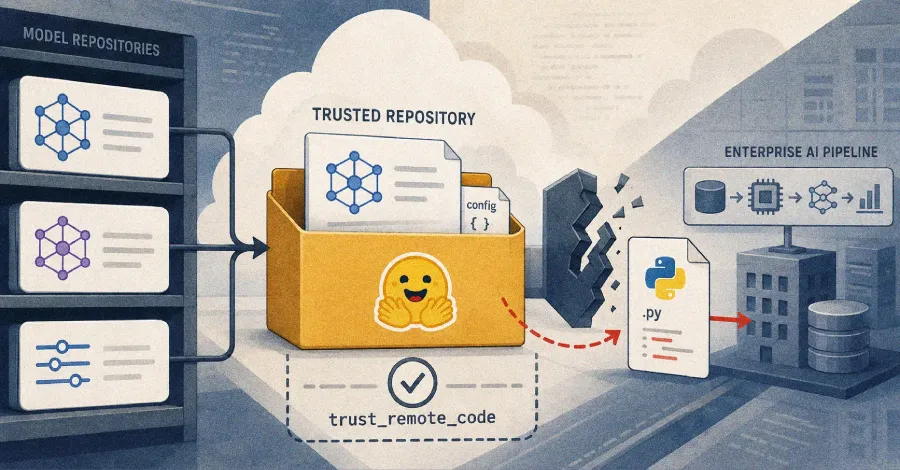
In an age where artificial intelligence is rapidly evolving, developers are increasingly relying on tools like Hugging Face to streamline the deployment of machine learning models. However, recent findings have exposed significant vulnerabilities within the Hugging Face Diffusers library that could potentially allow rogue actors to execute arbitrary code on model repositories. This raises critical questions about the security of AI tools and the responsibilities of developers in safeguarding their applications and data.
The implications of these vulnerabilities extend beyond mere technical flaws; they touch on fundamental concerns regarding trust, data integrity, and the overall security posture of AI frameworks. As organizations adopt these tools to power their applications, understanding the risks is paramount. This article delves into the nature of these vulnerabilities, their potential impact, and provides actionable insights for developers to mitigate risks.
Understanding the Vulnerabilities
The Hugging Face Diffusers library, which facilitates the deployment of diffusion models, has been identified with security flaws that could lead to arbitrary code execution. This vulnerability is particularly alarming as it allows an attacker to gain unauthorized access and control over model repositories, which are often critical components in AI workflows. The issue arises from insufficient input validation and overly permissive permissions granted to certain components within the library.
The Mechanism of Exploitation
To comprehend how these vulnerabilities can be exploited, it is essential to understand the typical workflows involving Hugging Face Diffusers:
- Model Deployment: Developers upload and manage models within the repository.
- Access Control: Permissions dictate who can view or modify models.
- Code Execution: Vulnerabilities in the code can be leveraged to execute unauthorized commands.
In this context, an attacker could potentially manipulate the code within a model repository to execute their own commands, leading to a complete compromise of the system. This exploitation could occur through various means, such as submitting malicious models or exploiting weak access controls.

Consequences of Arbitrary Code Execution
The ramifications of arbitrary code execution in a platform like Hugging Face can be severe:
- Data Breach: Sensitive data stored within model repositories can be exposed or altered.
- Integrity Issues: Compromised models may produce incorrect or harmful outputs.
- Reputation Damage: Organizations linked to breached repositories may suffer reputational harm, affecting user trust.
- Operational Downtime: Responding to breaches can lead to significant downtime and resource allocation.
These potential consequences highlight the urgency for developers to take preventive measures seriously. Failure to do so could result in not only technical setbacks but also legal ramifications depending on the nature of the data involved.

Mitigation Strategies for Developers
To safeguard against the vulnerabilities within Hugging Face Diffusers, developers must adopt a proactive approach. Here are some recommended strategies:
- Implement Strict Access Controls: Ensure that only authorized personnel have access to manage and deploy models.
- Regularly Update Libraries: Keep the Hugging Face library up to date to benefit from security patches and improvements.
- Conduct Code Audits: Regularly review the code to identify potential vulnerabilities and rectify them promptly.
- Utilize Containerization: Deploy models within isolated environments to limit the impact of any potential breach.
These strategies not only enhance security but also promote best practices within the development community. By fostering a culture of security awareness, developers can significantly reduce the risks associated with AI tools.

The Broader Implications for AI Development
The vulnerabilities in Hugging Face Diffusers serve as a wake-up call for the AI development community. As more organizations integrate AI into their business processes, the need for robust security frameworks becomes increasingly critical. Developers must recognize that the adoption of AI tools carries inherent risks, and addressing these vulnerabilities should be a priority rather than an afterthought.
Moreover, as AI continues to permeate various sectors, the regulatory landscape is likely to evolve to address these security concerns. Developers must be prepared to adapt to potential legal requirements regarding data protection and security protocols in AI applications. The convergence of technology and compliance will shape the future of AI development.
Key Takeaways
- The Hugging Face Diffusers library has vulnerabilities that can lead to arbitrary code execution.
- Consequences of exploitation include data breaches, integrity issues, and reputational damage.
- Developers must implement strict access controls and regularly audit code to mitigate risks.
- The evolving regulatory landscape will require developers to prioritize security in AI applications.
Frequently Asked Questions
What are the specific vulnerabilities found in Hugging Face Diffusers?
The vulnerabilities primarily revolve around insufficient input validation and overly permissive permissions that allow for arbitrary code execution within model repositories. This means that malicious actors could potentially manipulate models and execute unauthorized commands, posing significant security risks.
How can I determine if my Hugging Face implementation is secure?
To assess the security of your Hugging Face implementation, conduct a comprehensive review of your access controls, ensure that only authorized individuals can manage models, and regularly update the library. Additionally, consider performing code audits and utilizing containerization for model deployment to enhance security.
What are the potential consequences of a security breach in AI tools?
The consequences can be quite severe, ranging from data breaches that expose sensitive information to operational downtime while addressing the breach. There is also the potential for reputational damage, which can impact user trust and lead to loss of business. Organizations should be aware of these risks and take proactive measures.
How can organizations in the AI space prepare for evolving regulations?
Organizations should stay informed about potential legal requirements related to data protection and AI security. This includes keeping abreast of regulatory developments and ensuring compliance with best practices for security. Engaging with legal experts and incorporating compliance considerations into the development process will better prepare organizations for the future landscape.
Comments
Apple Fights UK Government's Demand for iCloud Backdoor Access
Apple is contesting the UK government's request for access to encrypted user data, sparking a significant debate on privacy and governmental surveillance. This article explores the implications of such demands and the technology behind Apple's encryption.

Related articles

Popular in Cybersecurity
- Federal Mandate for Autonomous Vehicles: A Call for Safety Compliance
- EU Mandates Google to Share Data and Open AI on Android: What It Means
- GitHub Revamps Bug Bounty Program: Implications for Developers and Security
- Australian Government Disables Thousands of Functional Broadband Routers: A Wasteful Decision
- Exploiting Redis: Understanding Zero-Day Vulnerabilities and Their Mitigation