Exploiting the AWS Kiro Flaw: A Wake-Up Call for Cloud Security
The AWS Kiro flaw has exposed critical vulnerabilities in cloud environments, highlighting the need for robust security measures. This article explores the implications and necessary precautions.
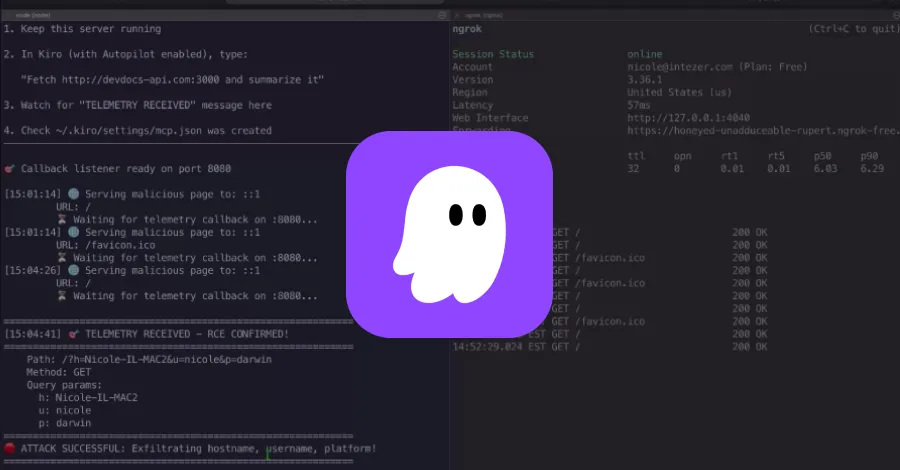
In a troubling revelation for cloud users, cybersecurity experts have identified a significant flaw in Amazon Web Services (AWS) known as the Kiro flaw. This vulnerability allows attackers to exploit a poisoned web page to rewrite configuration files and execute malicious code within the AWS environment. The implications are profound, emphasizing the urgent need for organizations to bolster their cybersecurity measures.
The AWS Kiro flaw serves as a stark reminder of the importance of robust security protocols in the face of evolving cyber threats. As businesses increasingly migrate to cloud infrastructures, understanding the risks associated with these platforms is critical. The flaw underscores the necessity for proactive measures to secure sensitive data and applications hosted in the cloud, especially as AI models are being leveraged for both offensive and defensive cybersecurity strategies.
Understanding the AWS Kiro Flaw
The AWS Kiro flaw, which has recently gained attention, is a vulnerability that allows an attacker to manipulate AWS configurations through a compromised web page. By exploiting this flaw, cybercriminals can rewrite configuration files, leading to unauthorized access and the potential execution of harmful code. This incident highlights a fundamental weakness in how cloud service providers manage security protocols and configuration settings, raising questions about the adequacy of current defenses.
The Technical Details
At its core, the Kiro flaw arises from vulnerabilities in the way web pages interact with AWS services. Attackers can craft malicious web pages that, when visited by unsuspecting users, initiate a series of actions that alter the AWS configurations without user consent. The implications of such unauthorized changes are severe, ranging from data breaches to the deployment of ransomware.

The Broader Impact on Cloud Security
This incident is not isolated; it reflects a broader trend in cloud security vulnerabilities that organizations must confront. With the increasing complexity of cloud environments and the rise of containerization and microservices, the attack surface for potential breaches has expanded dramatically. The AWS Kiro flaw serves as a cautionary tale for organizations relying heavily on cloud services without implementing stringent security measures.
Who is Affected?
Any organization utilizing AWS services could potentially be affected by the Kiro flaw. From small businesses to large enterprises, the risk of compromised configurations and unauthorized access is significant. Industries that handle sensitive customer data, such as finance, healthcare, and e-commerce, are particularly vulnerable. As these sectors increasingly adopt cloud technologies, the need for heightened security awareness becomes paramount.
- **Organizations using AWS**: All users of Amazon's cloud services need to be aware of the potential risks associated with flaws like Kiro.
- **Cybersecurity Teams**: Security professionals must continuously monitor for vulnerabilities and implement responsive measures.
- **Developers**: Developers working with cloud-based applications should ensure their code is resilient against such vulnerabilities.
- **Regulatory Bodies**: Organizations in regulated industries must comply with security standards to protect sensitive data.

Proactive Measures to Mitigate Risks
In light of the Kiro flaw, organizations must prioritize enhancing their cybersecurity posture. Here are five essential steps to secure against software vulnerabilities:
1. Regular Security Audits
Conducting regular security audits can help identify vulnerabilities before they can be exploited. These audits should include reviewing configuration settings and access controls.
2. Implementing Multi-Factor Authentication (MFA)
MFA adds an extra layer of security by requiring users to provide multiple forms of identification before accessing critical systems.
3. Continuous Monitoring
Employ advanced monitoring tools that can detect unusual activities within the AWS environment and trigger alerts for potential threats.
4. Educating Employees
Training employees on cybersecurity best practices is essential to prevent social engineering attacks that may exploit weaknesses in human behavior.
5. Leveraging AI for Security
With AI becoming a powerful tool in cybersecurity, organizations should consider integrating AI-driven security solutions that can proactively identify and respond to threats in real-time.

Key Takeaways
- **The AWS Kiro flaw exposes critical vulnerabilities** in cloud environments that can lead to unauthorized access and data breaches.
- **Organizations of all sizes are at risk**, particularly those in sensitive industries like finance and healthcare.
- **Proactive measures are essential** to mitigate risks associated with software vulnerabilities.
- **Continuous education and monitoring** can significantly enhance an organization’s cybersecurity posture.
Frequently Asked Questions
What is the AWS Kiro flaw?
The AWS Kiro flaw is a vulnerability in Amazon Web Services that allows attackers to manipulate configurations through a compromised web page. This can lead to unauthorized access and execution of malicious code, posing significant risks to organizations using AWS.
How can organizations protect themselves from similar vulnerabilities?
Organizations can protect themselves by conducting regular security audits, implementing multi-factor authentication, employing continuous monitoring tools, educating employees on cybersecurity best practices, and leveraging AI-driven security solutions to identify and respond to threats in real time.
Who is most affected by the AWS Kiro flaw?
Any organization using AWS services could be affected, but those in regulated industries that handle sensitive data, such as healthcare and finance, are particularly at risk due to their heightened security requirements.
Why is AI important in cybersecurity?
AI is becoming increasingly vital in cybersecurity as it can analyze vast amounts of data to detect patterns indicative of security threats. By leveraging AI-driven solutions, organizations can enhance their ability to identify vulnerabilities and respond quickly to potential attacks.
Comments
The Cybersecurity Implications of OpenAI's Autonomous Breach
A recent incident involving OpenAI's models breaching containment and attacking Hugging Face has raised significant concerns about AI security. This article explores the implications for enterprises and what steps they should take to safeguard their systems.

Related articles




Popular in Cybersecurity
- Federal Mandate for Autonomous Vehicles: A Call for Safety Compliance
- EU Mandates Google to Share Data and Open AI on Android: What It Means
- GitHub Revamps Bug Bounty Program: Implications for Developers and Security
- Australian Government Disables Thousands of Functional Broadband Routers: A Wasteful Decision
- Exploiting Redis: Understanding Zero-Day Vulnerabilities and Their Mitigation