Coca-Cola Halts Fairlife Dairy Production Following Ransomware Attack
Coca-Cola's Fairlife dairy subsidiary faces operational shutdown due to a ransomware attack, highlighting the vulnerabilities of food and beverage companies. The incident raises concerns over cybersecurity measures and its potential impact on supply chains.
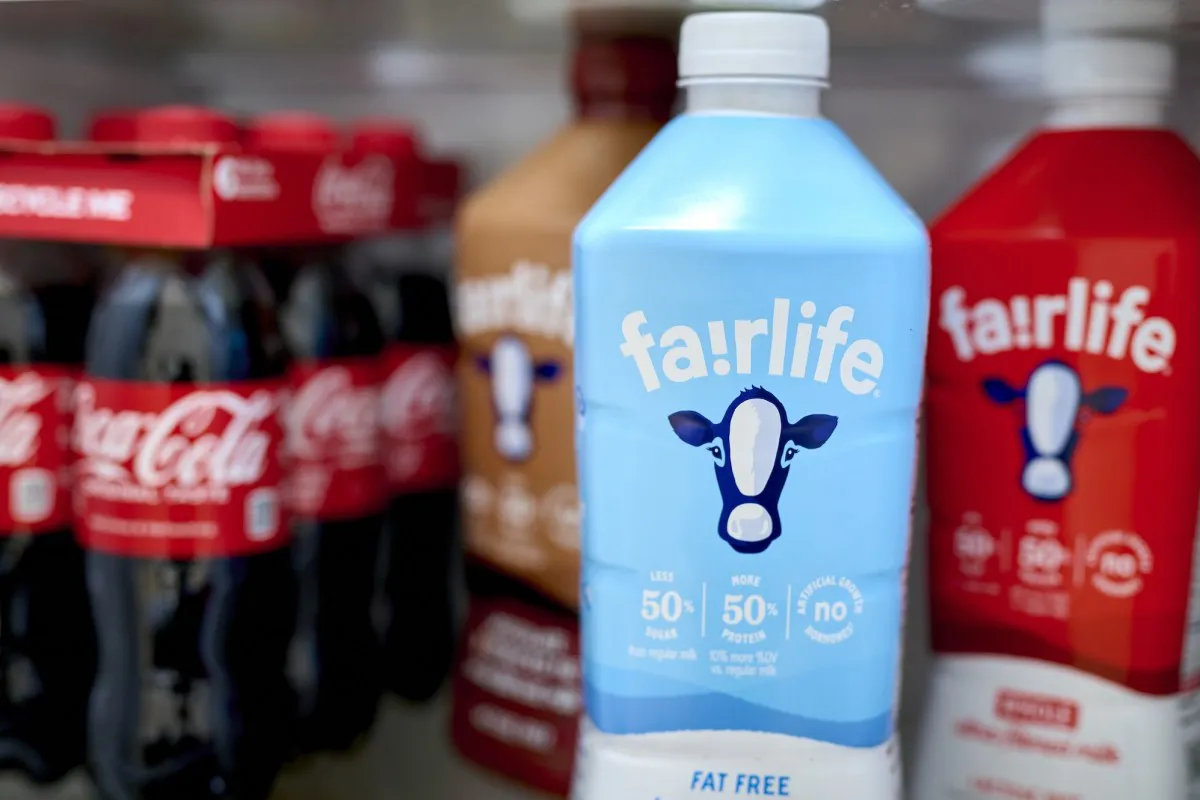
In a significant disruption to its operations, Coca-Cola has announced the temporary suspension of production at its Fairlife dairy subsidiary following a ransomware attack. This incident represents a growing concern within the food and beverage industry, where cyber threats are increasingly affecting supply chains and production capabilities. As one of the largest beverage companies globally, Coca-Cola's decision to suspend Fairlife's operations underscores the vulnerabilities that even the most established corporations face in the realm of cybersecurity.
Understanding the Ransomware Attack
The ransomware attack on Fairlife has led Coca-Cola to disclose that its production systems are compromised, prompting an immediate halt to operations across the United States. However, the company has assured that Fairlife's operations in Canada remain unaffected. This measure aims to protect the integrity of the company's systems while they work to resolve the issue. Though Coca-Cola has not provided a timeline for when production will resume, past incidents in the sector suggest that recovery from such attacks can take weeks.
The Broader Impact of Ransomware on the Food Industry
Ransomware attacks on the food and beverage industry are not unprecedented. In 2019, Arizona Beverages was hit, resulting in a lengthy disruption of their production lines. More recently, food distributor UNFI faced similar challenges, leading to empty grocery shelves in various locations. Such incidents illustrate the potentially devastating impact that cyberattacks can have on supply chains, consumer access to products, and ultimately, a company's bottom line.
The Financial Stakes
Fairlife is a significant brand for Coca-Cola, projected to generate approximately $4 billion in sales by 2024. The revenue generated by Fairlife underscores the importance of its operational integrity and the potential financial ramifications of prolonged outages. A cyberattack that disrupts production can lead not only to immediate financial losses but also to long-term reputational damage.
Cybersecurity Measures in the Food Sector
In light of these vulnerabilities, food and beverage companies must prioritize cybersecurity measures. This includes implementing robust IT infrastructure, conducting regular security audits, and training employees to recognize phishing attempts and other cyber threats. Protecting sensitive data and ensuring operational continuity is critical, especially with the increasing sophistication of cybercriminals.
- Regular software updates and patches to address vulnerabilities.
- Employee training programs focused on cybersecurity awareness.
- Incident response plans to quickly address potential breaches.
- Collaboration with cybersecurity firms to bolster defenses.

Lessons from Past Incidents
Companies like Coca-Cola must learn from past ransomware attacks to mitigate future risks. The high-profile nature of these incidents often attracts more attention from cybercriminals, which means that proactive measures must be taken to deter potential threats. Historical cases show that companies that invest in cybersecurity not only recover faster but also maintain customer trust more effectively.
Industry Collaboration and Best Practices
Collaboration among industry peers can also play a crucial role in enhancing cybersecurity. By sharing insights and strategies for risk mitigation, companies within the food and beverage sector can create a more resilient supply chain. Best practices include developing common cybersecurity standards and participating in industry forums to discuss emerging threats and effective responses.
Key Takeaways
- The ransomware attack at Coca-Cola's Fairlife dairy highlights cybersecurity vulnerabilities in the food industry.
- Prolonged disruptions can lead to significant financial losses and reputational damage.
- Implementing robust cybersecurity measures is critical to protecting operations.
- Learning from past incidents and industry collaboration can enhance overall security.

Frequently Asked Questions
What is ransomware, and how does it affect businesses?
Ransomware is a type of malicious software that encrypts a victim’s files, rendering them inaccessible until a ransom is paid to the attacker. For businesses, this can lead to operational disruptions, financial losses, and potential data breaches. The impact can be especially severe in industries reliant on continuous production, such as food and beverage.
How can companies protect themselves from ransomware attacks?
To protect against ransomware, companies should implement a multi-layered cybersecurity strategy that includes regular software updates, employee training on cybersecurity best practices, and robust incident response plans. Investing in cybersecurity insurance can also help mitigate financial losses in the event of an attack.
What steps are Coca-Cola taking to recover from the attack?
While Coca-Cola has not disclosed specific recovery plans, companies typically focus on restoring affected systems, investigating the breach, and enhancing security measures to prevent future incidents. They may also communicate with stakeholders and customers to manage expectations during the recovery process.
Comments
Elon Musk's xAI Sues Users Over Child Sexual Abuse Material Generated by Grok
Elon Musk's xAI takes legal action against users accused of generating child sexual abuse material (CSAM) with its AI chatbot, Grok. This move raises questions about accountability in AI-generated content and the implications for user rights and protections.

Related articles



Popular in Cybersecurity
- Federal Mandate for Autonomous Vehicles: A Call for Safety Compliance
- EU Mandates Google to Share Data and Open AI on Android: What It Means
- GitHub Revamps Bug Bounty Program: Implications for Developers and Security
- Australian Government Disables Thousands of Functional Broadband Routers: A Wasteful Decision
- Exploiting Redis: Understanding Zero-Day Vulnerabilities and Their Mitigation