Russian Hackers Exploit OAuth and WhatsApp: A New Wave of Account Hijacking
Recent tactics by suspected Russian hackers demonstrate how OAuth and WhatsApp linking can be exploited to compromise user accounts. Understanding these methods is crucial for businesses and individuals alike.
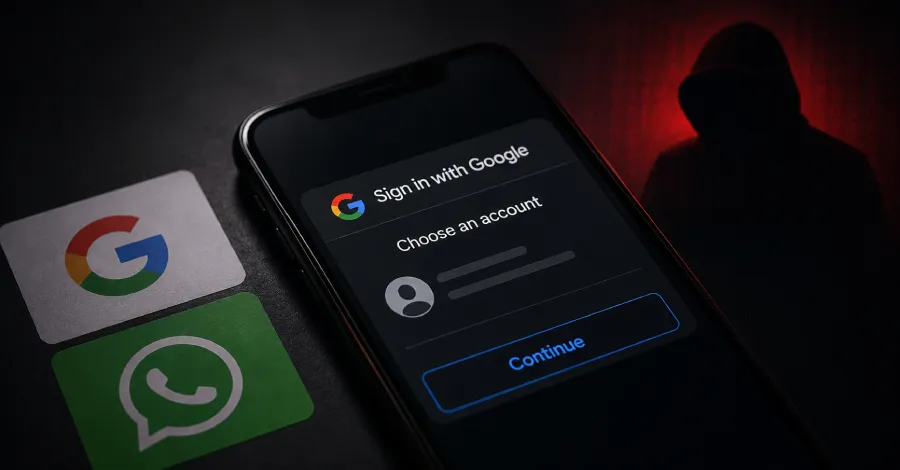
In a troubling development for cybersecurity, suspected Russian hackers have begun leveraging Google OAuth and WhatsApp linking as tools for account hijacking. This sophisticated approach not only highlights the vulnerabilities in widely-used authentication systems but also underscores the need for heightened awareness and robust security measures. As businesses and individuals increasingly rely on these platforms for everything from communication to sensitive transaction approvals, understanding the mechanics of such attacks is more critical than ever.
The exploitation of OAuth, an open standard for access delegation, allows third-party applications to gain limited access to user accounts without exposing their passwords. When combined with social media platforms like WhatsApp, which enable seamless user interactions, hackers can create a potent mix that threatens digital identities. In this article, we will delve into how these attacks are conducted, the potential implications for users, and what steps can be taken to mitigate such risks.
The Mechanics of OAuth Exploitation
OAuth is commonly used for granting access permissions across various platforms. For instance, a user may choose to log into a service using their Google account instead of creating a new password. This method simplifies the login process but can also create vulnerabilities if not properly secured.
How the Attack Works
Hackers typically employ a tactic known as phishing, where they deceive users into providing access permissions to malicious applications. Once users unknowingly authorize these apps, the hackers can gain access to their accounts. Here’s how the process usually unfolds:
- Initial Contact: Hackers may reach out via email, social media, or even direct messages on platforms like WhatsApp, posing as legitimate entities.
- Phishing Links: They include links that appear to lead to a harmless login page but are actually designed to capture user credentials.
- OAuth Authorization: Upon clicking the link, users are directed to an OAuth consent screen asking for permissions that allow the hackers to access their accounts.
- Account Takeover: Once access is granted, hackers can hijack accounts, steal sensitive information, or even conduct financial transactions.

Real-World Impacts of Account Hijacking
The ramifications of such account compromises are significant, affecting both individuals and organizations. For businesses, a breach can lead to operational disruptions, financial losses, and reputational damage. For individuals, the theft of personal information can lead to identity theft, financial fraud, and a host of other security issues.
Moreover, these attacks often pave the way for further exploitation. By gaining access to one account, hackers can map cross-domain privilege escalations, leveraging that access to infiltrate other connected systems. This tactic can create a cascading effect, where a single breach can open multiple attack paths, leading to more extensive damage.
Preventative Measures for Users and Organizations
Given the sophisticated nature of these attacks, both users and organizations must adopt proactive strategies to safeguard their digital identities. Here are several recommended measures:
- Enable Two-Factor Authentication (2FA): This adds an additional layer of security, requiring a second form of verification beyond just a password.
- Educate Employees: Training sessions on recognizing phishing attempts and understanding the importance of OAuth can significantly reduce risks.
- Regular Security Audits: Conducting frequent checks on account permissions and access can help identify any unauthorized applications or users.
- Use Password Managers: These tools can generate and store complex passwords, reducing the likelihood of password reuse across different platforms.

The Role of Tech Companies in Addressing Vulnerabilities
While users must take responsibility for their security, tech companies also play a crucial role in addressing the vulnerabilities inherent in their systems. Google and other providers must continuously update their security protocols, conduct vulnerability assessments, and provide users with clear guidance on safe practices when using OAuth.
Moreover, tech companies should improve user interfaces to better inform users about the permissions they are granting to third-party applications. Enhanced transparency can empower users to make informed decisions, reducing the likelihood of accidental authorizations that can lead to account compromises.

Key Takeaways
- Suspected Russian hackers are exploiting OAuth and WhatsApp linking to hijack accounts.
- Phishing remains a prevalent method for gaining access permissions to user accounts.
- Account hijacking can have severe consequences for both individuals and organizations.
- Implementing two-factor authentication and regular security audits can mitigate risks.
- Tech companies must enhance security protocols to protect user data.
Frequently Asked Questions
What is OAuth and why is it used?
OAuth is an open standard for access delegation that allows users to grant third-party applications limited access to their data without sharing their passwords. It is widely used for social logins and can simplify user interactions across platforms. However, if not properly managed, it can introduce vulnerabilities that hackers can exploit.
How can I recognize a phishing attempt?
Phishing attempts often involve unsolicited messages that prompt you to click on links or provide personal information. Look for signs such as misspellings, unusual sender addresses, or requests for urgent action. Always verify the authenticity of the request through official channels before providing any information.
What steps should organizations take to prevent account hijacking?
Organizations should prioritize user education on recognizing security threats, implement two-factor authentication, and regularly review account permissions. Conducting security audits and utilizing tools like password managers can further enhance their defenses against potential breaches.
What are the implications of account hijacking for individuals?
For individuals, account hijacking can lead to identity theft, financial loss, and unauthorized access to personal information. The fallout can be extensive, potentially affecting credit scores, personal relationships, and overall digital security. It is crucial for individuals to remain vigilant and proactive in protecting their accounts.
Comments
The Rise of Meta AI Glasses: Privacy Concerns and Detection Solutions
As Meta AI glasses gain popularity, concerns about privacy and unauthorized recordings are escalating. This article explores the implications of these devices and emerging solutions to protect individuals.

Related articles





Popular in Cybersecurity
- Federal Mandate for Autonomous Vehicles: A Call for Safety Compliance
- EU Mandates Google to Share Data and Open AI on Android: What It Means
- GitHub Revamps Bug Bounty Program: Implications for Developers and Security
- Australian Government Disables Thousands of Functional Broadband Routers: A Wasteful Decision
- Exploiting Redis: Understanding Zero-Day Vulnerabilities and Their Mitigation