Investigating Cyclospora: Politics, Food Safety, and Taylor Farms
The Cyclospora outbreak linked to Taylor Farms has raised serious questions about the intersection of politics and food safety. Senator Elizabeth Warren is demanding accountability from the federal government.
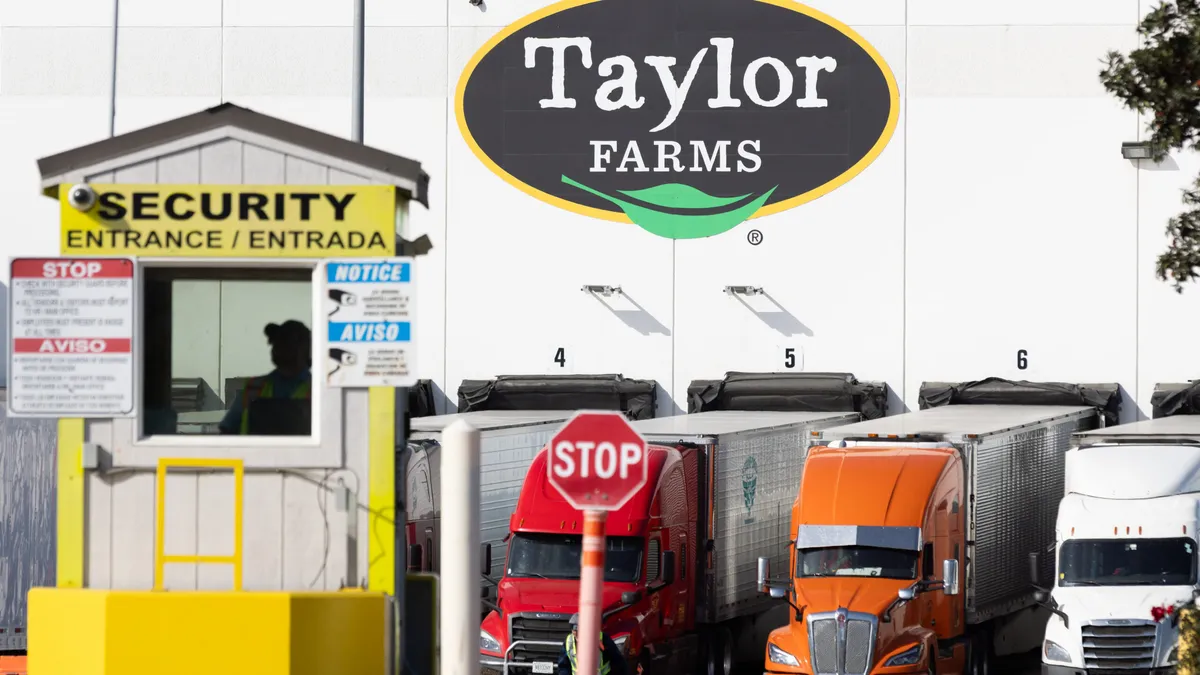
In the summer of 2026, the United States has faced a troubling outbreak of Cyclospora, a parasitic infection that has sickened over 24,000 individuals and resulted in two deaths. As Americans scramble to ensure their vegetables are cooked to safe temperatures, a more sinister undercurrent has emerged: the potential influence of political connections on food safety regulations. The spotlight is now on Taylor Farms, a major produce distributor whose Mexican-grown iceberg lettuce has been linked to this record outbreak. Senator Elizabeth Warren (D-Mass.) has raised alarms about the government's handling of the situation, questioning whether the Trump administration's ties to Taylor Farms altered the federal response to this health crisis.
Warren's critique centers on the perceived “calamitous response” from the federal agencies tasked with ensuring food safety. In a letter sent to Health Secretary Robert F. Kenney Jr., she detailed her concerns about the government's response, which she labeled as “botched” and fraught with significant missteps. In particular, she noted that political donations and lobbying efforts from Taylor Farms could have played a role in undermining food safety oversight, exacerbating the outbreak's impact on public health.
Political Contributions and Regulatory Loopholes
According to Warren's findings, Taylor Farms made a substantial $1 million donation to a Trump-aligned super PAC, MAGA, Inc., shortly before the Food and Drug Administration (FDA) announced a delay in implementing crucial food traceability rules. These rules could have facilitated quicker identification and containment of foodborne illness outbreaks, potentially mitigating the impact of the Cyclospora incident. Warren's inquiry raises serious ethical questions about the relationship between political contributions and public health policy.
Key Donations and Lobbying
In addition to the significant donation to MAGA, Inc., Taylor Farms has reportedly made millions in contributions to entities aligned with the Trump administration. Furthermore, the company has enlisted former Trump White House official Trent Morse as a lobbyist. Morse’s involvement is particularly troubling, as he allegedly facilitated direct communication between Taylor Farms and the White House, coinciding with the FDA's investigation into the outbreak.
Warren's letter calls attention to the timing of these events, suggesting a potential quid pro quo scenario where Taylor Farms leveraged its political connections to influence the government’s regulatory approach during a health crisis. This raises critical questions about the integrity of our food safety systems and the extent to which corporate interests can sway public health policies.
Confusion and Delays in Response
As the outbreak unfolded, confusion reigned in the public response. Reports indicate that Taco Bell locations in Michigan and surrounding areas began removing iceberg lettuce from their menus on July 7, citing a “nationwide recall.” However, no formal recall had been issued by federal agencies at that time. It wasn’t until July 14 that the Centers for Disease Control and Prevention (CDC) announced the outbreak, attributing it to an “unknown source.”
The timeline of events became more complicated when, by July 17, Taylor Farms issued a recall of their iceberg lettuce. The FDA published the recall notice the following day, but it was criticized for lacking specific details regarding the amount of lettuce affected and the distribution channels.
Key Findings from the FDA Report
Recent FDA reports reveal that Taco Bell’s parent company received only 2.5% of the tainted lettuce, while a staggering 46% was distributed to Walmart. This discrepancy raises questions about the efficacy of the communication between these corporations and federal health agencies. Why was Taco Bell able to act preemptively while federal agencies appeared slow to respond?
Moreover, the FDA's conflicting reports regarding the presence of Cyclospora in Taylor Farms' lettuce have fueled further confusion. Initial statements indicated positive test results, only for the FDA to retract them as false positives the next day. Taylor Farms claimed that the FDA apologized for the mix-up, a statement quickly denied by the FDA itself, leaving many wondering about the reliability of the testing and reporting processes.

The Shadow of Corruption
Warren's investigation has brought to light not just the failures in communication and response but also a broader concern about the ethical implications of political influence on regulatory practices. The senator’s letter suggests that the “specter of corruption” looms large over the federal response to the outbreak. She has called for transparency, requesting transcripts and summaries of communications between federal agencies and Taylor Farms to shed light on whether the company’s political connections affected their treatment by the FDA and the CDC.
While Taylor Farms has categorically denied any wrongdoing, claiming their actions are guided by science and public health rather than politics, the questions raised by Warren cannot be easily dismissed. The intersection of food safety and political influence is a complex landscape, and the potential for corruption must be addressed to restore public trust.
Future Implications for Food Safety Regulations
The Cyclospora outbreak raises critical questions about the future of food safety regulations in the United States. As consumers become increasingly aware of the complexities behind food distribution and safety, there may be growing demands for stricter oversight. This incident could serve as a catalyst for re-evaluating the regulatory framework that governs food safety, particularly in relation to the impact of political lobbying on health outcomes.
Moving forward, it will be essential for lawmakers and regulatory bodies to prioritize transparency and accountability in food safety measures. As the public learns more about the relationship between food producers and political entities, there will be heightened scrutiny of how these relationships can affect consumer health.
Key Takeaways
- Over 24,000 people were affected by the Cyclospora outbreak linked to Taylor Farms.
- Senator Elizabeth Warren has raised concerns about political influence on food safety oversight.
- Taylor Farms made significant donations to Trump-aligned entities shortly before a crucial FDA rule was delayed.
- Conflicting information from the FDA about the outbreak has raised questions about the reliability of food safety communications.
- The incident may spur a reevaluation of food safety regulations and the impact of political lobbying.
Frequently Asked Questions
What is Cyclospora and how does it affect public health?
Cyclospora is a parasite that can cause gastrointestinal illness, leading to symptoms such as diarrhea, nausea, and abdominal pain. In severe cases, particularly among vulnerable populations, it can lead to hospitalization or even death. The recent outbreak has highlighted the importance of food safety measures in preventing such infections.
How did Taylor Farms become linked to the Cyclospora outbreak?
Taylor Farms is linked to the Cyclospora outbreak due to the sale of iceberg lettuce that has been traced back to the infected individuals. As investigations unfolded, it was revealed that the lettuce was sourced from Mexico, raising questions about the oversight of food safety protocols in the supply chain.
What role do political contributions play in food safety regulations?
Political contributions can create an environment where corporations may exert undue influence over regulatory agencies. This can lead to lax enforcement of food safety measures and potential conflicts of interest, compromising public health. The Taylor Farms case exemplifies how such relationships can raise ethical concerns about the integrity of food safety oversight.
What changes might we see in food safety regulations following this outbreak?
This outbreak may lead to calls for more stringent food safety regulations, increased transparency in the regulatory process, and greater scrutiny of the influence of political lobbying on public health policies. The aim would be to strengthen consumer protections and ensure that food safety is prioritized over corporate interests.
Comments
Kalshi's Legal Setback: The Implications of a Court Ruling on Sports Betting
A Washington state judge has ordered prediction market platform Kalshi to halt its sports betting operations and implement geofencing, raising questions about the legality of online gambling in the U.S.

Related articles

Popular in Cybersecurity
- Federal Mandate for Autonomous Vehicles: A Call for Safety Compliance
- EU Mandates Google to Share Data and Open AI on Android: What It Means
- GitHub Revamps Bug Bounty Program: Implications for Developers and Security
- Australian Government Disables Thousands of Functional Broadband Routers: A Wasteful Decision
- Exploiting Redis: Understanding Zero-Day Vulnerabilities and Their Mitigation