Florida Redirects $200 Million EV Funds to Electric Air Taxi Network
In a surprising move, Florida plans to allocate federal funds intended for electric vehicle chargers to develop an electric air taxi network. This shift raises questions about infrastructure priorities and the future of urban mobility.

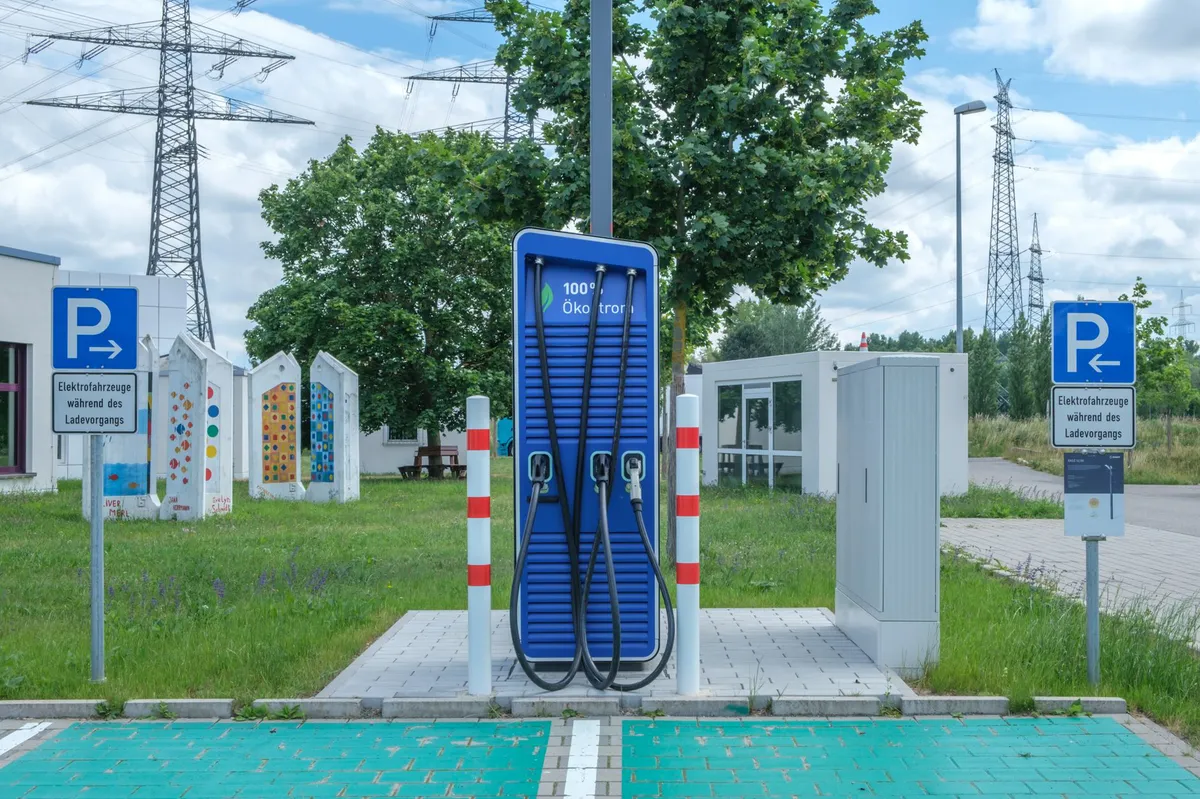
In a groundbreaking and somewhat controversial decision, Florida has announced that it will redirect nearly $200 million in federal funding—originally earmarked for electric vehicle (EV) charging infrastructure—to build a network of landing pads for electric air taxis. This shift comes at a time when Florida boasts a rapidly growing number of electric vehicles, ranking second in the nation. However, it simultaneously grapples with a significant deficit in EV charging stations relative to the national average. The Florida Department of Transportation (FDOT) argues that private enterprises have sufficiently addressed the need for traditional EV charging stations, allowing the state to pursue a more futuristic vision of transportation.
The state’s decision, as reported by the Miami Herald, is rooted in the Bipartisan Infrastructure Law's National Electric Vehicle Infrastructure (NEVI) program. Under updated guidelines from the Trump administration, states that have established “fully built out” EV charging corridors can reallocate funds to other public infrastructure projects, including those that benefit electric aviation. This announcement has sparked a debate about the future of urban mobility in Florida and the broader implications for transportation infrastructure across the United States.
The Current Landscape of EV Charging in Florida
Despite its impressive number of electric vehicles—over 100,000 registered in 2021—Florida has a noticeable gap in EV charging infrastructure. According to a report by the U.S. Department of Energy, the state has only about 1.2 public charging stations for every 1,000 EVs, which lags behind the national average of approximately 1.6. As more drivers transition to electric vehicles, this gap presents potential challenges in range anxiety and overall adoption.
This contrast raises an important question: does Florida really need to prioritize air taxi infrastructure over traditional EV charging stations? The FDOT seems to believe so, arguing that the future of transportation lies in innovative solutions like electric vertical takeoff and landing (eVTOL) aircraft.
Understanding eVTOLs: The Next Frontier of Transportation
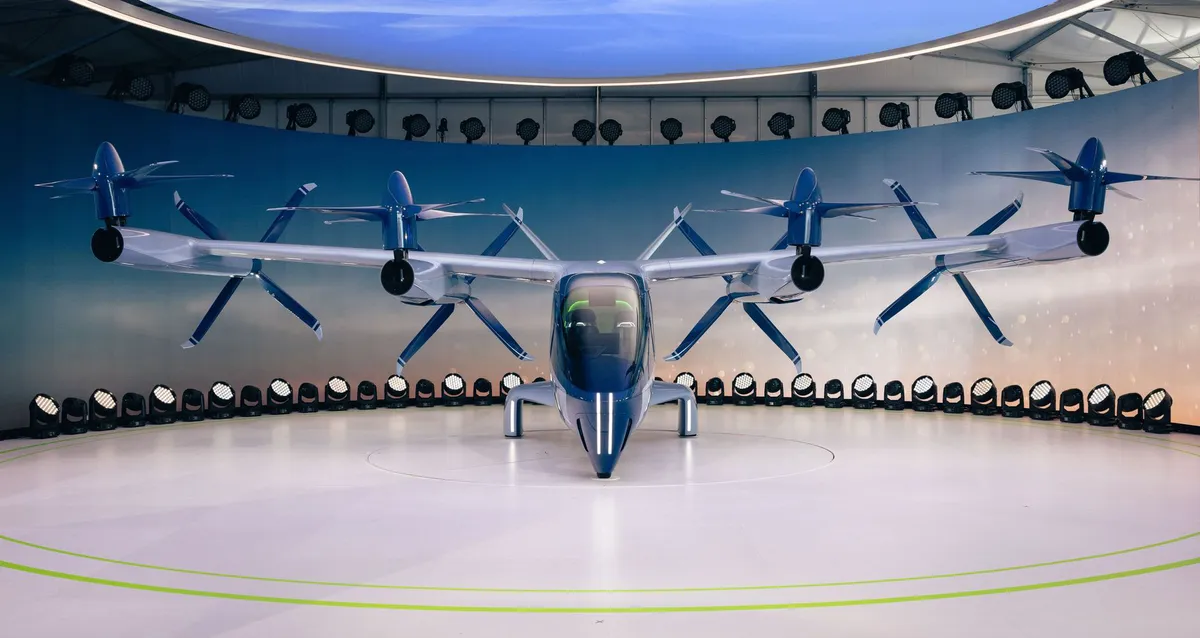
Electric air taxis are part of a burgeoning field of aviation technology aiming to revolutionize urban mobility. These vehicles generally accommodate four to five passengers and are designed for short-distance flights, which could significantly reduce traffic congestion on the ground. With urban areas increasingly plagued by gridlock, the potential benefits of eVTOLs are compelling.
However, despite the excitement, the eVTOL market remains in its infancy. Several startups are working diligently to bring production-ready models to market, with applications that extend beyond passenger transport into fields like logistics and defense. Notable companies include Joby Aviation and Archer Aviation, both of which have made headlines for their ambitious projects and partnerships. Yet, the commercial viability of these aircraft is still uncertain, with significant regulatory and engineering hurdles to overcome.
Florida's Vision for Air Taxi Infrastructure
The FDOT's plan includes constructing 32 landing pads equipped with charging stations for eVTOLs at strategic locations such as airports, luxury apartment complexes, and even golf courses. The goal is to facilitate easy access to air taxis for residents and visitors, ultimately alleviating the notorious traffic that plagues many regions of the state.
Additionally, this initiative aligns with Florida's broader economic strategy to become a hub for innovative technologies. The state has already taken steps to position itself as a leader in the electric vehicle space, and the air taxi project could bolster this reputation. However, the decision to pivot from EV charging infrastructure raises concerns about equity and access. In contrast to states like New York and North Carolina, which have utilized NEVI funds to build community-based charging stations, Florida's approach may neglect the needs of those who rely on traditional EVs.

Potential Impacts on Urban Mobility
The implications of Florida's decision extend beyond just infrastructure; they touch on broader themes of urban mobility, environmental sustainability, and economic growth. By investing in air taxi infrastructure, Florida is betting on a future where air travel becomes a feasible alternative to ground transportation. This could lead to:
- Reduced Traffic Congestion: Air taxis could provide a new mode of transport that bypasses road traffic, particularly in densely populated urban areas.
- Innovative Employment Opportunities: The development of eVTOL networks could create jobs in aviation, engineering, and maintenance, contributing to economic growth.
- Environmental Benefits: As eVTOLs are electric, they promise to reduce emissions associated with traditional gasoline-powered vehicles.
- Challenges for Traditional EV Users: While air taxi infrastructure develops, those relying on conventional EVs may face ongoing challenges in accessing charging stations.
Criticism and Concerns
As with any transformative initiative, Florida's air taxi plan has drawn scrutiny. Critics argue that diverting funds from traditional EV charging infrastructure could hinder the state's ability to support existing electric vehicle owners. Some residents and advocacy groups have raised concerns that without adequate charging stations, the transition to electric vehicles could stall, particularly among lower-income communities that may lack private charging solutions.
Moreover, the eVTOL market is still largely experimental, raising questions about the safety and reliability of these aircraft. Regulatory frameworks are still being developed, and the technology must demonstrate reliability before mainstream adoption can occur. Critics caution that the state should ensure a balanced approach that addresses the needs of all residents, regardless of their mode of transportation.
Key Takeaways
- Florida is reallocating nearly $200 million in federal EV funds to develop air taxi infrastructure.
- The state aims to build 32 landing pads for eVTOLs at various strategic locations.
- Florida's approach contrasts with other states that focus on building community charging stations for EVs.
- The eVTOL market is still emerging, with both potential benefits and significant challenges ahead.
- Concerns about equity and access remain for traditional EV users as air taxi infrastructure develops.
Frequently Asked Questions
Why is Florida redirecting EV funds to air taxi infrastructure?
Florida's decision to redirect nearly $200 million in federal EV funding stems from the belief that private companies have sufficiently developed the state's EV charging network. The Florida Department of Transportation sees air taxi infrastructure as a future-forward solution to address urban congestion and promote innovative transportation options.
What are eVTOLs, and how do they work?
Electric vertical takeoff and landing (eVTOL) aircraft are designed to transport passengers and goods over short distances using electric power. They are envisioned as a solution for urban air mobility, allowing quick travel between key destinations, such as airports and city centers. These aircraft typically take off and land vertically, similar to helicopters, but operate on electric motors, making them quieter and more environmentally friendly.
What challenges does the eVTOL market face?
The eVTOL market is still nascent and faces multiple challenges, including regulatory hurdles, technological development, and public perception. Regulatory agencies must formulate safety standards, while companies need to demonstrate the reliability and safety of their aircraft. Additionally, the public must be convinced of the feasibility and safety of this new mode of transport before widespread adoption can occur.
How will this affect traditional EV users in Florida?
While the development of air taxi infrastructure could offer innovative transportation solutions, it raises concerns for traditional EV users who may face a lack of adequate charging stations. The state’s decision to redirect funds may not adequately address the growing need for accessible charging options, particularly for those in underserved communities who rely on standard EVs for their daily transportation needs.
Comments
Unlocking Quantum Potential: Innovations in Trustworthy Quantum Computing
IBM's recent breakthroughs in quantum computing promise a new era of verification and trust in quantum results. Discover how these advancements tackle long-standing challenges and what they mean for the technology's future.

Related articles
Popular in Cloud Computing
- SK Hynix's Historic $26.5 Billion IPO: A New Era for Memory Chips
- Kubernetes and the Future of Desktop Infrastructure: A Paradigm Shift
- Amazon Expands Partnership with Nvidia, Tripling GPU Orders Amid AI Demand Surge
- Elon Musk's Evolving Relationship with Anthropic: A New Era for AI Hosting
- Emerging Rocket Launches: A New Era for Space Exploration