Exploring the Latest Innovations in Quantum Computing Technologies
Quantum computing is rapidly advancing, with diverse technologies emerging for qubit development. This article examines the latest breakthroughs in quantum dots, diamond vacancies, and their implications for the future of computing.

In the ever-evolving landscape of quantum computing, the quest for more efficient and scalable qubit technologies has gained remarkable momentum. As researchers and companies strive to harness the peculiar properties of quantum states, new innovations are emerging that promise to reshape the future of computing. From quantum dots to diamond vacancies, a diverse array of technologies is being explored, each with its unique advantages and challenges. This article delves into the latest advancements in quantum computing, highlighting how these cutting-edge technologies could play pivotal roles in the race toward practical quantum systems.
Emerging Qubit Technologies
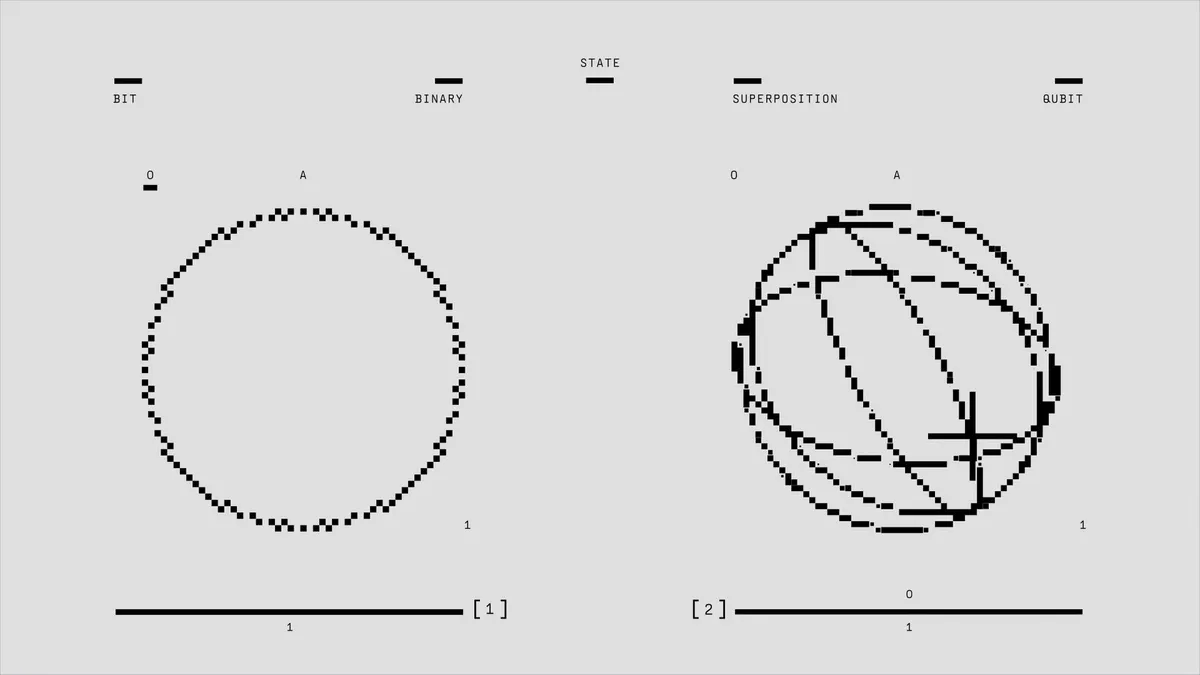
The concept of a qubit—short for quantum bit—serves as the foundation of quantum computing. Unlike classical bits, which exist as either 0s or 1s, qubits can exist in a superposition of both states simultaneously, enabling quantum systems to perform complex calculations at astonishing speeds. With many contenders vying for dominance in the qubit arena, a variety of technologies are being developed, each with its proponents and potential.
Among the most promising are quantum dots, which are semiconductor particles capable of confining single electrons. These quantum dots can be manufactured using techniques similar to those employed in traditional semiconductor fabrication, making them a scalable option for qubit development. Recently, two notable studies introduced different approaches to utilizing quantum dots, one of which caught the attention of tech giant IBM, leading to an acquisition of the developing company.

Quantum Dots and Their Promise
In a recent publication by HRL Laboratories, researchers described a novel method of creating qubits using manufactured quantum dots that hold individual electrons. These dots leverage a control system kept within the same refrigeration environment as the qubits, connected through superconducting ribbon cables. This innovation aims to reduce the complexity and energy consumption associated with conventional microwave controls, which are often required to manipulate qubit states.
The HRL system demonstrated a setup with 18 qubits, successfully executing a simple error-correction code. This achievement revealed a logical error rate of less than 1 percent, underscoring the potential of this technology to achieve stable and scalable qubits. IBM’s Director of Research, Jay Gambetta, expressed enthusiasm for this technology, emphasizing the importance of silicon as a foundational material for both superconducting qubits and spins, allowing for parallel development of these two approaches.
The Role of Spin Qubits
Spin-based qubits present another exciting avenue for quantum computing. These qubits take advantage of the intrinsic spin of electrons, which can be manipulated to represent quantum states. The challenge, however, lies in maintaining the stability of these spins. The Delft University of Technology recently published findings on the ability to move individual spins between quantum dots, allowing for increased flexibility in qubit connections. This adaptability could enable the construction of more complex quantum circuits and error-correction codes, enhancing overall computational power.

Challenges and Innovations
The research team at Delft has proposed a bus system where spins can be transported along a predefined path, with designated stops for storage when not in use. Their innovative approach achieved a nearly 98 percent fidelity in spin transport, a crucial factor in ensuring reliable qubit operations. By overcoming the limitations of static qubit connections often seen in traditional chip designs, this technology holds significant promise for future quantum algorithms.
Diamonds: A New Frontier for Qubits
Another intriguing technology involves the use of nitrogen vacancies in diamonds, a method that has seen renewed attention after a period of relative silence. These vacancies occur when nitrogen atoms replace carbon atoms in a diamond lattice, leaving behind unpaired electrons that can be manipulated similarly to spins in quantum dots. The challenge with this approach has historically been the precise control of nitrogen placements within the diamond structure.
Saxon Q, a spinout from the Universität Leipzig, has made significant strides in this area by developing a technique that allows for precise placement of nitrogen vacancies within a 10-nanometer radius. This advancement is particularly noteworthy as it enables the fabrication of diamond-based qubits that can operate at room temperature, simplifying the infrastructure typically required for quantum systems.
Modular and Scalable Designs
One of Saxon Q's standout features is its modular design. The company constructs a “core” with eight qubits that can be integrated into larger systems, offering scalability without compromising performance. Their announcement of units with over 100 total qubits represents a significant leap forward in accessible quantum technology, allowing businesses and researchers to experiment with quantum computing capabilities without the prohibitive costs typically associated with advanced systems.
The Implications for Quantum Computing
The ongoing research and development of these various qubit technologies highlight a critical aspect of the quantum computing race: the need for scalable solutions that can support complex computations. As companies like IBM and emerging startups refine their technologies, the potential applications for quantum computing span multiple industries, including pharmaceuticals, finance, materials science, and artificial intelligence.
Moreover, as quantum systems become more robust, the focus will shift toward integrating these technologies into practical applications. Error correction, stability, and coherence times will remain essential metrics as researchers push the boundaries of what is possible with quantum computing.
Key Takeaways
- Diverse technologies like quantum dots and diamond vacancies are driving advancements in qubit development.
- HRL Laboratories' approach demonstrates a scalable method for qubit control using electron spins.
- Delft University’s research on moving spins enhances the flexibility and efficiency of quantum circuits.
- Saxon Q’s diamond qubits operate at room temperature, offering a modular and scalable solution for quantum computing.
- The implications of these innovations could revolutionize various industries and applications.
Frequently Asked Questions
What exactly is a qubit?
A qubit, or quantum bit, is the fundamental unit of quantum information. Unlike classical bits, which can exist in one of two states (0 or 1), qubits can exist in a superposition of both states at the same time. This property allows quantum computers to perform calculations that surpass the capabilities of classical computers.
Why are quantum dots considered a promising technology for qubits?
Quantum dots are tiny semiconductor particles that can trap individual electrons, making them suitable for qubit development. Their compatibility with existing semiconductor manufacturing techniques allows for scalable production, which is crucial for building large-scale quantum computers capable of complex computations.
What are nitrogen vacancies in diamonds, and why are they important?
Nitrogen vacancies are defects in diamond lattices created when nitrogen atoms replace carbon atoms, leaving behind unpaired electrons. These unpaired electrons can be manipulated like spins, making them effective as qubits. The ability to control nitrogen placements precisely is vital for developing reliable and efficient quantum systems.
How do these advancements impact the future of quantum computing?
The developments in quantum dot and diamond vacancy technologies signify a shift toward more practical and scalable quantum systems. As these technologies mature, they will enable quantum computers to tackle real-world problems across various sectors, potentially transforming industries such as healthcare, finance, and materials science with their unprecedented computational power.
Comments
The Real Advantage: How Target Builds Its AI Ecosystem
Target's approach to AI transcends models; it's about the entire ecosystem surrounding them. Learn how the retail giant strategically develops AI agents for maximum efficiency and value.

Related articles

Popular in Cloud Computing
- SK Hynix's Historic $26.5 Billion IPO: A New Era for Memory Chips
- Kubernetes and the Future of Desktop Infrastructure: A Paradigm Shift
- Amazon Expands Partnership with Nvidia, Tripling GPU Orders Amid AI Demand Surge
- Elon Musk's Evolving Relationship with Anthropic: A New Era for AI Hosting
- Emerging Rocket Launches: A New Era for Space Exploration