US Bans Foreign-Made Robots: Impacts on Innovation and Industry
The recent ban imposed by the US on foreign-made robots raises significant questions about national security, innovation, and the robotics industry. This article explores the implications of the ban and its potential effects on consumers and manufacturers.
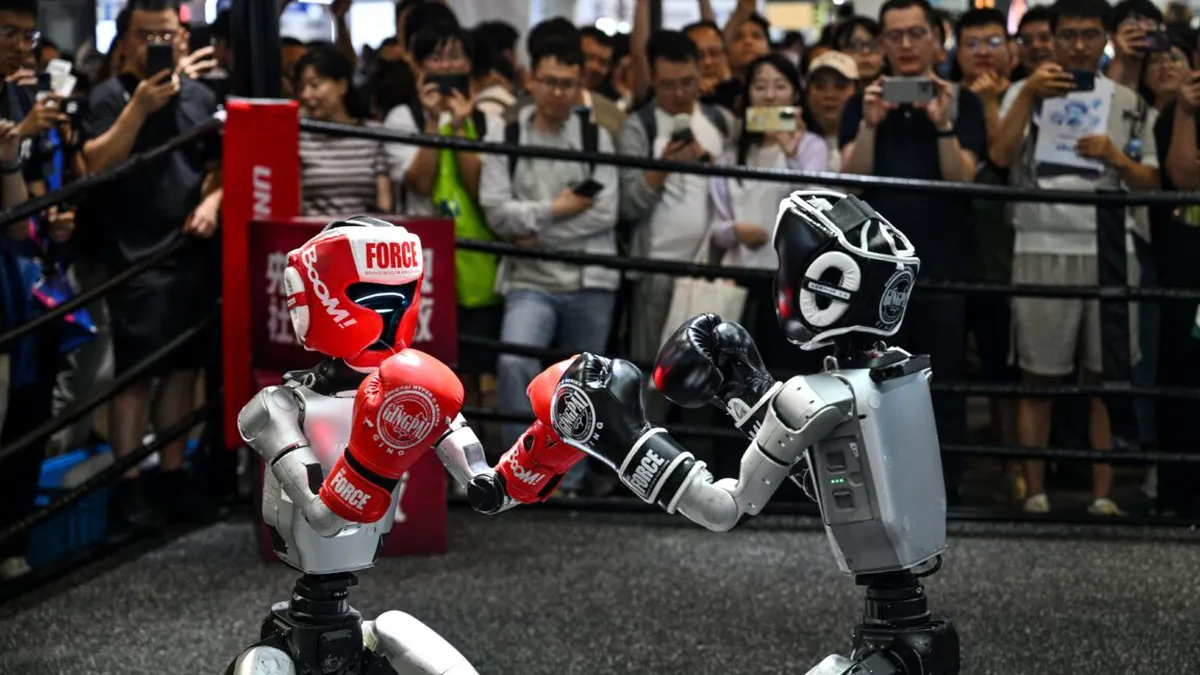
The landscape of robotics in the United States is undergoing a seismic shift following the recent ban imposed by the Federal Communications Commission (FCC) on foreign-made robots. This bold move has been framed as a necessary step to safeguard national security, particularly in light of cybersecurity vulnerabilities linked to robotic devices manufactured by foreign nations, most notably China. However, the implications of this ban extend far beyond national security, affecting consumers, manufacturers, and the broader trajectory of robotics innovation in the United States.
On July 28, 2026, the FCC included "foreign-produced advanced robotic devices" in its list of technologies that pose an unacceptable risk to the national security and safety of US citizens. This sweeping prohibition not only targets humanoid robots and quadrupeds, but also encompasses a wide array of robotic devices, including popular consumer products like robot vacuum cleaners. As the industry grapples with the fallout from this decision, stakeholders are left to ponder: Who stands to benefit, and who may suffer as a result of this ban?
Understanding the Ban: Scope and Specifications
The FCC's ban is notably broad, capturing various types of robotic devices defined as "mechanical mobile devices" capable of operating autonomously or under remote human control. The criteria for what constitutes a covered robot include:
- Mobility, meaning the device can move around on the ground.
- Equipped with sensors to perceive the environment.
- Network connectivity, such as Bluetooth or satellite, with speeds exceeding 200 kbps.
- Software or AI models that run on the robot or via cloud computing.
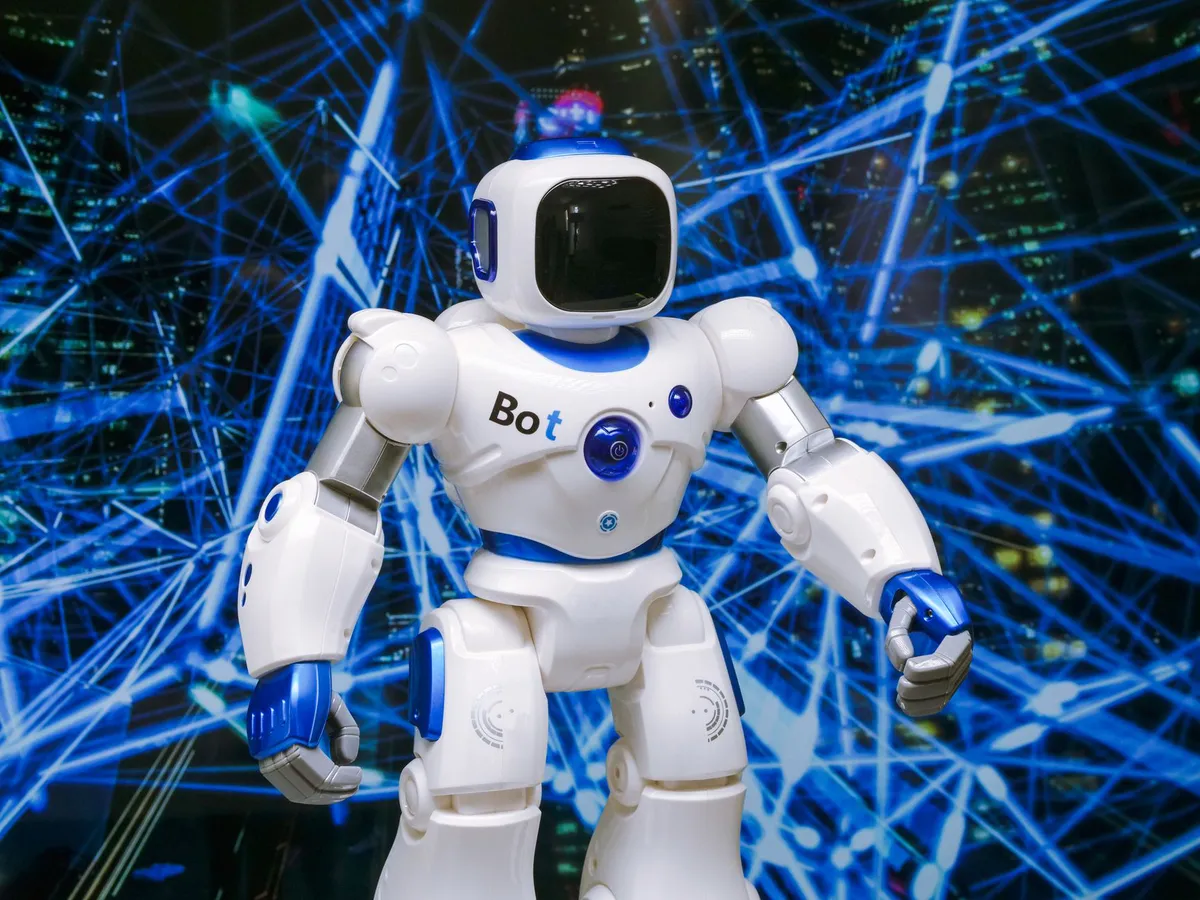
This definition raises concerns for several manufacturers, particularly those based in China, such as Unitree Robotics, which produces affordable humanoid robots utilized in research and educational settings. Additionally, US consumers may lose access to popular robot vacuums from companies like Roborock, further complicating the consumer landscape.
Exemptions and Their Implications
While the ban has considerable reach, there are notable exemptions that offer some breathing room for the industry. For instance, the ban specifically targets new models of foreign-made robots. This means that existing models authorized by the FCC can still be purchased and utilized, allowing consumers and businesses to continue using previously approved devices. Moreover, the ban does not apply to:
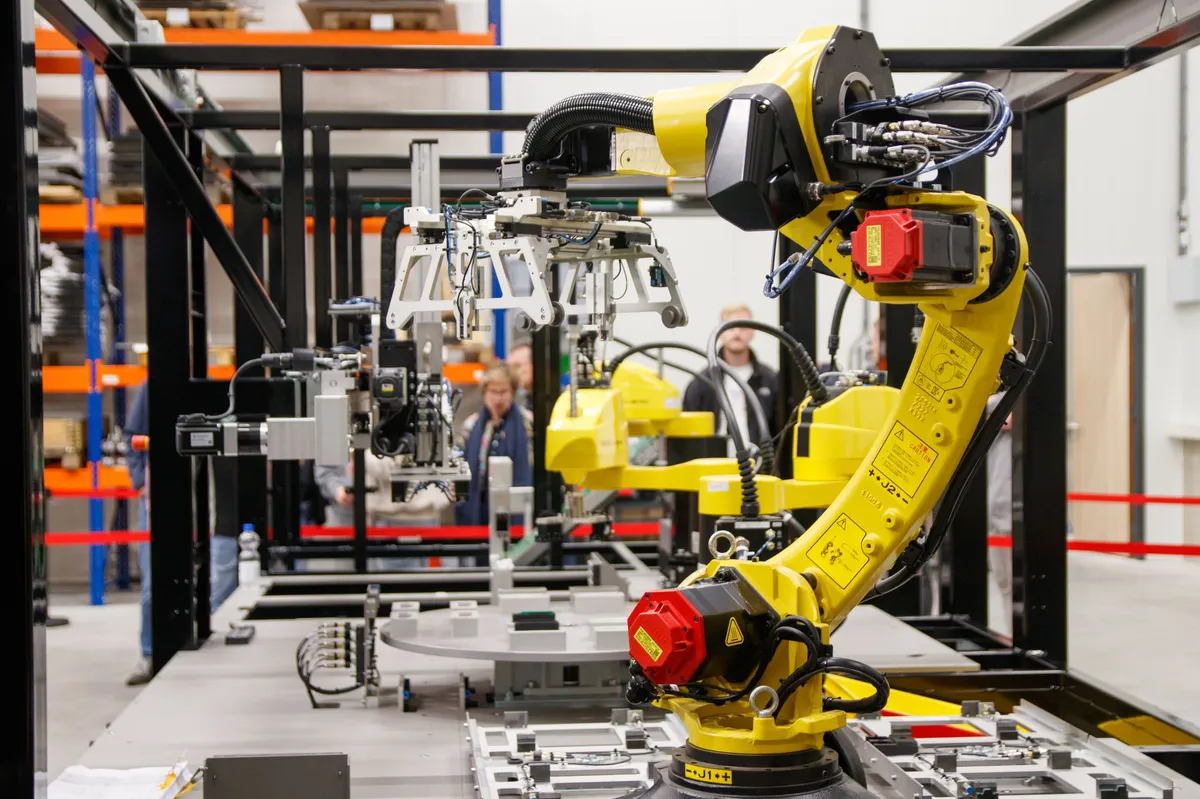
- Stationary robots, which remain unaffected.
- Devices classified by the FDA, including medical and surgical robots.
- Trains, drones, and connected vehicles such as robotaxis.
Such exemptions suggest that while certain segments of the market may be constrained, others will continue to thrive. Additionally, the Department of Defense retains the authority to exempt specific foreign-made robots if deemed non-threatening, indicating a potential pathway for certain technologies to remain available within the US.
Potential Advantages: A Boost for Domestic Production?
Proponents of the ban argue that it could stimulate domestic manufacturing and innovation in the robotics sector. Companies such as Agility Robotics and Figure AI are already ramping up production of humanoid robots within US borders, potentially leading to job creation and technological advancement. Tesla is also shifting its focus toward humanoid robot production, a move that could reshape its business model.
Evan Beard, CEO of Standard Bots, hailed the ban as a pivotal moment in technology security, emphasizing the need for the US to lead in robotics. Supporters of the ban view it as a protective measure against foreign competition that has historically benefitted from subsidies, allowing them to dominate the market at the expense of American innovation.
Critics: Innovation at Risk
Despite the optimistic outlook from supporters, critics caution that the ban may hinder innovation in the robotics sector. Experts like Georg Stieler, a global robotics advisor, warn that cutting off access to affordable foreign-made robots could slow progress in developing humanoid robots within the US. The risk is that US startups and researchers may find themselves disadvantaged without access to cost-effective platforms that have been instrumental in educating the market.
Rueben Scriven, a senior analyst, echoes these concerns, arguing that the presence of affordable Chinese humanoid robots has played a crucial role in advancing the US market by providing valuable use cases. The potential absence of such devices could stifle creativity and experimentation, ultimately affecting the pace of innovation.
Historical Context: Lessons from Previous Bans
The effectiveness of previous bans imposed by the FCC serves as a cautionary tale. For instance, restrictions placed on drones manufactured by Chinese companies have not led to the emergence of a robust domestic consumer-drone industry in the US. Instead, new companies have emerged to circumvent these restrictions, often selling rebranded versions of existing technologies.
This history raises questions about whether the ban on foreign-made robots will yield the desired outcomes or simply result in a fragmented market where innovation is stifled rather than encouraged. As the US grapples with its role in the global robotics landscape, the challenge will be to navigate the balance between security and innovation.
Key Takeaways
- The FCC's ban on foreign-made robots targets a wide array of robotic devices, citing national security concerns.
- Existing models of foreign-made robots can still be purchased, but new models will be prohibited.
- Exemptions exist for stationary robots, FDA-classified devices, and military applications.
- Proponents argue the ban could boost domestic manufacturing, while critics warn it may hinder innovation.
- Historical precedents suggest that bans may not lead to the intended outcomes in terms of fostering a competitive domestic market.
Frequently Asked Questions
What types of robots are affected by the ban?
The FCC's ban encompasses a broad range of mobile robotic devices, including humanoid robots, quadrupeds, and any mechanical devices weighing over 4.4 pounds that can operate autonomously or remotely. This includes popular consumer products like robot vacuum cleaners, which are primarily manufactured by companies in China.
Are there any exemptions to the ban?
Yes, the ban does not apply to existing models of foreign-made robots that have already received FCC authorization. Additionally, stationary robots, medical devices classified by the FDA, and certain military applications are exempt from the restrictions, allowing these sectors to continue to function without disruption.
How might this ban affect innovation in the robotics industry?
While the ban is intended to protect national security and stimulate domestic production, critics argue that it may hinder innovation by limiting access to affordable foreign-made robots that have been instrumental in research and development. This could slow the pace of progress in the US robotics sector as startups and researchers lose access to valuable platforms that facilitate experimentation.
What lessons can be learned from previous FCC bans?
Past FCC bans on foreign-made technology have often failed to create a competitive domestic market, as evidenced by the ongoing challenges in establishing a robust US consumer-drone industry. These historical precedents suggest that the current ban on foreign robots may similarly result in unintended consequences, potentially stifling innovation and leading to market fragmentation rather than fostering a thriving robotics ecosystem.
Comments
The Real Advantage: How Target Builds Its AI Ecosystem
Target's approach to AI transcends models; it's about the entire ecosystem surrounding them. Learn how the retail giant strategically develops AI agents for maximum efficiency and value.

Related articles
Popular in Cloud Computing
- SK Hynix's Historic $26.5 Billion IPO: A New Era for Memory Chips
- Kubernetes and the Future of Desktop Infrastructure: A Paradigm Shift
- Amazon Expands Partnership with Nvidia, Tripling GPU Orders Amid AI Demand Surge
- Elon Musk's Evolving Relationship with Anthropic: A New Era for AI Hosting
- Emerging Rocket Launches: A New Era for Space Exploration