Power Cuts Loom for Data Centers Amid Growing Energy Crisis
With the largest U.S. electrical grid facing potential blackouts, data centers may experience temporary power cuts as grid operators seek to manage surging demand. This article explores the implications for the data center industry and potential solutions.
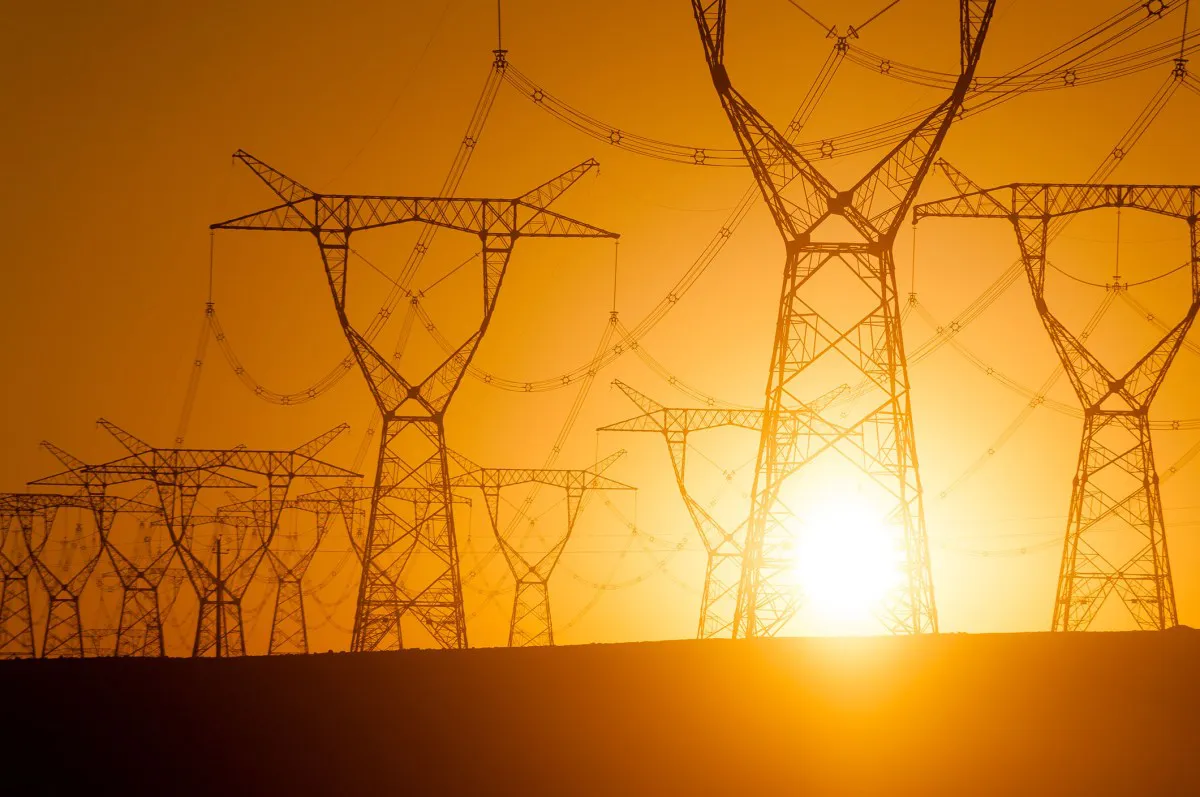
The rapid expansion of data centers across the United States has become a double-edged sword. While these facilities are critical for supporting our increasingly digital world, they also place immense pressure on the electrical grid. Recent developments indicate that operators of the largest U.S. electrical grid, PJM Interconnection, may soon implement temporary power cuts to data centers and other significant energy consumers to prevent widespread blackouts. This situation raises critical questions about the future of data centers, energy management, and sustainability.
As of now, PJM Interconnection has announced that it will commence these power cuts in June 2027, specifically targeting data centers that consume 50 megawatts or more. The decision comes on the heels of a failed auction to increase generating capacity, underscoring the urgent need for a balanced approach to energy consumption and generation. This article delves into the implications of these power cuts, the response from data centers, and what this means for the future of energy consumption in the tech industry.
Understanding the Grid's Struggles
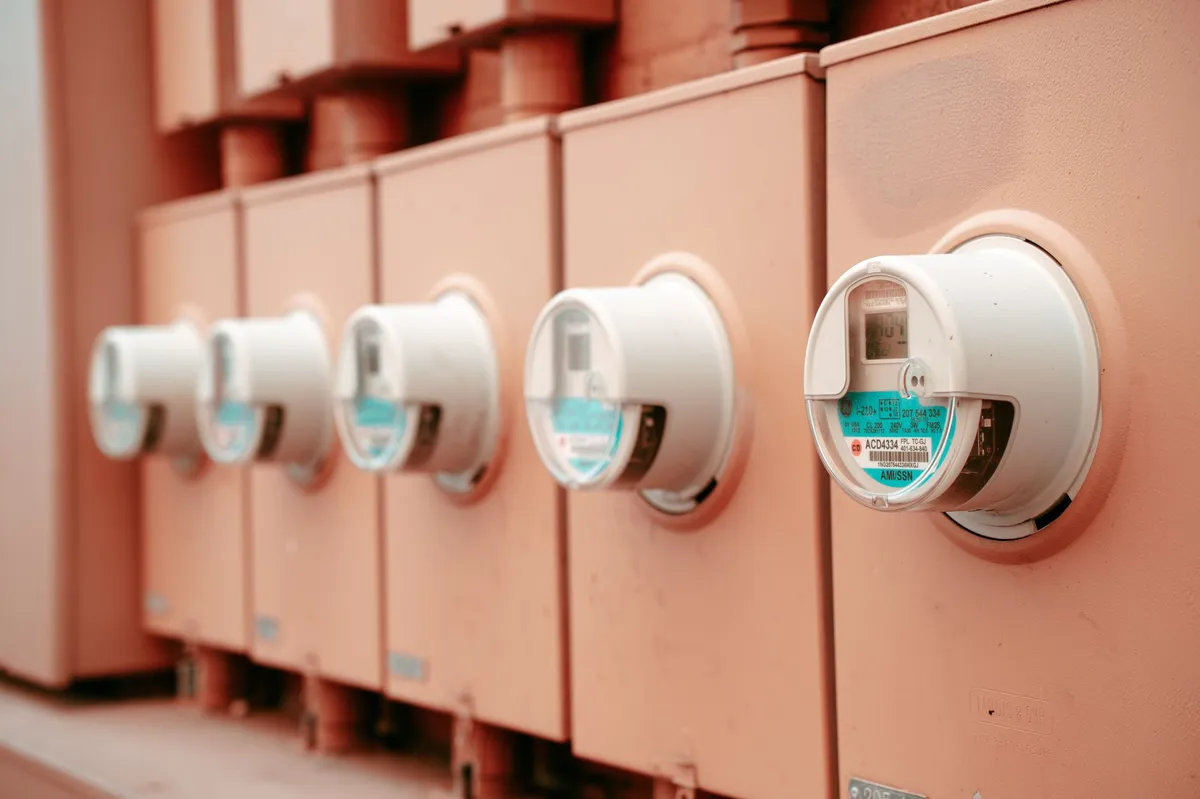
Data centers have become significant consumers of electricity, and projections suggest that their energy use could quadruple by 2035. This surge in demand is largely driven by the transition to cloud computing, the rise of artificial intelligence, and the growing reliance on online services. As more businesses and consumers shift to digital platforms, the strain on electrical grids like PJM—which services 67 million customers from Virginia to Illinois—has intensified.
The PJM grid operator has faced increasing scrutiny as electricity prices have nearly doubled over the past year. This rise has been attributed to the escalating demand from data centers, which has sparked debates about the sustainability of their energy consumption practices. As data centers expand, they not only contribute to higher operational costs but also raise concerns about environmental impact and regional power stability.
The Mechanics of Power Curtailment
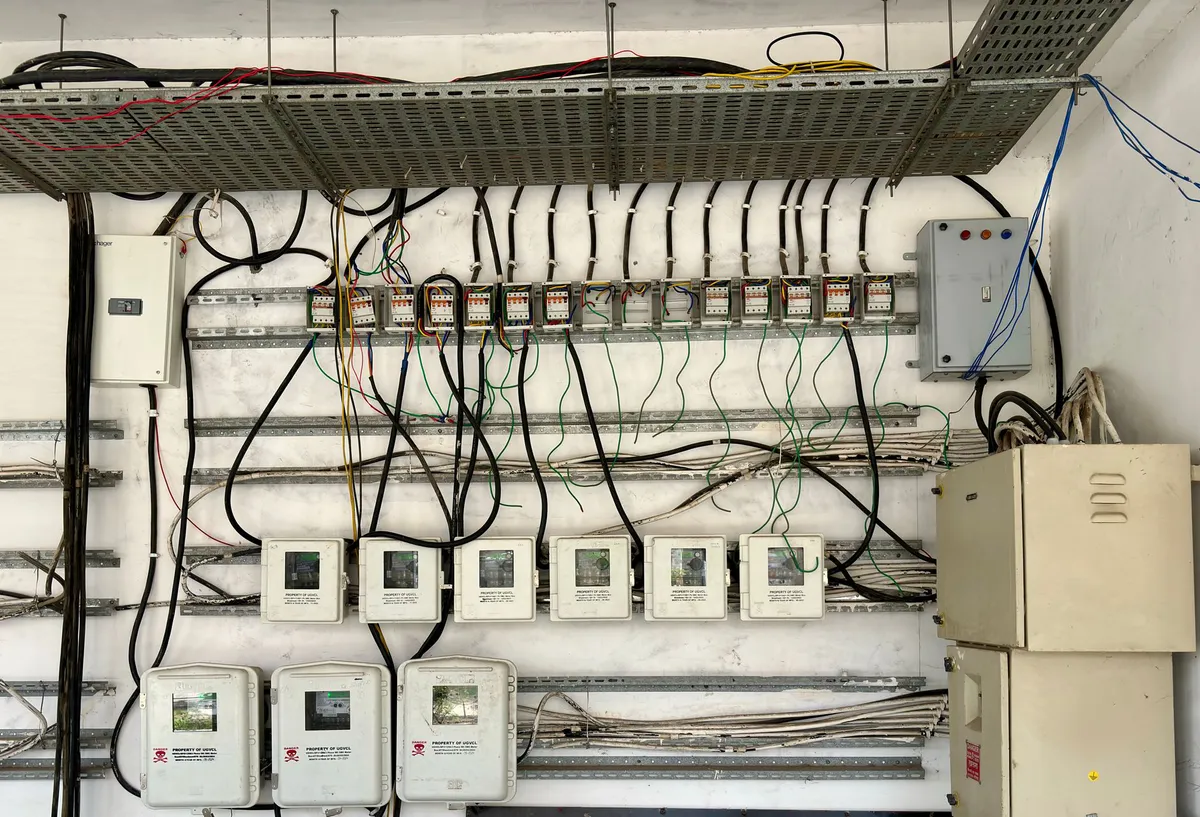
PJM's decision to cut power to large users during shortages is part of a broader strategy known as demand response. Demand response programs have been used for decades and typically involve compensating large energy consumers, such as manufacturers, for reducing their electricity usage during peak demand periods. The goal is to stabilize the grid and prevent blackouts while incentivizing users to manage their energy consumption responsibly.
Under the new guidelines, data centers that find their operations curtailed will receive advance notice about impending power cuts—ranging from 30 minutes to several days—depending on forecasted demand. This structured approach allows data centers to prepare and potentially shift their power usage patterns, but it also raises questions about their operational reliability during peak times. For many, the solution may involve investing in on-site power generation capabilities.

Potential Solutions: On-Site Power Generation
In the face of impending power cuts, many data centers may opt to establish their own sources of on-site power to mitigate the impact of grid interruptions. This shift could take various forms, including the installation of renewable energy sources such as solar panels or wind turbines, as well as backup generators. However, the latter often comes with its own set of challenges.
Most data centers currently rely on diesel generators, which are popular due to their availability and ease of use. Federal regulations permit these generators to operate for up to 50 hours per year for demand response events, and up to 100 hours for emergencies and maintenance. However, diesel generators are not without their drawbacks, particularly in terms of pollution and operational costs. As environmental regulations tighten, data centers may find themselves under increased pressure to adopt cleaner energy solutions.
- Increased Investment in Renewable Energy: Data centers may invest more heavily in solar and wind energy solutions.
- Backup Generators: Diesel generators continue to be a preferred choice but may face scrutiny over emissions.
- Collaboration with Local Governments: Data centers could work with local authorities to improve grid management and energy efficiency.
Environmental and Regulatory Concerns
The environmental impact of data centers has become a hot topic, particularly as they contribute to significant greenhouse gas emissions. Recent controversies, such as Vantage Data Centers' alleged attempts to downplay the health risks associated with diesel generators, highlight the tensions between growth and environmental responsibility. Critics argue that the data center industry's focus on expansion must be balanced with a commitment to sustainable practices.
Moreover, regulatory scrutiny is likely to increase as energy demands rise and environmental challenges mount. Policymakers are beginning to recognize the need for comprehensive energy legislation that accommodates the unique challenges posed by data centers while promoting sustainable practices. The intersection of technology, energy policy, and environmental stewardship will be crucial in shaping the future of data center operations.

Looking Ahead: A Call for Responsible Growth
The forthcoming power cuts and the evolving landscape of energy consumption present both challenges and opportunities for data centers. Organizations must adapt to the changing regulatory environment while exploring innovative solutions to meet their energy needs sustainably. This dynamic landscape calls for collaboration between data center operators, grid managers, and policymakers.
As data centers continue to expand, they must prioritize energy efficiency, invest in renewable energy sources, and actively participate in demand response programs. By doing so, they can mitigate the risks of power shortages while enhancing their operational resilience. The future of data centers will hinge not only on their ability to handle data but also on their commitment to sustainable energy practices.
Key Takeaways
- PJM Interconnection plans to implement power cuts for large data centers starting June 2027.
- Data centers are projected to quadruple their energy consumption by 2035, putting pressure on the electrical grid.
- Demand response programs will compensate data centers for reduced power usage during peak times.
- On-site power generation, including renewable energy and backup generators, will be crucial for data centers.
- Environmental regulations and public scrutiny are increasing, necessitating a shift toward sustainable practices.
Frequently Asked Questions
What are demand response programs, and how do they work?
Demand response programs are initiatives that incentivize large energy consumers, like data centers, to reduce their electricity usage during peak demand periods. These programs typically involve compensation for participants who agree to curtail their energy consumption when the grid is under stress. The goal is to stabilize the electrical grid by balancing supply and demand, ultimately preventing blackouts.
How will the power cuts affect data center operations?
The planned power cuts for data centers could disrupt their operations, particularly for those that rely heavily on consistent power supply. Facilities may need to implement backup power solutions or on-site generation to mitigate the impact of these cuts. Additionally, the ability to predict and manage power usage will become increasingly critical for data center operators as they navigate the challenges posed by grid instability.
What can data centers do to prepare for these changes?
Data centers can take several proactive steps to prepare for the anticipated power cuts. These include investing in on-site renewable energy sources, enhancing energy efficiency through advanced cooling and infrastructure technologies, and actively participating in demand response programs to optimize their energy usage. Collaboration with local utilities and regulators can also facilitate better energy management strategies.
What role do regulations play in the data center industry?
Regulations significantly influence the data center industry, particularly concerning energy consumption and environmental impact. As environmental concerns grow and energy demands increase, policymakers are likely to implement stricter regulations governing energy efficiency, emissions, and renewable energy adoption. Data centers must stay informed and compliant with these regulations to maintain operational viability and public trust.
Comments
NASA's Ambitious Space Mission Faces Setbacks with Katalyst Robot
A Katalyst Space robot designed to elevate NASA's Neil Gehrels Swift Observatory has encountered serious operational failures, raising concerns about the future of the mission. This unprecedented collaboration highlights the complexities and risks of commercial partnerships in space exploration.

Related articles

Popular in Cloud Computing
- SK Hynix's Historic $26.5 Billion IPO: A New Era for Memory Chips
- Kubernetes and the Future of Desktop Infrastructure: A Paradigm Shift
- Amazon Expands Partnership with Nvidia, Tripling GPU Orders Amid AI Demand Surge
- Elon Musk's Evolving Relationship with Anthropic: A New Era for AI Hosting
- Emerging Rocket Launches: A New Era for Space Exploration