NASA's Ambitious Space Mission Faces Setbacks with Katalyst Robot
A Katalyst Space robot designed to elevate NASA's Neil Gehrels Swift Observatory has encountered serious operational failures, raising concerns about the future of the mission. This unprecedented collaboration highlights the complexities and risks of commercial partnerships in space exploration.
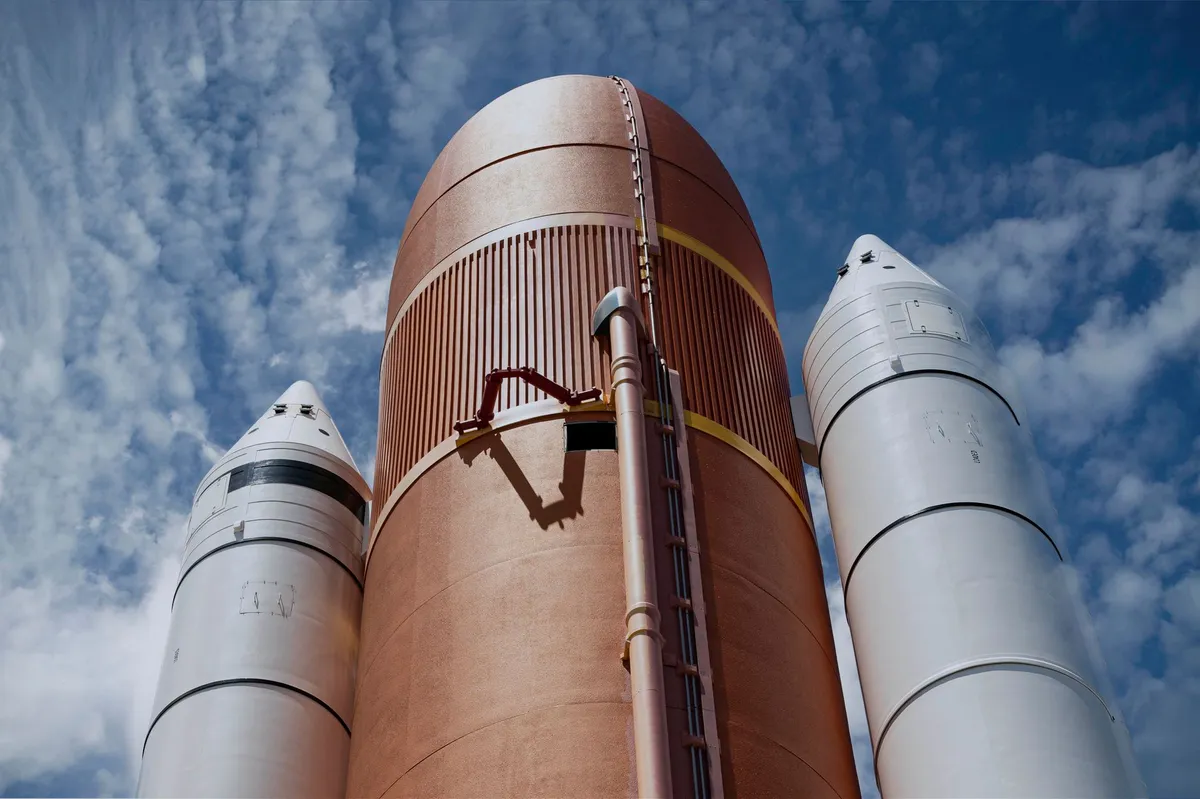
In a groundbreaking mission aimed at extending the operational life of the Neil Gehrels Swift Observatory, NASA has faced unexpected challenges after the Katalyst Space robot, designed to lift the telescope to a higher orbit, tumbled out of control. This incident marks a significant moment in space exploration, as it represents the first time NASA has engaged a private company for such a critical operation. With the observatory launched in 2004 and known for its ability to rapidly identify transient cosmic events, the stakes are high to ensure its continued functionality.
The Katalyst robot was launched aboard a Northrop Grumman Pegasus rocket on July 3, 2026, with the goal of stabilizing and elevating the Swift Observatory, which has been pulled back toward Earth and needs to be repositioned to maintain its scientific contributions. However, recent operational failures have cast doubt on the feasibility of this mission, raising questions about the integration of commercial technology in NASA's endeavors.
Understanding the Mission's Objectives
The Neil Gehrels Swift Observatory has been a pioneering tool for astrophysics, providing invaluable data on phenomena such as gamma-ray bursts and other transient cosmic events. The mission's urgency arises from the observatory's aging systems and the need to extend its operational life through a higher orbital position. This elevation is crucial, as it would allow the observatory to continue its scientific observations beyond its anticipated lifespan.
Katalyst Space's mission was not just a routine operation; it was a demonstration of the growing trend of commercial partnerships in space exploration. By outsourcing this task, NASA hoped to leverage private sector innovations to achieve its scientific goals more efficiently and effectively.
The Setbacks: A Closer Look
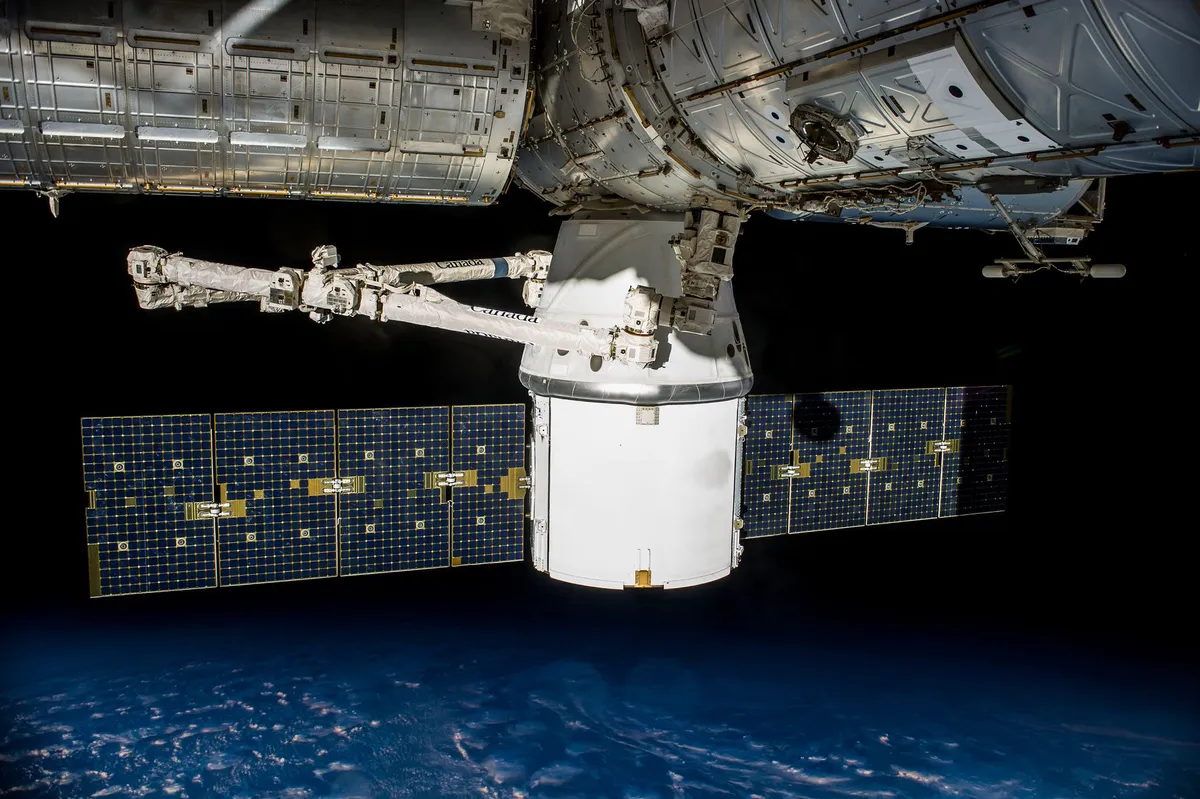
Despite the initial optimism surrounding the mission, operational challenges began to emerge shortly after launch. Flight controllers reported that the Katalyst robot started to spin uncontrollably, which led to sporadic communications with the spacecraft. This spinning was attributed to failures in two of the three reaction wheels responsible for maintaining the robot's orientation, as well as issues with one of its thruster systems.
As the situation escalated, Katalyst's team scrambled to regain control. They initiated a series of corrective maneuvers using backup thrusters to slow down the spinning and stabilize the craft. In a reassuring statement, Katalyst noted that they had begun these corrective burns and were observing positive effects, yet the road ahead remained uncertain.
The Implications of Commercial Partnerships in Space
This incident underscores the complexities and inherent risks associated with commercial partnerships in space exploration. While private companies like Katalyst can bring innovative solutions and agility to missions, they also introduce variables that can complicate already challenging endeavors. NASA's decision to work with Katalyst, which was built rapidly in response to urgent needs, highlights the balance between speed and reliability that often characterizes modern space missions.
Moreover, this mission is part of a broader trend in which government agencies are increasingly collaborating with private enterprises. These partnerships can expedite technological development and reduce costs, but they also require careful oversight and risk management. The Katalyst mission serves as a case study, showcasing both the potential benefits and the challenges of this evolving landscape.
Funding and Future Prospects
Katalyst Space raised $12 million in June 2026 to support this mission, backed by investors including Fortitude Ventures and Geodesic Capital. The company has also attracted interest from the U.S. military for its dynamic spacecraft capabilities, which could one day be adapted for satellite servicing and surveillance operations.
As the Katalyst team continues to work on stabilizing the robot and reviving the mission, the outcome will likely influence future funding and investment in similar projects. Success could pave the way for more ambitious commercial endeavors, while failure may raise questions about the viability of such partnerships.
Lessons from the Katalyst Mission
The Katalyst mission serves as a potent reminder of the unpredictability of space exploration. Despite careful planning and investment, unforeseen challenges can arise that threaten the very objectives of a mission. Lessons learned from this experience may lead to refinements in project management, technology development, and risk mitigation strategies for future collaborative efforts.
- Risk Management: The need for robust systems to manage risks in rapidly developed technology.
- Communication Protocols: Ensuring consistent communication between spacecraft and mission control is crucial.
- Funding Dynamics: The impact of financial backing on mission execution and technology development.
- Commercial Viability: Assessing the long-term sustainability of commercial partnerships in space projects.
Key Takeaways
- This mission marks NASA's first collaboration with a private company for orbital elevation of a space telescope.
- The Katalyst robot's spin-out challenges highlight the risks associated with rapid technology development.
- Successful stabilization efforts could influence future funding and investment in commercial space missions.
- The mission underscores the importance of communication and risk management in space exploration.
- Lessons learned may inform future NASA-private partnerships.
Frequently Asked Questions
What is the Neil Gehrels Swift Observatory?
The Neil Gehrels Swift Observatory is a space telescope launched by NASA in 2004, primarily designed to detect and analyze transient cosmic phenomena such as gamma-ray bursts. Its ability to quickly point at these ephemeral events has made it an essential tool for astrophysicists.
Why did NASA hire Katalyst Space for this mission?
NASA engaged Katalyst Space to leverage private-sector innovations and capabilities to lift the Swift Observatory to a higher orbit. This collaboration aimed to extend the observatory's operational life and maintain its scientific contributions beyond its initial lifespan.
What are the main challenges faced by the Katalyst robot?
The Katalyst robot encountered significant challenges, including failures in its reaction wheels and thruster systems, leading to uncontrolled spinning and sporadic communications with mission control. These technical issues prompted flight controllers to initiate corrective maneuvers to stabilize the spacecraft.
What are the potential implications of this mission for future space exploration?
The Katalyst mission illustrates the complexities of commercial partnerships in space exploration. The outcome of this mission could influence future funding and investment in collaborative projects, highlighting the need for effective risk management and communication strategies in rapidly developed technologies.
Comments
Power Cuts Loom for Data Centers Amid Growing Energy Crisis
With the largest U.S. electrical grid facing potential blackouts, data centers may experience temporary power cuts as grid operators seek to manage surging demand. This article explores the implications for the data center industry and potential solutions.

Related articles

Popular in Cloud Computing
- SK Hynix's Historic $26.5 Billion IPO: A New Era for Memory Chips
- Kubernetes and the Future of Desktop Infrastructure: A Paradigm Shift
- Amazon Expands Partnership with Nvidia, Tripling GPU Orders Amid AI Demand Surge
- Elon Musk's Evolving Relationship with Anthropic: A New Era for AI Hosting
- Emerging Rocket Launches: A New Era for Space Exploration