Waymo Considers Ending Partnership with Uber Amid Rising Tensions
Waymo is reportedly seeking to terminate its partnership with Uber, as tensions over robotaxi operations escalate. With plans to launch its own app, Waymo aims to expand its presence in key markets like Austin and Atlanta.
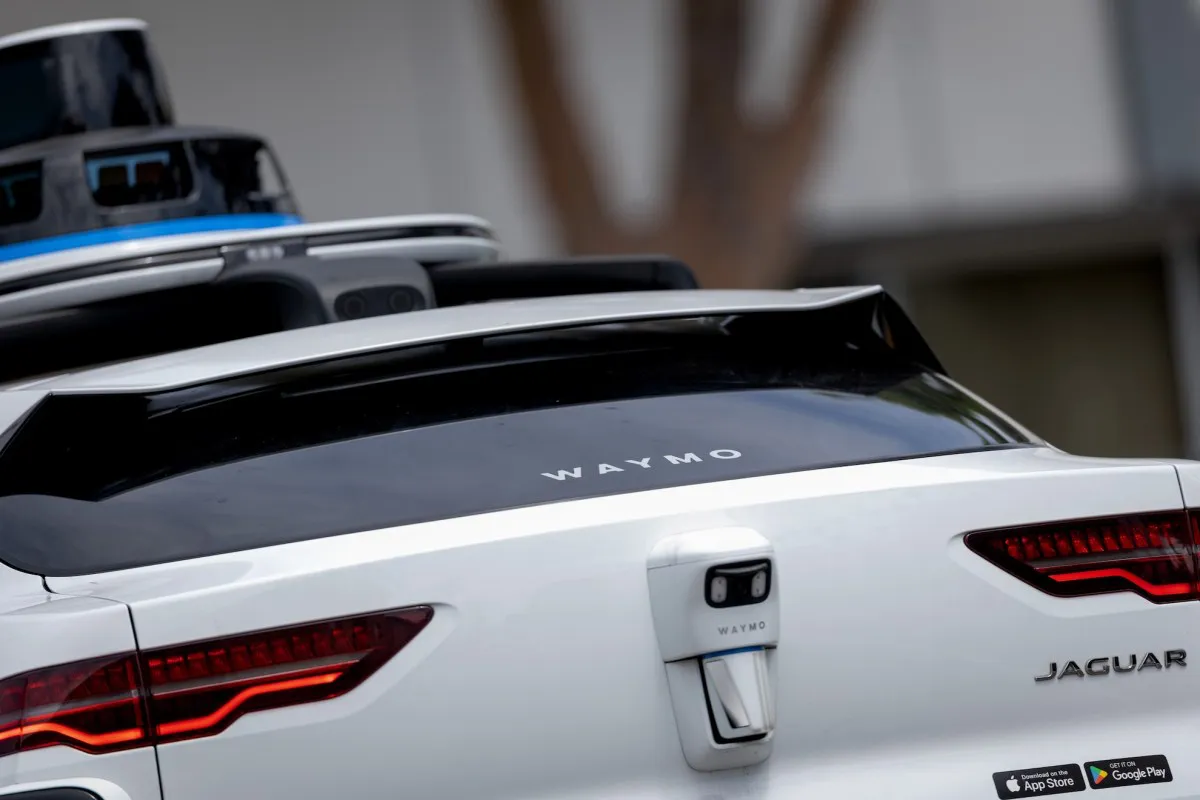
In a significant development within the autonomous vehicle industry, Waymo, the self-driving technology subsidiary of Alphabet, is reportedly exploring options to end its partnership with ride-hailing giant Uber. This potential breakup comes on the heels of increasing tensions between the two companies, which have previously collaborated to integrate Waymo's robotaxis into Uber's platform in cities like Austin and Atlanta. As of January 2028, Waymo plans to launch its own app for robotaxi services in these markets, signaling a bold shift in strategy that could reshape the competitive landscape.
The relationship between Waymo and Uber has been under strain for some time, fueled by public criticisms and differing visions for the future of autonomous transportation. Earlier in the year, Uber’s Chief Technology Officer, Praveen Neppalli, publicly shared videos highlighting what he deemed unsafe behavior from Waymo's robotaxis. This incident was compounded by Uber CEO Dara Khosrowshahi's subtle critiques of Waymo’s operations during an earnings call, where he expressed concerns about the safety of robotaxis in sensitive environments like school zones.
Background: The Waymo and Uber Partnership
The partnership between Waymo and Uber was initially viewed as a mutually beneficial arrangement, providing Uber access to cutting-edge self-driving technology while allowing Waymo to leverage Uber's extensive ride-hailing network. Launched in 2018, this collaboration allowed Waymo to deploy its autonomous vehicles in Phoenix and expand to other urban markets.
However, the relationship began to sour, especially after Uber's contentious legal battles with Waymo in the past over intellectual property theft claims. In 2020, the companies announced a renewed focus on collaboration, only to find themselves at odds again as both sought to establish themselves as leaders in the rapidly evolving robotaxi sector.
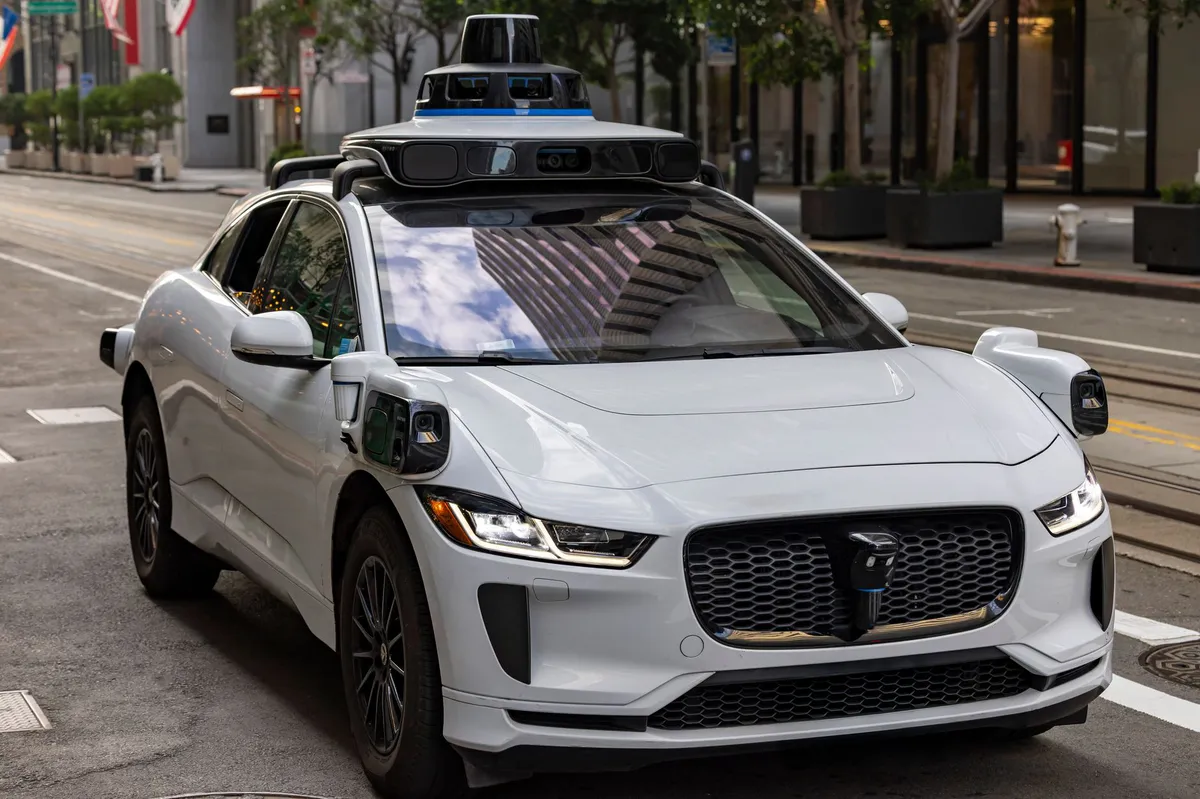
Why the Breakup Matters
The potential split between Waymo and Uber is significant for several reasons:
- Market Dynamics: The autonomous vehicle market is highly competitive, with several players vying for dominance, including Tesla, Cruise, and traditional automotive manufacturers. A breakup could allow Waymo to more aggressively pursue its own agenda without the constraints of a partnership.
- Regulatory Environment: As Waymo and Uber find themselves on opposite sides of policy discussions regarding robotaxi regulations, a split could enable Waymo to advocate more effectively for its interests in the regulatory sphere.
- Consumer Impact: The introduction of Waymo's own app for robotaxi services could lead to increased competition, potentially resulting in better service or lower prices for consumers.
Furthermore, the decision to launch its own app signals Waymo's confidence in its technology and business model, implying a commitment to direct consumer engagement rather than relying on third-party platforms.

Technical and Strategic Implications
From a technical standpoint, the breakup may allow Waymo to refine its autonomous driving algorithms without the need to accommodate Uber's operational constraints. This independence might enable faster iterations and improvements in safety protocols, which are critical in the highly scrutinized environment of public roadways.
Focus on Safety and Innovation
Safety remains a top priority in the development of autonomous vehicles, and Waymo's ability to directly control its robotaxi operations could enhance its capacity to innovate. By sidestepping Uber’s platform, Waymo could implement its own safety measures tailored to its technology, potentially addressing the criticisms raised by Uber's executives.
Strategic Expansion Plans
With plans to roll out its own app in Austin and Atlanta by 2028, Waymo is preparing to establish a direct presence in markets where it can engage customers more effectively. This move could serve as a blueprint for future expansions into other major urban areas, positioning Waymo as a formidable player in the robotaxi industry.
Key Takeaways
- Waymo is reportedly seeking to end its partnership with Uber, set to take effect in January 2028.
- Increased tensions have arisen due to safety concerns and differing regulatory views between the two companies.
- The breakup could allow Waymo to expand its operations and engage directly with consumers through its own app.
- This shift may foster increased competition in the autonomous vehicle market, impacting pricing and service quality.
Frequently Asked Questions
What led to the tensions between Waymo and Uber?
The tensions stem from a series of public criticisms regarding the safety and operational behavior of Waymo's robotaxis, with Uber executives expressing concerns over specific incidents. Additionally, differing views on regulatory policies related to autonomous vehicles have further strained their relationship.
What are the implications of Waymo launching its own app?
Launching its own app allows Waymo to establish direct contact with consumers and potentially improve service delivery. It also means that Waymo can operate independently of Uber's platform, which may enable faster technological enhancements and a more tailored approach to safety protocols.
How might this breakup affect consumers?
The potential breakup could lead to increased competition in the robotaxi market, which may benefit consumers through better service options and potentially lower fares. As Waymo establishes its own brand, it may also prioritize customer experience in ways that differ from Uber's approach.
What does the future hold for both companies?
The future for Waymo looks promising, with the potential for expansion and innovation in the autonomous vehicle space. For Uber, the end of this partnership may necessitate a reevaluation of its strategies in the face of growing competition from other autonomous vehicle companies and evolving consumer expectations in ride-hailing services.
Comments
SpaceX's Starlink V3 Launch: Progress Amidst Challenges
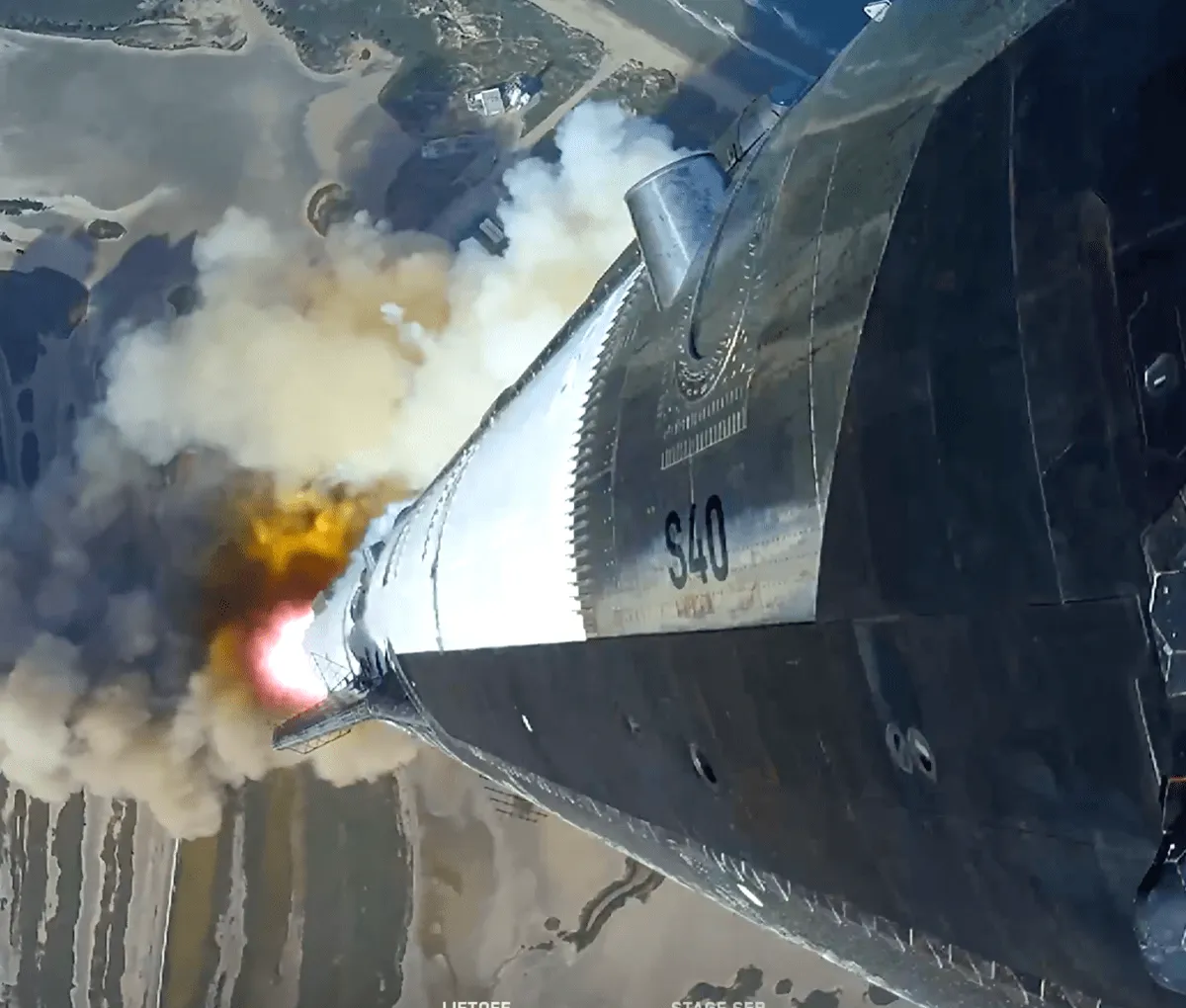
SpaceX has successfully deployed its first V3 Starlink satellites while facing another setback with its Super Heavy booster. This article explores the implications of these developments for the future of space internet.
Related articles
Popular in Cloud Computing
- SK Hynix's Historic $26.5 Billion IPO: A New Era for Memory Chips
- Kubernetes and the Future of Desktop Infrastructure: A Paradigm Shift
- Amazon Expands Partnership with Nvidia, Tripling GPU Orders Amid AI Demand Surge
- Elon Musk's Evolving Relationship with Anthropic: A New Era for AI Hosting
- Emerging Rocket Launches: A New Era for Space Exploration