SpaceX's Starlink V3 Launch: Progress Amidst Challenges
SpaceX has successfully deployed its first V3 Starlink satellites while facing another setback with its Super Heavy booster. This article explores the implications of these developments for the future of space internet.
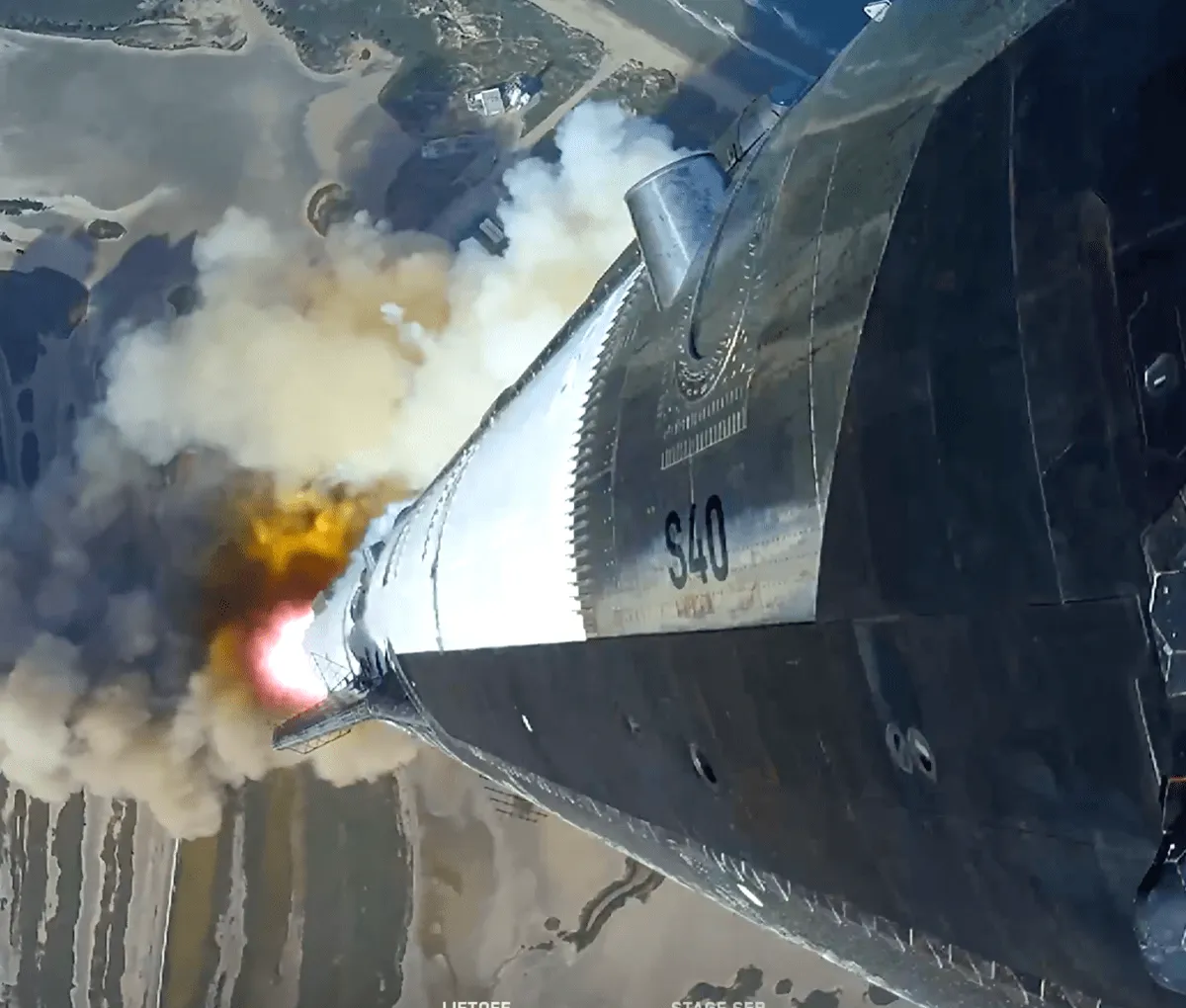
On July 24, 2026, SpaceX achieved a significant milestone by launching its first third-generation Starlink satellites using an upgraded version of its Starship rocket. This marked the 13th test flight of the mega-rocket, which has been central to SpaceX's plans for providing global internet coverage through its satellite constellation. However, the launch was not without its complications, as the Super Heavy booster experienced another failure during its simulated landing in the Gulf of Mexico. This incident raises questions about the future of SpaceX's ambitious plans for both its Starlink program and the development of reusable rocket technology.
The launch occurred shortly after SpaceX's previous attempt was aborted due to multiple engine failures, prompting the company to replace six engines ahead of this flight. Despite the booster failure, the upper stage of the Starship performed well, successfully deploying the new Starlink satellites and completing a simulated landing in the Indian Ocean. This duality of success and failure exemplifies SpaceX's iterative approach to rocket development, where testing often leads to failures but ultimately fosters progress.
Understanding the Super Heavy Booster's Role
The Super Heavy booster is a critical component of SpaceX's Starship system, designed to deliver payloads into space and facilitate missions to orbit and beyond. As the first stage of the Starship launch system, its successful operation is vital for the overall success of any mission. Unfortunately, during this latest launch, the booster failed to ignite all necessary engines for its landing burn, resulting in an explosion upon impact with the water, echoing issues encountered during previous launches.
Challenges in Rocket Reusability
SpaceX's goal of creating a fully reusable rocket system has been a cornerstone of its business model, aimed at reducing the cost of space access. However, the repeated failures of the Super Heavy booster highlight the ongoing challenges the company faces in achieving this goal. Each failure not only delays progress but also increases operational costs, undermining the economic viability of the Starlink program.
The Impact of Starlink V3 Satellites
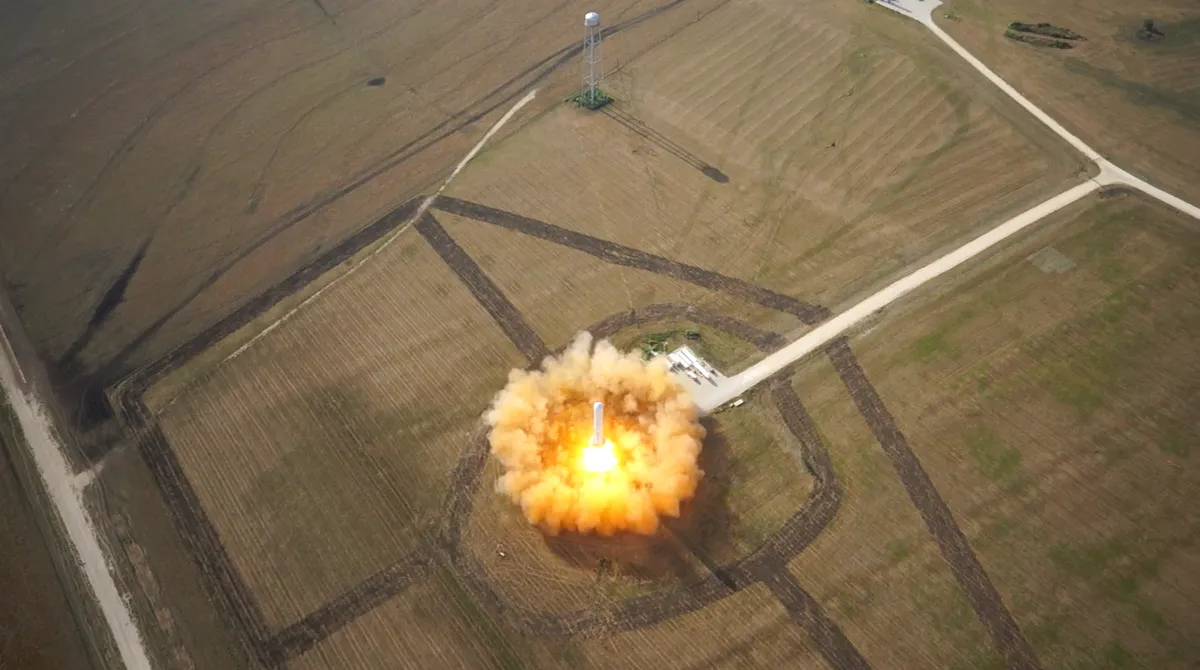
The new V3 Starlink satellites are designed to enhance the capabilities of SpaceX's satellite internet service significantly. By deploying 60 of these satellites in a single launch using the Starship, SpaceX anticipates a potential twenty-fold increase in downlink capacity compared to what can be achieved with a Falcon 9 rocket. This leap in capacity is crucial as SpaceX aims to meet the growing demand for high-speed internet globally, particularly in underserved areas.
- Increased Capacity: V3 satellites promise up to 20 times the downlink capacity.
- Global Coverage: Enhanced technology aims to improve service in rural and remote areas.
- Financial Viability: The Starlink program is currently the only profitable segment of SpaceX's operations.
Successful Deployment and Future Prospects
Despite the setback with the Super Heavy booster, SpaceX successfully communicated with all deployed Starlink satellites shortly after launch, marking a crucial step in their operational capabilities. The upper stage of Starship also demonstrated improved performance by surviving atmospheric reentry without incident and floating in the water for examination of its heat shield tiles. This data is essential for the ongoing refinement of the Starship design.
Market Reactions and Stock Performance
The mixed results of this launch have had tangible consequences for SpaceX's stock performance, which has seen a decline since the company went public in June. Following the booster failure, shares fell by another 2% in after-hours trading, contributing to a trend where stock prices dipped from a peak of over $200 per share to around $115. Investors are closely monitoring these developments as they relate to the company's ability to deliver on its ambitious promises.
The Fly, Fail, Fix Approach
SpaceX's operational philosophy of
Comments
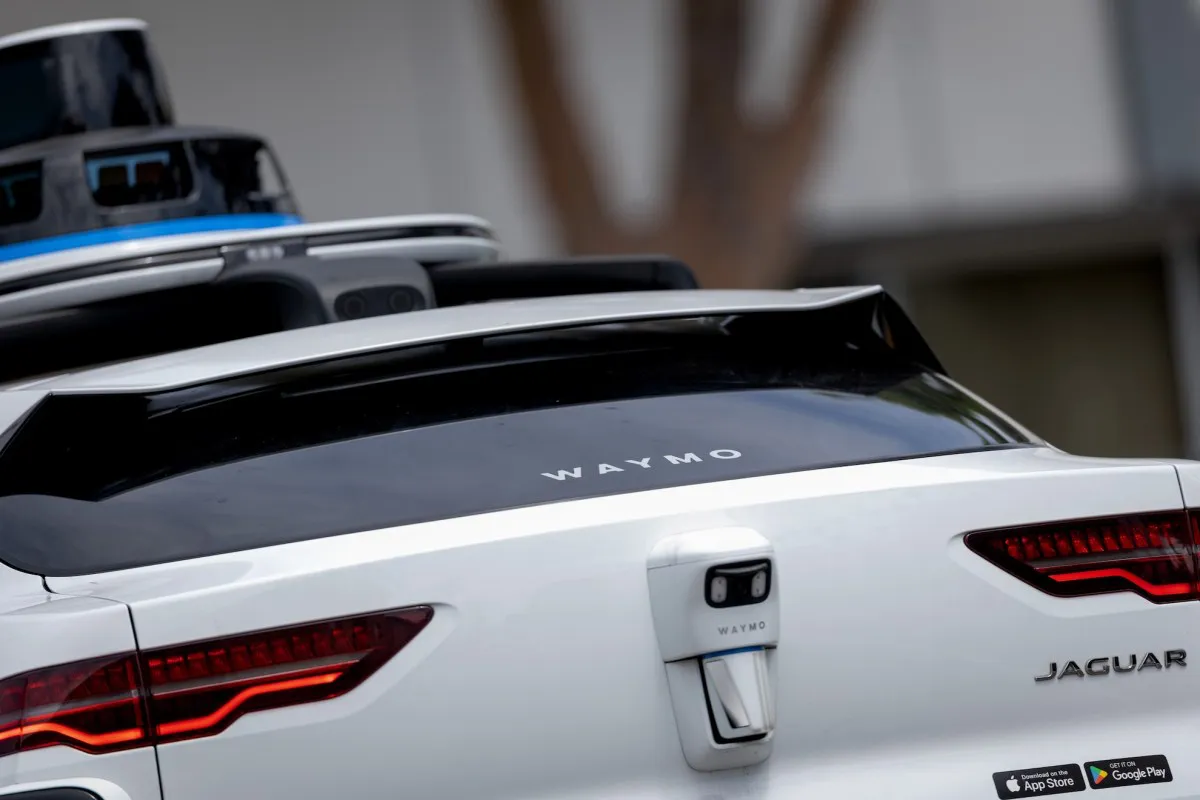
Waymo Considers Ending Partnership with Uber Amid Rising Tensions
Waymo is reportedly seeking to terminate its partnership with Uber, as tensions over robotaxi operations escalate. With plans to launch its own app, Waymo aims to expand its presence in key markets like Austin and Atlanta.
Related articles
Popular in Cloud Computing
- SK Hynix's Historic $26.5 Billion IPO: A New Era for Memory Chips
- Kubernetes and the Future of Desktop Infrastructure: A Paradigm Shift
- Amazon Expands Partnership with Nvidia, Tripling GPU Orders Amid AI Demand Surge
- Elon Musk's Evolving Relationship with Anthropic: A New Era for AI Hosting
- Emerging Rocket Launches: A New Era for Space Exploration