Navigating the AI Compute Gap: How Enterprises Are Investing in Infrastructure
As enterprises ramp up investment in AI infrastructure, a significant disconnect emerges between spending and the ability to track its costs. This article explores the implications of this compute gap and what it means for businesses.
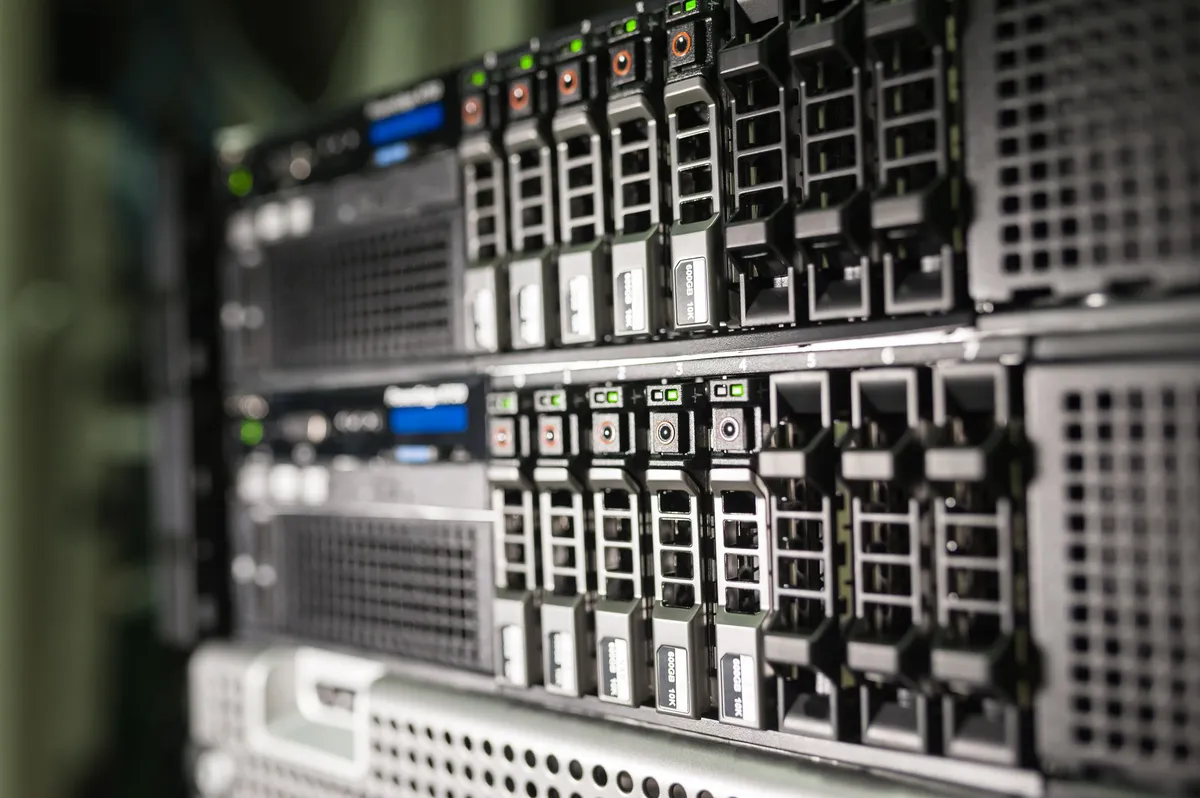
The rapid adoption of artificial intelligence (AI) in business has created a paradoxical situation: enterprises are investing heavily in AI infrastructure without a clear understanding of the associated costs. According to recent research involving 107 enterprises, there exists a pronounced 'compute gap'—a phenomenon where the speed of investment in AI infrastructure is far outpacing the ability to measure, manage, and optimize its economic implications. As organizations increasingly rely on hyperscalers and model-provider APIs, they face a challenge: how to effectively steer their spending amidst a landscape of evolving technologies.
This feature delves into the findings of the VentureBeat Pulse Research, which reveals critical insights into the state of AI infrastructure within enterprises. With a majority of organizations planning to shift or expand their infrastructure providers in the near future, understanding the nature of this compute gap is essential for decision-makers looking to optimize their AI strategies.

The State of AI Deployment: Ambition vs. Reality
Despite the enthusiasm surrounding AI, the data paints a clear picture: ambition is significantly outpacing actual production capabilities. Only about 21% of the surveyed enterprises reported running AI in production at scale. The vast majority—76%—are either experimenting with AI or running limited workloads, indicating that many organizations are still in the early stages of their AI deployment journey.
This disparity has implications for infrastructure decisions. Organizations that are primarily in the experimental phase may not have the same requirements as those operating at scale, leading to a potential misalignment in their infrastructure investments. The current landscape suggests that as companies ramp up their AI efforts, their compute demands are set to grow, necessitating a reevaluation of their existing investments.
Key Deployment Statistics
- 38% of enterprises are in the experimental phase.
- 37% have some workloads in production.
- 4% have not yet begun running AI workloads.

Current Infrastructure: The Dominance of Hyperscalers
When it comes to current AI deployment, enterprises are predominantly relying on familiar hyperscalers and model-provider APIs. The survey revealed that 48% of organizations utilize Google Cloud, followed by Microsoft Azure at 29%, and AWS at 22%. This reliance on established platforms indicates a cautious approach to adopting newer, specialized AI infrastructure solutions.
Interestingly, only 6% of the surveyed enterprises operate their own on-premise GPU clusters, and a mere 4% manage a custom open-source stack. The specialized AI clouds that have generated buzz in the industry, such as CoreWeave and Lambda, currently see negligible adoption rates among these enterprises.
Understanding Provider Preferences
The hesitance to shift from established providers can be attributed to several factors, including integration capabilities and total cost of ownership. In fact, when deciding on infrastructure providers, organizations prioritize:
- Integration with existing systems (41%)
- Total cost of ownership (35%)
- Cost per million tokens (8%)

Future Directions: Evaluating AI-Specialized Clouds
Looking ahead, a significant portion of enterprises are preparing to explore AI-specialized clouds, despite their current underutilization. In the next year, 45% of organizations plan to evaluate these advanced infrastructures. This is a stark contrast to the current reality where few enterprises have adopted specialized AI solutions.
This shift represents a potential re-platforming of AI compute needs as enterprises seek more tailored solutions to meet their growing demands. The interest in non-NVIDIA accelerators and next-generation GPUs further emphasizes this trend, as organizations explore options beyond traditional setups. The willingness to consider alternative infrastructures highlights an evolving landscape, where agility and specialization could lead to better performance and cost savings.
Market Dynamics: The Wave of Switching Intentions
The findings also indicate a significant wave of provider switching intentions among enterprises. A striking 64% of respondents expressed plans to switch or add an infrastructure provider within 12 months, and 38% intend to do so within the next quarter. This high churn rate is unusual for foundational infrastructure categories, suggesting a period of instability and experimentation as organizations seek to optimize their investments.
As organizations navigate these transitions, the emphasis will likely remain on achieving a balance between cost, performance, and integration with existing systems. With choices driven by total cost of ownership rather than initial pricing, enterprises may find themselves making more informed decisions as they gain better visibility into their compute economics.
Key Takeaways
- The AI compute gap highlights a disconnect between investment and cost visibility.
- Only 21% of enterprises currently run AI in production at scale.
- A majority of organizations plan to explore AI-specialized clouds within the next year.
- High provider switching intentions signal a period of experimentation and adjustment.
Frequently Asked Questions
What is the AI compute gap?
The AI compute gap refers to the growing disparity between the rapid investment in AI infrastructure and the limited visibility enterprises have over the costs associated with that infrastructure. Many organizations are spending aggressively on AI without a comprehensive understanding of their compute economics, which can lead to inefficiencies and unoptimized spending.
How are enterprises currently using AI infrastructure?
Currently, enterprises predominantly rely on hyperscalers like Google Cloud and AWS, as well as popular model APIs. Most are still in the experimental phase or running limited workloads, indicating that they are not yet fully utilizing their AI infrastructure. This suggests a cautious approach to adoption, with many organizations still learning how to effectively implement AI solutions.
What factors influence infrastructure provider selection?
When selecting infrastructure providers, enterprises prioritize integration with their existing technology stacks and total cost of ownership over initial pricing. This reflects a strategic approach to ensuring that new investments align with their broader business goals and operational efficiency.
What trends are emerging in AI infrastructure investments?
Emerging trends include a significant interest in AI-specialized clouds and non-NVIDIA accelerators. As organizations prepare to scale their AI efforts, they are increasingly looking for tailored solutions that meet their unique needs, suggesting a shift away from general-purpose cloud providers toward more specialized infrastructures.
Comments
Google Reports First Negative Cash Flow Quarter Amidst AI Spending Surge
In Q2 2026, Google hit a financial milestone with $119.8 billion in revenue but faced its first negative cash flow quarter due to soaring AI expenditures. This article explores the implications of these financial results, the impact of AI investments on the company, and what this means for the future of Google's business strategy.

Related articles

Popular in Cloud Computing
- SK Hynix's Historic $26.5 Billion IPO: A New Era for Memory Chips
- Kubernetes and the Future of Desktop Infrastructure: A Paradigm Shift
- Amazon Expands Partnership with Nvidia, Tripling GPU Orders Amid AI Demand Surge
- Elon Musk's Evolving Relationship with Anthropic: A New Era for AI Hosting
- Emerging Rocket Launches: A New Era for Space Exploration