Tesla's Robotaxi Dreams Face Challenges as Growth Slows
Tesla's ambitious plans for a sprawling Robotaxi network are hitting unexpected roadblocks, as recent data indicates a decline in paid miles driven. Amidst financial pressures and safety concerns, the future of autonomous ride-sharing remains uncertain.
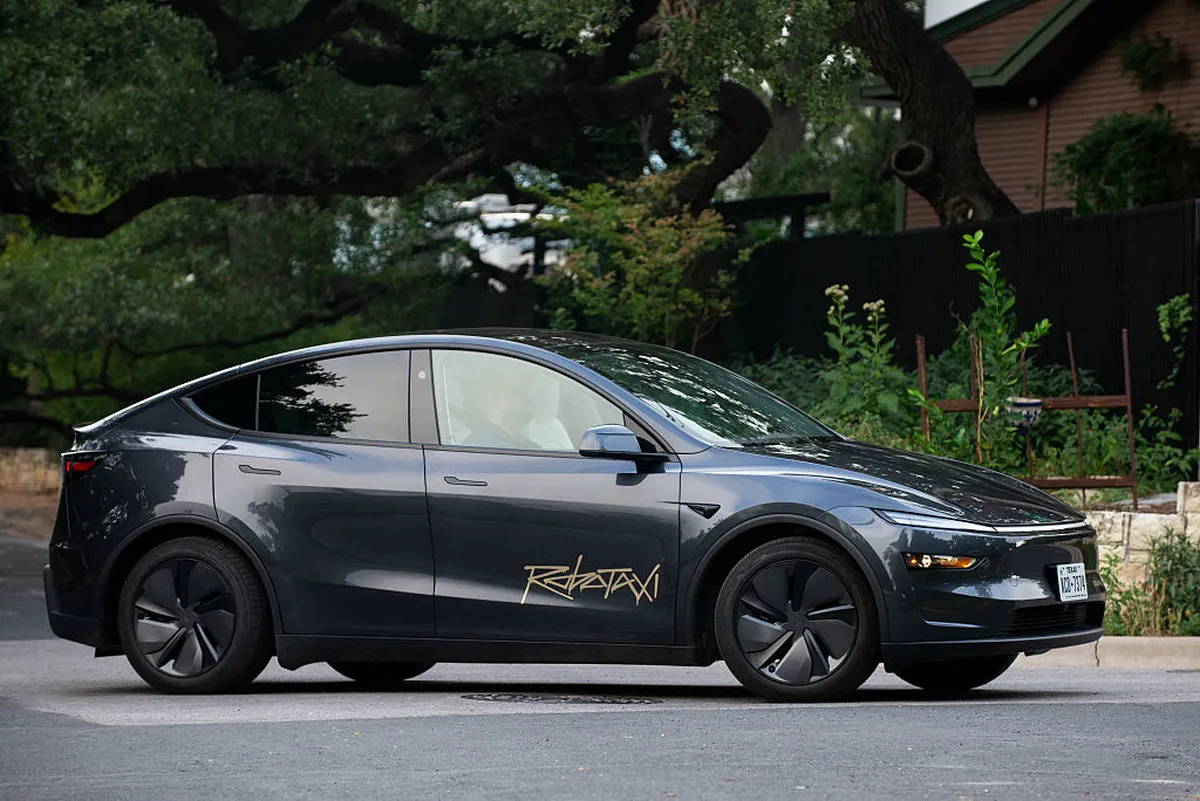
Tesla has long envisioned a future where its autonomous vehicles seamlessly ferry passengers in a cost-effective Robotaxi network. However, recent reports indicate that this dream is facing significant challenges. In the second quarter of 2026, Tesla's Robotaxi fleet drove fewer miles for paying customers than in the first quarter, marking a troubling downturn that contradicts the company's optimistic projections. This decline is particularly concerning given that Tesla has pinned much of its growth strategy on the success of its Robotaxi initiative.
The downturn in paid rides comes at a time when Tesla's core business is also underperforming. The company reported earnings that fell short of Wall Street expectations, leading to a significant drop in its stock price—over 13% in early trading following the announcement. As the company navigates these rocky waters, the future of its ambitious Robotaxi fleet is increasingly in question.
The Decline in Paid Rides
According to Tesla's own data, the mileage covered by its Robotaxi fleet plummeted from approximately 1.1 million miles in the first quarter to around 700,000 miles in the second quarter—a staggering 36% decline. This drop in performance is particularly alarming considering that the company has expanded its operations into six cities across Texas and Florida. Despite this expansion, the anticipated growth in paid rides has not materialized.
Understanding the Numbers
A closer look at the data reveals that while cumulative miles might suggest steady growth, the quarterly breakdown tells a different story. The inclusion of paid miles from the San Francisco Bay Area adds another layer of complexity, as those operations lack the necessary permits to operate autonomously, instead requiring a safety driver behind the wheel. This scenario raises questions about the reliability of the reported figures and whether they genuinely reflect the progress of the Robotaxi initiative.

Challenges Ahead: Data Accumulation and Safety
During a recent conference call addressing these troubling results, CEO Elon Musk acknowledged that the scaling of the Robotaxi service has been slower than expected. He explained that before deploying a larger number of purpose-built vehicles, known as Cybercabs, the company must first collect specific driving data to calibrate these vehicles effectively. Unlike Tesla's existing fleet of nearly 10 million cars, which has been gathering data passively, the Cybercabs require direct miles to be accumulated for proper calibration.
- Current Fleet: Tesla’s near 10 million customer cars have been collecting data for years.
- Cybercab Development: The two-seater Cybercab is central to Tesla's future Robotaxi plans.
- Safety Concerns: Musk emphasized a cautious approach to avoid accidents that could lead to regulatory scrutiny.
Regulatory Landscape and Safety Measures
Safety remains a priority for Tesla, as Musk pointed out the significant media attention that any accident involving their Robotaxis would attract. This is particularly critical given the broader context of automotive safety, with tens of thousands of fatalities occurring annually in the U.S. Musk expressed concerns that any incident could trigger a regulatory crackdown on their operations. This emphasis on safety marks a departure from the narrative that regulatory obstacles have hindered Robotaxi deployment.
Performance Metrics and Future Aspirations
Despite the setback, Tesla remains optimistic about the future of its Robotaxi fleet. Ashok Elluswamy, Tesla’s VP of AI, reported that their Robotaxis have not experienced any “notable incidents” over 380,000 miles of operation without a safety operator. However, the definition of “notable incidents” remains vague, leaving room for skepticism regarding the safety metrics being employed.
While Tesla continues to promote its unique approach to autonomy—eschewing lidars and radars in favor of a camera-based system—there is growing scrutiny over the safety and reliability of this strategy. Elluswamy claimed that their approach proves that safe autonomous driving is achievable without traditional sensors, countering the views of many industry experts who argue otherwise.
Looking Ahead: Growth Potential and Market Impact
As the company navigates these trials, both Musk and Elluswamy have expressed confidence in the potential for rapid growth. They noted a weekly increase of approximately 10% in the number of unsupervised miles traveled since the service was launched. This statistic serves as a glimmer of hope amid the challenges, suggesting that while progress may be slow, there is still a path forward.
However, the implications of these developments extend beyond Tesla. The company’s struggles highlight the broader challenges facing the autonomous vehicle industry, including the need for robust safety measures, compliance with regulatory frameworks, and the necessity of reliable data collection for effective vehicle calibration.
Key Takeaways
- Tesla's Robotaxi network saw a 36% decline in paid miles from Q1 to Q2 2026.
- Safety and data accumulation remain critical hurdles for scaling the Robotaxi service.
- Regulatory scrutiny could intensify if any accidents occur with Robotaxis on the road.
- Tesla continues to emphasize its camera-based approach to autonomy as a viable alternative to traditional sensor systems.
Frequently Asked Questions
What factors contributed to the decline in Tesla's Robotaxi miles?
The decline in Robotaxi miles can be attributed to several factors, including the slower-than-anticipated scaling of the service, the need for specific data collection for the Cybercab vehicles, and potential safety concerns that require cautious operational approaches. Additionally, the lack of necessary permits for fully autonomous operation in certain areas has also impacted the reported figures.
How does Tesla's approach to autonomous driving differ from competitors?
Tesla's approach to autonomous driving is unique in that it relies heavily on a camera-based system without the use of lidar or radar sensors. Unlike competitors like Waymo, which utilize multiple sensor technologies for navigation and safety, Tesla believes that sufficient data can be collected using cameras alone, which they argue leads to a more cost-effective and accessible solution.
What are the safety measures in place for Tesla's Robotaxi operations?
Safety measures for Tesla's Robotaxi operations include the presence of safety drivers in areas where permits for autonomous operation aren't available. Additionally, the company has reported zero notable incidents during its unsupervised operations, although the definition of what constitutes a “notable incident” has not been clearly outlined. The company is also emphasizing the importance of caution to avoid accidents that could lead to regulatory repercussions.
Comments
Navigating the AI Compute Gap: How Enterprises Are Investing in Infrastructure
As enterprises ramp up investment in AI infrastructure, a significant disconnect emerges between spending and the ability to track its costs. This article explores the implications of this compute gap and what it means for businesses.
Related articles

Popular in Cloud Computing
- SK Hynix's Historic $26.5 Billion IPO: A New Era for Memory Chips
- Kubernetes and the Future of Desktop Infrastructure: A Paradigm Shift
- Amazon Expands Partnership with Nvidia, Tripling GPU Orders Amid AI Demand Surge
- Elon Musk's Evolving Relationship with Anthropic: A New Era for AI Hosting
- Emerging Rocket Launches: A New Era for Space Exploration