Tesla's Production Challenges: The Shift to AI and Robotics
Tesla faces significant production delays for its Cybercab, Semi, and Megapack 3, raising questions about its transition from electric vehicles to AI and robotics. As spending surges, what does this mean for Tesla's future?
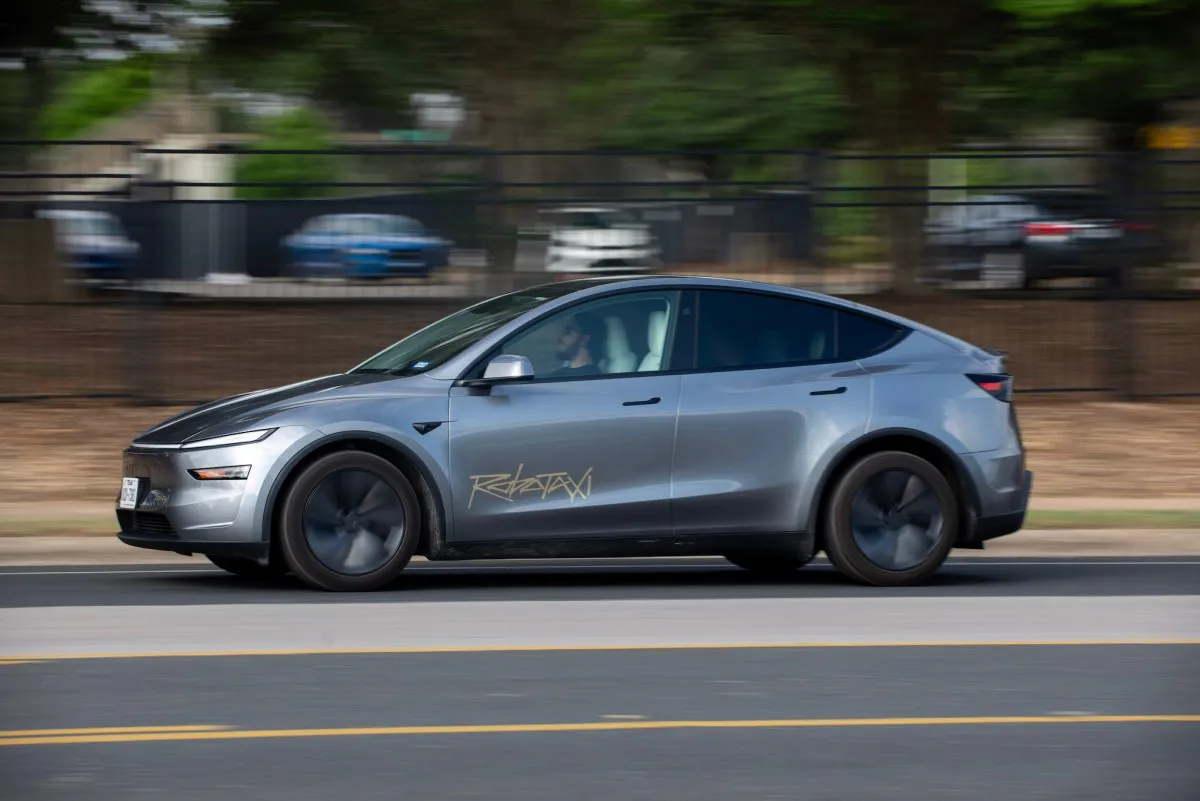
Tesla, the electric vehicle (EV) pioneer and innovator, is currently navigating a tumultuous landscape marked by ambitious expansion plans and surprising production delays. Recently, the company announced that it would not achieve volume production of three of its most anticipated products — the Cybercab, Tesla Semi, and Megapack 3 — within 2026 as previously projected. This significant shift underscores the challenges Tesla faces as it attempts to transition from a traditional EV manufacturer into a powerhouse in artificial intelligence (AI) and robotics.
In a recent shareholder letter, the company disclosed that it is focusing on ramping up its battery production, particularly the 4680 cell, which is critical for the scaling of both the Cybercab and the Tesla Semi. The lack of clarity regarding the Megapack’s production timeline raises additional questions about Tesla's operational efficiency and strategic direction. CEO Elon Musk has acknowledged these hurdles, especially regarding the Optimus robot, labeling it as potentially the most challenging product to manufacture in Tesla's history due to its entirely new technology. This situation reflects a broader trend within the tech industry: the transition from hardware-centric to software and AI-driven solutions.
The Financial Landscape: Costs and Revenue
Tesla's financial performance in the second quarter of 2026 reveals a complex picture. The company reported a net income of $1.1 billion, a 5% decrease year-over-year, indicating that while revenues are growing, costs are rapidly escalating. In fact, Tesla's capital expenditures more than doubled, leading to a concerning negative free cash flow of $1 billion during the same period. This shift raises alarms about the company’s cash management strategy as it invests heavily in new technologies while still managing its core EV business.
Revenue Growth Amidst Challenges
Despite these challenges, Tesla's revenue was buoyed by a 26% increase, totaling $28.2 billion. The majority of this revenue stemmed from automotive sales, which amounted to $20.5 billion, showcasing a substantial recovery compared to previous quarters. Notably, Tesla delivered over 480,000 vehicles in this quarter, an impressive increase of more than 120,000 from the previous quarter. This surge in deliveries was driven largely by strong sales in international markets, including South Korea, Australia, and several European nations.
- Net income: $1.1 billion (down 5% year-over-year)
- Revenue: $28.2 billion (up 26% from Q2 2025)
- Vehicle deliveries: 480,000 (up 120,000 from Q1 2026)
The Strategic Shift to AI and Robotics
As Tesla transitions towards becoming an AI and robotics company, it faces inherent risks and uncertainties. Historically, Tesla has been known for its innovative electric vehicles and energy solutions, yet CEO Musk envisions a future where AI and robotics play a pivotal role in the company’s product offerings. This strategic pivot is not without its challenges, as evidenced by the delays in the production of the Cybercab and Semi, both of which are integral to this vision.
Challenges with New Technologies
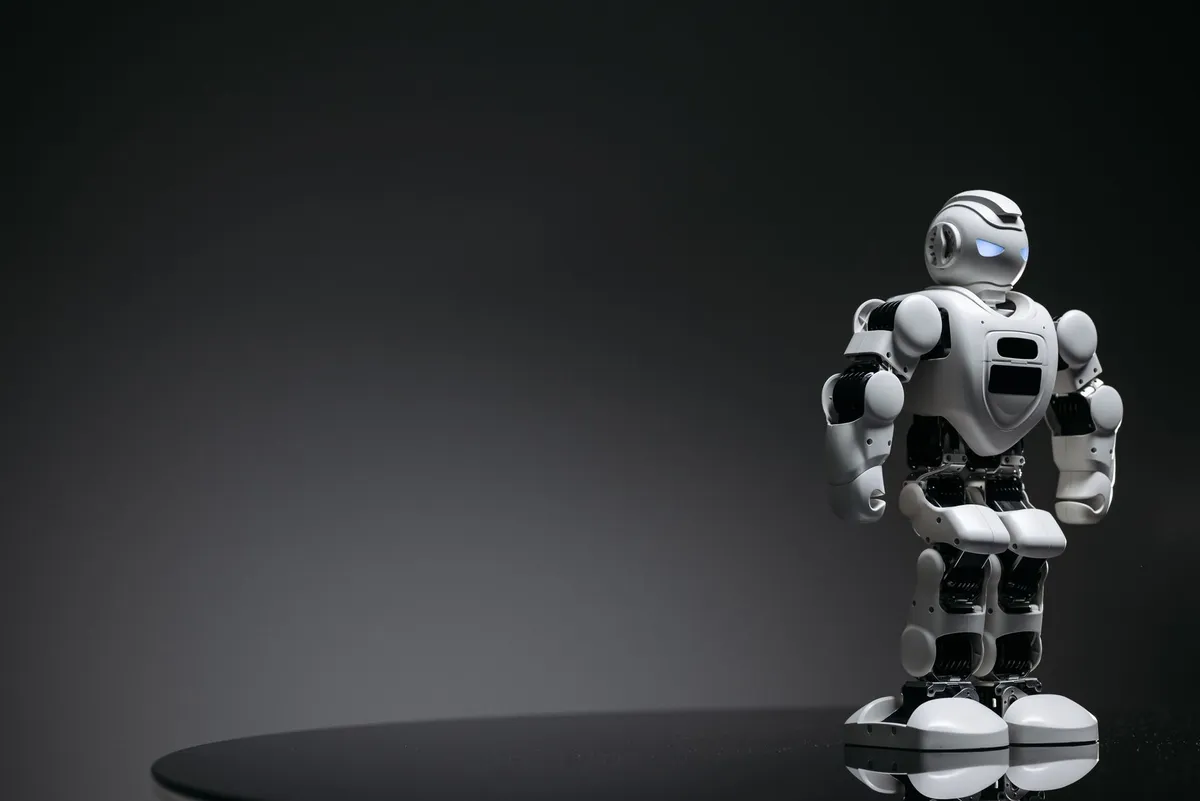
Musk's comments on the Optimus robot highlight the complexities involved in scaling new technologies. The Optimus humanoid robot is touted as a groundbreaking development, but its production involves an entirely new set of engineering challenges that Tesla has yet to overcome. By deciding to allocate substantial resources towards this AI initiative, Tesla is betting on the long-term viability of its robotic solutions, but this comes at a cost — both financially and operationally.
Market Implications and Future Outlook
As Tesla continues to pivot towards AI and robotics, the implications for its market position are profound. The increased spending and production delays could lead to increased scrutiny from investors and consumers alike. While the company has a loyal customer base and a strong brand, these operational setbacks could create openings for competitors in the burgeoning EV and robotics market.
Investor Sentiment
Investor sentiment is crucial as Tesla embarks on this ambitious path. The company’s historical ability to innovate has built significant goodwill, but the recent financial reports may dampen enthusiasm. The decrease in net income and the negative cash flow scenario could signal to investors that Tesla’s transformative vision might not materialize as quickly as anticipated. This could result in increased pressure on the company to deliver on its promises or risk losing investor confidence.
Key Takeaways
- Tesla has delayed volume production for the Cybercab, Semi, and Megapack 3.
- The company reported a net income decrease of 5%, despite a 26% revenue increase.
- Capital expenditures have surged, leading to a negative free cash flow of $1 billion.
- Investor sentiment may shift due to production delays and financial performance.
Frequently Asked Questions
What led to the delays in Tesla's production timelines?
The delays in Tesla’s production timelines for the Cybercab, Semi, and Megapack 3 are primarily attributed to challenges in ramping up battery production, particularly with the 4680 cell. Additionally, the complexities associated with the manufacturing of new technologies, such as the Optimus robot, have contributed to the postponement of volume production.
How does Tesla's financial performance impact its future investments?
Tesla’s financial performance, particularly the rise in capital expenditures and negative cash flow, could impact its future investments by necessitating a more cautious approach. While the company aims to expand its product offerings into AI and robotics, sustained financial pressure may limit its ability to invest heavily in these initiatives without addressing its core business profitability.
What markets are driving Tesla's sales growth?
The sales growth for Tesla in the second quarter of 2026 has been significantly driven by international markets, including South Korea, Australia, and various European countries. This geographic diversification has allowed Tesla to capitalize on increasing demand for electric vehicles outside the U.S., contributing to its overall revenue increase.
Comments
Google's AI Spending Pays Off as Cloud Business Surges
Google's substantial investments in AI are yielding impressive returns, particularly within its cloud division. As enterprises increasingly adopt AI technologies, Google's revenue reflects a booming market, signaling a positive trajectory for the company's future.
Related articles
Popular in Cloud Computing
- SK Hynix's Historic $26.5 Billion IPO: A New Era for Memory Chips
- Kubernetes and the Future of Desktop Infrastructure: A Paradigm Shift
- Amazon Expands Partnership with Nvidia, Tripling GPU Orders Amid AI Demand Surge
- Elon Musk's Evolving Relationship with Anthropic: A New Era for AI Hosting
- Emerging Rocket Launches: A New Era for Space Exploration