IBM's Struggles: AI Boom and the Resilience of the Mainframe
IBM's latest earnings report reveals significant challenges, particularly in its mainframe segment, raising questions about the future of enterprise computing amidst an AI-driven landscape.
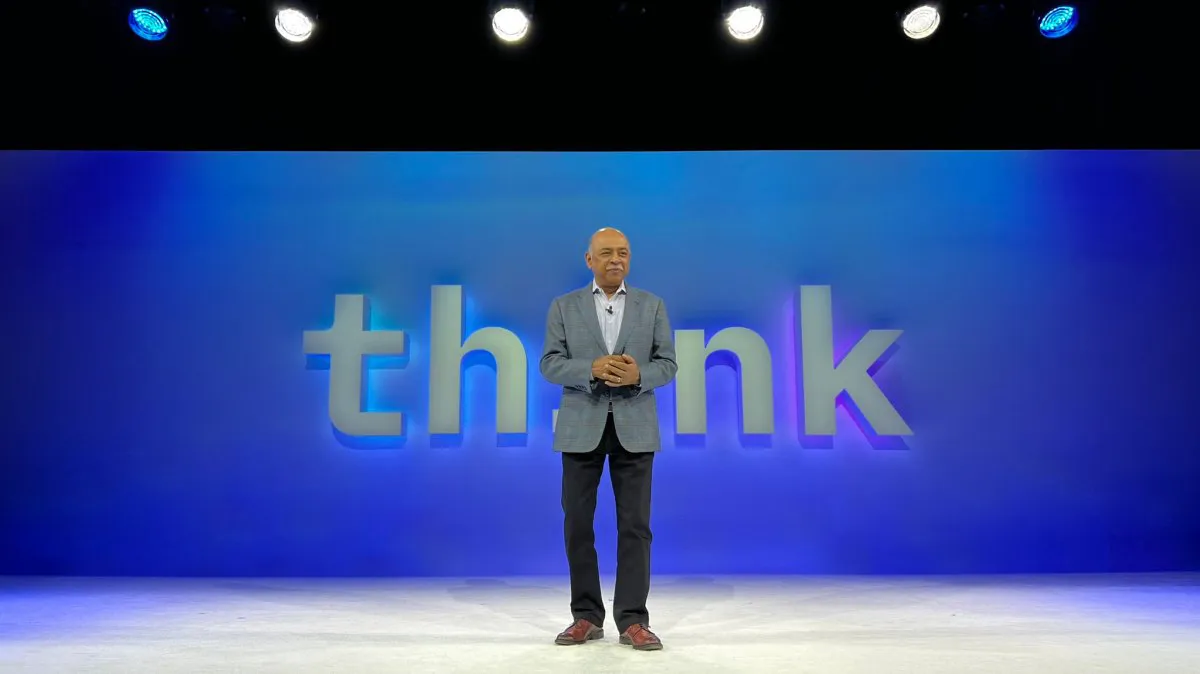
In a world increasingly dominated by artificial intelligence (AI) and cloud computing, the traditional stalwarts of enterprise technology are facing unprecedented challenges. IBM, a company that has been a cornerstone of the computing industry for over a century, recently reported earnings that fell drastically short of Wall Street's expectations. This revelation comes at a time when AI is booming, yet it raises questions about the resilience of IBM's legacy products, particularly its mainframe systems.
In the second quarter of 2026, IBM posted revenues of $17.2 billion, with a gross profit of $9.9 billion, resulting in nearly 58% margins and $2.2 billion in net earnings. However, these figures were not enough to satisfy investors or analysts, leading to a shocking 25% drop in stock value—the steepest single-day decline in the company's history. The downturn has prompted CEO Arvind Krishna and CFO Jim Kavanaugh to issue warnings ahead of the earnings call, a move that signals distress within the company.

Understanding the Mainframe's Decline
At the heart of IBM's concerns is a staggering 42% decline in its mainframe business. The mainframe, once considered the backbone of enterprise computing, is now facing a critical moment. Traditionally seen as a reliable revenue generator, the mainframe's decline represents a cascading issue due to its intertwined relationship with software sales. IBM earns approximately $3 in software revenue for every $1 of mainframe hardware sold. With such a significant drop in the mainframe sector, the implications for IBM's overall business model are substantial.
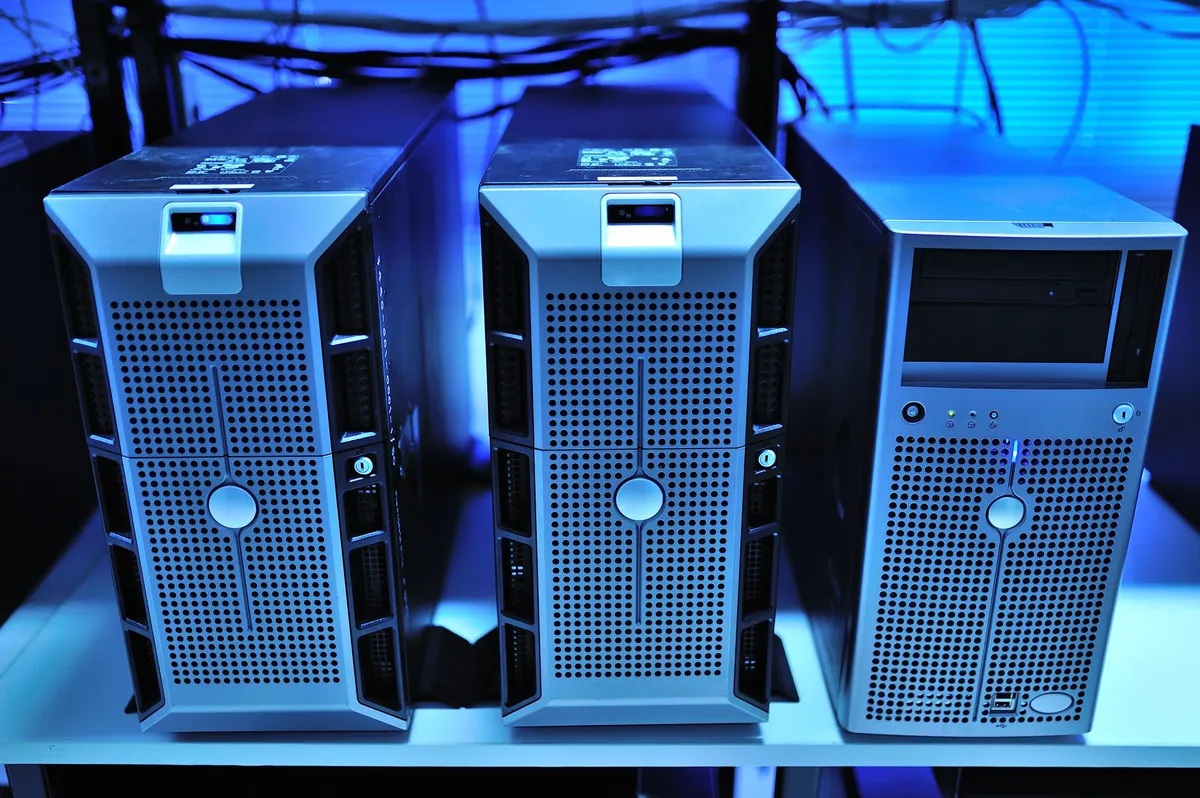
Krishna explained during the earnings call that a number of clients who were scheduled to make purchases of new mainframes opted instead to invest in alternative hardware, driven by rising costs. The AI boom that has surged demand for data processing power has also inflated prices for data center equipment. According to various reports, companies like Dell and HP have raised their prices due to increased costs for components such as memory, a situation exacerbated by the AI-driven hardware demand.
Market Dynamics and the Impact of AI
The intersection of AI advancements and traditional computing is a complex landscape. While AI technologies are revolutionizing business processes, they also come with a heightened demand for robust hardware capabilities. This has led to significant price increases, with costs for data center gear and personal computers rising between 15% to 30%. Customers, faced with these price hikes, are reallocating their budgets, impacting major investments in mainframe technology.
Despite the ongoing challenges, IBM's leadership remains optimistic. Krishna emphasized that the company has not seen any evidence of clients moving away from mainframes altogether. On the contrary, he noted that some clients have already invested in new mainframes and software contracts this quarter, signaling a potential rebound in demand.
What This Means for IBM's Future
The recent earnings report has led IBM to lower its full-year growth forecasts, suggesting that the issues surrounding the mainframe segment will have lasting repercussions throughout the fiscal year. However, the company's historical resilience and adaptability cannot be underestimated. For decades, industry analysts have predicted the demise of the mainframe, yet it continues to serve as a critical component for many large enterprises.
As companies continue to integrate AI into their operations, the question arises: can IBM successfully pivot to align its mainframe business with these new needs? The answer may lie in the company's ability to innovate and adapt its offerings to meet the demands of a rapidly changing technological landscape.

Key Considerations for Enterprises
For businesses that rely on IBM’s mainframes or are considering their use, several key factors should be taken into account as the landscape evolves:
- Cost Management: With rising costs in hardware and software, enterprises need to re-evaluate their budgets and consider where to allocate funds effectively.
- Future-Proofing: Companies should assess their long-term IT strategies, ensuring they remain adaptable to technological advancements, particularly in AI.
- Vendor Relationships: Maintaining open communication with vendors like IBM can help enterprises navigate challenges and explore new solutions as they arise.
- Investment in Hybrid Solutions: As AI technology becomes more integrated, consider hybrid solutions that leverage both traditional mainframe systems and cloud-based platforms.
Key Takeaways
- IBM's mainframe business is experiencing a significant decline, impacting overall revenue and growth forecasts.
- Rising hardware costs driven by the AI boom have led clients to delay mainframe purchases.
- IBM's leadership remains optimistic about the future of the mainframe, citing ongoing interest from clients.
- Enterprises should reevaluate their strategies in light of changing market dynamics and technology integration.
Frequently Asked Questions
What factors contributed to IBM's recent earnings miss?
Several factors contributed to IBM's disappointing earnings report, primarily the steep 42% decline in its mainframe business. Additionally, the rising costs associated with AI-driven hardware demand have caused clients to delay purchasing new mainframes, leading to a drop in IBM's revenue from its infrastructure segment. This situation has been compounded by broader economic pressures affecting the technology market.
How does the decline in mainframe sales affect IBM's overall business model?
The decline in mainframe sales poses a significant threat to IBM's overall business model due to the company's reliance on the mainframe for software sales. IBM typically generates $3 in software revenue for every $1 of mainframe hardware sold. As mainframe sales decline, the corresponding software revenue also suffers, directly impacting IBM's financial health and its ability to invest in innovation.
What steps is IBM taking to address these challenges?
IBM's leadership, including CEO Arvind Krishna, has expressed confidence in the company's ability to rebound from this downturn. They are focusing on maintaining strong relationships with current clients and encouraging them to invest in new mainframe solutions when the time is right. Furthermore, IBM is actively looking to innovate its offerings to better align with the needs of clients in a rapidly evolving technological landscape.
Comments
Tesla's Production Challenges: The Shift to AI and Robotics
Tesla faces significant production delays for its Cybercab, Semi, and Megapack 3, raising questions about its transition from electric vehicles to AI and robotics. As spending surges, what does this mean for Tesla's future?

Related articles

Popular in Cloud Computing
- SK Hynix's Historic $26.5 Billion IPO: A New Era for Memory Chips
- Kubernetes and the Future of Desktop Infrastructure: A Paradigm Shift
- Amazon Expands Partnership with Nvidia, Tripling GPU Orders Amid AI Demand Surge
- Elon Musk's Evolving Relationship with Anthropic: A New Era for AI Hosting
- Emerging Rocket Launches: A New Era for Space Exploration