SpaceX's Starship V3 Launch Aborted: Implications and Future Steps
SpaceX's recent attempt to launch its Starship V3 ended abruptly due to engine issues, raising questions about its ambitious plans. What does this mean for the future of space exploration and commercial satellite deployment?
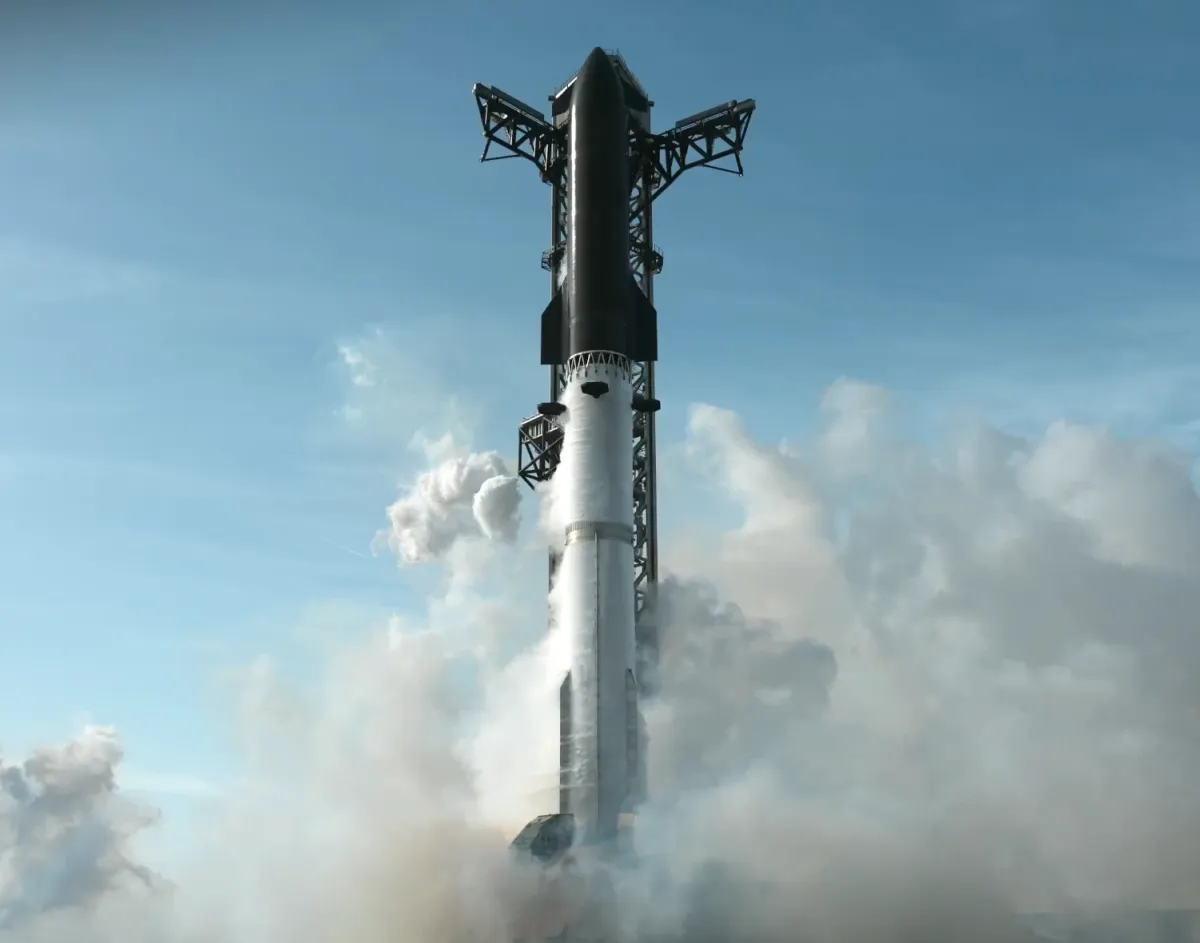
In a significant setback for SpaceX, the second launch attempt of its upgraded Starship V3 was abruptly aborted mere moments after ignition. The event, which took place at the company's facility in South Texas, drew considerable attention as CEO Elon Musk announced via social media platform X that the automatic launch abort was triggered due to some engines failing to ignite. This incident has sparked discussions about the reliability of the Starship system, particularly as SpaceX aims to advance its ambitious plans for satellite deployment and orbital data centers.
The aborted launch is particularly noteworthy as it occurred shortly after SpaceX's historic IPO, where the company raised over $85 billion, momentarily rivaling the market valuations of tech giants like Amazon and Microsoft. However, following the aborted launch, SpaceX's stock price fell below the IPO price of $135, highlighting the volatility associated with such high-stakes endeavors.

Understanding the Technical Challenges
SpaceX had hoped to launch its first third-generation Starlink satellites during this mission. However, the rocket system has yet to demonstrate its capability to reach Earth orbit successfully. The launch was intended to signify a critical step in SpaceX's long-term vision for satellite internet and space infrastructure.
Previous Launch Challenges
This abort follows a mixed result from the initial Starship V3 launch in May, which, while achieving liftoff and successfully deploying Starlink simulators, also encountered significant issues. The Super Heavy booster failed to attempt a simulated landing in the Gulf of Mexico, leading to an FAA investigation. The FAA has since cleared SpaceX for further launches after identifying and addressing the causes of the booster failure.
The Economic Impact of Setbacks
The implications of the aborted launch extend beyond technical challenges; they resonate deeply within the financial markets and the commercial space industry. SpaceX's Starlink service, which has proven to be its most profitable segment, is pivotal for the company's revenue stream and its future projects, including planned orbital data centers.
Market Reactions
After the recent failure, SpaceX's stock price fell by over 4% in after-hours trading, a reflection of investor sentiment around the company's reliability and future prospects. The market's reaction underscores the high expectations placed on SpaceX, particularly given the recent IPO. Investors are acutely aware that setbacks in such a high-profile project can impact not only stock prices but also the broader market confidence in commercial space ventures.
Future Steps for SpaceX
In response to the launch failure, SpaceX plans to replace the two non-functioning engines before making another launch attempt. This process involves draining propellant from both the Super Heavy booster and the upper stage to conduct a thorough investigation into the ignition failure.
Preparations for Next Attempt
As SpaceX prepares for its next launch attempt, the company must focus on ensuring that all systems are functional and reliable. This includes rigorous testing of the Raptor engines, which are central to the Starship's propulsion system. The company has a history of learning from failures and iterating quickly, a hallmark of its approach to rocket development.

Broader Implications for Space Exploration
SpaceX's ambitions extend well beyond satellite deployments. The success of the Starship system is critical for future missions to Mars and beyond, making these technological hurdles not just initial challenges, but potential barriers to the realization of interplanetary colonization.
The Role of Starlink in the Vision
The Starlink project aims to provide global internet coverage, a vital component in the technological landscape of the future. If successful, Starlink could revolutionize internet access, particularly in underserved regions, and create a substantial revenue stream for SpaceX to fund its broader aspirations.
- Starlink's Economic Potential: Successful deployment could lead to billions in revenue.
- Technological Advancements: Advances in rocket technology are crucial for future missions, including those to Mars.
- Investor Confidence: Market reactions to launch successes and failures can significantly impact SpaceX's financial stability.

Key Takeaways
- SpaceX's second Starship V3 launch was aborted due to engine ignition issues.
- The company plans to replace two non-functioning engines before the next launch attempt.
- Starlink's success is vital for SpaceX's revenue and future projects.
- The aborted launch will likely impact investor confidence and market perception.
Frequently Asked Questions
What caused the Starship V3 launch to be aborted?
The launch was aborted due to the failure of some engines to ignite, triggering an automatic launch abort system. This is a safety mechanism designed to prevent catastrophic failures during the critical launch phase.
How does this affect SpaceX's future launches?
While the aborted launch is a setback, SpaceX has historically shown resilience in overcoming technical challenges. The company is expected to conduct thorough investigations and implement necessary fixes before attempting another launch, which is crucial for maintaining its ambitious schedule.
What are the implications for investors?
Investor sentiment can be heavily influenced by the success or failure of high-profile launches. Following the recent abort, SpaceX's stock price fell, reflecting concerns about the company's reliability and the potential impact on its revenue streams, particularly from the Starlink project.
Comments
Revolutionizing Navigation: The Return of Low-Earth Orbit Satellites
Low-Earth orbit satellites are set to redefine navigation with Xona Space Systems' Pulsar satellites, promising unparalleled accuracy and resilience against jamming. Discover how this technology could transform various sectors and why it matters.

Related articles


Popular in Cloud Computing
- SK Hynix's Historic $26.5 Billion IPO: A New Era for Memory Chips
- Kubernetes and the Future of Desktop Infrastructure: A Paradigm Shift
- Amazon Expands Partnership with Nvidia, Tripling GPU Orders Amid AI Demand Surge
- Elon Musk's Evolving Relationship with Anthropic: A New Era for AI Hosting
- Emerging Rocket Launches: A New Era for Space Exploration