Preparing Infrastructure for the Rise of AI Agents: Insights from Meta
As AI agents become increasingly prevalent, Meta's VP of Engineering warns that current infrastructure is unprepared. Key shifts in capacity, identity, and data handling must be addressed to meet the demands of this new paradigm.

The landscape of technology is rapidly evolving as artificial intelligence (AI) becomes more integrated into our daily lives and business processes. Barak Yagour, the VP of Engineering at Meta, is at the forefront of this transformation, emphasizing a critical point during his recent address at VB Transform 2026: the existing infrastructure is not equipped to handle the surge of AI agents. With AI agents overtaking human interactions online, organizations face an urgent challenge to rethink their systems and frameworks to support this new breed of technology.
Yagour's presentation highlighted a staggering statistic: Meta has seen a 30-fold increase in agentic queries within its data systems in just six months. This signifies a larger trend that isn't unique to Meta; automated interactions surpassed human traffic on the internet last year, constituting 51% of total traffic, according to the 2025 Bad Bot Report by Imperva. These shifts pose significant questions for organizations: How will systems built for human users adapt when AI agents become the primary consumers of data?
Understanding the Shift: Capacity, Identity, and Velocity
Yagour outlined three core assumptions about infrastructure that are being challenged by the rise of AI agents: capacity, identity, and velocity. Each of these elements is critical for organizations striving to adapt to a world where AI plays a central role.
Capacity Challenges
The first challenge is capacity. Traditionally, engineers would measure load by the number of human users. However, the emergence of AI agents complicates this model. For instance, a single engineer could now spawn multiple agents, each of which can create sub-agents, rapidly escalating the system load. Yagour elaborated, stating that a 1,000-person organization could generate the equivalent load of a 100,000-user operation almost overnight.
Identity Issues
The second challenge revolves around identity. Current infrastructure systems categorize users based on human attributes, such as badges or access rights. However, AI agents do not fit neatly into these categories. They operate autonomously and make decisions without the traditional identifiers that human users possess, necessitating a reevaluation of access controls and identity management.
Velocity Constraints
Velocity, the third challenge, is also under strain. As Yagour pointed out, tools like GitHub Copilot can generate code at impressive speeds—up to 46% of the average user's code. However, this accelerated coding does not correlate with faster deployment cycles. Continuous Integration/Continuous Deployment (CI/CD) pipelines, which are essential for software development, remain unchanged despite the rapid coding capabilities of AI agents. This discrepancy highlights the need for infrastructure that can effectively support these new velocity demands.
Building Agent-Aware Infrastructure
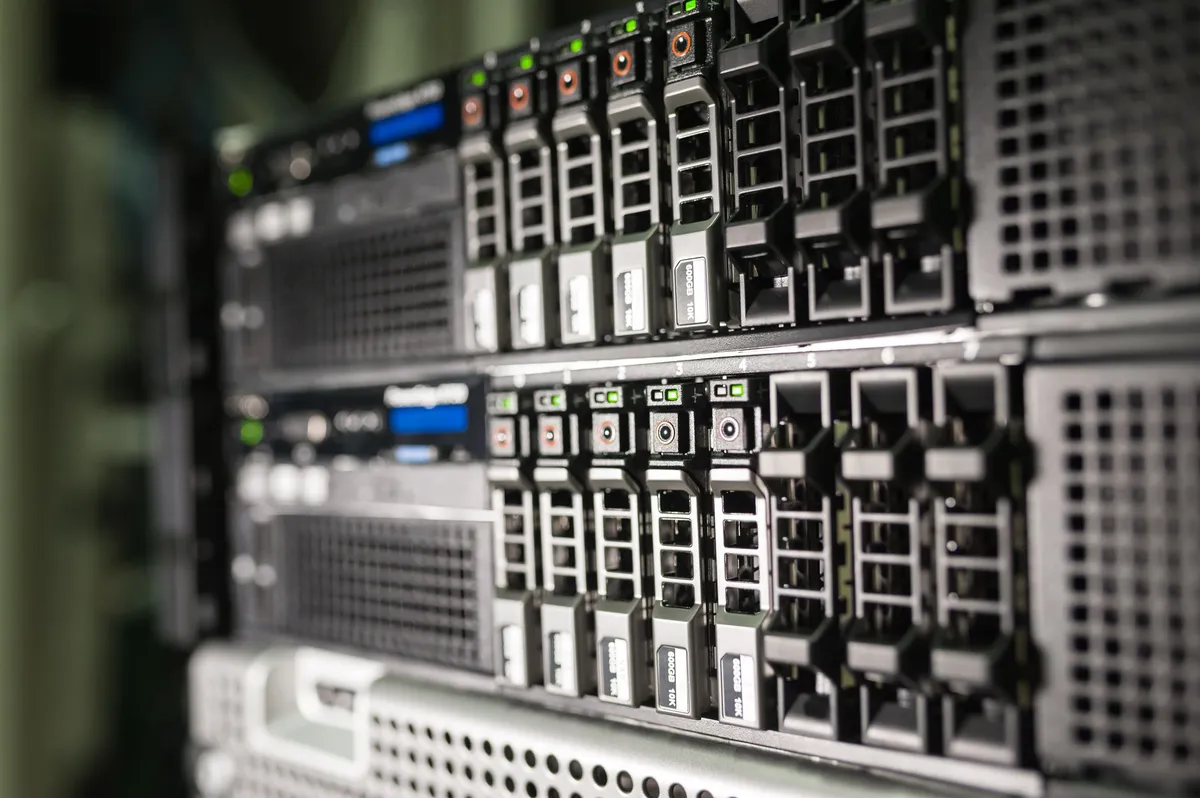
To address these challenges, Yagour advocates for developing 'agent-aware' infrastructure. This involves implementing dynamic controls that recognize agent hierarchies and allow for cost attribution back to the originating use case. Rather than blocking agent traffic, organizations must learn to accommodate it effectively.
Meta is pioneering this approach with the introduction of trusted data environments. These frameworks ensure that while agents have the freedom to explore data, every output generated is traceable and governed. By masking sensitive fields and evaluating access requests in real-time, Meta aims to strike a balance between granting autonomy to AI agents and maintaining oversight.
- **Capacity**: One engineer can generate loads equivalent to thousands of users.
- **Identity**: AI agents do not conform to traditional access control categories.
- **Velocity**: High-speed code generation does not guarantee faster development pipelines.
Transforming Data Handling and Reasoning
As AI applications become more complex, so too does the demand for data processing. Yagour highlighted a shift from correlation-based models to reasoning-based frameworks, which require a comprehensive behavioral history. This transition is pivotal for enhancing Meta's recommendation systems, which now rely on real-time data streaming instead of traditional batch processing.
To accommodate these demands, Meta is developing schema-aware storage solutions that pull only the necessary data for each query, thus optimizing resource usage and preventing GPU starvation. This innovative approach allows for a throughput of 500 million queries per second, supporting a more responsive and efficient recommendation system.
Implications for the Future of Infrastructure
Yagour's insights raise important considerations for organizations across various sectors. As AI agents become integral to business operations, the need for robust, adaptable infrastructure will only grow. The emphasis on real-time processing and agent-aware systems will likely become standard practice in the industry.
The urgency of this transformation cannot be overstated. Yagour asserted that the time frame for adapting infrastructure to accommodate AI agents is limited, with perhaps only 20 months remaining before the window closes. Organizations must act swiftly to rethink their existing frameworks and embrace the changes required to thrive in this new era.

Key Takeaways
- Organizations need to adapt their infrastructure to support the growing demand for AI agents.
- Current assumptions about capacity, identity, and velocity are being challenged.
- Meta's trusted data environments offer a model for balancing agent autonomy with governance.
- Real-time data streaming and schema-aware storage are essential for efficient processing.
- The timeline for infrastructure transformation is critical, with a window of only about 20 months.
Frequently Asked Questions
What does “agent-aware” infrastructure mean?
Agent-aware infrastructure refers to systems designed to recognize and accommodate the unique behaviors and demands of AI agents. This includes implementing dynamic controls that manage agent hierarchies and adapting to the load generated by these agents, rather than relying solely on traditional human user metrics.
Why is real-time data processing important for AI agents?
AI agents operate based on current data to generate insights and make decisions. Real-time data processing allows these agents to access information instantaneously, which is crucial for applications like recommendation systems and dynamic content delivery. Without real-time capabilities, the effectiveness of AI agents may diminish significantly.
How can organizations begin to implement trusted data environments?
To create trusted data environments, organizations should start by defining governance protocols that ensure data quality and security while granting AI agents access to necessary information. This involves tracking outputs back to their sources, masking sensitive data, and evaluating access requests in real-time to maintain oversight.
What are the risks of granting AI agents more autonomy?
While granting autonomy to AI agents can enhance efficiency and decision-making, it also introduces risks such as data misuse, incorrect outputs, and unchecked decision-making. Establishing governance frameworks and monitoring systems is essential to mitigate these risks while still allowing agents the freedom to operate effectively.
Comments
SpaceX's Starship V3 Launch Aborted: Implications and Future Steps
SpaceX's recent attempt to launch its Starship V3 ended abruptly due to engine issues, raising questions about its ambitious plans. What does this mean for the future of space exploration and commercial satellite deployment?

Related articles


Popular in Cloud Computing
- SK Hynix's Historic $26.5 Billion IPO: A New Era for Memory Chips
- Kubernetes and the Future of Desktop Infrastructure: A Paradigm Shift
- Amazon Expands Partnership with Nvidia, Tripling GPU Orders Amid AI Demand Surge
- Elon Musk's Evolving Relationship with Anthropic: A New Era for AI Hosting
- Emerging Rocket Launches: A New Era for Space Exploration