The Future of Robotaxis: Navigating Partnerships, Policies, and Challenges
As the robotaxi market evolves, tensions rise between key players like Uber and Waymo while regulatory bodies demand improvements. This article explores the implications for the industry and consumers.
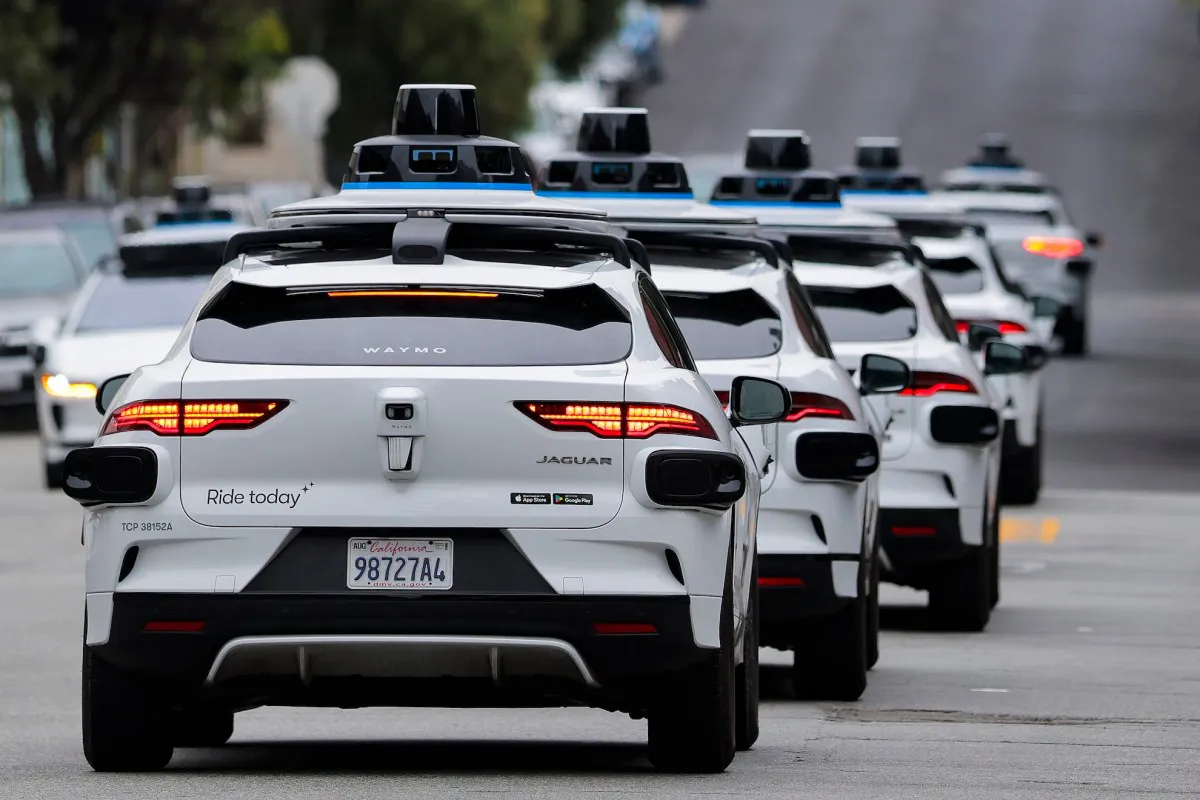
The autonomous vehicle (AV) sector is at a critical juncture, particularly in the realm of robotaxis. With the recent termination of the Uber-Waymo partnership in Phoenix, the dynamics of competition and collaboration within this sector are shifting dramatically. While Uber and Waymo continue to maintain their robotaxi services in Atlanta and Austin, the question looms large: how will these two titans interact once their remaining partnerships dissolve? The implications are significant, not just for these companies but for the future of urban mobility.
As the landscape of robotaxis becomes increasingly competitive, underlying tensions are surfacing. Uber executives have already begun to make pointed remarks about Waymo, hinting at a growing rivalry that may shape the future of autonomous transportation. With the National Highway Traffic Safety Administration (NHTSA) issuing directives aimed at improving the safety of AVs, particularly in relation to first responders, the stakes are higher than ever. This article delves into the current state of the robotaxi market, the regulatory environment, and what the future may hold for both consumers and companies.
Partnerships Under Pressure: The Uber-Waymo Split
The recent end of the Uber-Waymo partnership in Phoenix highlights the fragility of alliances in the rapidly evolving robotaxi market. The collaboration, which was once seen as a stepping stone towards widespread autonomous vehicle adoption, has unraveled, leaving both companies to reassess their strategies. The remaining partnerships in Atlanta and Austin are now under scrutiny, with industry experts speculating about their longevity.
The Competitive Landscape
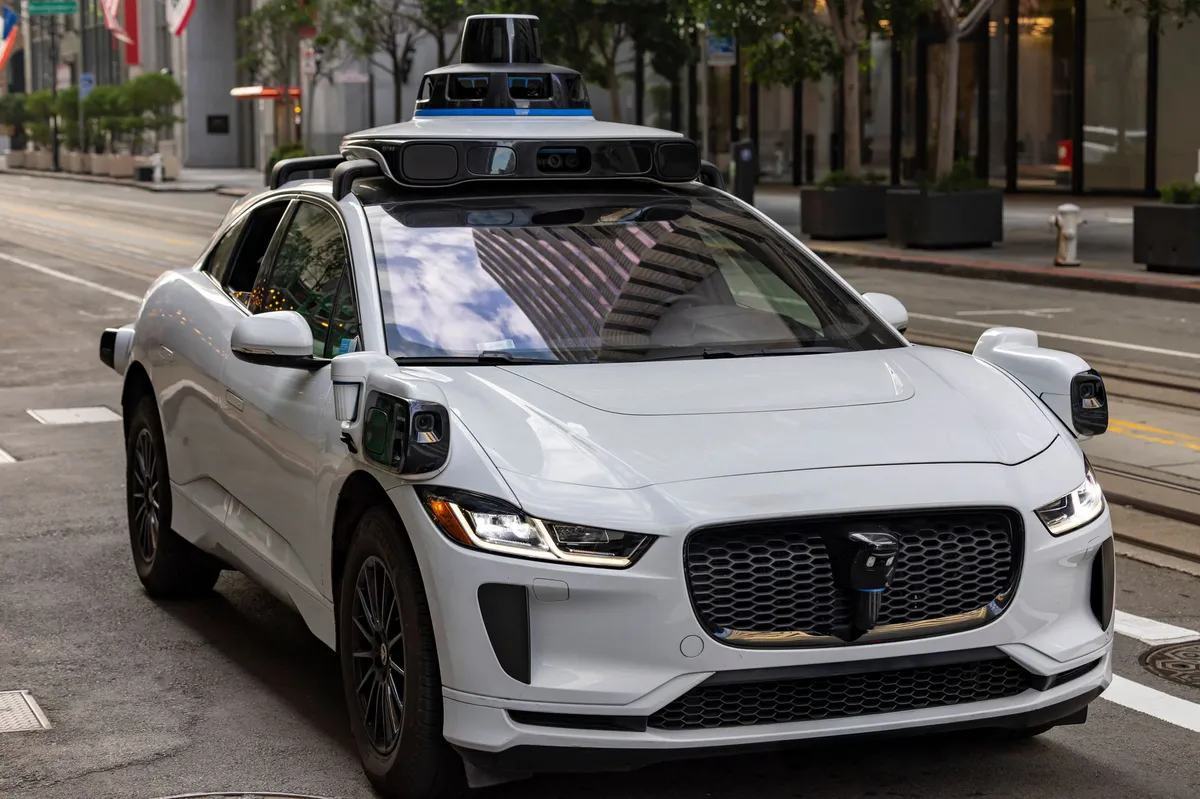
Uber and Waymo are not merely competitors; they are also benchmarks for innovation within the AV space. Waymo, boasting the largest fleet of robotaxis in the U.S., has faced criticism over safety issues, particularly regarding its interaction with emergency services. Recent incidents where Waymo vehicles became immobilized during traffic jams, leading to delays for first responders, have only intensified scrutiny from regulators and the public.
- Waymo's Fleet: Largest in the U.S. with operations in major cities.
- Uber's Strategy: Focused on rapid scaling and market penetration.
- Regulatory Challenges: Heightened scrutiny from NHTSA regarding AV safety.
NHTSA's Call to Action: A Regulatory Shift
In a significant move, the NHTSA has issued a directive aimed at addressing safety concerns related to autonomous vehicles. Administrator Jonathan Morrison emphasized that AVs must not interfere with first responders, highlighting that such incidents are not mere 'edge cases' but rather critical failures that must be rectified. This call to action serves as a wake-up call for all AV developers, including major players like Waymo and Uber.
Implications for the Industry
The NHTSA's directive is not merely a suggestion; it carries the weight of regulatory authority. Companies are required to present solutions to address these safety concerns by the end of the month. This urgent request could lead to significant changes in how AVs are designed and operated, particularly regarding their ability to navigate complex urban environments safely.
Waymo's previous encounters with first responders have raised questions about its operational protocols. A recent incident, during which a fleet of Waymo robotaxis ran out of power following a fireworks show in San Francisco, underscores the need for improved operational reliability. As local officials investigate these incidents, Waymo may find itself in the hot seat, facing tougher regulations and greater public scrutiny.
Investment Trends: The Race for Capital
Investment in the EV and AV sectors continues to surge, driven by the promise of autonomous technology. Rivian, a notable player in the electric vehicle market, recently announced a substantial capital raise of $1.32 billion, which will support its ongoing expansion and production efforts. The company is ramping up production of its R2 SUV amid growing demand, but challenges remain, as it is still not profitable.
Emerging Startups and Market Dynamics
New entrants like Bidbus, which recently raised $15 million to expand its digital marketplace for car sales, are indicative of a broader trend where innovation is not limited to established players. The competition in the AV space is intensifying, with startups and traditional automotive companies racing to develop the next generation of autonomous vehicles.
Public Perception and Future Outlook
As robotaxis continue to make headlines, public perception remains a critical factor in their adoption. Incidents involving AVs and emergency responders may contribute to skepticism among consumers about the safety and reliability of these technologies. Companies must not only invest in technological advancements but also in public relations strategies to build trust with potential users.
The Path Forward
The future of robotaxis will depend significantly on how well companies can navigate regulatory challenges and public concerns. As partnerships dissolve and competition heats up, firms like Uber and Waymo must focus on safety, reliability, and public perception to succeed in the evolving landscape of urban mobility.
Key Takeaways
- The Uber-Waymo partnership has ended, raising questions about future collaborations.
- NHTSA has issued a directive for AVs to improve interactions with first responders.
- Investment in EVs and AVs continues to grow, with Rivian leading the charge.
- Public perception will play a crucial role in the adoption of robotaxi services.
Frequently Asked Questions
What are robotaxis, and how do they work?
Robotaxis are autonomous vehicles that provide ride-hailing services without a human driver. They utilize a combination of sensors, cameras, and artificial intelligence (AI) to navigate urban environments, pick up passengers, and transport them to their destinations. Companies like Waymo and Uber are at the forefront of developing these technologies, aiming to make urban transportation safer and more efficient.
Why did Uber and Waymo end their partnership?
The end of the Uber-Waymo partnership in Phoenix is attributed to a combination of strategic realignments and competitive tensions between the two companies. As both firms aim to carve out their market share in the robotaxi space, diverging interests and priorities may have contributed to the decision to part ways. The potential for increased rivalry could reshape the landscape of autonomous transportation.
What are the implications of the NHTSA directive?
The NHTSA's call to action for AV developers emphasizes the importance of ensuring that autonomous vehicles do not interfere with first responders. This directive could lead to stricter regulations, requiring companies to prioritize safety features that enhance the vehicles' ability to react appropriately in emergency situations. The industry will need to adapt quickly to comply with these new expectations.
How is public perception influencing the robotaxi market?
Public perception plays a vital role in the acceptance of robotaxi services. Incidents involving AVs, particularly those affecting public safety, can create mistrust among consumers. Companies must engage in transparent communication and demonstrate the reliability and safety of their technologies to foster public confidence and encourage widespread adoption of autonomous transportation options.
Comments
WD 1856 b: The Planet That Survived Its Star's Death
Discover the fascinating case of WD 1856 b, a Jupiter-sized planet that defied conventional astrophysical theories by surviving the demise of its Sun-like star. Recent findings reveal unexpected characteristics and raise questions about planetary evolution.

Related articles
Popular in Cloud Computing
- SK Hynix's Historic $26.5 Billion IPO: A New Era for Memory Chips
- Kubernetes and the Future of Desktop Infrastructure: A Paradigm Shift
- Amazon Expands Partnership with Nvidia, Tripling GPU Orders Amid AI Demand Surge
- Elon Musk's Evolving Relationship with Anthropic: A New Era for AI Hosting
- Emerging Rocket Launches: A New Era for Space Exploration