SpaceX's Cape Canaveral: Transitioning from Launch Hub to Starship Era
SpaceX is reducing its launch frequency at Cape Canaveral as it prepares for the Starship era. This shift marks a significant change for the world's busiest spaceport, impacting satellite connectivity and commercial space operations.
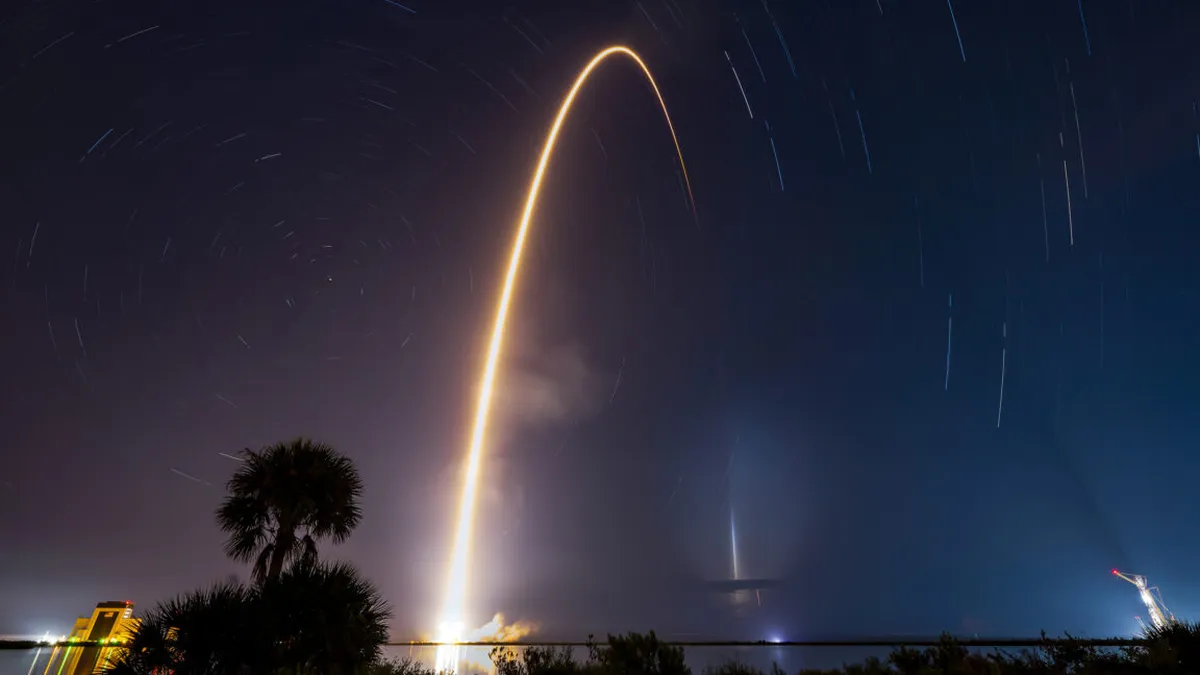
For over a decade, SpaceX has transformed Cape Canaveral into the world’s busiest spaceport, launching hundreds of missions that have redefined the landscape of commercial space travel and satellite deployment. However, the recent announcement by SpaceX to significantly cut its launch frequency from this iconic launch site signals the end of an era. As the company shifts its focus towards the ambitious Starship program, the bustling activity at Cape Canaveral will give way to a quieter period, at least until the new era of space travel officially begins.
The Falcon 9 rocket, which has been the backbone of SpaceX's launch operations, routinely lifted batches of Starlink satellites and other payloads into orbit. Just last year, the company achieved a remarkable 165 launches, averaging three flights per week, with approximately 75 percent of these missions dedicated to expanding its Starlink satellite constellation. Yet, as the company gears up for the Starship rollout, the launch count from Florida is expected to dwindle significantly, marking a pivotal moment in the history of space exploration.
The Shift in Launch Operations
According to Kiko Dontchev, SpaceX’s vice president of launch, the last planned Starlink mission from Cape Canaveral occurred recently, with the company now turning its attention to preparing for Starship missions. This transition will see the launch rate at the Florida spaceport drop from around eight or nine launches per month to a mere two, or potentially even fewer, until Starship is ready. This shift reflects a broader strategy to consolidate launches and streamline operations as SpaceX prepares for its next evolution in spaceflight.
Starship's Arrival on the Horizon
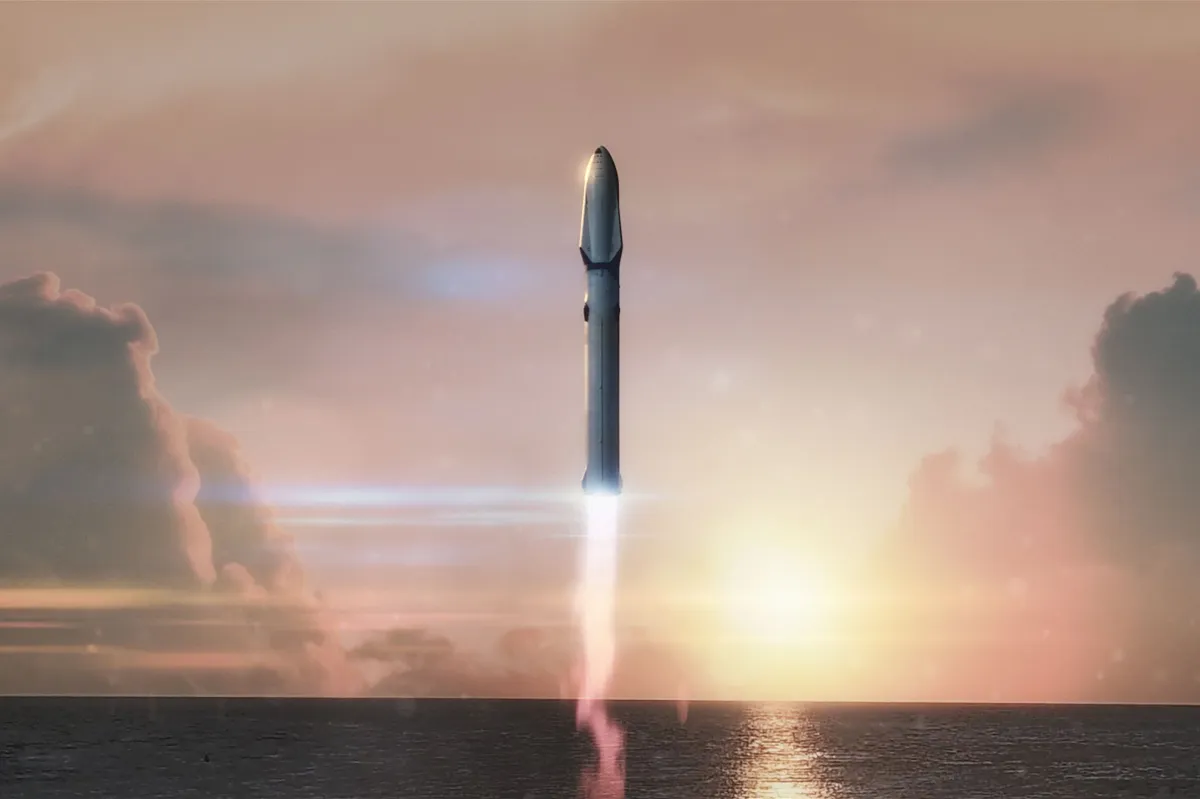
Starship, which is designed to carry larger payloads—including the next generation of Starlink satellites—represents a significant advancement in SpaceX’s capabilities. The new rocket can theoretically launch up to 60 Starlink Version 3 satellites at once, which are larger and more powerful than their predecessors. However, the timeline for Starship’s introduction has been subject to delays, with the earliest launches now projected to occur in mid-2027 rather than the previously anticipated end of 2026.
While the Falcon 9 has established itself as the most reliable launch vehicle in history, concerns loom over the transition to Starship. SpaceX's customers are anxiously awaiting clarity on the availability of reliable launch services post-2028, as the Falcon 9 is gradually phased out for commercial missions. The uncertainty surrounding Starship’s readiness adds another layer of complexity to an already evolving space launch landscape.
The Impact on Satellite Connectivity
The reduction in launch activity from Cape Canaveral is poised to impact not only SpaceX's operations but also the broader satellite connectivity landscape. The Starlink project, which aims to provide global internet coverage via a constellation of low-Earth orbit satellites, hinges on a consistent launch schedule to maintain and expand its network. With fewer launches planned in Florida, the reliance on the West Coast facility at Vandenberg Space Force Base will increase.
Challenges for Satellite Deployment
As SpaceX shifts its focus, several challenges arise for satellite deployment. The Starlink constellation currently faces the need for continuous launches to replace aging satellites and to add new ones for enhanced coverage and service quality. The reduction in launch frequency could hinder the overall growth and maintenance of the Starlink network, especially as demand for high-speed internet continues to surge.
Moreover, the competition in the satellite internet space is heating up, with rivals such as Amazon’s Project Kuiper and OneWeb vying for market share. Any delays in SpaceX’s launch schedule could provide these competitors with an opportunity to catch up and potentially disrupt SpaceX’s market dominance.
Future Outlook for SpaceX and Cape Canaveral
The transition from Falcon 9 to Starship is not merely a change in hardware; it signifies a broader evolution in the commercial space industry. SpaceX's commitment to developing the Starship program reflects its ambition to push the boundaries of space exploration and to enable missions beyond Earth's orbit, including plans for lunar and Martian exploration.
As preparations for Starship continue, the company must navigate the challenges of regulatory compliance, environmental impact assessments, and the logistics of transporting Starship components from its factory in South Texas to Florida. While the excitement surrounding Starship is palpable, it remains essential for SpaceX to maintain operational continuity with its existing vehicles until the new system is fully operational.
Key Takeaways
- SpaceX will significantly reduce launch operations from Cape Canaveral until Starship is operational, moving from approximately eight to two launches per month.
- The Falcon 9 will continue to be used for customer payloads, but Starlink missions will transition to Starship.
- Starship, capable of launching larger satellite payloads, is anticipated to be ready for its first operational missions by mid-2027.
- The reduction in launches could impact the growth and maintenance of the Starlink satellite constellation, amidst increasing competition in satellite internet.
Frequently Asked Questions
Why is SpaceX reducing launches from Cape Canaveral?
SpaceX is reducing its launch frequency from Cape Canaveral as it prepares for the upcoming Starship program. The company has shifted its focus to ensure that Starship is ready for future missions, which necessitates scaling back Falcon 9 launches in Florida until the new rocket is operational.
What will happen to Starlink missions during this transition?
During this transitional phase, all future Starlink missions that would have launched from Cape Canaveral will instead be carried out using the Starship rocket. This means that there will be fewer launches in the short term as SpaceX ensures that Starship meets its operational readiness milestones.
How does this impact satellite internet services?
The reduced launch cadence could slow down the expansion of the Starlink satellite constellation, potentially affecting the availability and quality of satellite internet services. As demand for global connectivity rises, any delays in launching new satellites could be detrimental to SpaceX's competitiveness in the market.
Comments
Pacific Fusion Breaks Ground on Revolutionary Fusion Power Facility
Pacific Fusion has launched a groundbreaking facility in New Mexico aimed at achieving commercial fusion power by the mid-2030s, a significant leap in energy technology. This facility is designed to generate more energy than it consumes, a key milestone in the fusion energy industry.

Related articles
Popular in Cloud Computing
- SK Hynix's Historic $26.5 Billion IPO: A New Era for Memory Chips
- Kubernetes and the Future of Desktop Infrastructure: A Paradigm Shift
- Amazon Expands Partnership with Nvidia, Tripling GPU Orders Amid AI Demand Surge
- Elon Musk's Evolving Relationship with Anthropic: A New Era for AI Hosting
- Emerging Rocket Launches: A New Era for Space Exploration