U.S. Battery Startups Find New Opportunities in Defense Sector
As U.S. battery startups face challenges from policy shifts, the defense sector emerges as a crucial ally, with significant government funding supporting their innovations.
The landscape of battery startups in the United States is undergoing a dramatic transformation. Initially buoyed by government incentives aimed at promoting electric vehicles (EVs), many companies found themselves grappling with the fallout from recent legislative changes that cut these supports. However, a new lifeline has emerged in an unexpected area: defense. With significant funding from the Department of Energy (DOE) and a growing demand for advanced battery technologies in military applications, startups are pivoting their strategies to meet the needs of national security.
This shift comes at a critical time when the U.S. government is looking to bolster its domestic battery supply chain amid rising global tensions and supply chain vulnerabilities. The new funding not only aims to enhance national security but also reflects a commitment to reducing reliance on foreign sources of battery materials and technology.
The Impact of Legislative Changes on Battery Startups
The passage of the One Big Beautiful Bill marked a turning point for battery startups across the nation. Intended to streamline support for renewable energy and electric vehicle initiatives, the bill unexpectedly eliminated many incentives that had previously spurred investment in battery production. As a result, many startups faced a significant downturn in their prospects, leading to uncertainty in the market.
Despite these setbacks, the defense sector's increasing reliance on battery technology has provided a path forward. The Trump administration, while often critical of electric vehicles, recognizes that batteries play an essential role in modern military operations. As a result, the government has begun to shift its focus toward funding initiatives that enhance the domestic battery supply chain.
Government Funding Initiatives: A Boost for Startups
In August 2026, the DOE announced a substantial $500 million grant program aimed at strengthening the U.S. battery supply chain. This funding is particularly targeted at startups that can offer innovative solutions for military applications. The initiative is designed to address several key goals:
- Reduce reliance on foreign sources: By supporting domestic production, the U.S. aims to secure its supply chain against international disruptions.
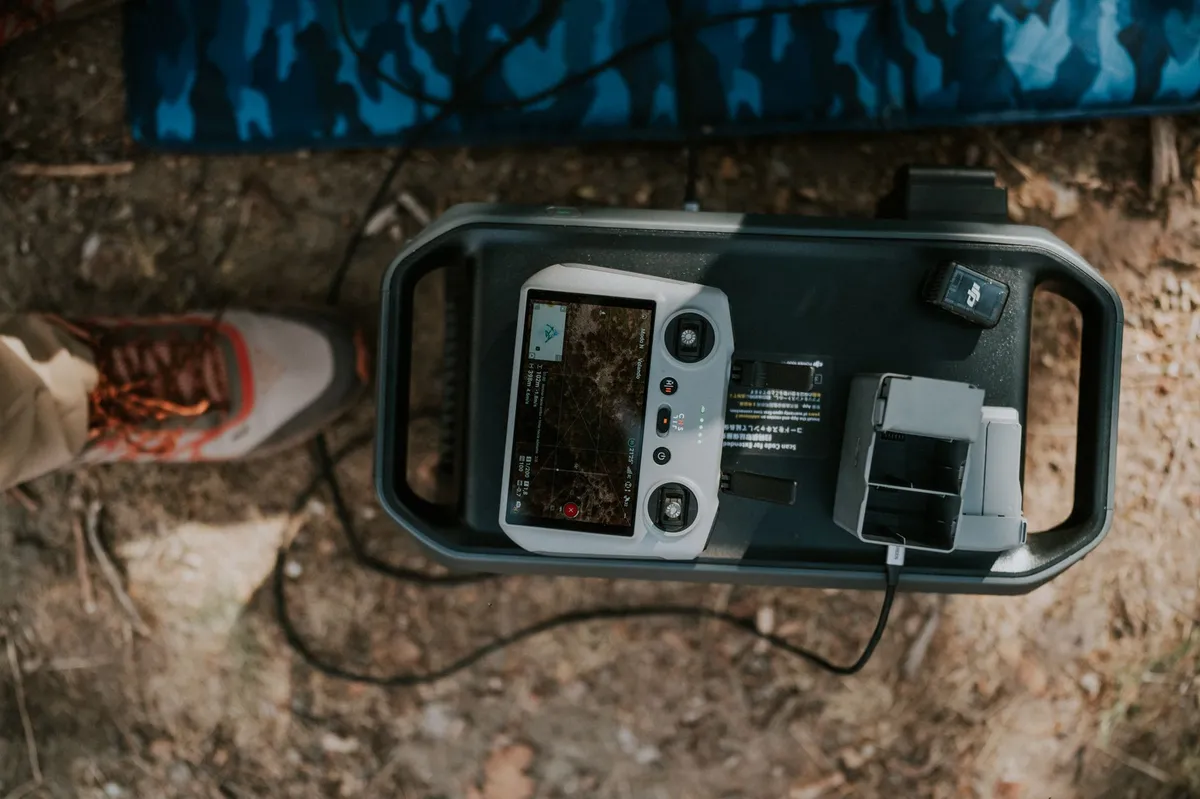
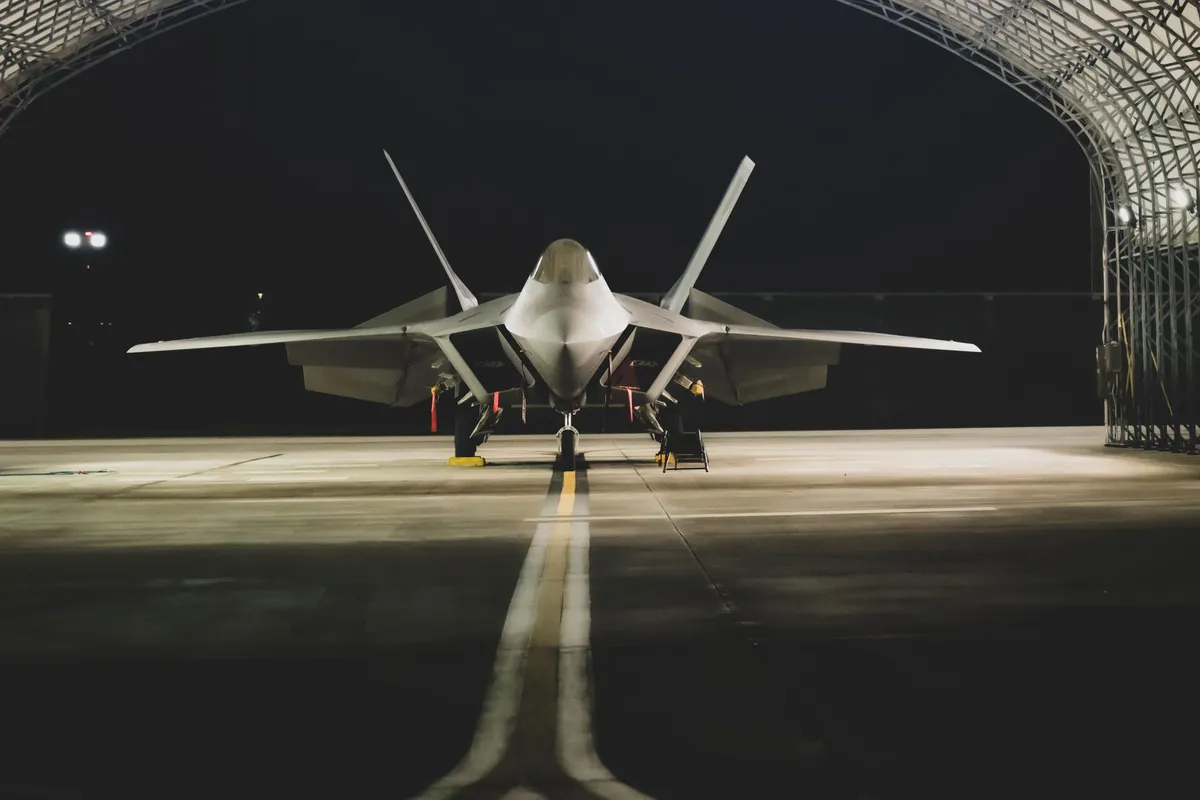
- Enhance national security: Advanced battery technologies are critical for powering military equipment, including drones, torpedoes, and communications devices.
- Advance energy dominance: The U.S. seeks to lead in energy technologies and innovation, particularly in the context of global competition.
Startups such as Coreshell, Lilac Solutions, and Nth Cycle have been key beneficiaries of this funding. Coreshell, for instance, received a $50 million award to expand its manufacturing capabilities for metallurgical silicon anode material, which is essential for high-performance batteries. Meanwhile, Lilac Solutions secured $100 million to develop a processing facility for lithium extraction from brines, further supporting the supply of critical battery materials.
Defense Sector Demand: A New Frontier for Battery Technology
The defense sector is emerging as a significant driver of demand for advanced battery technologies. As military operations increasingly rely on battery-powered systems, the need for lightweight, efficient, and reliable batteries has never been more pressing. According to reports, the U.S. Defense Logistics Agency was purchasing approximately $200 million worth of batteries annually as of 2021, a figure that has likely increased given the current geopolitical climate.
Startups like Nth Cycle are positioning themselves to meet this demand by refining materials from recycled lithium-ion batteries. With a $100 million investment, Nth Cycle aims to develop processes that recover valuable lithium and nickel compounds for new battery production. This not only contributes to sustainability efforts but also aligns with the Pentagon's goals of sourcing materials from domestic suppliers.
Automotive Industry: A Complicated Relationship
While the defense sector presents new opportunities, the automotive industry remains a crucial market for battery startups. Despite the challenges posed by the recent legislative changes, automakers continue to invest in electric vehicle technology and are expected to launch new models in the coming years. Mordor Intelligence estimates that the automotive industry will spend nearly $18 billion on battery manufacturing in the U.S. in 2026.
This duality—the simultaneous focus on defense and automotive applications—illustrates the complex landscape that battery startups must navigate. While defense contracts can provide immediate financial support, the long-term viability of these companies will also depend on their ability to innovate and capture a share of the automotive market once incentives are reinstated or new policies are established.
Challenges Ahead: Navigating Uncertainty
Despite the promising developments, battery startups must still contend with a range of challenges. The uncertainty surrounding future government policies and the potential for further legislative changes could impact funding and investment in the industry. Moreover, as the automotive sector ramps up its electric vehicle initiatives, competition for battery resources and technology will intensify.
Additionally, the supply chain for critical materials remains vulnerable. The extraction and processing of lithium, cobalt, and other essential components are often fraught with geopolitical risks, as these materials are sourced from various regions worldwide. Startups will need to remain agile and adaptable to respond to shifting market dynamics and resource availability.
Key Takeaways
- U.S. battery startups are pivoting towards defense applications as a response to legislative changes affecting EV incentives.
- The DOE's $500 million funding initiative aims to strengthen the domestic battery supply chain and enhance national security.
- Startups like Coreshell, Lilac Solutions, and Nth Cycle are leveraging government grants to develop innovative battery technologies.
- While the defense sector offers new opportunities, the automotive market remains a critical area for growth.
- Ongoing challenges in supply chain management and market competition will require startups to stay adaptable.
Frequently Asked Questions
What are the main applications of batteries in the defense sector?
Batteries in the defense sector are crucial for powering a range of equipment, including drones, torpedoes, infantry radios, and fighter jets. The need for lightweight and efficient batteries is paramount, as military operations increasingly rely on advanced technology that requires reliable power sources.
How does government funding impact battery startups?
Government funding, such as the recent $500 million grant from the DOE, provides essential financial support for battery startups, allowing them to innovate and scale their operations. This funding helps reduce reliance on foreign sources and bolsters national security by ensuring a domestic supply chain for critical battery materials.
What challenges do battery startups face in the current market?
Battery startups face several challenges, including uncertainty around government policies, competition from the automotive sector, and vulnerabilities in the supply chain for critical materials. These factors can impact their ability to secure funding and maintain growth in a rapidly evolving market.
How important is the automotive industry for battery startups?
The automotive industry remains a vital market for battery startups, despite recent setbacks. As automakers continue to invest in electric vehicles, there is significant potential for battery companies to capture market share. However, the competition for resources and innovation will intensify as the sector grows, making it essential for startups to differentiate themselves.
Comments
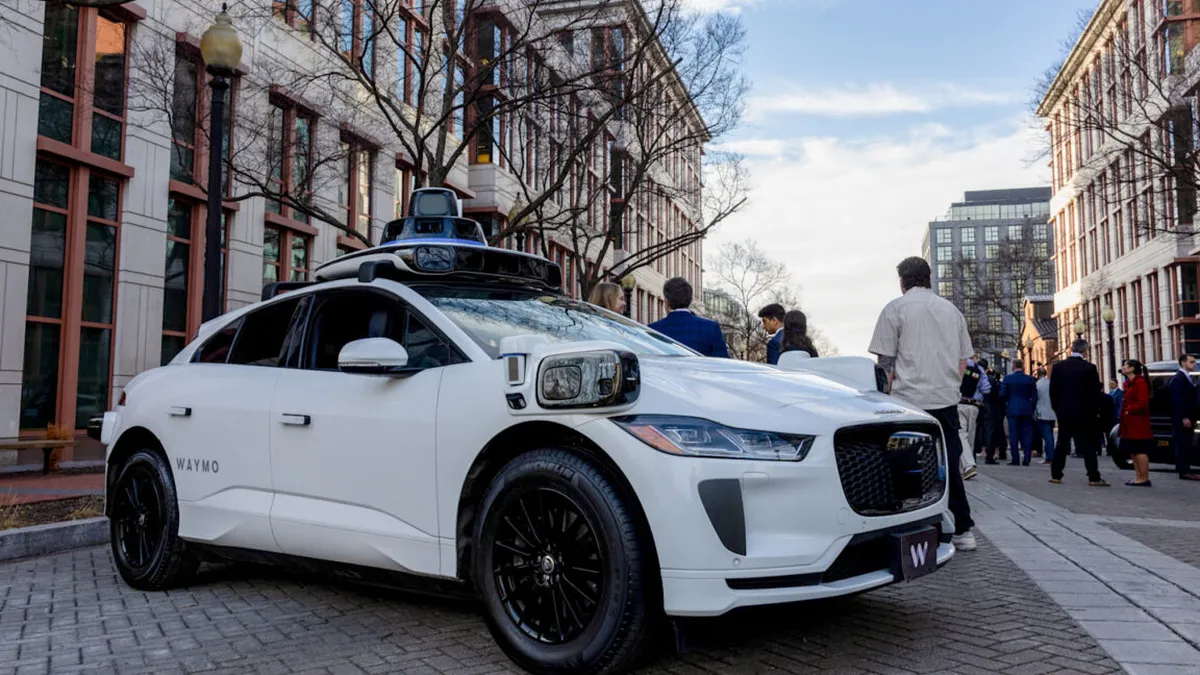
Waymo and Uber: The High-Stakes Lobbying Battle for Robotaxi Dominance
Waymo has significantly ramped up its lobbying efforts to secure regulatory approval for fully autonomous taxi services, intensifying competition with Uber. This article explores the implications of this battle for the future of ride-hailing, regulatory frameworks, and the broader implications for the transportation industry.
Related articles
Popular in Cloud Computing
- SK Hynix's Historic $26.5 Billion IPO: A New Era for Memory Chips
- Kubernetes and the Future of Desktop Infrastructure: A Paradigm Shift
- Amazon Expands Partnership with Nvidia, Tripling GPU Orders Amid AI Demand Surge
- Elon Musk's Evolving Relationship with Anthropic: A New Era for AI Hosting
- Emerging Rocket Launches: A New Era for Space Exploration