Waymo and Uber: The High-Stakes Lobbying Battle for Robotaxi Dominance
Waymo has significantly ramped up its lobbying efforts to secure regulatory approval for fully autonomous taxi services, intensifying competition with Uber. This article explores the implications of this battle for the future of ride-hailing, regulatory frameworks, and the broader implications for the transportation industry.
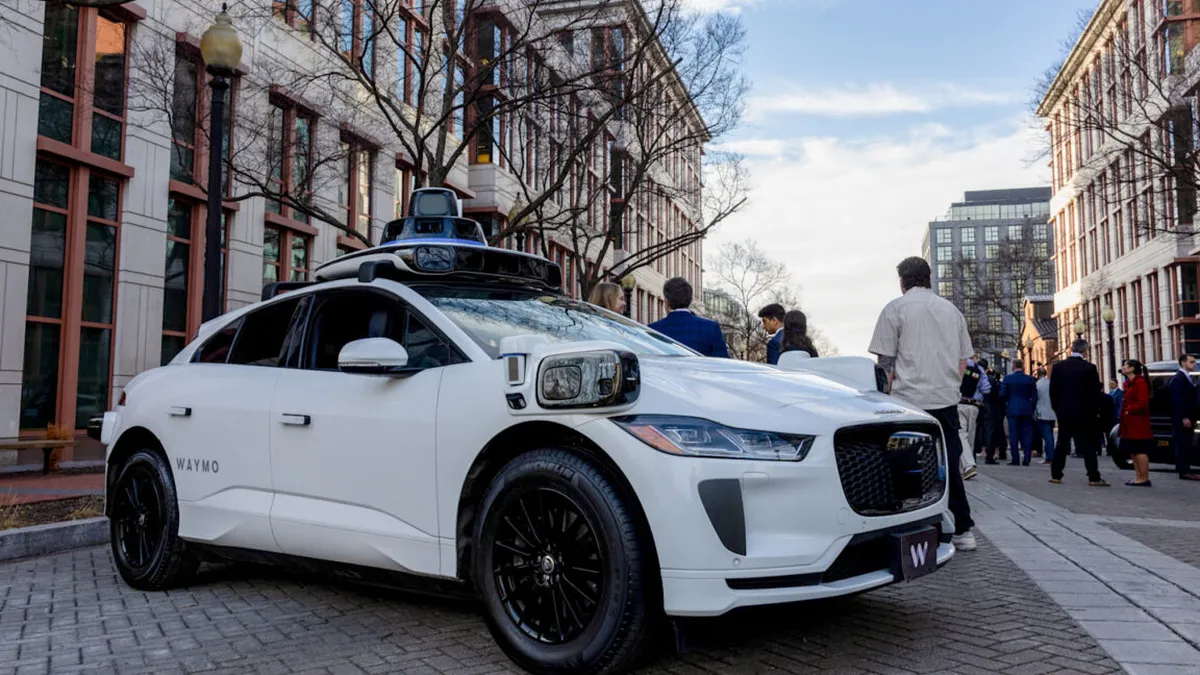
In a rapidly evolving landscape of autonomous vehicles, competition is heating up between two giants: Waymo and Uber. Waymo, a subsidiary of Alphabet, has significantly increased its lobbying expenditures in a bid to persuade U.S. regulators to clear the way for fully autonomous taxi services. Between April and June of this year, Waymo spent over $1 million on lobbying efforts—more than double its expenditure from a year prior. This strategic financial maneuver positions the company closer to Uber's lobbying budget, while leaving competitors like Amazon's Zoox and Tesla trailing behind. As both companies push opposing visions for the future of ride-hailing, the stakes have never been higher.
Waymo's lobbying strategy reflects its urgent desire for a faster rollout of driverless commercial services, while Uber is advocating for a more gradual approach—one that would see robotaxis operating alongside human drivers. This clash of philosophies not only fuels a competitive rivalry but also complicates their existing partnership in markets like Austin and Atlanta, where tensions have risen to the point that Waymo is reportedly considering exiting its collaboration with Uber.
Rising Lobbying Expenditures
Waymo's increased lobbying spending is a clear indicator of the company's commitment to influencing policy in favor of autonomous vehicles. In the first half of 2026 alone, the company increased its lobbying budget by an astonishing 93% compared to the previous year, bringing its total to just over $2 million. This surge in spending underscores a growing urgency to establish a regulatory framework that would facilitate the rollout of robotaxis across the United States.
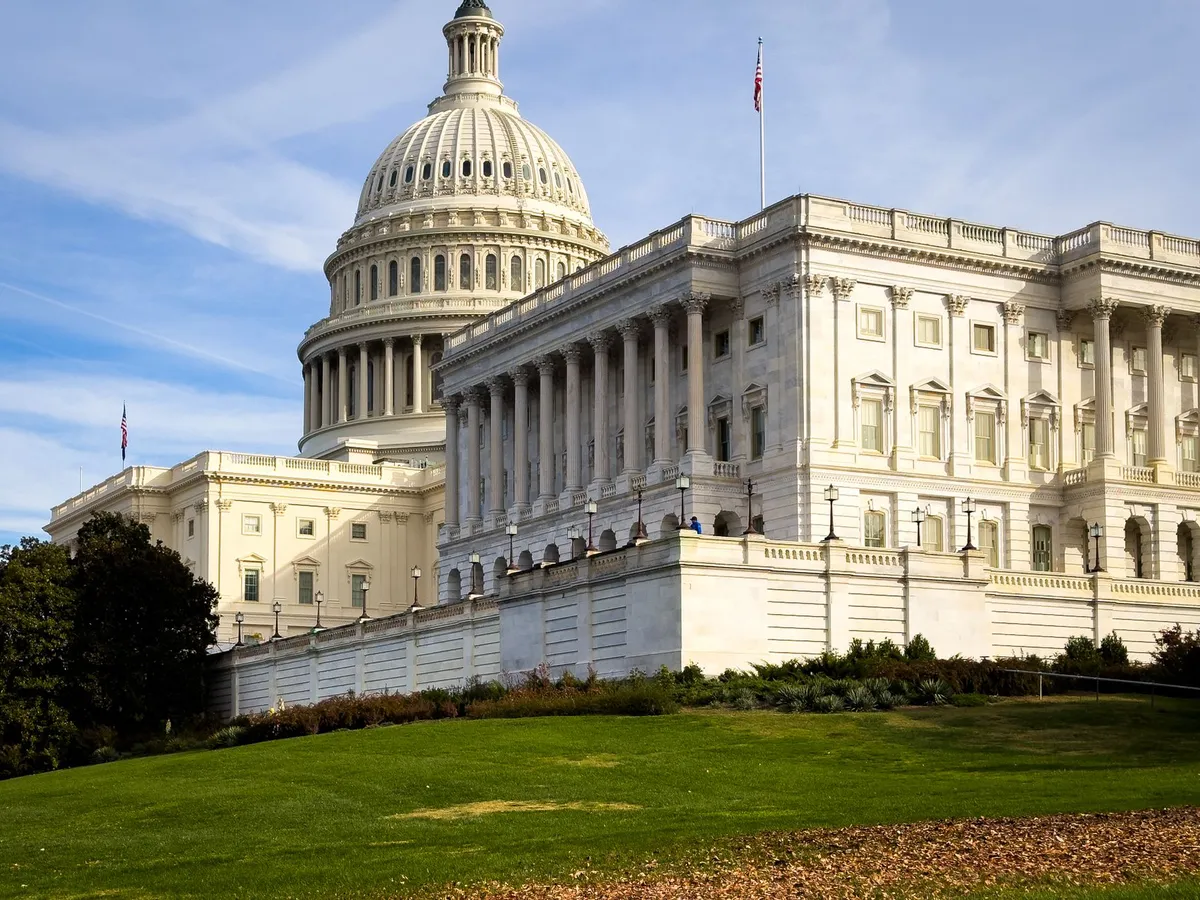
By hiring prominent law firm Greenberg Traurig and working with various other lobbying firms, Waymo aims to create a robust network of influence in Washington, D.C. One of its primary objectives is to push for federal regulations that would expedite the deployment of autonomous vehicles. This effort is particularly crucial as resistance from labor groups and local politicians threatens to stall expansion plans in major markets like New York and Chicago.
Local Strategies and Market Dynamics
At the local level, Waymo’s lobbying tactics have proven effective. The company has outspent Uber and Zoox in lobbying efforts within the District of Columbia, advocating for regulatory approval to launch robotaxi services. Waymo’s approach includes engaging the community directly, encouraging residents to voice their support for the deployment of autonomous vehicle services. This grassroots strategy may help mitigate concerns about job displacement among existing drivers, a significant issue raised by labor groups.
In New York, Waymo has invested over $500,000 in lobbying this year alone—more than double what Uber has spent—as it seeks to penetrate one of the largest taxi markets in the nation. Following a retreat by Governor Kathy Hochul on proposals to allow autonomous vehicle companies to operate throughout the state, Waymo proposed establishing a $20 million fund aimed at supporting drivers who may be impacted by the introduction of self-driving technology. This offer highlights Waymo's attempt to address concerns about the economic fallout associated with the shift to autonomous vehicles.
Regulatory Challenges Ahead
Despite the aggressive lobbying efforts from both companies, the path to regulatory approval is fraught with challenges. U.S. lawmakers are facing pressure from various stakeholders, including labor organizations worried about job losses and consumer groups concerned about safety. As such, both Waymo and Uber are lobbying not only at the federal level but also in multiple states to shape legislation that favors their respective visions for the future of ride-hailing. In New Jersey, for example, Waymo has engaged lawmakers to explore a three-year pilot program that would test the deployment of its robotaxi services.
Uber's Counteroffensive
On the other side of the aisle, Uber is not standing still. Following its abandonment of in-house self-driving technology in 2020, the ride-hailing giant has committed over $10 billion in the past year to regain lost ground in the autonomous vehicle sector. This financial commitment includes significant equity stakes and agreements to expand robotaxi fleets. Furthermore, Uber is advocating for what it calls hybrid networks, which would see human drivers and autonomous vehicles coexist on the same platform. This strategy aims to ensure that human drivers continue to play a vital role in ride-hailing services while gradually integrating autonomous options.
In New Jersey, for instance, Uber's lobbyists have proposed that any platform offering robotaxi services must utilize human drivers for at least 85% of all rides during a pilot phase. Critics argue that this proposal is an attempt by Uber to establish regulatory capture—essentially ensuring that the company maintains a competitive edge as it faces increased competition from companies like Waymo. However, Uber refutes these claims, asserting that their hybrid approach is designed to bring technology to consumers sooner while providing policymakers with a framework to manage the transition effectively.
Implications for the Transportation Industry
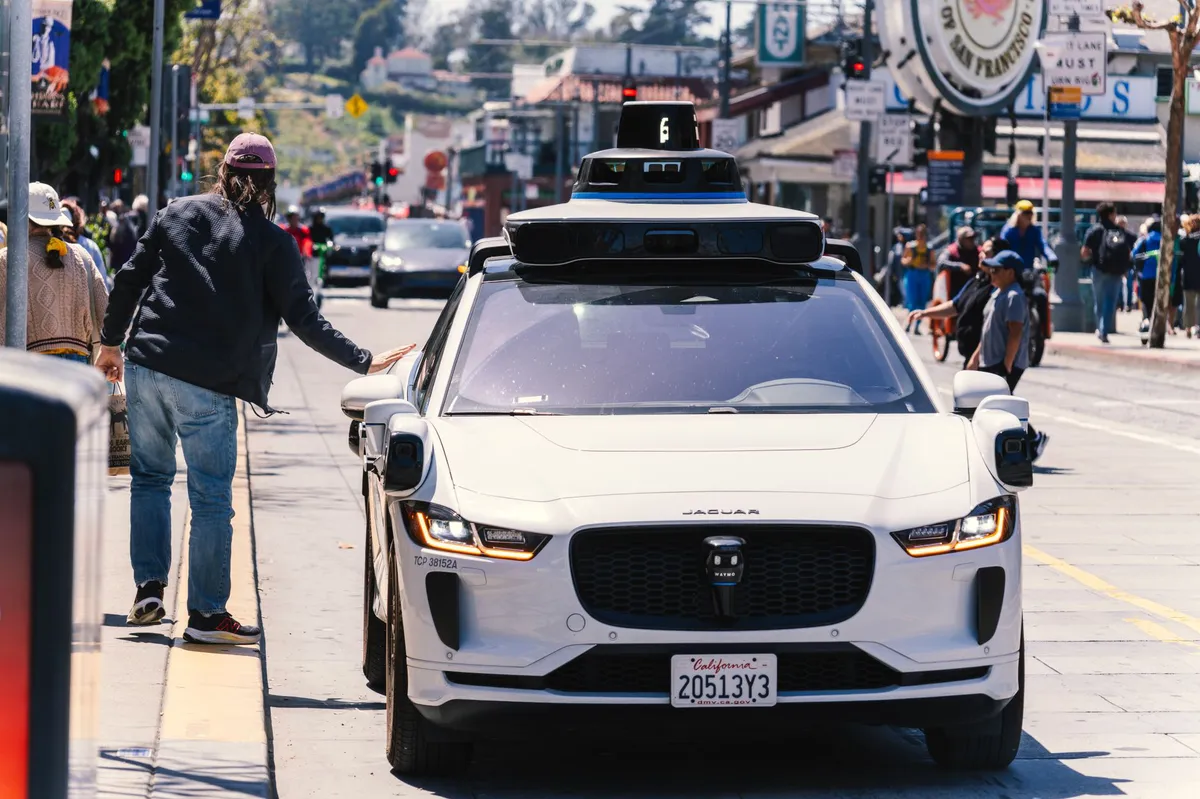
The ongoing battle between Waymo and Uber for dominance in the robotaxi market has significant implications not only for the companies involved but also for the broader transportation landscape. As autonomous vehicles continue to push into mainstream acceptance, the regulatory frameworks established during this period will likely shape the future of mobility. Factors such as public safety, labor market stability, and economic viability will all come into play as policymakers navigate the complexities of integrating autonomous technology into existing transportation systems.
Moreover, the financial stakes are immense. The global autonomous vehicle market is projected to reach hundreds of billions of dollars in the coming years, making it a lucrative battleground for tech companies and traditional automakers alike. As both Waymo and Uber vie for regulatory approval and market share, the outcomes of their lobbying efforts could set precedents that will influence the trajectory of the industry for years to come.

Key Takeaways
- Waymo has doubled its lobbying expenditure in 2026, spending over $2 million in the first half alone.
- The company is advocating for a federal regulatory framework to expedite the deployment of robotaxis.
- Uber is promoting a hybrid model that combines human-driven and autonomous rides.
- Both companies face significant regulatory challenges amid concerns from labor groups and politicians.
- The outcomes of this battle will shape the future of the transportation industry and the integration of autonomous vehicles.
Frequently Asked Questions
What are the main differences between Waymo's and Uber's approaches to autonomous vehicles?
Waymo aims for a rapid rollout of fully autonomous taxi services without human drivers, while Uber supports a hybrid model that incorporates both human drivers and autonomous vehicles. This fundamental difference in strategy drives their lobbying efforts and shapes their respective positions in the marketplace.
Why is lobbying important for companies like Waymo and Uber?
Lobbying is critical for these companies as regulatory approval can significantly impact their business operations and market entry. By influencing policymakers, they aim to create favorable conditions for the deployment of their autonomous technologies, which can lead to increased market share and profitability.
How might the outcomes of this rivalry affect consumers?
The competition between Waymo and Uber could lead to improved services and pricing for consumers, as both companies strive to gain an edge over each other. Additionally, the regulatory frameworks established during this period may enhance safety standards and consumer protections as autonomous vehicles become more prevalent.
What role do labor groups play in the robotaxi debate?
Labor groups are crucial stakeholders in the conversation about robotaxis, as they advocate for the rights of human drivers who may be displaced by autonomous technology. Their concerns about job losses and economic impacts have prompted both Waymo and Uber to address these issues in their lobbying efforts, particularly when crafting proposals aimed at easing the transition to autonomous vehicles.
Comments
U.S. Battery Startups Find New Opportunities in Defense Sector
As U.S. battery startups face challenges from policy shifts, the defense sector emerges as a crucial ally, with significant government funding supporting their innovations.

Related articles
Popular in Cloud Computing
- SK Hynix's Historic $26.5 Billion IPO: A New Era for Memory Chips
- Kubernetes and the Future of Desktop Infrastructure: A Paradigm Shift
- Amazon Expands Partnership with Nvidia, Tripling GPU Orders Amid AI Demand Surge
- Elon Musk's Evolving Relationship with Anthropic: A New Era for AI Hosting
- Emerging Rocket Launches: A New Era for Space Exploration