Waymo Expands Cheaper Robotaxi Service to Major U.S. Cities
Waymo has launched its next-gen robotaxi, the Ojai, in Los Angeles, Phoenix, and San Francisco, marking a strategic shift in its autonomous vehicle operations. This move is part of Waymo's goal to enhance affordability and accessibility in the robotaxi market.
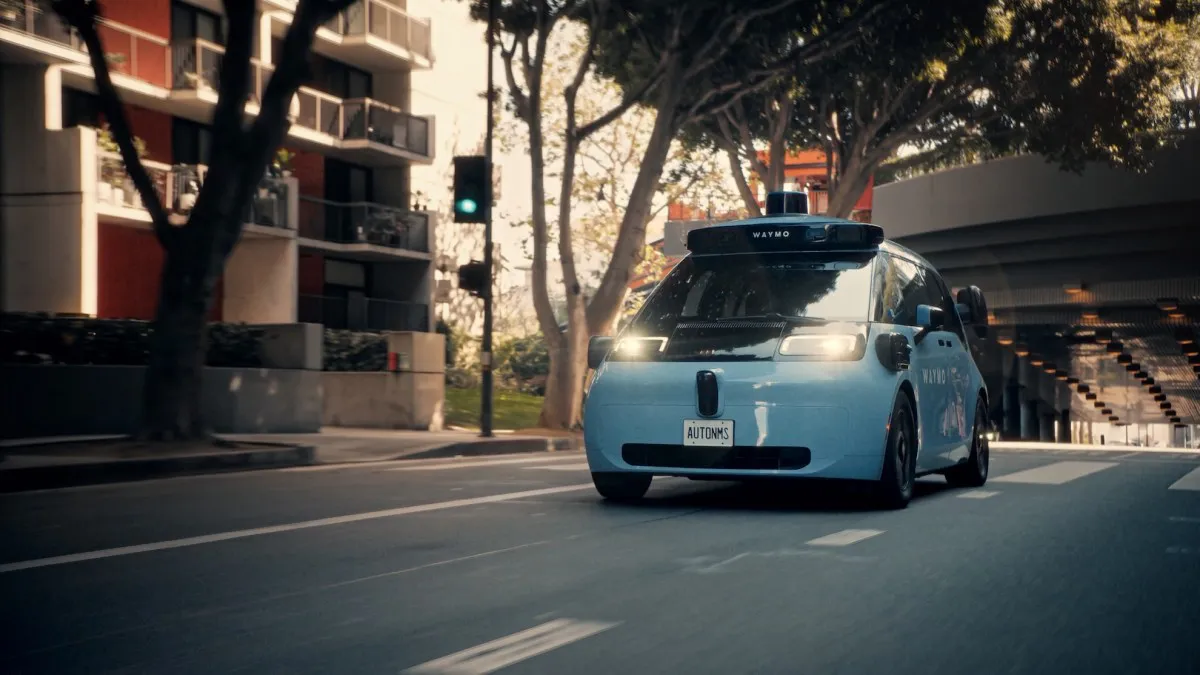
In a significant development in the realm of autonomous transportation, Waymo has officially launched its next-generation robotaxi, the Ojai, now available to riders in Los Angeles, Phoenix, and San Francisco. This rollout not only represents a milestone for the Alphabet-owned company but also indicates a shift towards more affordable and accessible ride-hailing services across major U.S. cities. As robotaxis become an integral part of urban mobility, Waymo's strategic choices will likely influence the future of transportation.
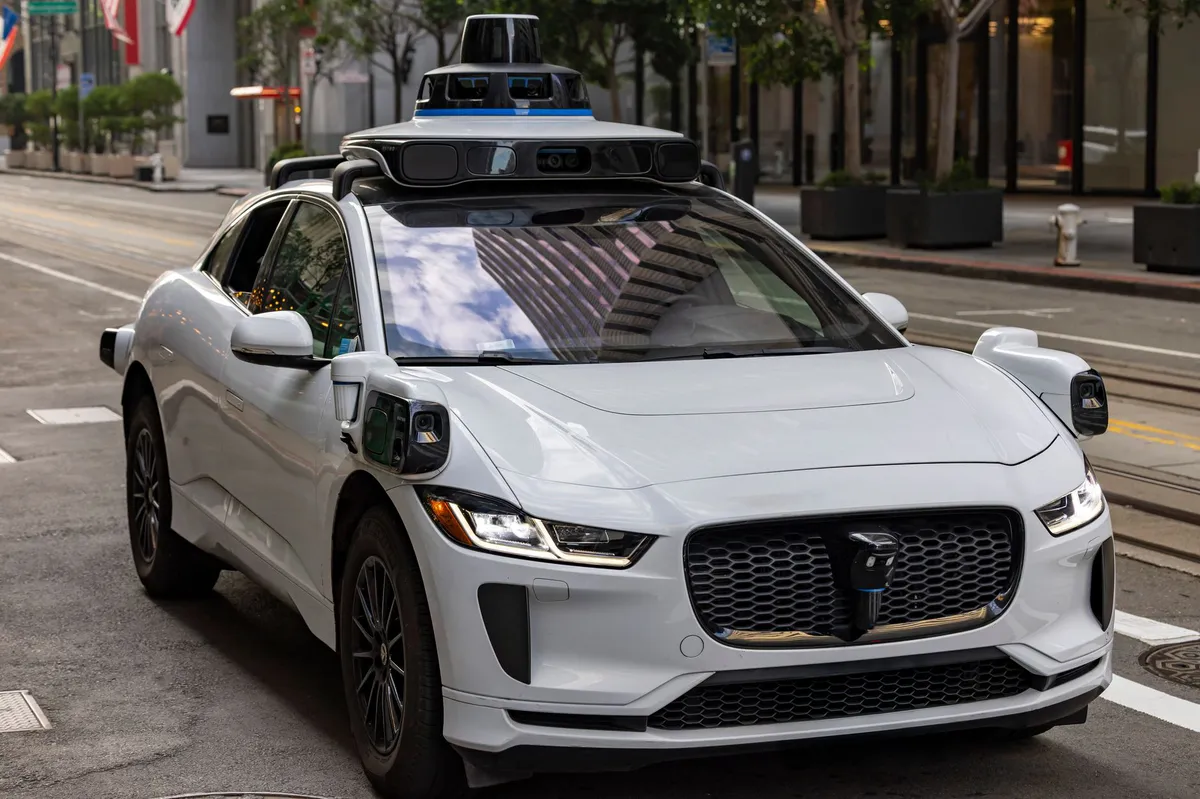
The Ojai, pronounced "oh-hi," is designed to be cheaper to manufacture, operate, and maintain than its predecessor, the Jaguar I-Pace, which has been the backbone of Waymo's fleet for years. With around 300 Ojai units currently in operation, Waymo aims to scale this fleet significantly, with plans to roll out the Ojai in additional cities like Denver, Las Vegas, and San Diego later this year. This expansion is crucial as the company works to achieve mass adoption and profitability in the competitive autonomous vehicle landscape.

Transitioning to the Ojai Robotaxi
Waymo's transition to the Ojai robotaxi marks a strategic pivot from the luxury Jaguar I-Pace models, which have become commonplace in cities such as San Francisco. The I-Pace, while technologically advanced, has served more as a transitional vehicle in Waymo's long-term vision for a diverse, scalable fleet. The Ojai represents a leap forward, being built on Zeekr's Sustainable Experience Architecture (SEA-M) platform, which is specifically designed for high-usage applications like robotaxis.
Features of the Ojai
Equipped with Waymo's sixth-generation self-driving technology, the Ojai is modular, meaning it can be adapted for various vehicle types, enhancing its operational versatility. Key features include:
- Next-Gen Self-Driving System: Enhanced algorithms and sensors improve navigation and safety.
- User Interface: A redesigned dashboard and interface create a more user-friendly experience for riders.
- In-Car Assistance: Integration with Google’s Gemini AI offers real-time support and information.
This combination of technology and user-centric design aims to provide a seamless ride experience, making it attractive to a broad range of consumers.
Challenges of Scaling
Despite the promising attributes of the Ojai, Waymo faces several hurdles that could affect its growth trajectory. One of the most significant challenges is the current U.S. trade policy, which imposes steep tariffs on vehicles imported from China. Since the Ojai is manufactured by Zeekr, a subsidiary of China’s Geely Holding Group, these tariffs can inflate the costs associated with bringing the Ojai into the U.S. market.
Logistics and Production
Upon shipment to the U.S., the base Zeekr vehicles are sent to Waymo’s facility in Arizona, where they are outfitted with the self-driving system. According to research from MoffettNathanson, Waymo is expected to import around 5,000 Ojai vehicles by the end of 2026, more than doubling its current fleet of Jaguar I-Pace models. The recent influx of 725 Ojai units in July alone highlights the rapid pace at which Waymo intends to expand its offerings.

Market Implications
Waymo's decision to roll out a more affordable robotaxi could have far-reaching implications for the entire ride-hailing industry. As companies like Uber and Lyft continue to adapt to the evolving landscape of urban transportation, the introduction of the Ojai may force these competitors to reconsider their pricing strategies and operational frameworks. The Ojai's affordability could open the door for a broader demographic of riders, potentially shifting the market dynamics in favor of companies that prioritize cost-effective and reliable transportation solutions.
Impacts on Urban Mobility
The expansion of affordable autonomous vehicles like the Ojai could also contribute positively to urban mobility. With more accessible transportation options, cities may experience reduced congestion and lower emissions as fewer personal vehicles take to the roads. Furthermore, the integration of autonomous vehicles into public transportation systems could enhance overall efficiency, making it easier for residents to navigate their communities.
Key Takeaways
- Waymo has launched its next-gen robotaxi, the Ojai, in Los Angeles, Phoenix, and San Francisco.
- The Ojai aims to be cheaper to build and operate than the previous Jaguar I-Pace models.
- Waymo plans to roll out 5,000 Ojai vehicles by the end of 2026.
- Tariffs on imported vehicles from China present logistical challenges for Waymo.
Frequently Asked Questions
What makes the Ojai different from previous Waymo models?
The Ojai distinguishes itself from previous models primarily through its affordability and efficiency. Built on Zeekr's SEA-M platform, it is designed for high-usage scenarios such as ride-hailing, making it more durable and easier to maintain. It also features advanced self-driving technology and a user-friendly interface, which enhances the rider experience compared to the older Jaguar I-Pace.
How does Waymo ensure the safety of its autonomous vehicles?
Waymo employs a multi-faceted approach to ensure the safety of its autonomous vehicles. This includes rigorous testing of the self-driving algorithms under various conditions, ongoing monitoring of vehicle performance, and real-time data analysis to improve navigation and decision-making. Additionally, Waymo incorporates feedback from riders to continuously refine the user experience.
What are the future plans for Waymo's robotaxi service?
Waymo plans to expand its robotaxi service significantly, with intentions to introduce the Ojai in more cities such as Denver, Las Vegas, and San Diego later this year. The company is focused on scaling its fleet to meet growing demand while navigating challenges like tariffs and production logistics. This expansion is critical to achieving its long-term goals of mass adoption and profitability.
Comments
Valuing AI Compute: The Startup Transforming Wall Street's Approach
Silicon Data is revolutionizing the financial landscape by providing a benchmark for AI compute costs. With a $30 million Series A funding, they aim to launch compute futures trading, addressing a critical need in the rapidly evolving AI sector.
Related articles

Popular in Cloud Computing
- SK Hynix's Historic $26.5 Billion IPO: A New Era for Memory Chips
- Kubernetes and the Future of Desktop Infrastructure: A Paradigm Shift
- Amazon Expands Partnership with Nvidia, Tripling GPU Orders Amid AI Demand Surge
- Elon Musk's Evolving Relationship with Anthropic: A New Era for AI Hosting
- Emerging Rocket Launches: A New Era for Space Exploration