China's Long March 7A Rocket Explosion: Implications for Space Progress
The recent explosion of China's Long March 7A rocket raises significant concerns for the country's space ambitions, particularly regarding the YF-100 engine. This incident not only impacts future launches but also highlights the challenges faced by the rapidly growing Chinese space program.
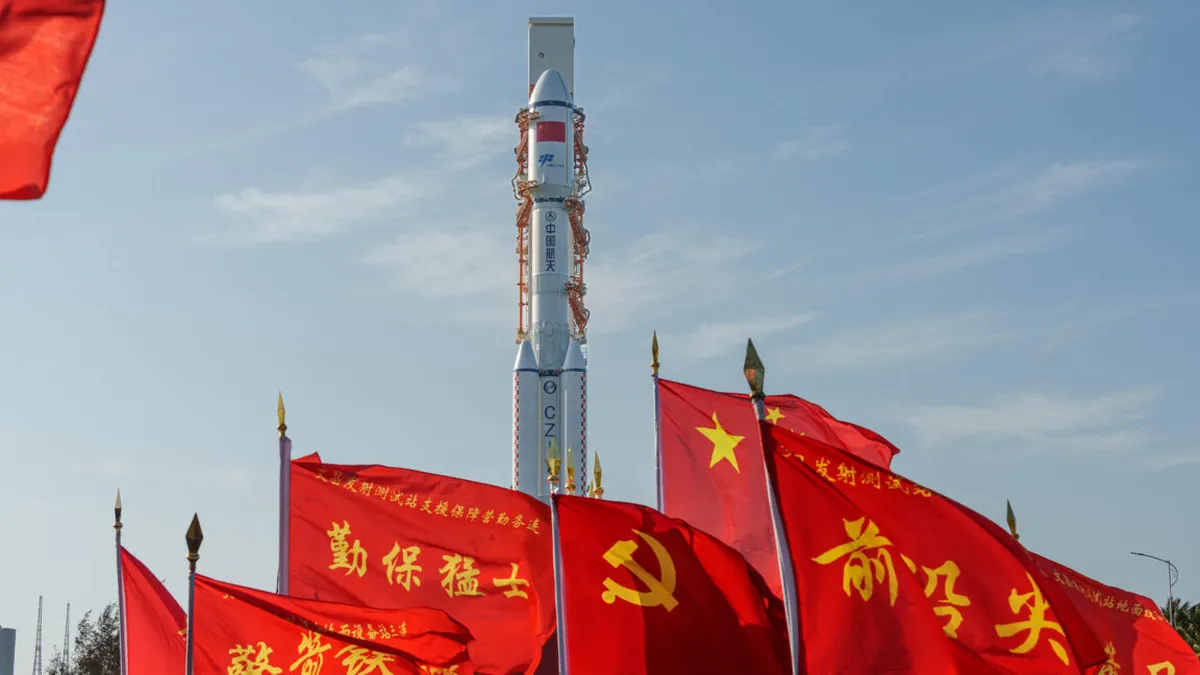
On August 10, 2026, a dramatic turn of events unfolded in China's space program when one of its most utilized rockets, the Long March 7A, exploded shortly after liftoff. This incident, occurring just over a minute into its flight from the Wenchang Space Launch Site, not only raises questions about the specific circumstances surrounding the explosion but also signals potential ramifications for future missions, including the highly anticipated Chang’e 7 lunar mission.
The explosion, which happened during a critical phase of the rocket's ascent, has brought to light concerns regarding the reliability of the YF-100 engine, a crucial component in China's expanding arsenal of space launch systems. As the nation strives to solidify its position as a leader in space exploration, understanding the implications of this failure is essential.
The Long March 7A and Its Role in China's Space Program
The Long March 7A is part of a family of rockets developed by the China Aerospace Science and Technology Corporation (CASC) and serves as a medium-lift vehicle capable of carrying various payloads, including military communications satellites and supply missions to China's space station. With an impressive launch frequency exceeding 50 missions annually, the Long March series has become a workhorse of the Chinese space program. However, the recent explosion during what appeared to be a normal ascent raises alarms about the rocket’s technical integrity.
Understanding the YF-100 Engine
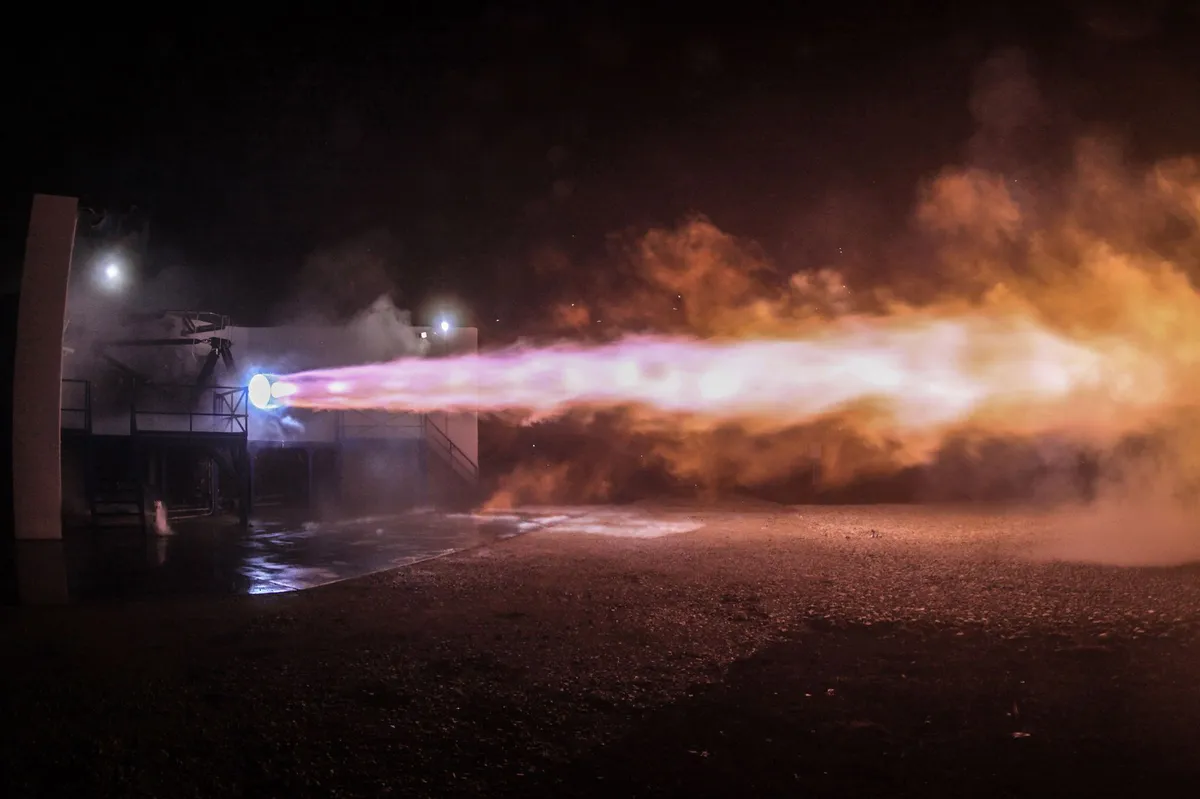
At the heart of the Long March 7A's propulsion system is the YF-100 engine, which utilizes a liquid oxygen and kerosene propellant combination to generate a thrust of approximately 270,000 pounds at sea level. This engine is not only integral to the Long March 7A but also powers various other vehicles in China's space fleet, including the Long March 5 and Long March 8. The widespread use of the YF-100 makes the reliability of this engine critical to China's broader space ambitions.
Analyzing the Cause of the Failure
The explosion's timing suggests it occurred during a phase of maximum dynamic pressure, a period when rockets experience extreme stress. Such failures can often be attributed to engine malfunctions, structural integrity issues, or failure of the flight termination system, designed to destroy the rocket if it veers off course. Given the closed nature of China’s state-operated space program, gaining insights into the precise cause of the failure may prove challenging.
The Impact of a YF-100 Engine Failure
If the root cause of the explosion is traced back to the YF-100 engine, the implications could be far-reaching. With as many as nine different Chinese rockets relying on this engine, any identified issues could delay numerous scheduled launches, including critical missions. This leads to concerns not only about the immediate operational capabilities of the Chinese space program but also about its long-term aspirations.
Potential Delays in Upcoming Missions
Among the most pressing concerns is the potential impact on the upcoming Chang’e 7 mission, scheduled for launch within weeks of the Long March 7A incident. This mission is a cornerstone of China's lunar exploration efforts, featuring an orbiter, lander, rover, and mini-hopper, all aimed at exploring the resource-rich South Pole of the Moon. The Chang’e 7 mission's reliance on Long March 5 rockets, which also utilize YF-100 engines, means that any delay in addressing the issues with the YF-100 could have significant consequences for this ambitious endeavor.
Global Implications of China's Space Ambitions
The Chang’e 7 mission is not merely a national pride project; it represents a strategic effort to establish a foothold in the Moon's South Pole region, where both China and NASA are keenly interested in exploring for resources. Should delays arise from the Long March 7A explosion, it could hinder China's ability to compete effectively in the new space race, where lunar resources and exploration capabilities are becoming increasingly vital.
China's Growing Space Program and Its Challenges
China's space program has seen an exponential increase in activity and ambition over the last decade. The country has successfully launched numerous satellites, manned missions to its space station, and ambitious lunar missions. However, the recent incident with the Long March 7A represents a stark reminder of the inherent risks involved in space exploration. As the program matures, engineers and policymakers must navigate the challenges of reliability, safety, and technological advancement.
Moving Forward: What’s Next for China's Space Program?
In light of the recent explosion, the Chinese space industry will likely conduct an extensive investigation to determine the root cause, leading to potential modifications or redesigns of the YF-100 engine and related systems. The outcomes of these assessments will not only influence upcoming launches but may also impact the trajectory of China's space ambitions for years to come.
Key Takeaways
- The Long March 7A rocket, a key part of China's space program, exploded shortly after liftoff.
- Concerns about the YF-100 engine could impact multiple rocket variants and upcoming missions.
- The Chang’e 7 lunar mission, using a Long March 5 rocket, may face delays due to this incident.
- China's space ambitions are increasingly tied to the reliability of its launch systems.
Frequently Asked Questions
What caused the Long March 7A rocket to explode?
While the exact cause of the explosion remains uncertain, it is believed to have occurred during the first stage of flight, potentially linked to the YF-100 engine. Investigations are ongoing, and the closed nature of China's space operations may limit public disclosures about the incident.
How does the YF-100 engine impact China's space program?
The YF-100 engine is a pivotal component of multiple rocket types in China's fleet. Its reliability is essential not just for the Long March 7A but also for the Long March 5 and 8 rockets, which are scheduled to undertake various critical missions in the near future.
What is the significance of the Chang’e 7 mission?
The Chang’e 7 mission is crucial for China's lunar exploration efforts, aiming to gather data and conduct experiments in the Moon's South Pole region. Its success would position China as a leader in lunar exploration, potentially paving the way for future resource extraction endeavors.
What are the broader implications of this incident for global space exploration?
The explosion of the Long March 7A serves as a reminder of the complexities and risks inherent in space exploration. As countries like China and the U.S. compete for lunar resources, the reliability of their respective launch systems will be critical in determining future success and leadership in space endeavors.
Comments
Amazon's New Gas Power Plant: A Controversy for Climate and AI
Amazon's plans for a massive gas-burning power plant in Texas raise urgent questions about its commitment to sustainability and the implications of AI-driven energy demands.

Related articles
Popular in Cloud Computing
- SK Hynix's Historic $26.5 Billion IPO: A New Era for Memory Chips
- Kubernetes and the Future of Desktop Infrastructure: A Paradigm Shift
- Amazon Expands Partnership with Nvidia, Tripling GPU Orders Amid AI Demand Surge
- Elon Musk's Evolving Relationship with Anthropic: A New Era for AI Hosting
- Emerging Rocket Launches: A New Era for Space Exploration