Amazon's New Gas Power Plant: A Controversy for Climate and AI
Amazon's plans for a massive gas-burning power plant in Texas raise urgent questions about its commitment to sustainability and the implications of AI-driven energy demands.

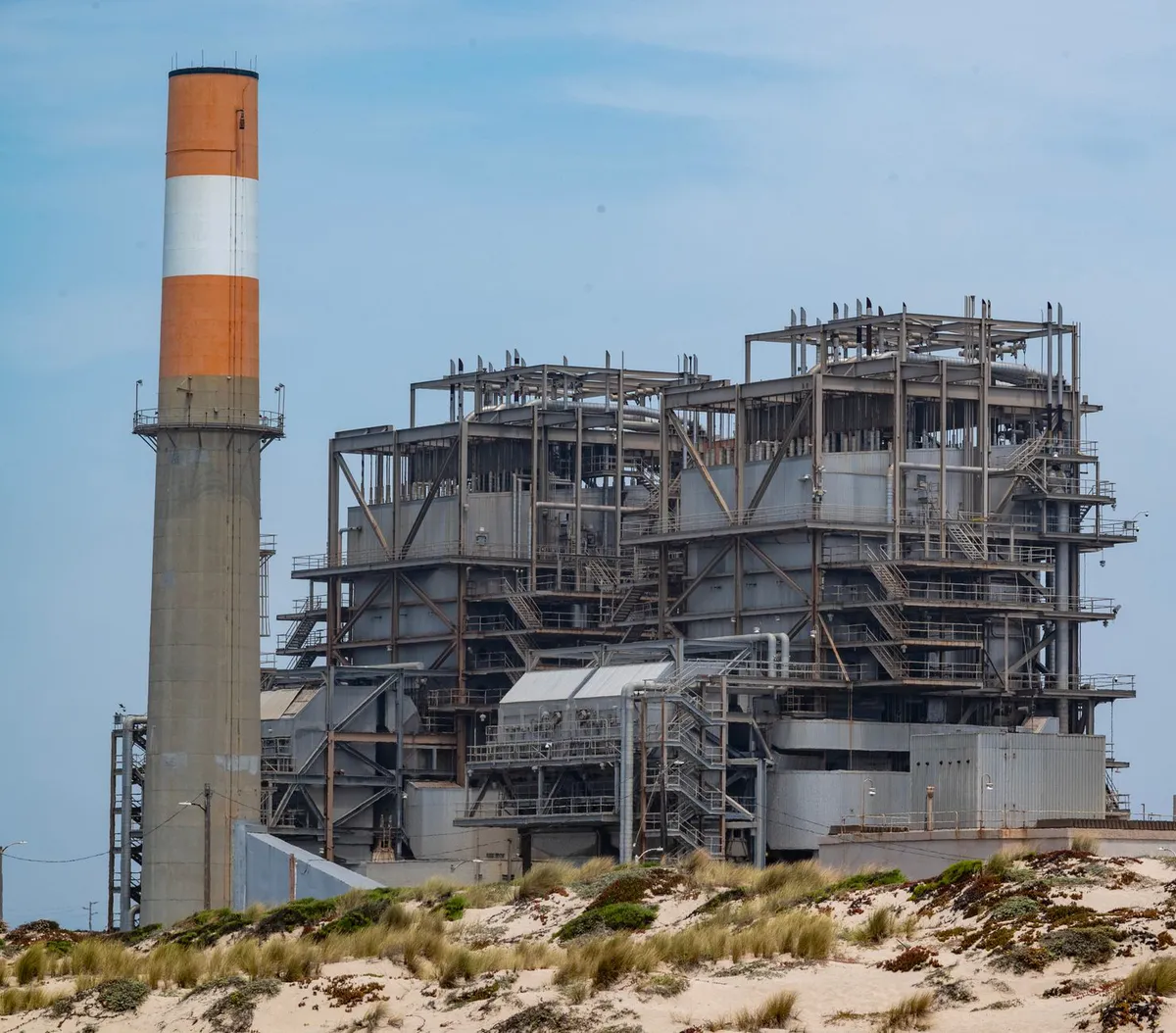
In a move that has sparked considerable debate, Amazon has announced plans to invest in a natural gas-burning power plant in Texas, which could potentially become the largest single source of climate pollution in the United States. This initiative is part of Amazon's broader strategy to meet the surging energy demands of its artificial intelligence (AI) ambitions, particularly as it ramps up its cloud services. However, the environmental implications of such a facility have raised alarms among public health advocates and environmentalists, who are questioning the tech giant's commitment to its climate pledge.
The power plant, situated in Pecos County, is designed to provide energy for a massive off-the-grid data center that Amazon is developing. While the company claims that this project will help alleviate strain on the grid and prevent higher electricity costs for local residents, critics argue that it represents a significant step backwards in the fight against climate change. Amazon's decision to rely on gas turbines, which emit substantial greenhouse gases, stands in stark contrast to its stated goal of achieving net-zero carbon emissions by 2040.
The Growing Demand for AI and Its Energy Needs
The rapid evolution of AI technologies has created an unprecedented demand for computing resources, which in turn requires a significant amount of energy. As companies like Amazon, Google, and Microsoft scramble to scale their AI capabilities, the need for energy-efficient solutions has become increasingly urgent.
The Role of Data Centers
Data centers are the backbone of cloud computing and AI services, necessitating vast amounts of electricity to operate. The U.S. data center market is projected to grow to over $200 billion by 2026, with a significant portion of that growth driven by AI applications. As demand for AI services escalates, companies are looking for quick solutions to power their operations, often opting for natural gas as a more immediate source of energy than renewables.
Fast-Tracking Development
In an environment where speed to market is crucial, companies are increasingly seeking to avoid lengthy permitting processes often associated with renewable energy projects. This has led to a trend where firms like Amazon are investing in gas-powered plants, which can be built and operational much faster than renewable alternatives. The Texas project is a clear example of this trend, with the potential to generate up to 7.65 gigawatts of power using 35 turbines.
Environmental Implications and Community Backlash
The environmental ramifications of Amazon's gas power plant are significant. Critics point out that the facility is expected to emit a staggering 33 million tons of carbon dioxide annually, making it a major contributor to climate change. This figure raises serious concerns among environmental activists, particularly given Amazon's Climate Pledge to reach net-zero emissions by 2040.
Health Risks
The pollutants emitted from gas-burning power plants are linked to a myriad of health problems, including respiratory issues, heart disease, and stroke. Communities surrounding the proposed power plant have voiced their concerns, with organizations like the NAACP advocating for more stringent environmental reviews. These groups argue that the potential health risks associated with increased air pollution cannot be overlooked.
Legal Challenges
Legal battles have emerged as a response to these developments. The NAACP in Mississippi has filed lawsuits against other AI companies, such as Elon Musk's xAI, to halt operations of similar gas-powered facilities. The Trump administration has intervened in support of these companies, seeking to expedite the development of gas plants by rolling back environmental protections. This legal landscape raises questions about the balance between economic growth and environmental stewardship.

Amazon's Justification and Future Plans
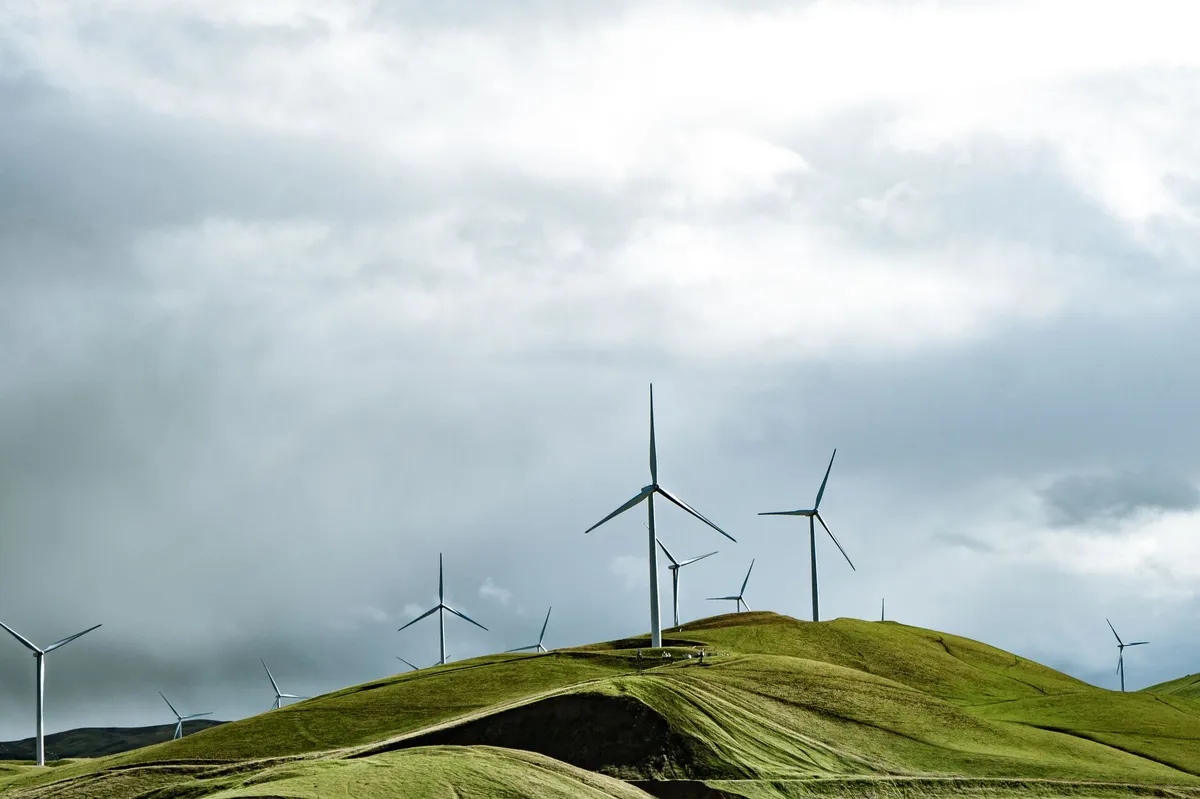
In light of the criticism, Amazon has defended its decision to invest in the gas power plant, asserting that it will not raise electricity costs for Texas families and could eventually contribute to a more reliable energy grid. The company also claims that it is exploring renewable options, including solar energy and battery storage, for the Texas data center.
Public Perception and Investor Pressure
Despite these reassurances, skepticism remains. Many stakeholders are questioning whether the future benefits touted by Amazon will materialize, especially considering the immediate and long-term environmental impacts of the project. As investors increasingly prioritize sustainability, Amazon may face pressure to align its operations with its public commitments to combat climate change.
Broader Trends in the Industry
Amazon's decision is not an isolated case. Other tech giants are similarly investing in gas-powered facilities to meet the growing demands of AI and cloud computing. A report by Cleanview indicates that 59 data centers with a combined capacity of about 90 gigawatts are planning to build their own power sources. This trend highlights a shift in the industry where the need for speed and efficiency is often prioritized over environmental concerns.

Key Takeaways
- Amazon's gas power plant in Texas could become the largest source of climate pollution in the U.S.
- The facility is expected to emit 33 million tons of CO2 annually, conflicting with Amazon's climate goals.
- Communities are voicing concerns over health risks associated with increased air pollution.
- Legal challenges are emerging as a response to the environmental impact of gas-powered data centers.
- Amazon and other tech companies are prioritizing speed to market over sustainability in their energy strategies.
Frequently Asked Questions
What is the significance of Amazon's gas power plant project?
Amazon's gas power plant project is significant because it represents a major investment in fossil fuels at a time when climate change is a pressing global issue. The potential emissions from this facility could undermine the company’s stated goals of reaching net-zero carbon emissions by 2040, raising concerns about its commitment to sustainability.
How does this project relate to the broader AI industry?
The project is directly tied to the rapid growth of AI and cloud computing, as these technologies require vast amounts of energy to operate. With the increasing demand for AI services, tech companies are looking for quick energy solutions, leading many to invest in gas-powered facilities that can be built and operational more quickly than renewable energy alternatives.
What are the health impacts associated with gas-burning power plants?
Gas-burning power plants emit pollutants linked to various health issues, including respiratory diseases, heart problems, and strokes. Communities near these plants often face increased health risks due to higher levels of air pollution, prompting advocacy groups to call for stricter environmental regulations and more transparency regarding emissions.
What actions are being taken by communities and organizations in response to these developments?
Communities and organizations, such as the NAACP, are actively challenging the development of gas-powered data centers through legal action and public advocacy. They seek to hold companies accountable for their environmental impacts and push for more stringent regulations to protect public health and the environment.
Comments
China's Long March 7A Rocket Explosion: Implications for Space Progress
The recent explosion of China's Long March 7A rocket raises significant concerns for the country's space ambitions, particularly regarding the YF-100 engine. This incident not only impacts future launches but also highlights the challenges faced by the rapidly growing Chinese space program.

Related articles
Popular in Cloud Computing
- SK Hynix's Historic $26.5 Billion IPO: A New Era for Memory Chips
- Kubernetes and the Future of Desktop Infrastructure: A Paradigm Shift
- Amazon Expands Partnership with Nvidia, Tripling GPU Orders Amid AI Demand Surge
- Elon Musk's Evolving Relationship with Anthropic: A New Era for AI Hosting
- Emerging Rocket Launches: A New Era for Space Exploration