Blue Origin's Ambitious Leap into Private Capital: A Game Changer for Spaceflight
Blue Origin, founded by Jeff Bezos, is set to raise $10 billion in private capital, aiming for a valuation of $130 billion. This strategic move is seen as critical for the company's future in the competitive space industry, especially in light of recent setbacks.
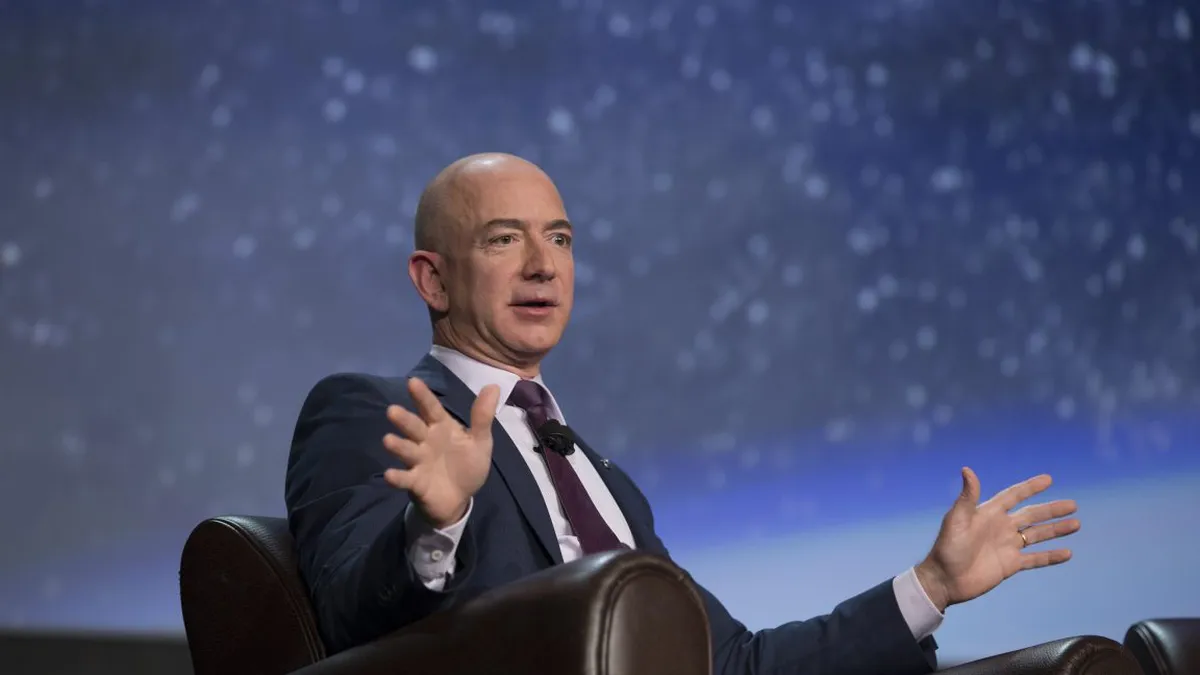
In a significant shift for one of the most ambitious aerospace companies, Blue Origin is gearing up to raise $10 billion in private capital, marking a pivotal moment in its journey toward becoming a leader in spaceflight. This fundraising effort, reported by the DealBook newsletter, could elevate the company's valuation to an impressive $130 billion. Led by the esteemed asset management firm Coatue Management, which is expected to contribute $4 billion, this influx of capital is not only a financial maneuver but also a strategic necessity to compete with industry juggernaut SpaceX.
Founded in 2000 by Jeff Bezos, Blue Origin has long relied on the billionaire's personal investments to fuel its ambitious projects, which range from developing heavy-lift rockets to lunar landers and satellite constellations. Bezos's commitment, which reportedly exceeds several billion dollars annually, has helped sustain the company but has not positioned it for the fierce competition that lies ahead. As Blue Origin prepares for this new chapter, industry observers are keenly watching how it will navigate the challenges that have recently plagued its operations.
Understanding Blue Origin's Financial Landscape
Blue Origin's foray into private capital comes at a crucial juncture. Unlike its rival SpaceX, which has successfully leveraged a combination of government contracts, private investments, and commercial launches to amass a staggering valuation of approximately $2 trillion, Blue Origin has primarily depended on Bezos's deep pockets. This dependency has become increasingly unsustainable, especially as the company seeks to scale its operations and compete for lucrative contracts in a rapidly evolving market.
The Role of Institutional Investors
The anticipated $10 billion investment represents a significant pivot for Blue Origin. Institutional investors are expected to contribute another $4 billion alongside Coatue Management's investment. This growing interest from external investors signals confidence in Blue Origin's vision and its potential to capture market share in the space industry.
The urgency for this capital raise is underscored by recent developments, including the devastating explosion of the New Glenn rocket during testing. This incident not only set back the company's timeline for launching the rocket but also highlighted the risks involved in the high-stakes space industry.
Challenges and Setbacks: The New Glenn Incident
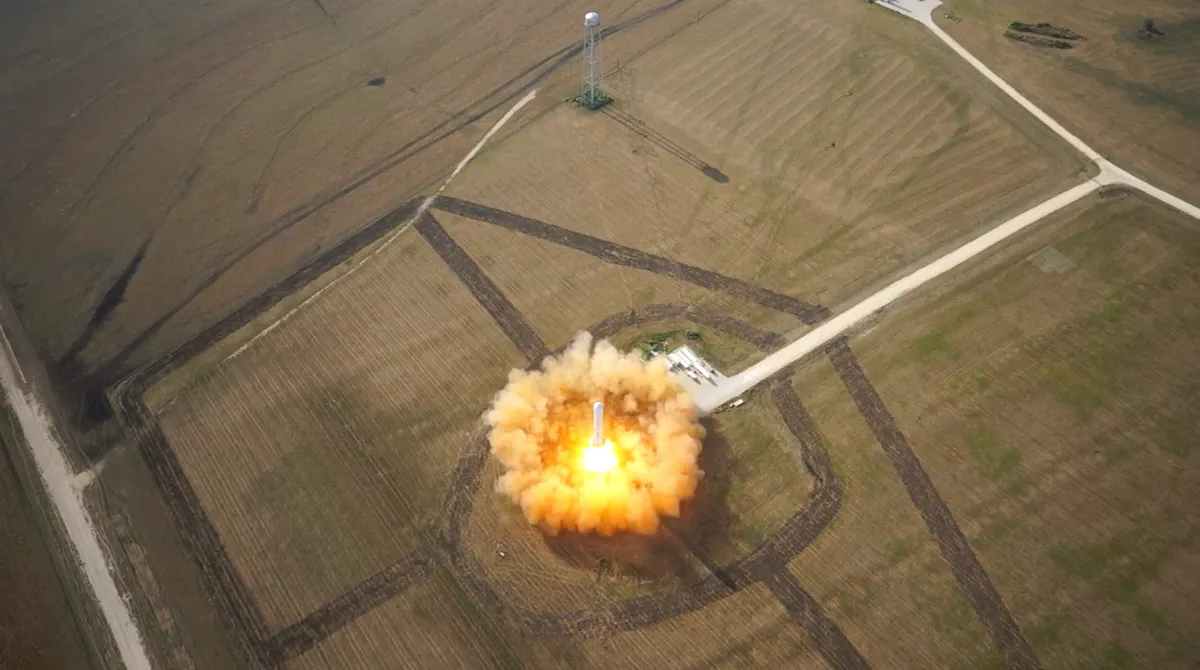
The New Glenn rocket is central to Blue Origin’s ambitions, serving as the backbone for its proposed lunar missions and commercial satellite launches. However, a catastrophic failure during a test launch in May 2026 destroyed the rocket and its only launch pad, significantly hindering Blue Origin’s operational capabilities. This setback has forced Bezos and CEO Dave Limp to expedite recovery efforts, with the goal of restoring functionality before the end of the year.
Despite intentions to return to flight quickly, industry experts believe a more realistic timeline may extend to 12 months. The swift action taken by Blue Origin reflects a newfound urgency, likely driven by the impending capital raise and the need to reassure investors about the company's commitment to its projects.
Competitive Pressures in the Space Industry
Blue Origin's challenges are compounded by the competitive landscape of the space industry. SpaceX has set a high bar with its ability to rapidly innovate and offer competitive pricing through its Falcon and Starship rockets. As Blue Origin looks to establish itself as a formidable player, it must not only recover from setbacks but also position itself to attract commercial customers who are increasingly drawn to SpaceX's offerings.

Ambitious Projects on the Horizon
Blue Origin's long-term vision includes several groundbreaking projects that aim to reshape the future of space access and utilization.
- Lunar Missions: Blue Origin seeks to deliver both cargo and humans to the lunar surface, partnering with NASA and various commercial enterprises.
- TeraWave Internet Constellation: This initiative aims to establish a satellite network in low-Earth and medium-Earth orbit, providing high-speed connectivity for enterprise customers.
- Project Sunrise: A mega-constellation of up to 51,600 satellites designed to operate in sun-synchronous orbits, targeting global internet coverage.
These ambitious projects are projected to require tens of billions of dollars in investment to bring to fruition. Bezos's decision to seek private capital is indicative of the financial pressures that Blue Origin faces as it strives to become self-sufficient and competitive.

Bezos's Vision and Future Directions
Jeff Bezos's vision for Blue Origin has always been rooted in the idea of making space travel accessible and sustainable. However, the company has faced hurdles in achieving its financial independence and operational goals. The departure of former CEO Bob Smith in 2023 highlighted internal challenges, particularly the struggle to transition from a self-funded model to one supported by government and commercial contracts.
As Bezos embarks on this new fundraising journey, he is likely motivated by a desire to diversify Blue Origin’s funding sources and lessen his financial burden. The stakes are high, and with the space industry evolving rapidly, the ability to secure private capital could determine the future trajectory of the company.
Key Takeaways
- Blue Origin plans to raise $10 billion in private capital, with a valuation target of $130 billion.
- Coatue Management and institutional investors are key players in this fundraising effort.
- The company faces significant competitive pressures, particularly from SpaceX.
- Recent setbacks, including the New Glenn rocket explosion, have heightened the urgency for operational recovery.
- Blue Origin's ambitious projects require substantial investment to realize their potential.
Frequently Asked Questions
Why is Blue Origin seeking private capital now?
Blue Origin's decision to pursue private capital is primarily driven by the need to compete with established players like SpaceX. The injection of $10 billion will provide the necessary funds to recover from recent setbacks and support the development of ambitious projects such as lunar missions and satellite constellations. This strategic move is also aimed at reducing reliance on Jeff Bezos's personal investments, which have sustained the company for years.
What impact will the New Glenn explosion have on Blue Origin's future?
The explosion of the New Glenn rocket has posed significant challenges for Blue Origin, leading to operational setbacks and increased scrutiny of its capabilities. While the company is working diligently to recover and resume launches, the incident has underscored the risks associated with spaceflight. The ability to overcome this setback will be crucial for rebuilding investor confidence and attracting future contracts.
How does Blue Origin's valuation compare to SpaceX?
Blue Origin's anticipated valuation of $130 billion is significantly lower than SpaceX's estimated $2 trillion valuation. This disparity reflects the differences in funding strategies and market presence. SpaceX has successfully raised substantial capital through public offerings and a diverse range of contracts, while Blue Origin has primarily relied on private funding from Jeff Bezos. The upcoming capital raise is crucial for Blue Origin to enhance its competitive stance in the industry.
Comments
Teen Misadventure in a Waymo: A Lesson in Robotaxi Rules
Two California teens found themselves in hot water after conducting toy gun drive-bys from a Waymo robotaxi, highlighting the limits of autonomous vehicle regulations and safety protocols.

Related articles
Popular in Cloud Computing
- SK Hynix's Historic $26.5 Billion IPO: A New Era for Memory Chips
- Kubernetes and the Future of Desktop Infrastructure: A Paradigm Shift
- Amazon Expands Partnership with Nvidia, Tripling GPU Orders Amid AI Demand Surge
- Elon Musk's Evolving Relationship with Anthropic: A New Era for AI Hosting
- Emerging Rocket Launches: A New Era for Space Exploration