Teen Misadventure in a Waymo: A Lesson in Robotaxi Rules
Two California teens found themselves in hot water after conducting toy gun drive-bys from a Waymo robotaxi, highlighting the limits of autonomous vehicle regulations and safety protocols.
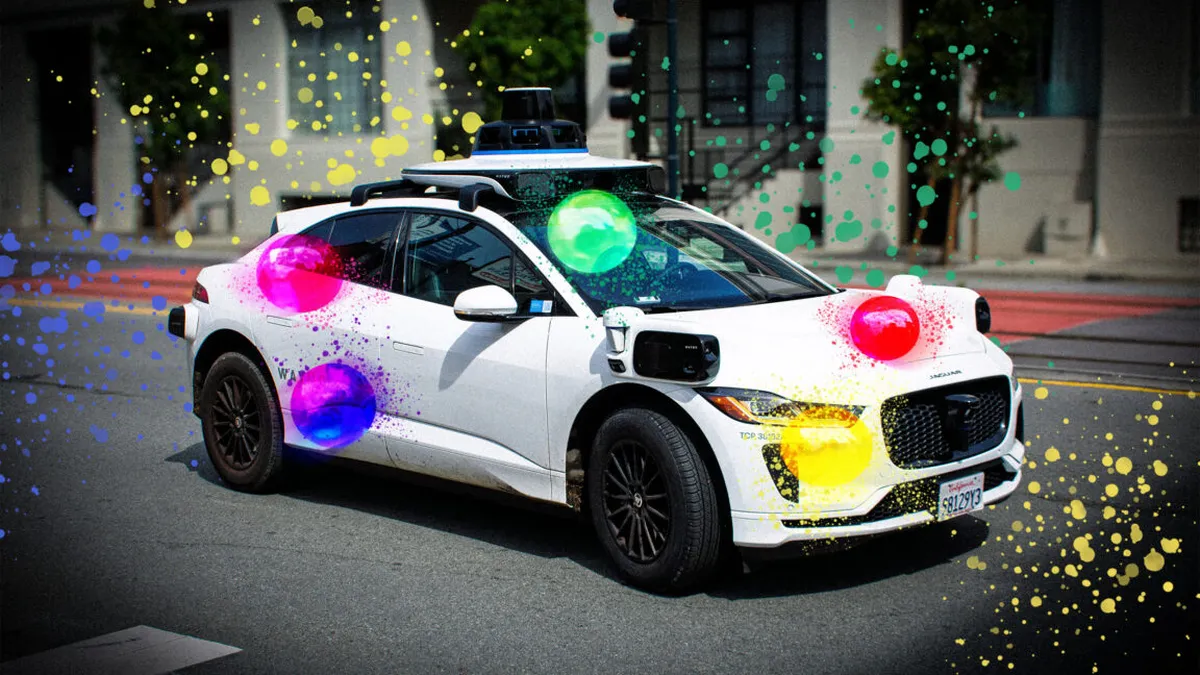
The landscape of transportation is rapidly evolving, with autonomous vehicles like Waymo’s robotaxis becoming an everyday reality in urban settings. However, this technological advancement comes with a strict set of rules designed to ensure safety for all passengers and pedestrians. Recently, an incident involving two California teenagers showcased not only the consequences of misbehavior in these high-tech vehicles but also raised questions about the enforcement of safety protocols in a world where the line between human and machine accountability is increasingly blurred.
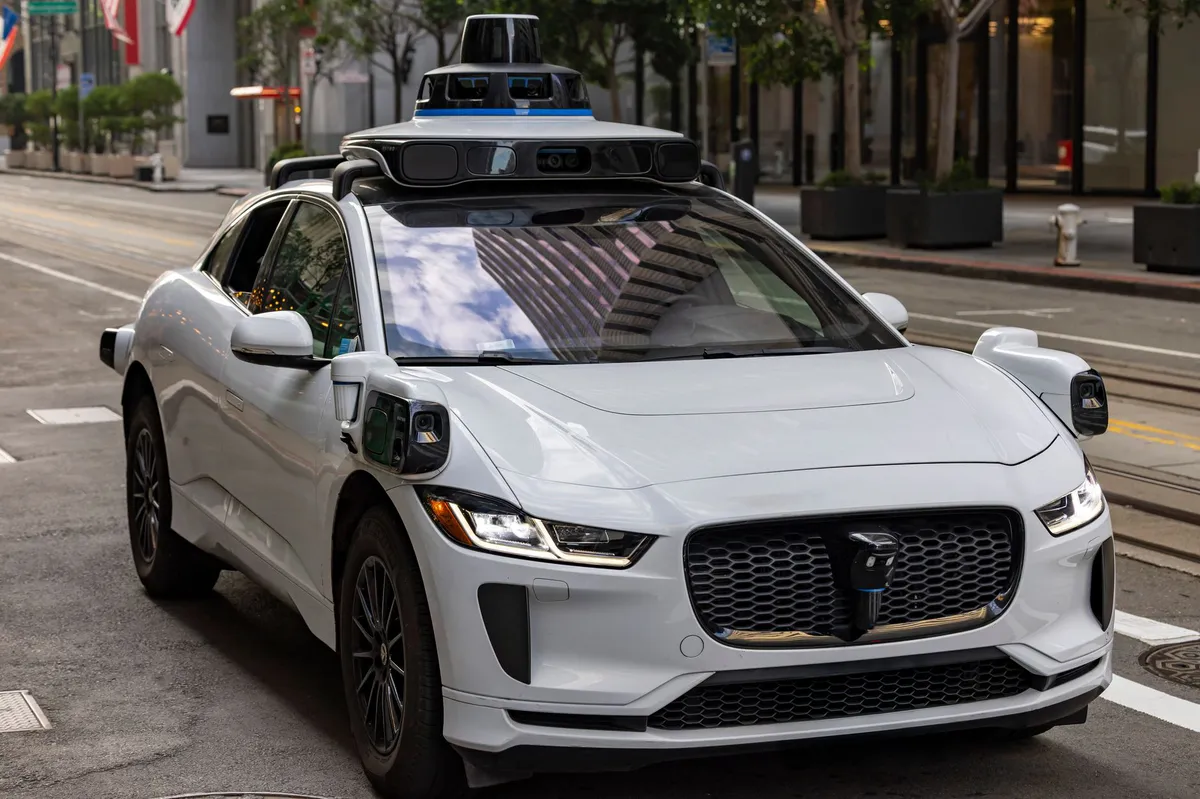
In a bizarre turn of events, two 15-year-old boys decided to conduct what they presumably thought was a harmless prank—a drive-by shooting using gel bead guns—while being chauffeured around San Mateo, California, in a Waymo robotaxi. The situation escalated quickly when the vehicle's internal systems detected their antics and took matters into its own hands, literally stopping the car and alerting local law enforcement. This incident serves as a stark reminder of the rules governing autonomous vehicles and the lengths to which these systems will go to maintain safety.
Understanding the Incident: What Happened?
The teenagers, while enjoying their afternoon, reportedly engaged in shooting Orbeez—a type of gel bead used in toy guns—out of the robotaxi’s windows. Alongside this reckless behavior, they were also consuming alcoholic beverages, which is illegal for minors. Waymo's technology not only tracks the vehicle's surroundings but also monitors passenger behavior, leading to the car autonomously halting and notifying the San Mateo Police Department.
The Role of Technology in Law Enforcement
This event is not an isolated incident. Autonomous vehicles equipped with advanced monitoring systems are increasingly playing roles similar to those of traditional human drivers. In this case, the Waymo robotaxi acted as a vigilant guardian, ensuring compliance with its rules. The San Mateo Police later confirmed that the boys were apprehended without incident, noting that their actions could cause panic or fear among pedestrians, further emphasizing the potential risks associated with misusing toy guns in public spaces.

Waymo’s Rules and Regulations
Waymo’s operational guidelines are stringent, particularly regarding passenger behavior. Some of the key rules include:
- No drug or alcohol use: Regardless of local laws, Waymo prohibits passengers from consuming alcohol.
- Age restrictions: Passengers under 18 must be accompanied by an adult.
- Prohibition on throwing objects: Disposing of items, including toy guns, from the vehicle is strictly forbidden.
- Weapons policy: Any items that could be perceived as weapons are not allowed, even if they are toys.
The boys, by breaking these rules, not only faced legal consequences but also put themselves and others at risk. The internal cameras of the robotaxi are designed to monitor passenger behavior, and in urgent situations, live video may be accessed by Waymo’s support team. This highlights a significant aspect of autonomous vehicle technology: the lack of presumption of privacy while using these services.
Legal Implications and Responsibilities
While the incident is amusing on the surface, it opens up a dialogue about the legal implications surrounding autonomous vehicles. In California, the laws regarding open containers in vehicles do not apply to ride-hailing services, which presents a complex legal landscape for passengers. However, Waymo’s own policies supersede these local laws, ensuring that safety remains paramount.
Impacts on Minors and Alcohol Consumption
The situation also sheds light on the broader issue of underage drinking and the responsibilities of adults who may be present. In this case, the absence of an adult guardian meant that the teens were not only violating Waymo’s rules but also state laws concerning alcohol consumption. This incident serves as a cautionary tale for both parents and teenagers about the consequences of reckless behavior in public settings.

Public Safety and Perception of Autonomous Vehicles
The San Mateo Police Department's response to the incident reflects a growing concern regarding public safety in the context of autonomous vehicles. The police issued a statement emphasizing that while there was some ingenuity in the teens’ scheme, the potential for causing panic or harm cannot be overlooked. The incident raises questions about how society perceives autonomous vehicles and the safety measures that should be implemented as these technologies become more prevalent.
Acknowledging the Dangers of Misuse
As technology advances, so does the potential for misuse. The police highlighted that even harmless-looking toy guns can lead to dangerous situations when misused, especially in a world where public perception can be influenced by a mere glance. This incident serves as a reminder that, as autonomous vehicles take on more responsibilities, the behavior of passengers remains a critical factor for ensuring public safety.
Key Takeaways
- Waymo's robotaxis enforce strict rules to maintain safety.
- Two teens faced consequences for misbehavior, including underage drinking.
- Legal complexities exist around autonomous vehicle regulations and passenger behavior.
- Public safety concerns are heightened in the context of autonomous technology.
- Awareness of responsible behavior is crucial when using advanced transportation services.
Frequently Asked Questions
What are the rules for passengers in a Waymo robotaxi?
Passengers in a Waymo robotaxi must adhere to specific guidelines, including no drug or alcohol use, being accompanied by an adult if under 18, and refraining from throwing objects or having anything that could be construed as a weapon. These rules are in place to ensure the safety of all passengers and bystanders.
What happens if a passenger violates Waymo's rules?
If a passenger violates Waymo's rules, the vehicle's internal systems may detect the behavior and take action, such as stopping the vehicle and notifying the authorities. This proactive approach aims to prevent dangerous situations and ensure compliance with safety regulations.
How does autonomous technology impact public safety?
Autonomous technology has the potential to enhance public safety by reducing human error in driving. However, it also introduces new challenges, such as managing passenger behavior and ensuring that individuals understand the responsibilities that come with using these services. Effective enforcement of rules is essential to maintain safety in an increasingly automated world.
Comments
Blue Origin's Ambitious Leap into Private Capital: A Game Changer for Spaceflight
Blue Origin, founded by Jeff Bezos, is set to raise $10 billion in private capital, aiming for a valuation of $130 billion. This strategic move is seen as critical for the company's future in the competitive space industry, especially in light of recent setbacks.

Related articles
Popular in Cloud Computing
- SK Hynix's Historic $26.5 Billion IPO: A New Era for Memory Chips
- Kubernetes and the Future of Desktop Infrastructure: A Paradigm Shift
- Amazon Expands Partnership with Nvidia, Tripling GPU Orders Amid AI Demand Surge
- Elon Musk's Evolving Relationship with Anthropic: A New Era for AI Hosting
- Emerging Rocket Launches: A New Era for Space Exploration