Tesla's Shanghai Factory: A Cash Cow Facing Uncertain Future
Tesla's Shanghai factory has achieved record production but faces declining sales in China. The company's potential separation from the Chinese market raises questions about its future.
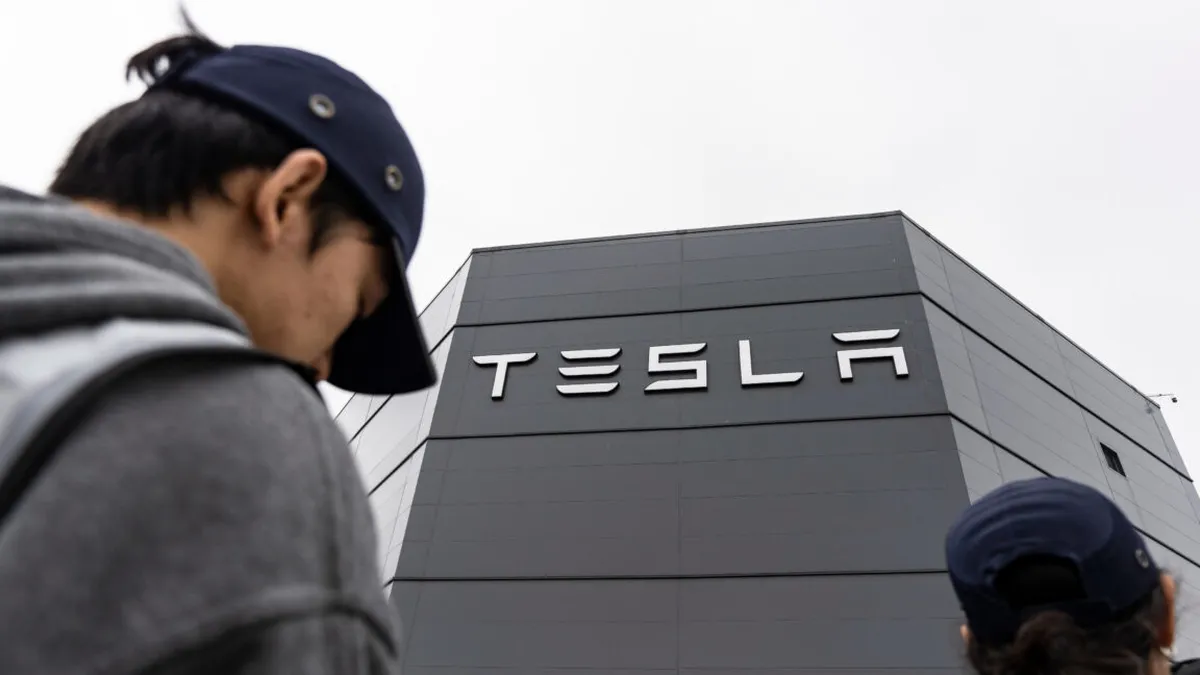
Tesla's Shanghai factory, often heralded as the automaker's lifeblood, has recently seen record levels of production, yet the landscape is shifting dramatically. As the China Passenger Car Association (CPCA) announced, Tesla manufactured an impressive 93,579 vehicles in June alone, marking a staggering 38% increase from the same month in 2025. However, this surge in production does not translate into equal sales success within China, raising alarms about the company's ongoing dependency on the Chinese market and what the future may hold.
For over a year, Tesla has faced a steady decline in sales in China, particularly as consumer interest in the Model 3 sedan wanes. In fact, recent data reveals that nearly 40% of the vehicles produced in June were destined for export rather than local buyers. This export trend further underscores a significant pivot in Tesla's strategy as it redirects its focus toward European, Canadian, and other Asian markets—evidenced by the fact that over 50% of the vehicles produced during Q2 were shipped abroad.
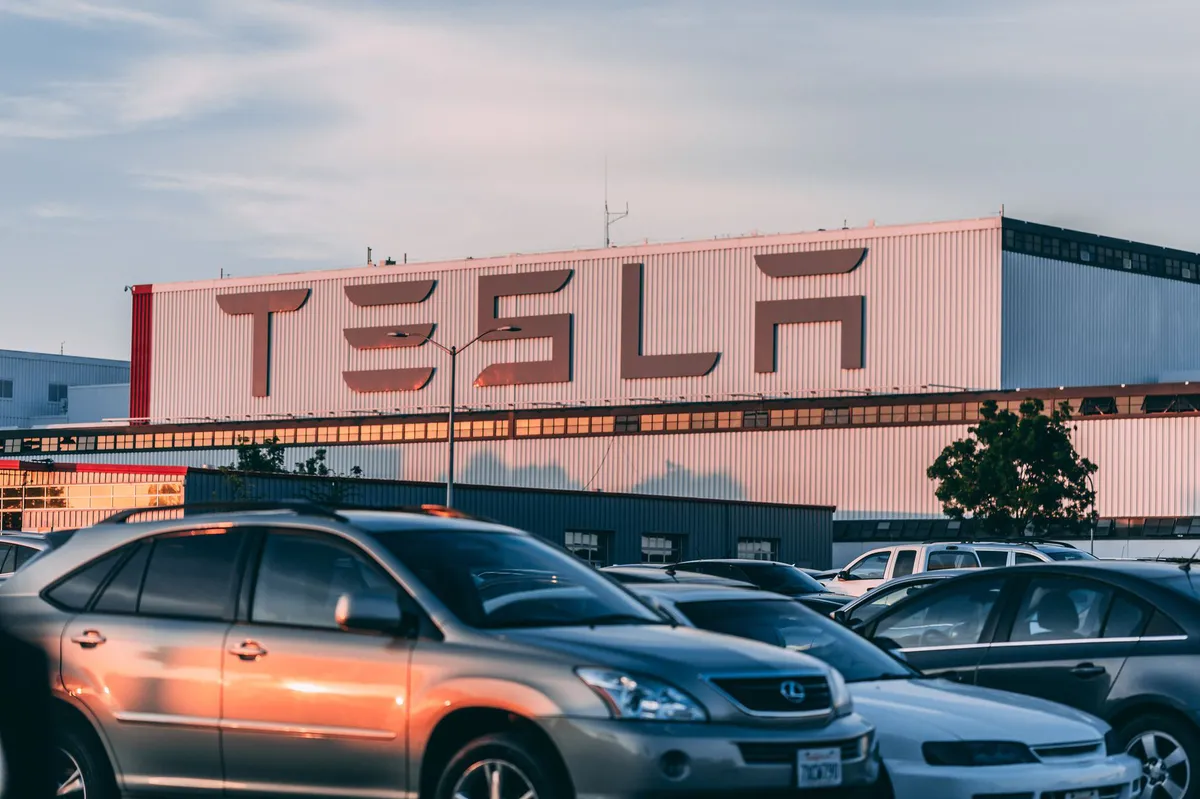
The Financial Dynamics of Tesla's Shanghai Operations
Despite the growing pains in local sales, Tesla's Shanghai factory remains a goldmine for the company. The factory benefits from several financial advantages, primarily low labor costs compared to its production facilities in Germany and the U.S. Furthermore, local suppliers provide cheaper components, enhancing the overall profitability of vehicles manufactured in China. Additionally, export-related tax rebates from the Chinese government further bolster the factory's value. As Tesla grapples with shrinking profit margins elsewhere, the Shanghai plant is critical to its financial health.
Nevertheless, the company appears to be contemplating a future that may not include China as a cornerstone of its production strategy. Reports suggest that Tesla executives have been directed to explore options for disentangling the company’s Chinese and non-Chinese operations, a move that could signal a significant shift in strategy. While Tesla has officially denied that any such preparations are underway, the implications are profound, especially as Tesla seeks to reduce its dependency on China for vehicles sold in the U.S., its largest market.
Regulatory Challenges and Market Pressures
Adding to the complexities, new U.S. regulations are tightening the screws on companies linked to Chinese technology. The introduction of regulations banning Chinese-linked connected car software for model-year 2027 and hardware for model-year 2030 presents additional hurdles for Tesla. With such impending restrictions, Tesla has stopped importing Chinese-made vehicles for U.S. sales and is actively collaborating with North American suppliers to ensure that components used in their vehicles do not originate from China. This proactive approach is intended to navigate the growing geopolitical tensions and regulatory scrutiny surrounding technology and manufacturing.
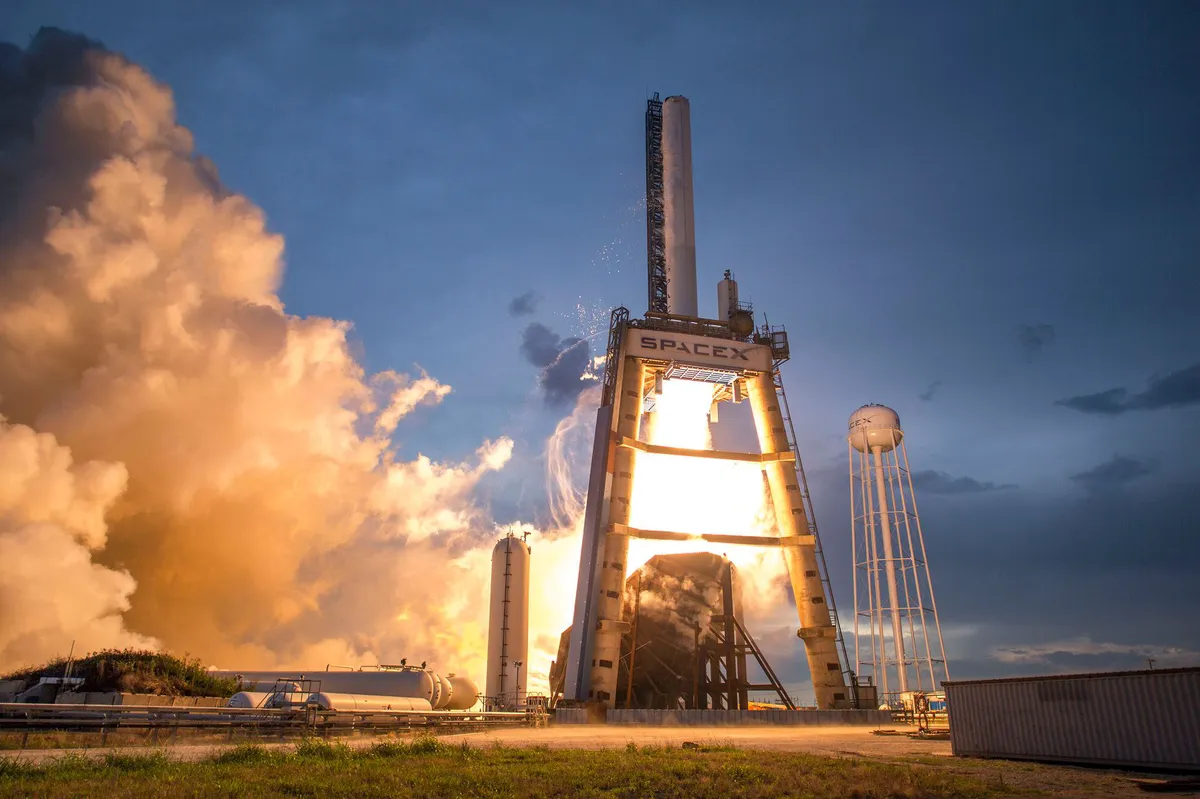
However, the desire to sever ties with China may not solely stem from regulatory pressures. An intriguing angle presents itself in the form of Tesla's potential merger with SpaceX, the aerospace company also led by Tesla's CEO, Elon Musk. The merger could theoretically provide SpaceX with access to investors while circumventing S&P 500 regulations that currently restrict the company due to its profitability metrics. This financial maneuvering raises questions about Tesla’s future direction and its long-term strategy concerning its operations in China.
The Strategic Implications of a Potential Separation
While the idea of merging with SpaceX may seem attractive for financial reasons, it brings with it significant risks, particularly concerning national security implications and existing military contracts. The U.S. government maintains extensive contracts with SpaceX and is increasingly wary of Tesla's operations in China. The potential fallout from such a merger could jeopardize both companies, especially if it leads to additional scrutiny from regulatory bodies.
Moreover, it raises the broader question of Tesla's identity. Elon Musk has long asserted that Tesla is not just a car company, but rather a technology firm. This perspective invites speculation about the company's ambitions beyond automobile manufacturing. Should the Shanghai factory be sidelined or restructured significantly, it could signal a transformative phase for Tesla, one that emphasizes technological innovation over traditional automotive production.
Key Takeaways
- Tesla's Shanghai factory produced a record 93,579 vehicles in June 2026.
- Sales in China have been declining, with over 50% of Q2 vehicles exported.
- New U.S. regulations are forcing Tesla to reduce its dependency on Chinese components.
- A potential merger with SpaceX raises concerns about national security and regulatory scrutiny.
Frequently Asked Questions
What does Tesla's production increase in Shanghai signify for the company?
The significant production increase at Tesla's Shanghai factory indicates the company’s ability to scale its manufacturing capabilities, particularly in a low-cost environment. However, this rise in production does not correlate with a similar increase in domestic sales, suggesting that Tesla may be pivoting towards export markets to maintain profitability amidst declining local demand.
How are new U.S. regulations affecting Tesla's operations?
New U.S. regulations prohibiting the use of Chinese-linked technology in connected vehicles are compelling Tesla to reassess its supply chain strategies. The company is actively working to align its components with North American suppliers to avoid potential compliance issues while navigating the complex geopolitical landscape surrounding U.S.-China relations.
What are the implications of a potential merger between Tesla and SpaceX?
A merger between Tesla and SpaceX could provide significant financial advantages, particularly in accessing new investors. However, such a merger also raises national security concerns, especially given the sensitive nature of SpaceX's defense contracts and Tesla's operations in China. The interplay of these concerns could shape the future landscape for both companies.
Comments
Texas Data Center Boom Faces Power Grid Moratorium Amid Growing Concerns
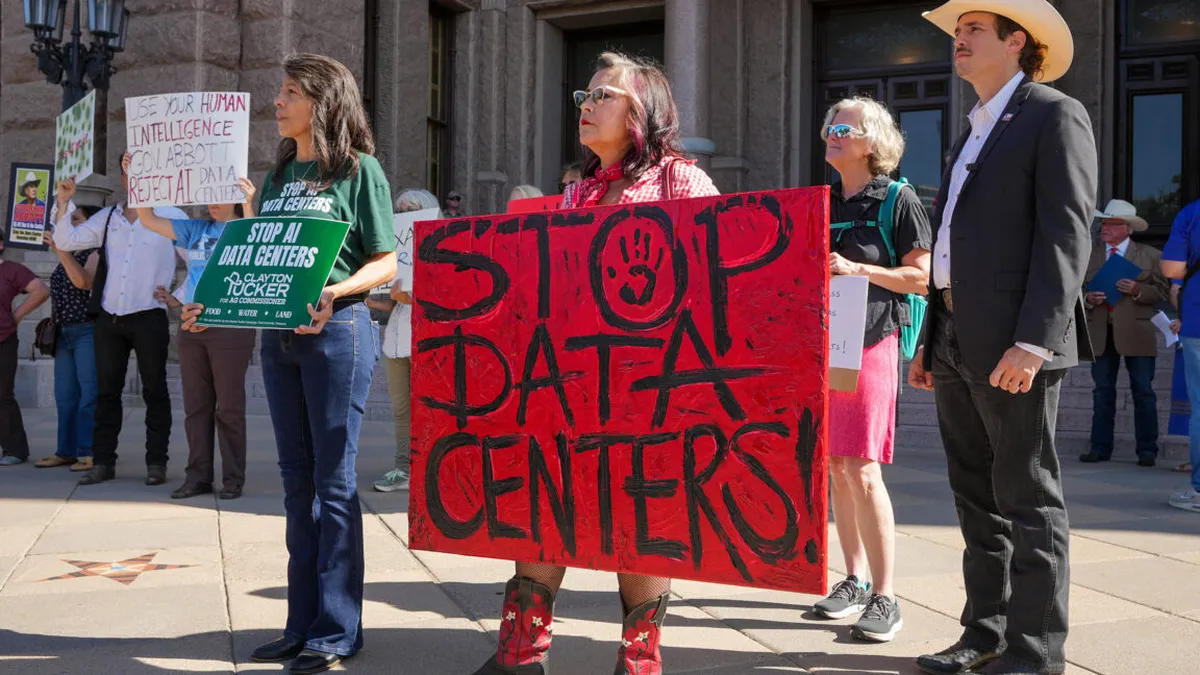
Amid skyrocketing demand for data centers, Texas Governor Greg Abbott has imposed a moratorium on new power grid connections for these facilities. This move comes as the state grapples with the implications of rapid AI development and its potential impact on local communities and resources.
Related articles

Popular in Cloud Computing
- SK Hynix's Historic $26.5 Billion IPO: A New Era for Memory Chips
- Kubernetes and the Future of Desktop Infrastructure: A Paradigm Shift
- Amazon Expands Partnership with Nvidia, Tripling GPU Orders Amid AI Demand Surge
- Elon Musk's Evolving Relationship with Anthropic: A New Era for AI Hosting
- Emerging Rocket Launches: A New Era for Space Exploration